

Brief Summary
The Dutch Oven is a practical tool for home cooks who want steady heat, simple methods, and reliable results. This article covers the best dutch oven for home cooks, how to choose a dutch oven, and a complete beef stew style recipe that fits everyday cooking. It also includes storage tips, substitutions, and answers to common questions for busy parents, students, working professionals, and anyone building a useful kitchen setup.
Custom example: If you buy a cast iron dutch oven with a tight lid, you can start with a simple beef chuck stew, then use the same pot later for soup, bread, and one-pot dinner recipes.
Jump To
- 1. Brief Summary
- 2. Why You’ll Love This Dutch Oven
- 3. Essential Ingredients for Dutch Oven
- 4. How to Prepare the Perfect Dutch Oven: Step-by-Step Guide
- 5. Dietary Substitutions to Customize Your Dutch Oven
- 6. Mastering Dutch Oven: Advanced Tips and Variations
- 7. How to Store Dutch Oven: Best Practices
- 8. FAQs: Frequently Asked Questions About Dutch Oven
- 9. Dutch Oven
Why You’ll Love This Dutch Oven
Ease of preparation
This Dutch Oven recipe is direct and manageable. You brown the beef, add the vegetables and broth, then let the pot simmer covered until the meat turns tender. The method works well for beginners who want dutch oven recipes that do not require constant attention. It also fits busy schedules because most of the cook time is hands-off.
Health benefits
Each serving has about 350 calories, 25 grams of protein, 30 grams of carbohydrates, and 15 grams of fat. Beef provides protein and iron, while carrots and potatoes add fiber, vitamin A, and steady energy. For readers who track nutrition, this cast iron dutch oven meal can fit a balanced dinner plan.
Versatility
A Dutch Oven works for many routines, from family dinners to meal prep. The same enameled dutch oven can handle stews, roasts, soups, and braises. If you are comparing a le creuset dutch oven and a lodge dutch oven, both can support everyday cooking, though size and weight matter for comfort.
Distinctive flavor
The sealed pot traps moisture, so the beef becomes rich and tender while the broth takes on deeper flavor. The vegetables cook in the same base, which creates a full, layered taste. That is why many home cooks look for a Dutch Oven when they want strong results with simple ingredients.
Use a Dutch Oven when you want steady heat, tender beef, and a meal that tastes like it cooked all day with very little active work.
Essential Ingredients for Dutch Oven
The ingredient list below is simple, but each item matters. Use fresh vegetables and good broth for the best result. This recipe is also a good starting point if you are learning how to choose a dutch oven for everyday cooking.
Main Ingredients
- 2 pounds beef chuck cut into cubes – This cut becomes tender during long simmering and works well in a cast iron dutch oven.
- 4 carrots sliced – Carrots add sweetness, color, and texture to the stew.
- 3 potatoes diced – Potatoes make the meal more filling and help create a hearty bowl.
- 1 onion chopped – Onion builds the savory base of the dish.
- 4 cups beef broth – Broth creates the cooking liquid and carries the flavor through the pot.
- 2 tablespoons oil – Oil helps brown the beef at the start.
- Salt and pepper to taste – Seasoning keeps the flavor balanced and adjustable.
Special Dietary Options
- Vegan: Replace beef with mushrooms, lentils, or firm tofu, and use vegetable broth.
- Gluten-free: This recipe is naturally gluten-free if the broth is certified gluten-free.
- Low-calorie: Use extra carrots, fewer potatoes, and a leaner cut of beef, or reduce the portion size.
| Ingredient | Amount | Role in the Recipe |
|---|---|---|
| Beef chuck | 2 pounds | Main protein and base flavor |
| Carrots | 4 sliced | Sweetness and color |
| Potatoes | 3 diced | Hearty texture and fullness |
| Onion | 1 chopped | Savory aroma |
| Beef broth | 4 cups | Braising liquid |
| Oil | 2 tablespoons | Browning fat |
| Salt and pepper | To taste | Seasoning |
How to Prepare the Perfect Dutch Oven: Step-by-Step Guide
Use a Dutch Oven with a heavy base and a tight lid. A preheated pot gives better browning and more even cooking. This method works well in an enameled dutch oven or a classic lodge dutch oven, as long as the pot is large enough for the ingredients.
First Step: Set up the ingredients
Cut the beef chuck into cubes, slice the carrots, dice the potatoes, and chop the onion. Measure the broth and keep the oil nearby. This prep step takes about 20 minutes and helps the rest of the cooking move smoothly. If you are cooking for a family, prepare the vegetables in advance so the process stays organized.
Second Step: Preheat the Dutch Oven
Place the Dutch Oven on the stove over medium heat and add 2 tablespoons of oil. Preheat the pot for even cooking. A warmed pot helps the beef brown better and reduces sticking. This matters in cast iron dutch oven cooking because the metal holds heat well.
Third Step: Brown the beef
Add the beef cubes to the hot oil and brown them for 5 minutes. Turn the pieces so the outside gets color on several sides. Browning builds flavor and gives the broth a deeper taste later. If the pot looks crowded, brown in batches for better color.
Fourth Step: Add vegetables and broth
Add the chopped onion, sliced carrots, and diced potatoes to the pot. Pour in 4 cups of beef broth. Stir gently and scrape the bottom so the browned bits mix into the liquid. These bits add flavor and help the stew taste fuller.
Fifth Step: Bring to a boil
Raise the heat enough to bring the liquid to a boil. Once it bubbles, reduce the heat at once. This change moves the dish from fast heating to slow simmering, which keeps the beef from becoming tough.
Sixth Step: Simmer covered for 2 hours
Cover the Dutch Oven with its lid and simmer for 2 hours until the beef is tender. Keep the heat low and steady. Stir once or twice during cooking if needed, and check that enough liquid remains. If the broth level drops too far, add a small splash of water or extra broth.
Seventh Step: Season and adjust
Season with salt and pepper to taste near the end of cooking. Adjust seasoning during cooking if the broth tastes flat. The flavors may need more salt after the beef and vegetables finish simmering. If you want a stronger stew, add a little more black pepper.
Eighth Step: Serve hot
Spoon the stew into bowls while it is hot. The beef should be easy to break apart with a fork, and the potatoes should be soft but not falling apart. Serve with bread, rice, or a simple side salad. For a similar comfort-food meal, you may also like this hearty goulash recipe from Recipes Isabella.
Do not rush the simmer. The long, covered cook time is what turns a basic beef stew into a rich Dutch Oven dinner.

Dietary Substitutions to Customize Your Dutch Oven
Protein and Main Component Alternatives
If beef is not the right choice, swap the beef chuck for chicken thighs, turkey, mushrooms, or lentils. Chicken thighs cook well in a Dutch Oven and keep a good texture during simmering. For plant-based cooking, use chickpeas or bean blends for added protein. If you want another beef-based idea, this creamy beef and bowtie pasta can give you a different weeknight option.
Vegetable, Sauce, and Seasoning Modifications
Change the vegetables based on season and preference. Try parsnips, celery, peas, sweet potatoes, or turnips. For a richer sauce, add tomato paste, Worcestershire sauce, or fresh herbs such as thyme and rosemary. For a lighter bowl, reduce the potatoes and add more carrots or celery. Home cooks who want Dutch oven recipes that fit changing pantry stock will find this method easy to adjust.
Mastering Dutch Oven: Advanced Tips and Variations
Use the right techniques to get better results from your Dutch Oven. First, keep the heat moderate and stable. A cast iron dutch oven holds heat, so high heat can scorch the bottom. Second, brown the beef in a single layer when possible. Third, keep the lid on during simmering so the broth stays in the pot and the meat softens evenly.
Flavor variations
Add garlic, thyme, bay leaves, or paprika for a different profile. If you like a more savory finish, stir in a small spoonful of tomato paste before adding the broth. For deeper flavor, some cooks prefer an enameled dutch oven because the light interior makes it easier to watch the browning stage. If you are still deciding on the best dutch oven for home cooks, choose a size that fits family meals and allows room for stirring.
Presentation tips
Serve the stew in wide bowls with chopped parsley on top. A slice of crusty bread or a spoonful of mashed potatoes also works well. Keep the vegetables visible on the surface for a more inviting look. This simple approach fits travelers, students, and busy parents who want a satisfying meal without extra work.
Make-ahead options
Cut the beef and vegetables the day before and store them separately in the refrigerator. You can also brown the beef early and finish the simmer later in the day. This makes the recipe useful for meal prep and weekend cooking. Many readers who search for must have dutch oven accessories also like a sturdy spoon, lid lifter, and heat-safe gloves.
How to Store Dutch Oven: Best Practices
Refrigeration
Let the stew cool, then place it in a sealed container. Store it in the refrigerator for up to 4 days. Keep the Dutch Oven clean and dry after cooking, especially if it is cast iron.
Freezing
Freeze portions in airtight containers for up to 3 months. Leave a little space at the top so the food can expand. Potatoes may soften after freezing, but the flavor stays good.
Reheating
Reheat on the stove over low heat or in the microwave in short intervals. Add a splash of broth or water if the stew looks too thick. Stir gently so the beef and vegetables warm evenly.
Meal prep considerations
This recipe works well for batch cooking because the flavor often improves the next day. Divide it into single servings for lunches, or freeze half for later. If you are comparing Dutch oven sizes for beginners, a medium size is often easier for storage and batch prep.
FAQs: Frequently Asked Questions About Dutch Oven
Print
Dutch Oven
- Total Time: 2 hours 20 minutes
- Yield: 6 servings
Description
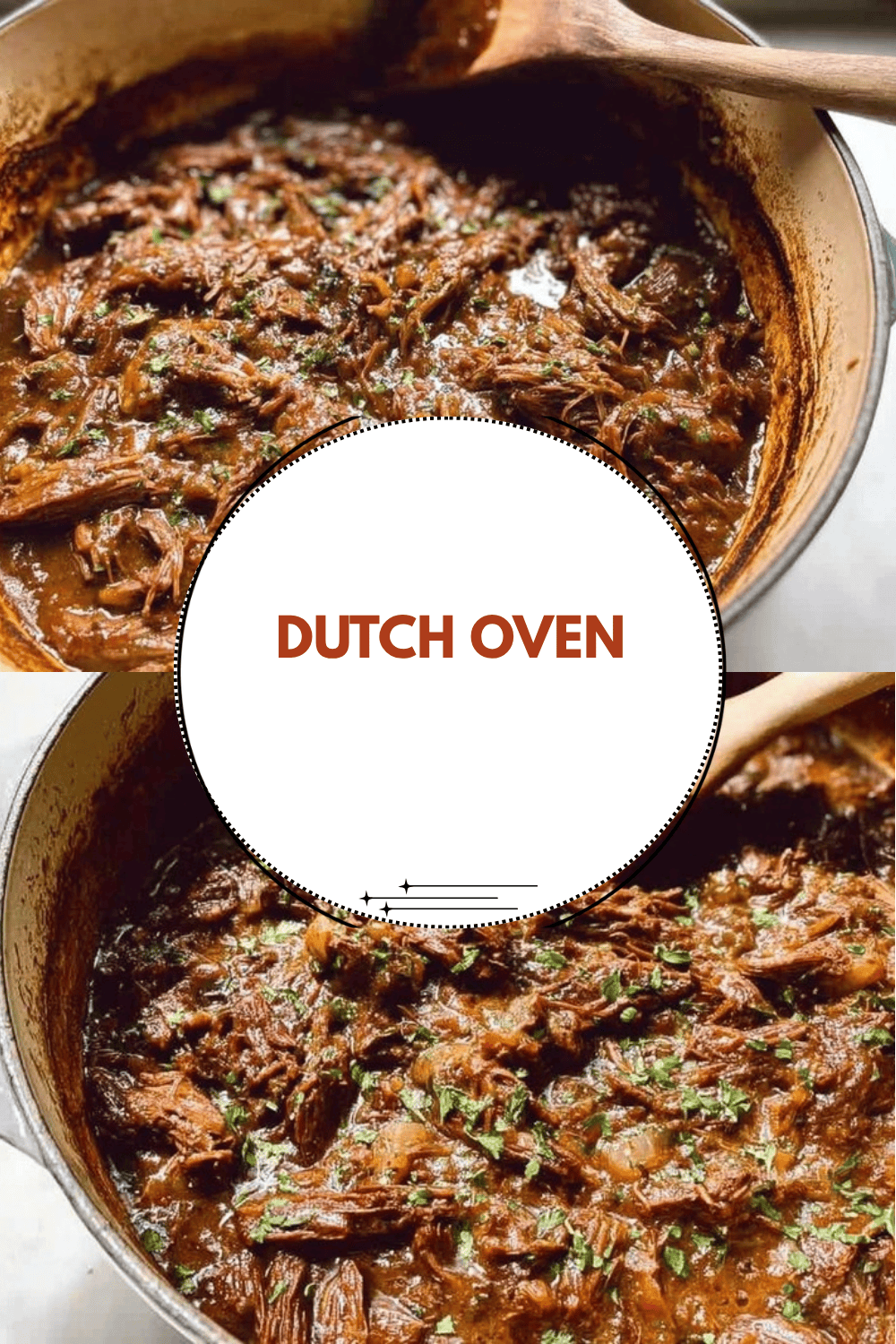
🍲🔥 Master the ultimate one-pot Dutch oven beef stew – tender chunks of beef, hearty veggies simmering in rich broth for comforting home-cooked perfection!
🏪 Shop essential for home cooks: effortless flavor-building in your must-have Dutch oven, family-pleasing meal ready with minimal effort.
Ingredients
– 2 pounds beef chuck for main protein and base flavor
– 4 sliced carrots for sweetness and color
– 3 diced potatoes for hearty texture and fullness
– 1 chopped onion for savory aroma
– 4 cups beef broth for braising liquid
– 2 tablespoons oil for browning fat
– To taste salt and pepper for seasoning
Instructions
1-First Step: Set up the ingredients Cut the beef chuck into cubes, slice the carrots, dice the potatoes, and chop the onion. Measure the broth and keep the oil nearby. This prep step takes about 20 minutes and helps the rest of the cooking move smoothly. If you are cooking for a family, prepare the vegetables in advance so the process stays organized.
2-Second Step: Preheat the Dutch Oven Place the Dutch Oven on the stove over medium heat and add 2 tablespoons of oil. Preheat the pot for even cooking. A warmed pot helps the beef brown better and reduces sticking. This matters in cast iron dutch oven cooking because the metal holds heat well.
3-Third Step: Brown the beef Add the beef cubes to the hot oil and brown them for 5 minutes. Turn the pieces so the outside gets color on several sides. Browning builds flavor and gives the broth a deeper taste later. If the pot looks crowded, brown in batches for better color.
4-Fourth Step: Add vegetables and broth Add the chopped onion, sliced carrots, and diced potatoes to the pot. Pour in 4 cups of beef broth. Stir gently and scrape the bottom so the browned bits mix into the liquid. These bits add flavor and help the stew taste fuller.
5-Fifth Step: Bring to a boil Raise the heat enough to bring the liquid to a boil. Once it bubbles, reduce the heat at once. This change moves the dish from fast heating to slow simmering, which keeps the beef from becoming tough.
6-Sixth Step: Simmer covered for 2 hours Cover the Dutch Oven with its lid and simmer for 2 hours until the beef is tender. Keep the heat low and steady. Stir once or twice during cooking if needed, and check that enough liquid remains. If the broth level drops too far, add a small splash of water or extra broth.
7-Seventh Step: Season and adjust Season with salt and pepper to taste near the end of cooking. Adjust seasoning during cooking if the broth tastes flat. The flavors may need more salt after the beef and vegetables finish simmering. If you want a stronger stew, add a little more black pepper.
8-Eighth Step: Serve hot Spoon the stew into bowls while it is hot. The beef should be easy to break apart with a fork, and the potatoes should be soft but not falling apart. Serve with bread, rice, or a simple side salad. For a similar comfort-food meal, you may also like this hearty goulash recipe from Recipes Isabella.
Notes
🔥 Preheat your Dutch oven before adding oil for perfect searing and even cooking.
🥕 Choose fresh, firm vegetables for superior flavor and texture in the stew.
🍲 Taste midway through simmering to adjust seasonings perfectly.
- Prep Time: 20 minutes
- Cook Time: 2 hours
- Category: Soups & Stews
- Method: Stovetop
- Cuisine: American
Nutrition
- Serving Size: 1 bowl
- Calories: 350 kcal
- Sugar: 5g
- Sodium: 800mg
- Fat: 15g
- Saturated Fat: 5g
- Unsaturated Fat: 9g
- Trans Fat: 0g
- Carbohydrates: 30g
- Fiber: 4g
- Protein: 25g
- Cholesterol: 80mg
Keywords: dutch oven beef stew, home cooks must haves, one pot stew, shop essentials stew