

Why You Will Love This Sugar Free Pineapple Upside Down Cake
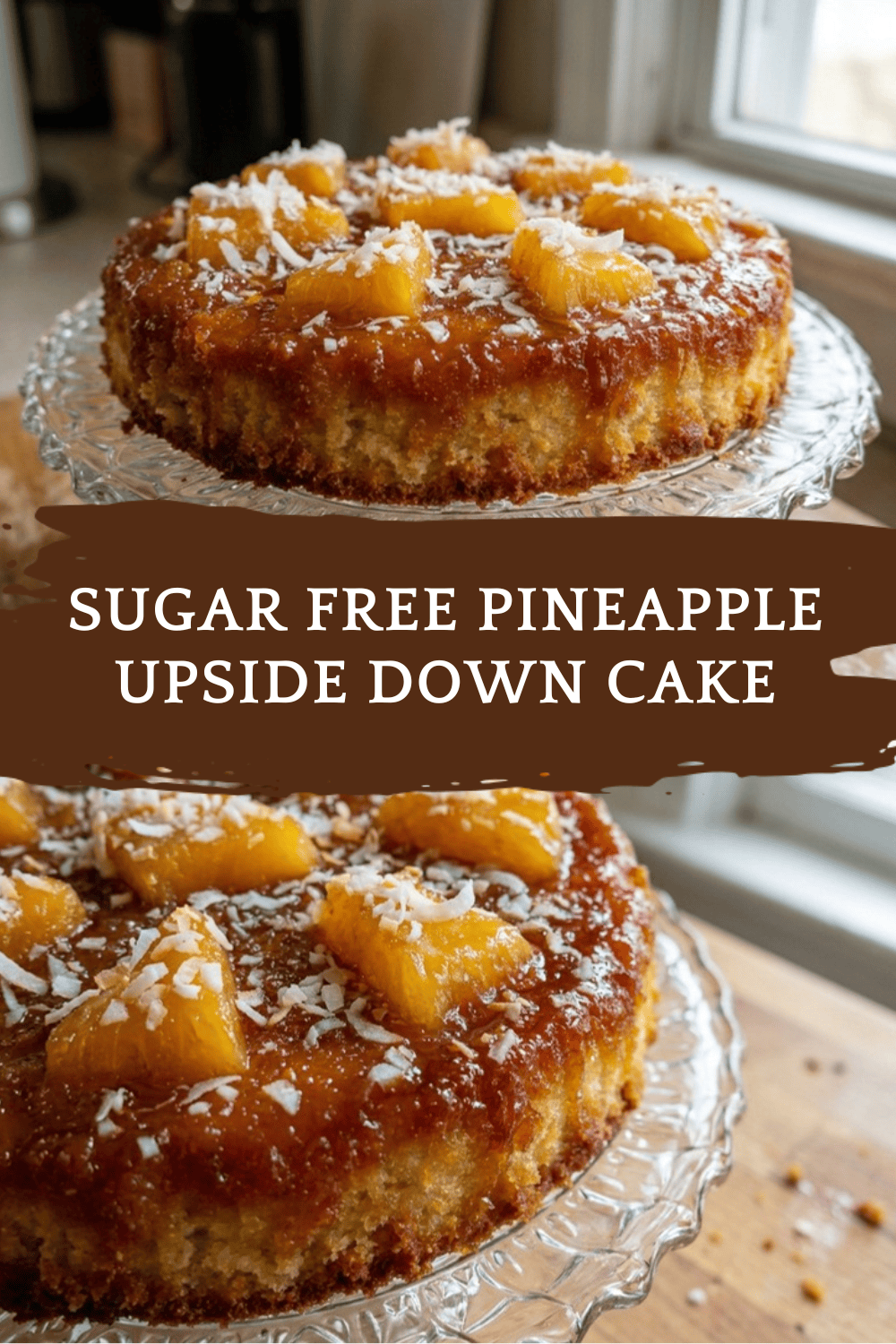
If you are craving a classic dessert that feels cozy, old-fashioned, and easy to share, this Sugar Free Pineapple Upside Down Cake is a great pick. It brings together soft cake, sweet pineapple, and a warm hint of spice, all without relying on regular sugar. That makes it a nice option for home cooks, busy parents, students, and anyone who wants a treat that fits a more diet-conscious lifestyle.
- Easy to make: The batter comes together fast with simple pantry ingredients, and the topping is cooked right in the pan for less fuss.
- More mindful dessert choice: Using sugar substitute and unsweetened pineapple helps keep the recipe friendlier for people watching added sugar.
- Works for different occasions: This cake can be served for family dinners, potlucks, weekend baking, or holiday tables.
- Big flavor in every bite: Pineapple, lemon juice, nutmeg, and cloves give the cake a bright and rich taste that still feels comforting.
This is the kind of dessert that looks special on the table, but still feels simple enough for a regular weeknight bake.
If you enjoy fruit-forward desserts, you may also like this pineapple sunshine cake recipe or pineapple coconut dream cake for more tropical flavor ideas.
Jump To
- 1. Why You Will Love This Sugar Free Pineapple Upside Down Cake
- 2. Essential Ingredients for Sugar Free Pineapple Upside Down Cake
- 3. How to Prepare the Perfect Sugar Free Pineapple Upside Down Cake: Step-by-Step Guide
- 4. Dietary Substitutions to Customize Your Sugar Free Pineapple Upside Down Cake
- 5. Mastering Sugar Free Pineapple Upside Down Cake: Advanced Tips and Variations
- 6. How to Store Sugar Free Pineapple Upside Down Cake: Best Practices
- 7. FAQs: Frequently Asked Questions About Sugar Free Pineapple Upside Down Cake
- 8. Sugar Free Pineapple Upside Down Cake
Essential Ingredients for Sugar Free Pineapple Upside Down Cake
Below is a complete list of ingredients for this Sugar Free Pineapple Upside Down Cake. Every item from the recipe has been included so you can gather everything before you start baking.
Main Ingredients
- 14 ounces unsweetened crushed pineapple in juice, undrained – This gives the cake its fruit flavor and helps create the sticky topping.
- 1/4 cup pecans, optional – Adds crunch and a nutty finish if you like a little texture.
- 2 tablespoons lemon juice – Brightens the flavor and balances the sweetness.
- 1 teaspoon cornstarch – Helps thicken the pineapple topping.
- 1 3/4 teaspoons or 1/4 cup sugar substitute – Sweetens the fruit layer while keeping the recipe sugar free.
- 1 teaspoon additional ingredient, unspecified in source – Included as listed in the original recipe source.
- 4 tablespoons margarine at room temperature – Gives the batter richness and helps create a soft crumb.
- 3 1/3 teaspoons or 1/2 cup sugar substitute – Sweetens the cake base without regular sugar.
- 1 egg – Adds structure and helps bind the batter.
- 1 cup flour – Forms the base of the cake.
- 1 1/2 teaspoons baking powder – Helps the cake rise.
- 1/2 teaspoon baking soda – Works with the buttermilk for lift and tenderness.
- 1/4 teaspoon salt – Balances the sweetness and sharpens flavor.
- 1/4 teaspoon nutmeg – Adds warmth and a classic bakery taste.
- 1/8 teaspoon cloves – Brings a deeper spiced note.
- 1/3 cup buttermilk – Keeps the cake tender and adds a light tang.
Special Dietary Options
Vegan: Replace the egg with a flax egg, use plant-based margarine, and choose a vegan buttermilk swap made with unsweetened plant milk and lemon juice.
Gluten-free: Use a 1 to 1 gluten-free baking flour blend in place of the flour. Check that your baking powder and sugar substitute are certified gluten-free if needed.
Low-calorie: Keep the sugar substitute, use light margarine if it fits your needs, and skip the pecans if you want to lower the calorie count a bit more.
| Ingredient | Role in the Cake | Easy Swap Idea |
|---|---|---|
| Unsweetened pineapple | Creates the fruit layer | Use pineapple tidbits if crushed is not available |
| Sugar substitute | Sweetens without regular sugar | Use your preferred baking-friendly blend |
| Buttermilk | Adds tenderness | Milk plus lemon juice |
| Pecans | Adds crunch | Leave out for a nut-free version |
How to Prepare the Perfect Sugar Free Pineapple Upside Down Cake: Step-by-Step Guide
First Step: Get the pan and oven ready
Start by preheating your oven to 350 degrees Fahrenheit. Choose an 8-inch or 9-inch round cake pan, or a similar baking dish that can hold the fruit topping and batter well. Lightly grease the pan so the cake releases more easily after baking. This step matters because pineapple cakes can stick if the pan is not prepared well.
Next, place the undrained crushed pineapple in a small saucepan. Keep the juice in the can, since that liquid helps build the topping. Add the lemon juice, cornstarch, sugar substitute for the fruit layer, and the unspecified 1 teaspoon ingredient exactly as listed in the recipe source. Stir everything together over medium heat until it begins to thicken slightly. The mixture should look glossy and spoonable, not watery.
Second Step: Build the topping
Once the pineapple mixture starts to thicken, stir in the optional pecans if you want a little crunch. The nuts add a nice contrast to the soft cake beneath. Pour the warm pineapple mixture into the prepared pan and spread it into an even layer. Try to move quickly but carefully so the topping stays nicely distributed.
If the topping seems too thick, let it rest for a minute before pouring. If it seems too thin, cook it just a bit longer, but do not let it dry out. You want enough moisture so the top bakes into a soft, sticky fruit layer. This is what gives Sugar Free Pineapple Upside Down Cake its classic look and flavor.
Third Step: Mix the cake batter
In a medium mixing bowl, cream the room temperature margarine with the larger amount of sugar substitute. Beat them together until the mixture looks smooth and well mixed. Add the egg and mix again until it is fully combined. This helps the batter stay light and even.
In a separate bowl, stir together the flour, baking powder, baking soda, salt, nutmeg, and cloves. The spices are small in amount, but they make a big difference. They give the cake a warm flavor that pairs beautifully with pineapple. When the dry ingredients are mixed well, add them to the margarine mixture in stages, alternating with the buttermilk if needed to help the batter blend smoothly.
Fourth Step: Bring the batter together
Stir only until the batter is smooth and no dry flour remains. Overmixing can make the cake tough, so stop once the ingredients come together. The batter should look thick but spreadable. If it feels too stiff, check that your buttermilk was measured correctly and that the margarine was soft enough at room temperature.
Spoon the batter gently over the pineapple layer in the pan. Spread it out carefully with the back of a spoon or a small spatula. Try not to stir the layers together. The batter should sit over the fruit and bake into a soft cake while the topping settles underneath.
Fifth Step: Bake until golden
Place the pan in the oven and bake for about 30 to 40 minutes, or until the top is golden and a toothpick inserted into the center comes out clean. Oven times can vary a little, so start checking near the 30-minute mark. The cake should spring back lightly when touched in the center.
If the top browns too quickly, you can loosely cover it with foil during the final part of baking. Keep an eye on the edges as well, since sugar substitute and fruit can brown faster than a standard cake. The smell in your kitchen should be warm, fruity, and very inviting by the time it is done.
Final Step: Cool, flip, and serve
Let the cake cool in the pan for about 10 to 15 minutes before turning it out. This resting time helps the fruit topping settle so it does not slide apart when flipped. Run a knife around the edges if needed. Then place a serving plate over the pan and turn it over carefully in one smooth motion.
If any pineapple pieces stay behind in the pan, spoon them back onto the cake. Serve the cake warm or at room temperature. It tastes great on its own, but a small spoonful of whipped topping or a scoop of no sugar added ice cream can make it feel extra special. For another fruit dessert that works well after dinner, you might like this peach cobbler recipe.

Dietary Substitutions to Customize Your Sugar Free Pineapple Upside Down Cake
Protein and Main Component Alternatives
If you need a different version of the base, there are a few easy swaps you can try. For the egg, use a flax egg or another baking egg replacement if you want a vegan dessert. If dairy is a concern, replace the buttermilk with an unsweetened plant milk mixed with lemon juice or vinegar. You can also switch the margarine to a plant-based butter alternative for a fully dairy-free bake.
For the flour, a 1 to 1 gluten-free baking blend usually works well in this recipe. Just make sure the blend is meant for cakes and quick breads. If you use a different flour, the texture may change a little, so a measured gluten-free blend is the safest choice.
Vegetable, Sauce, and Seasoning Modifications
There are also simple changes you can make to the fruit layer and seasoning. If you do not want pecans, leave them out for a smoother topping. If you like more texture, try chopped walnuts instead. You can also increase the cinnamon-like warmth by adding a tiny extra pinch of nutmeg, though the original spice balance is already lovely.
If you want a brighter fruit taste, add a little more lemon juice. For a softer topping, keep the pineapple mixture slightly looser. For a stronger caramel style flavor without sugar, use a richer baking-friendly sugar substitute that browns well. These small changes help you shape the cake around your own taste and pantry needs.
Mastering Sugar Free Pineapple Upside Down Cake: Advanced Tips and Variations
Once you have made this cake once, it becomes easier to adjust it to your style. A few small habits can help you get better results every time.
Pro cooking techniques
- Use room temperature margarine so it mixes smoothly with the sugar substitute.
- Do not overmix the batter after adding the flour. A gentle hand keeps the crumb soft.
- Let the pineapple topping thicken just enough in the pan. If it is too runny, it can soak the cake.
- Cool the cake before flipping so the fruit layer stays in place.
Flavor variations
You can change the flavor in a few easy ways. Add a little vanilla if your unspecified source ingredient is meant to be vanilla. You can also stir in a pinch of cinnamon with the nutmeg and cloves for a deeper spice note. If you want a brighter dessert, use extra lemon zest in the batter or topping.
For a fun twist, pair this cake with a tropical dessert from the site like pineapple heaven cake when you want to serve a dessert table with more pineapple flavor. If you enjoy nutty desserts, the optional pecans give a nice finish, but toasted almonds or walnuts can work too.
Presentation tips
Serve the cake on a round plate or cake stand so the pineapple pattern stands out. A light dusting of cinnamon is optional, though not needed. Fresh mint adds color if you want a more polished look. If you are serving guests, cut clean slices with a sharp knife wiped between cuts.
Make-ahead options
You can cook the pineapple topping earlier in the day and keep it covered until you are ready to bake. You can also mix the dry ingredients ahead of time and store them in a sealed container. That saves time for busy evenings, school nights, and weekend gatherings.
How to Store Sugar Free Pineapple Upside Down Cake: Best Practices
Store leftovers in a covered container once the cake has cooled. Because the fruit topping is moist, refrigeration is usually the best choice if you plan to keep it for more than a few hours. The cake stays nice for several days when chilled.
Refrigeration: Keep slices in an airtight container in the fridge for up to 4 days. Place parchment between slices if you want easier serving later.
Freezing: Wrap individual slices tightly and place them in a freezer-safe container. Freeze for up to 2 months. Thaw in the fridge before reheating.
Reheating: Warm slices in the microwave for a short time or in a low oven until just heated through. Do not overheat, or the cake may dry out.
Meal prep considerations: This recipe works well for make-ahead dessert planning. You can bake it one day before an event, chill it, and bring it back to room temperature before serving.
FAQs: Frequently Asked Questions About Sugar Free Pineapple Upside Down Cake
Print
Sugar Free Pineapple Upside Down Cake
- Total Time: 1 hour 5 minutes
- Yield: 8 servings
- Diet: Vegetarian, Sugar-Free, Diabetic-Friendly
Description
🍍 Revel in tropical pineapple bliss with a moist, tender cake that’s completely sugar-free, using natural fruit sweetness for a healthier indulgence.
🥧 Perfect diabetic-friendly dessert or low-sugar treat, easy to bake from scratch with simple swaps for classic nostalgic comfort without guilt.
Ingredients
– 14 ounces unsweetened crushed pineapple in juice, undrained for fruit flavor and sticky topping
– 1/4 cup pecans, optional for crunch and nutty finish
– 2 tablespoons lemon juice for brightening flavor and balancing sweetness
– 1 teaspoon cornstarch for thickening pineapple topping
– 1 3/4 teaspoons or 1/4 cup sugar substitute for sweetening fruit layer
– 4 tablespoons margarine at room temperature for richness and soft crumb
– 3 1/3 teaspoons or 1/2 cup sugar substitute for sweetening cake base
– 1 egg for structure and binding batter
– 1 cup flour for cake base
– 1 1/2 teaspoons baking powder for rising
– 1/2 teaspoon baking soda for lift and tenderness
– 1/4 teaspoon salt for balancing sweetness and sharpening flavor
– 1/4 teaspoon nutmeg for warmth and bakery taste
– 1/8 teaspoon cloves for deeper spiced note
– 1/3 cup buttermilk for tenderness and light tang
Instructions
1-First Step: Get the pan and oven ready Start by preheating your oven to 350 degrees Fahrenheit. Choose an 8-inch or 9-inch round cake pan, or a similar baking dish that can hold the fruit topping and batter well. Lightly grease the pan so the cake releases more easily after baking. This step matters because pineapple cakes can stick if the pan is not prepared well. Next, place the undrained crushed pineapple in a small saucepan. Keep the juice in the can, since that liquid helps build the topping. Add the lemon juice, cornstarch, sugar substitute for the fruit layer, and the unspecified 1 teaspoon ingredient exactly as listed in the recipe source. Stir everything together over medium heat until it begins to thicken slightly. The mixture should look glossy and spoonable, not watery.
2-Second Step: Build the topping Once the pineapple mixture starts to thicken, stir in the optional pecans if you want a little crunch. The nuts add a nice contrast to the soft cake beneath. Pour the warm pineapple mixture into the prepared pan and spread it into an even layer. Try to move quickly but carefully so the topping stays nicely distributed. If the topping seems too thick, let it rest for a minute before pouring. If it seems too thin, cook it just a bit longer, but do not let it dry out. You want enough moisture so the top bakes into a soft, sticky fruit layer. This is what gives Sugar Free Pineapple Upside Down Cake its classic look and flavor.
3-Third Step: Mix the cake batter In a medium mixing bowl, cream the room temperature margarine with the larger amount of sugar substitute. Beat them together until the mixture looks smooth and well mixed. Add the egg and mix again until it is fully combined. This helps the batter stay light and even. In a separate bowl, stir together the flour, baking powder, baking soda, salt, nutmeg, and cloves. The spices are small in amount, but they make a big difference. They give the cake a warm flavor that pairs beautifully with pineapple. When the dry ingredients are mixed well, add them to the margarine mixture in stages, alternating with the buttermilk if needed to help the batter blend smoothly.
4-Fourth Step: Bring the batter together Stir only until the batter is smooth and no dry flour remains. Overmixing can make the cake tough, so stop once the ingredients come together. The batter should look thick but spreadable. If it feels too stiff, check that your buttermilk was measured correctly and that the margarine was soft enough at room temperature. Spoon the batter gently over the pineapple layer in the pan. Spread it out carefully with the back of a spoon or a small spatula. Try not to stir the layers together. The batter should sit over the fruit and bake into a soft cake while the topping settles underneath.
5-Fifth Step: Bake until golden Place the pan in the oven and bake for about 30 to 40 minutes, or until the top is golden and a toothpick inserted into the center comes out clean. Oven times can vary a little, so start checking near the 30-minute mark. The cake should spring back lightly when touched in the center. If the top browns too quickly, you can loosely cover it with foil during the final part of baking. Keep an eye on the edges as well, since sugar substitute and fruit can brown faster than a standard cake. The smell in your kitchen should be warm, fruity, and very inviting by the time it is done.
6-Final Step: Cool, flip, and serve Let the cake cool in the pan for about 10 to 15 minutes before turning it out. This resting time helps the fruit topping settle so it does not slide apart when flipped. Run a knife around the edges if needed. Then place a serving plate over the pan and turn it over carefully in one smooth motion. If any pineapple pieces stay behind in the pan, spoon them back onto the cake. Serve the cake warm or at room temperature. It tastes great on its own, but a small spoonful of whipped topping or a scoop of no sugar added ice cream can make it feel extra special. For another fruit dessert that works well after dinner, you might like this peach cobbler recipe.
Notes
🍍 Use room temperature ingredients for a smoother batter and even rise.
🥄 Avoid overmixing the batter to keep the cake tender and light.
🔄 Let cool 10 minutes before inverting to ensure the topping sets properly.
- Prep Time: 20 minutes
- Cool: 10 minutes
- Cook Time: 35 minutes
- Category: Dessert
- Method: Oven
- Cuisine: American
Nutrition
- Serving Size: 1 slice
- Calories: 200 kcal
- Sugar: 10g
- Sodium: 250mg
- Fat: 10g
- Saturated Fat: 5g
- Unsaturated Fat: 5g
- Trans Fat: 0g
- Carbohydrates: 22g
- Fiber: 1g
- Protein: 3g
- Cholesterol: 25mg
Keywords: sugar free pineapple upside down cake, diabetic pineapple cake, low sugar dessert, healthy upside down cake