

Why You’ll Love This Shrimp Stir Fry
If you need a fast dinner that still feels fresh, flavorful, and satisfying, this Shrimp Stir Fry is going to be a regular in your kitchen. It comes together in about 15 minutes, uses simple ingredients, and gives you that takeout-style feel without the wait.
- Quick and easy: This shrimp stir fry is built for busy nights. The shrimp cooks in just a few minutes, the vegetables soften fast, and the sauce whisked together in seconds brings everything together with very little effort.
- Bright and nourishing: With shrimp, broccoli, bell peppers, mushrooms, ginger, and green onions, this dish brings a nice mix of protein, fiber, and color. It is a smart choice for anyone wanting a lighter shrimp stir fry recipe that still feels filling.
- Flexible for many diets: You can make this shrimp vegetable stir fry gluten-free with tamari or coconut aminos, lower in sugar with a smaller amount of sweetener, or swap vegetables based on what is in your fridge.
- Big flavor in a short time: Sesame oil, ginger, miso, garlic powder, and soy sauce give this shrimp and broccoli stir fry a deep savory taste that feels much more complex than the short ingredient list suggests.
When dinner needs to happen fast, a good stir fry recipe can save the day without making you feel like you settled for less.
For anyone who likes simple seafood dinners, this shrimp stir fry delivers the kind of weeknight comfort that works for families, students, and working professionals alike. If you enjoy easy seafood meals, you may also like this hoisin salmon noodles recipe for another quick and flavorful dinner idea.
Jump To
- 1. Why You’ll Love This Shrimp Stir Fry
- 2. Essential Ingredients for Shrimp Stir Fry
- 3. How to Prepare the Perfect Shrimp Stir Fry: Step-by-Step Guide
- 4. Dietary Substitutions to Customize Your Shrimp Stir Fry
- 5. Mastering Shrimp Stir Fry: Advanced Tips and Variations
- 6. How to Store Shrimp Stir Fry: Best Practices
- 7. FAQs: Frequently Asked Questions About Shrimp Stir Fry
- 8. Shrimp Stir Fry
Essential Ingredients for Shrimp Stir Fry
This shrimp stir fry recipe uses a short list of fresh ingredients and a simple sauce, which is part of what makes it so practical. Each ingredient has a job to do, from building flavor to adding crunch and color.
Main ingredients
- 3 tablespoons sesame oil: Adds rich, nutty flavor and helps the shrimp and vegetables sear well over high heat.
- 1 pound medium shrimp, deveined and shelled, wild caught if possible: The main protein in this shrimp stir fry, offering a sweet, tender bite that cooks very quickly.
- 1 pound broccoli or broccolini, about 4 cups: Brings crunch, fiber, and fresh flavor. Broccoli is a classic choice in shrimp and broccoli stir fry.
- 2 bell peppers, any color: Add sweetness, color, and a crisp texture that holds up well in the pan.
- 4 ounces shiitake mushrooms, optional: Add a deeper savory flavor and extra texture if you want a more earthy shrimp stir fry with vegetables.
- 2 green onions: Add a mild onion flavor and a fresh finish at the end.
- 1 tablespoon minced fresh ginger: Gives the dish warmth and brightness, which is especially nice in a ginger shrimp stir fry.
Sauce ingredients
- 1/4 cup soy sauce, or tamari or coconut aminos: Forms the salty, savory base of the sauce. Use tamari or coconut aminos for a gluten-free shrimp stir fry.
- 6 tablespoons water: Helps thin the sauce so it coats the shrimp and vegetables without becoming too salty.
- 1 tablespoon rice vinegar: Adds gentle acidity to balance the sweetness and saltiness.
- 2 tablespoons sugar: Brings a little sweetness that rounds out the sauce.
- 1 tablespoon yellow or white miso: Adds a deep, fermented umami flavor that makes this homemade shrimp stir fry sauce taste richer.
- 2 teaspoons cornstarch, or arrowroot powder: Thickens the sauce so it clings nicely to every bite.
- 1/4 teaspoon garlic powder: Adds a mild garlic note without needing fresh garlic.
Special dietary options
- Vegan: Swap shrimp for tofu, tempeh, or extra mushrooms. Use coconut aminos or tamari if needed, and keep the rest of the stir fry sauce plant-based.
- Gluten-free: Use tamari or coconut aminos instead of regular soy sauce, and choose arrowroot powder if you want a cornstarch alternative.
- Low-calorie: Cut the sugar a little, use extra broccoli and peppers, and keep the sesame oil measured carefully for a lighter shrimp stir fry dinner.
If you like learning about the nutrition side of seafood and vegetables, these resources can be helpful: shrimp health benefits from WebMD and broccoli nutrition facts from Healthline.
How to Prepare the Perfect Shrimp Stir Fry: Step-by-Step Guide
This easy shrimp stir fry recipe moves fast, so the best way to keep it stress-free is to prep everything before you turn on the heat. Stir fries depend on quick cooking, and having all your ingredients ready makes the process smooth from start to finish.
First step: Prep the ingredients
Start by patting the shrimp dry with paper towels. This helps them sear instead of steam. Slice the bell peppers into thin strips, cut the broccoli or broccolini into bite-sized pieces if needed, slice the mushrooms, and thinly slice the green onions. Mince the ginger if it is not already prepared.
In a small bowl, whisk together the soy sauce, water, rice vinegar, sugar, miso, cornstarch, and garlic powder until the mixture looks smooth. The sauce should be ready before the shrimp hits the pan, because the cooking goes quickly once you start. If you are cooking for picky eaters, you can keep the vegetables in larger pieces for a milder bite.
Second step: Heat the pan
Set a large skillet or wok over medium-high to high heat. Add 2 tablespoons of the sesame oil and let it warm until it shimmers. A hot pan helps create the best texture for shrimp stir fry, especially if you want the shrimp to stay juicy and the vegetables crisp-tender.
Use a large pan if possible. If your pan is small, cook the shrimp in batches so they are not crowded. Crowding causes steaming, which softens the shrimp too much and keeps the vegetables from browning nicely.
Third step: Cook the shrimp
Add the shrimp in a single layer and cook for about 1 to 2 minutes per side, just until they turn pink and opaque. Remove them from the pan as soon as they are done. Shrimp cooks very fast, and taking it out early keeps it tender.
If you are using frozen shrimp that has been thawed properly, this step works the same way. The key is to avoid overcooking. Medium shrimp are a great size here because they cook evenly and mix well with the vegetables.
Fourth step: Stir fry the vegetables
Add the remaining 1 tablespoon sesame oil to the pan. Toss in the broccoli, bell peppers, shiitake mushrooms if using, and ginger. Stir fry for about 3 to 5 minutes, depending on how tender you like your vegetables. The broccoli should stay bright green, and the peppers should still have a little crunch.
If the pan seems dry, add a splash of water to help the vegetables steam just a little while they cook. This is helpful if you like softer broccoli in your shrimp and vegetable stir fry. Keep stirring so nothing sticks or burns.
Fifth step: Add the sauce
Give the sauce another quick whisk and pour it into the pan. Stir constantly as it bubbles and thickens. The cornstarch or arrowroot powder should thicken the sauce within about 30 seconds to 1 minute. Once the sauce looks glossy, it is ready.
At this point, taste a vegetable or a little sauce if you want to check the balance. If you prefer a sweeter stir fry, the sugar in the sauce already handles that. If you want more brightness, a small splash of rice vinegar can help.
Sixth step: Return the shrimp
Add the shrimp back into the pan and toss everything together until the shrimp and vegetables are coated in sauce. Stir just long enough to warm the shrimp through, about 30 seconds to 1 minute. You want the shrimp hot, but not cooked again for too long.
This is the moment when the shrimp stir fry starts to smell amazing. The ginger, miso, sesame oil, and soy sauce create that classic savory aroma that makes everyone wander into the kitchen asking when dinner is ready.
Final step: Finish and serve
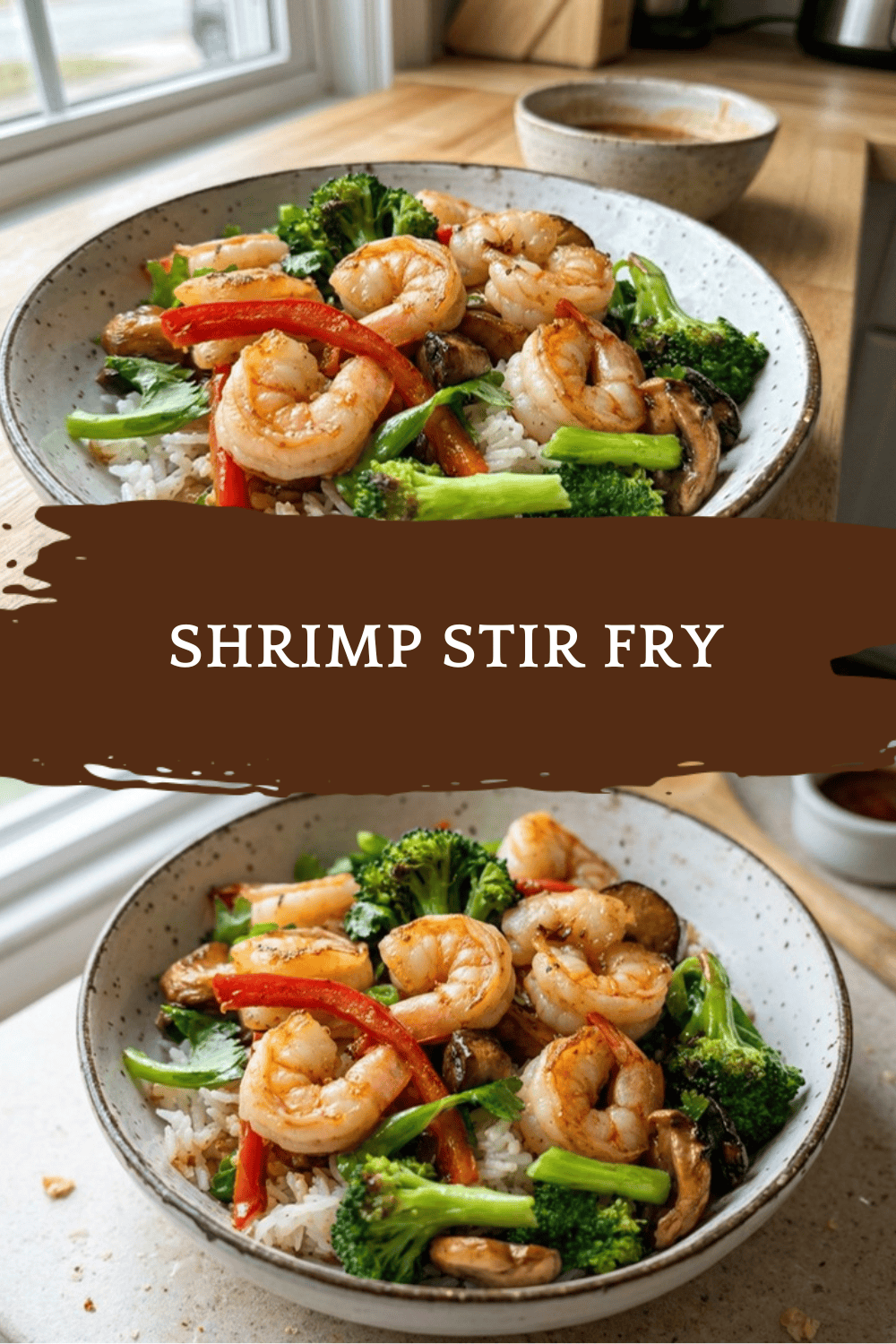
Turn off the heat and sprinkle the sliced green onions over the top. Serve the shrimp stir fry right away while it is hot and glossy. It is great on its own for a lighter meal, but it also pairs well with rice, noodles, or cauliflower rice.
A hot pan, a quick cook, and a simple sauce are the three secrets to a shrimp stir fry that tastes like it took much longer than 15 minutes.
For a full meal, you can serve this dish with simple sides like steamed rice or a vegetable dish such as creamy chicken and broccoli pasta when you are feeding a crowd with different tastes.

Dietary Substitutions to Customize Your Shrimp Stir Fry
Protein and main component alternatives
If shrimp is not available, you can still make a stir fry that keeps the same fast and flexible feel. Thinly sliced chicken breast, tofu, scallops, or even salmon work well in this style of cooking. Just remember that each protein has its own cooking time, so adjust the pan time to avoid dry or undercooked results.
For a vegetarian version, tofu is a solid choice because it soaks up the sauce nicely. Extra shiitake mushrooms and broccoli also help create a hearty texture. If you want a lower-cost option, chicken or tofu can stretch the meal while keeping it satisfying.
Vegetable, sauce, and seasoning modifications
This shrimp stir fry recipe is easy to adapt with what you have. Swap bell peppers for snap peas, carrots, zucchini, bok choy, or green beans. If you want a more colorful pan, use red, yellow, and orange peppers together. Broccolini works especially well if you like a softer, slightly sweeter bite than regular broccoli.
For the sauce, tamari and coconut aminos are both good gluten-free options. If you want less sweetness, reduce the sugar a little. If you like more spice, add red pepper flakes or a small spoonful of chili paste. A squeeze of lime at the end can also brighten the flavor in a fresh way.
Mastering Shrimp Stir Fry: Advanced Tips and Variations
Once you have made shrimp stir fry a few times, a few small tricks can make it even better. These ideas help you get better texture, more balanced flavor, and a prettier final plate.
Pro cooking techniques
Use high heat and keep the ingredients moving. That helps the vegetables stay crisp and the shrimp stay tender. If you want extra browning, leave the shrimp alone for a few seconds before stirring so they can sear on one side. Dry shrimp and a hot pan make a big difference here.
Another helpful trick is to cook the vegetables in order of firmness. Start with broccoli and mushrooms, then add peppers, and finish with green onions. This keeps everything from turning soft all at once. You can also double the sauce if you like extra coating for rice or noodles.
Flavor variations
Try adding a little grated garlic, sesame seeds, or a spoonful of chili garlic sauce for a bolder version. If you enjoy citrus, a little orange zest pairs nicely with the soy and ginger. For a richer flavor, add a small splash of toasted sesame oil right at the end rather than cooking it too long.
Presentation tips
Serve the shrimp stir fry over a bed of rice and top it with green onions or sesame seeds for a clean, finished look. A colorful mix of broccoli and bell peppers makes the plate look bright and inviting. For a family dinner, place it in a large serving bowl so everyone can scoop their own portion.
Make-ahead options
You can chop the vegetables and whisk the sauce up to 2 days ahead. Store them separately in the fridge, then cook everything fresh when you are ready. This is especially useful for busy weeknights, meal prep lunches, or anyone who wants dinner on the table in less than 20 minutes.
How to Store Shrimp Stir Fry: Best Practices
Leftover shrimp stir fry keeps well if you store it the right way. Because shrimp can dry out if reheated too aggressively, a little care goes a long way.
- Refrigeration: Place leftovers in an airtight container and store in the fridge for up to 3 days. Cool the dish first, then refrigerate it within 2 hours.
- Freezing: Freeze in a sealed container or freezer bag for up to 1 month. The vegetables may soften a bit after thawing, but the flavor will still be good.
- Reheating: Warm gently in a skillet over medium heat with a splash of water or broth. You can also microwave it in a covered dish in short intervals, stirring in between.
- Meal prep considerations: For the best texture, store the sauce, shrimp, and vegetables separately when possible. That helps keep the broccoli crisp and the shrimp from getting rubbery.
If you reheat it slowly, this shrimp stir fry can taste almost as good the next day. It also works nicely packed with rice for lunch or paired with noodles for a second meal.
FAQs: Frequently Asked Questions About Shrimp Stir Fry
How do I cook shrimp for stir fry without overcooking it?
Shrimp cooks very quickly in a stir fry, typically 1-2 minutes per side over high heat. Pat the shrimp dry with paper towels first to remove excess moisture for better searing. Heat your wok or skillet until smoking hot, add oil, and toss in the shrimp in a single layer. Cook until they turn pink and opaque, then immediately remove them from the pan. Overcrowding leads to steaming instead of stir-frying, so use a large pan or cook in batches. Return the shrimp at the end to combine with veggies and sauce. This keeps them tender and juicy. Fresh or thawed shrimp works best; aim for medium or large sizes (31-40 or 26-30 per pound) for even cooking. Total stir fry time is about 10-15 minutes. (92 words)
What is the best oil to use for shrimp stir fry?
Choose oils with high smoke points for stir frying shrimp at high heat. Sesame oil is ideal due to its nutty flavor and 410°F smoke point, adding authentic Asian taste. Vegetable oil or canola oil are great neutral alternatives with smoke points around 400-450°F. Peanut oil (450°F) works well too, especially for its mild nutty notes. Avoid olive oil, as its lower smoke point (around 375°F) causes smoking and bitter flavors. Use 1-2 tablespoons per batch. Heat the oil until shimmering before adding ingredients. This prevents burning and ensures crispy results. Pro tip: A mix of sesame and neutral oil balances flavor and performance. (98 words)
Can I use frozen shrimp in shrimp stir fry?
Yes, frozen shrimp works perfectly for stir fry if thawed properly. Place shrimp in a colander under cold running water for 5-10 minutes, or thaw in the fridge overnight. Pat dry thoroughly to avoid excess water that causes steaming. Don’t refreeze after thawing. Raw frozen shrimp cooks just like fresh—1-2 minutes per side until pink and opaque. Pre-cooked frozen shrimp isn’t ideal for stir fry as it toughens quickly; save it for salads. Using frozen shrimp saves time since 80% of shrimp sold is frozen at peak freshness. Devein if needed by slicing along the back. This method yields restaurant-quality results in under 20 minutes total. (102 words)
What vegetables go well in shrimp stir fry?
Classic shrimp stir fry veggies include broccoli florets, bell peppers, snap peas, carrots, and onions for color, crunch, and balance. Add sliced zucchini, mushrooms, or bok choy for variety. Cut into uniform bite-sized pieces for even cooking—about 2-3 minutes per veggie over high heat. Stir fry sturdy ones like carrots and broccoli first, then softer ones like peppers last. Use 4-6 cups total veggies for 1 pound shrimp, serving 4. This combo provides 5-7 grams fiber per serving. Season with garlic, ginger, and soy-based sauce. Experiment with asparagus in spring or green beans year-round. Keeps the dish fresh, nutritious, and ready in 15 minutes. (98 words)
How do I store and reheat shrimp stir fry leftovers?
Store shrimp stir fry in an airtight container in the fridge for up to 3 days. Avoid leaving it out over 2 hours to prevent bacterial growth. For freezing, portion into freezer bags and use within 1 month; thaw overnight in fridge. Reheat gently in a skillet over medium heat with a splash of water or broth to restore moisture—2-3 minutes, stirring often. Microwave in a covered dish for 1-2 minutes on high, stirring halfway. Don’t boil or overheat, as shrimp toughens. Pairs well with rice or noodles. One serving (1/4 recipe) has about 300 calories, 25g protein. Prep sauce and chop veggies ahead for quick weeknight meals. (96 words)

Shrimp Stir Fry
- Total Time: 15 minutes
- Yield: 4 servings
- Diet: Pescatarian
Description
🦐 Whip up a vibrant, protein-packed shrimp stir fry loaded with crisp veggies in a savory sauce, ready in just 15 minutes for guilt-free satisfaction.
🥦 This easy one-pan wonder delivers bold Asian flavors, high nutrition, and minimal cleanup ideal for busy weeknight dinners.
Ingredients
– 3 tablespoons sesame oil
– 1 pound medium shrimp, deveined and shelled, wild caught if possible
– 1 pound broccoli or broccolini, about 4 cups
– 2 bell peppers, any color
– 4 ounces shiitake mushrooms, optional
– 2 green onions
– 1 tablespoon minced fresh ginger
– 1/4 cup soy sauce, or tamari or coconut aminos
– 6 tablespoons water
– 1 tablespoon rice vinegar
– 2 tablespoons sugar
– 1 tablespoon yellow or white miso
– 2 teaspoons cornstarch, or arrowroot powder
– 1/4 teaspoon garlic powder
Instructions
1-First step: Prep the ingredients Start by patting the shrimp dry with paper towels. This helps them sear instead of steam. Slice the bell peppers into thin strips, cut the broccoli or broccolini into bite-sized pieces if needed, slice the mushrooms, and thinly slice the green onions. Mince the ginger if it is not already prepared. In a small bowl, whisk together the soy sauce, water, rice vinegar, sugar, miso, cornstarch, and garlic powder until the mixture looks smooth. The sauce should be ready before the shrimp hits the pan, because the cooking goes quickly once you start. If you are cooking for picky eaters, you can keep the vegetables in larger pieces for a milder bite.
2-Second step: Heat the pan Set a large skillet or wok over medium-high to high heat. Add 2 tablespoons of the sesame oil and let it warm until it shimmers. A hot pan helps create the best texture for shrimp stir fry, especially if you want the shrimp to stay juicy and the vegetables crisp-tender. Use a large pan if possible. If your pan is small, cook the shrimp in batches so they are not crowded. Crowding causes steaming, which softens the shrimp too much and keeps the vegetables from browning nicely.
3-Third step: Cook the shrimp Add the shrimp in a single layer and cook for about 1 to 2 minutes per side, just until they turn pink and opaque. Remove them from the pan as soon as they are done. Shrimp cooks very fast, and taking it out early keeps it tender. If you are using frozen shrimp that has been thawed properly, this step works the same way. The key is to avoid overcooking. Medium shrimp are a great size here because they cook evenly and mix well with the vegetables.
4-Fourth step: Stir fry the vegetables Add the remaining 1 tablespoon sesame oil to the pan. Toss in the broccoli, bell peppers, shiitake mushrooms if using, and ginger. Stir fry for about 3 to 5 minutes, depending on how tender you like your vegetables. The broccoli should stay bright green, and the peppers should still have a little crunch. If the pan seems dry, add a splash of water to help the vegetables steam just a little while they cook. This is helpful if you like softer broccoli in your shrimp and vegetable stir fry. Keep stirring so nothing sticks or burns.
5-Fifth step: Add the sauce Give the sauce another quick whisk and pour it into the pan. Stir constantly as it bubbles and thickens. The cornstarch or arrowroot powder should thicken the sauce within about 30 seconds to 1 minute. Once the sauce looks glossy, it is ready. At this point, taste a vegetable or a little sauce if you want to check the balance. If you prefer a sweeter stir fry, the sugar in the sauce already handles that. If you want more brightness, a small splash of rice vinegar can help.
6-Sixth step: Return the shrimp Add the shrimp back into the pan and toss everything together until the shrimp and vegetables are coated in sauce. Stir just long enough to warm the shrimp through, about 30 seconds to 1 minute. You want the shrimp hot, but not cooked again for too long. This is the moment when the shrimp stir fry starts to smell amazing. The ginger, miso, sesame oil, and soy sauce create that classic savory aroma that makes everyone wander into the kitchen asking when dinner is ready.
7-Final step: Finish and serve Turn off the heat and sprinkle the sliced green onions over the top. Serve the shrimp stir fry right away while it is hot and glossy. It is great on its own for a lighter meal, but it also pairs well with rice, noodles, or cauliflower rice.
Notes
⚡ Prep all ingredients (mise en place) before heating the pan for seamless 15-minute cooking.
🔥 Use high heat and don’t overcrowd the wok to achieve perfect sear without steaming.
🌿 Swap soy for tamari or coconut aminos for gluten-free or low-sodium options.
- Prep Time: 5 minutes
- Cook Time: 10 minutes
- Category: Main Dishes
- Method: Stir-fry
- Cuisine: Asian
Nutrition
- Serving Size: 1/4 of recipe
- Calories: 320 kcal
- Sugar: 8 g
- Sodium: 1200 mg
- Fat: 12 g
- Saturated Fat: 2 g
- Unsaturated Fat: 10 g
- Trans Fat: 0 g
- Carbohydrates: 25 g
- Fiber: 5 g
- Protein: 28 g
- Cholesterol: 220 mg
Keywords: easy 15 minute shrimp stir fry, quick shrimp stir fry, shrimp veggie stir fry, fast asian shrimp recipe