

Why You’ll Love Cuban Sandwiches
Cuban sandwiches are a practical choice for home cooks who want a hot meal with little preparation. The sandwich comes together in about 10 to 15 minutes, and the method is simple enough for busy parents, students, and working professionals. With sliced bread, mustard, meats, cheese, and a quick press in a skillet or panini press, the process stays direct and manageable.
- Easy preparation: Cuban sandwiches need only quick assembly and a brief press, which makes them suitable for weeknight cooking or fast lunches.
- Protein-rich meal: Ham and roast pork provide substantial protein, making Cuban sandwiches filling and useful for readers who want a satisfying main dish.
- Flexible variations: The sandwich can be made in a traditional South Florida style, a Tampa-style version with salami, or a Key West variation with lettuce, tomatoes, and mayonnaise.
- Distinctive flavor and texture: The crisp Cuban bread, melted Swiss cheese, sharp mustard, and dill pickles create a combination that is salty, tangy, and rich at the same time.
The dish also has strong appeal for travelers and food enthusiasts because it carries a clear regional identity. It appears in several Florida food traditions, and its layered structure makes it easy to recognize. For readers who like sandwiches with a crisp crust and melted interior, Cuban sandwiches stand out as a dependable classic.
For best results, press the sandwich long enough for the bread to turn golden and the cheese to melt fully, but not so long that the filling dries out.
Readers who enjoy other hearty, practical recipes may also like the recipe collection at Recipes Isabella, where everyday cooking ideas are presented in a simple format.
Jump To
- 1. Why You’ll Love Cuban Sandwiches
- 2. Essential Ingredients for Cuban Sandwiches
- 3. How to Prepare the Perfect Cuban Sandwiches: Step-by-Step Guide
- 4. Dietary Substitutions to Customize Your Cuban Sandwiches
- 5. Mastering Cuban Sandwiches: Advanced Tips and Variations
- 6. How to Store Cuban Sandwiches: Best Practices
- 7. FAQs: Frequently Asked Questions About Cuban Sandwiches
- 8. Cuban Sandwiches
Essential Ingredients for Cuban Sandwiches
The ingredient list below covers the classic Cuban sandwich recipe for 1 large sandwich or 2 servings. Each item is listed with its exact measurement so the recipe stays accurate and easy to follow.
- 1 loaf Cuban bread, 8 to 12 inches long, sliced horizontally in half – This bread provides the crisp crust and light interior that define Cuban sandwiches.
- 2 to 4 tablespoons yellow mustard, spread generously – Mustard adds sharpness and balances the richness of the meats and cheese.
- 4 to 6 ounces ham, thinly sliced – Ham gives the sandwich a salty, savory base.
- 4 to 6 ounces roast pork, thinly sliced – Roast pork supplies the main meaty flavor and helps make the sandwich filling.
- 4 ounces Swiss cheese, about 4 slices – Swiss cheese melts smoothly and binds the layers together.
- 4 to 6 slices dill pickles – Pickles add acidity and crunch.
- 2 to 4 ounces salami, thinly sliced – Salami is optional and belongs to the Tampa-style variation.
- 1/2 cup shredded lettuce – Optional for the Key West variation, adding freshness and texture.
- 2 to 3 slices tomatoes – Optional for the Key West variation, adding moisture and brightness.
- 1 to 2 tablespoons mayonnaise – Optional for the Key West variation, giving a creamy finish.
- Butter or olive oil, for lightly brushing the bread exterior – This helps the bread crisp evenly during pressing.
Special dietary options
- Vegan: Use plant-based deli slices, vegan cheese, vegan butter, and mustard on vegan Cuban-style bread if available.
- Gluten-free: Choose gluten-free sandwich bread with a sturdy crust, since soft bread may compress too much during pressing.
- Low-calorie: Reduce the cheese and meat portions, use a lighter hand with butter or oil, and add extra pickles or lettuce for volume.
Nutrition data for Cuban sandwiches can help readers compare portion sizes and make informed choices.
How to Prepare the Perfect Cuban Sandwiches: Step-by-Step Guide
Cuban sandwiches are straightforward to assemble, but the order of the layers and the heat level matter. A good result depends on even spreading, balanced filling, and firm pressing. The method below follows the classic style while noting how readers can adjust the sandwich for different preferences.
First step: Prepare the bread and fillings
Slice the Cuban bread horizontally into two halves if it is not already cut. Set out the ham, roast pork, Swiss cheese, dill pickles, mustard, and optional salami. If you are making the Key West variation, also prepare the lettuce, tomatoes, and mayonnaise. Having everything ready before heating helps the sandwich assemble quickly and evenly.
Second step: Spread the mustard
Spread yellow mustard evenly on both inner sides of the bread. Use about 2 to 4 tablespoons total, or enough to coat the surface generously without soaking the bread. Mustard is a defining part of Cuban sandwiches, and its sharp flavor balances the pork and cheese.
Third step: Layer the meats and cheese
Place the ham on the bottom half of the bread in an even layer. Add the roast pork over the ham, then place the Swiss cheese on top. If you are making the Tampa-style variation, add the salami at this stage as well. The goal is to stack the fillings so the cheese melts into the meats and holds the sandwich together after pressing.
Fourth step: Add the pickles and close the sandwich
Top the layers with 4 to 6 dill pickle slices. The pickles should be spread out so each bite gets some acidity. Close the sandwich with the top half of the bread and press down lightly by hand to settle the layers before cooking.
Fifth step: Brush the outside of the bread
Brush or lightly butter the outer bread surfaces with butter or olive oil. This step helps the crust become crisp and golden. Use a light coating rather than a heavy one, because too much fat can make the bread greasy instead of crisp.
Sixth step: Heat and press the sandwich
Heat a plancha, panini press, or hot skillet over medium heat. Place the sandwich in the press or skillet and add a weight on top if needed. Cook for 5 to 10 minutes, flipping once if you are using a skillet, until the bread is golden and crisp and the cheese has fully melted. The exact time depends on bread thickness and the strength of the heat, so watch the surface closely.
Seventh step: Slice and serve
Remove the sandwich from the heat and let it rest for about 1 minute before slicing. Cut it diagonally into halves and serve hot. Cuban sandwiches are best eaten immediately while the crust is crisp and the interior remains hot and melty. If you are serving the Key West version, add the lettuce, tomatoes, and mayonnaise before closing the sandwich, but keep in mind that extra moisture may soften the bread slightly.
Press evenly across the whole sandwich. Uneven pressure can leave one side pale while the other side becomes too dark.
Preparation time: 10 to 15 minutes total, including quick assembly and pressing.
| Method | Heat Level | Cook Time | Result |
|---|---|---|---|
| Plancha | Medium | 5 to 10 minutes | Even browning and crisp crust |
| Panini press | Medium | 5 to 8 minutes | Fast pressing with melted cheese |
| Hot skillet with weight | Medium | 5 to 10 minutes | Classic pressed texture with more control |

Dietary Substitutions to Customize Your Cuban Sandwiches
Protein and main component alternatives
Traditional Cuban sandwiches use ham, roast pork, Swiss cheese, and sometimes salami. For readers who need substitutions, several options work well while keeping the pressed sandwich format intact. Turkey can replace ham for a lighter result, while sliced chicken can replace pork for a milder flavor. Plant-based deli slices and vegan cheese are suitable for a meat-free version, especially when combined with mustard and pickles for contrast.
For gluten-free readers, the main challenge is finding bread that holds up under pressure. A gluten-free roll or sandwich loaf with a firm crust works best. Very soft gluten-free bread may collapse in the press, so slightly denser bread is usually better. If a reader wants a lower-fat sandwich, reducing the cheese portion and using less butter or olive oil on the outside will help.
Vegetable, sauce, and seasoning modifications
The classic filling depends on mustard and pickles, but vegetable additions can change the character of Cuban sandwiches in useful ways. The Key West variation uses shredded lettuce, sliced tomatoes, and mayonnaise for a fresher profile. This version works well for readers who prefer a lighter sandwich with more moisture and a softer bite.
For a more traditional South Florida style, skip the salami and keep the sandwich focused on ham, pork, Swiss cheese, and pickles. For the Tampa-style version, include salami for a stronger, saltier flavor. If sodium reduction is a priority, use a smaller amount of salami or leave it out entirely. A few readers may also prefer a mild aioli instead of mayonnaise, but mustard should remain prominent because it is central to the flavor profile of Cuban sandwiches.
Mastering Cuban Sandwiches: Advanced Tips and Variations
Small technical choices make a noticeable difference in Cuban sandwiches. The bread should be fresh, with a crisp crust and a light interior. Stale bread may crack during pressing, while overly soft bread may turn soggy. If possible, use authentic Cuban bread rather than a generic white loaf, since the structure is part of the finished texture.
One important technique is to distribute the filling evenly. Thinly sliced ham and roast pork press more cleanly than thick slices. The cheese should sit close to the warm meats so it melts into the layers as the sandwich cooks. A heavy, even press helps create the compact shape associated with the sandwich.
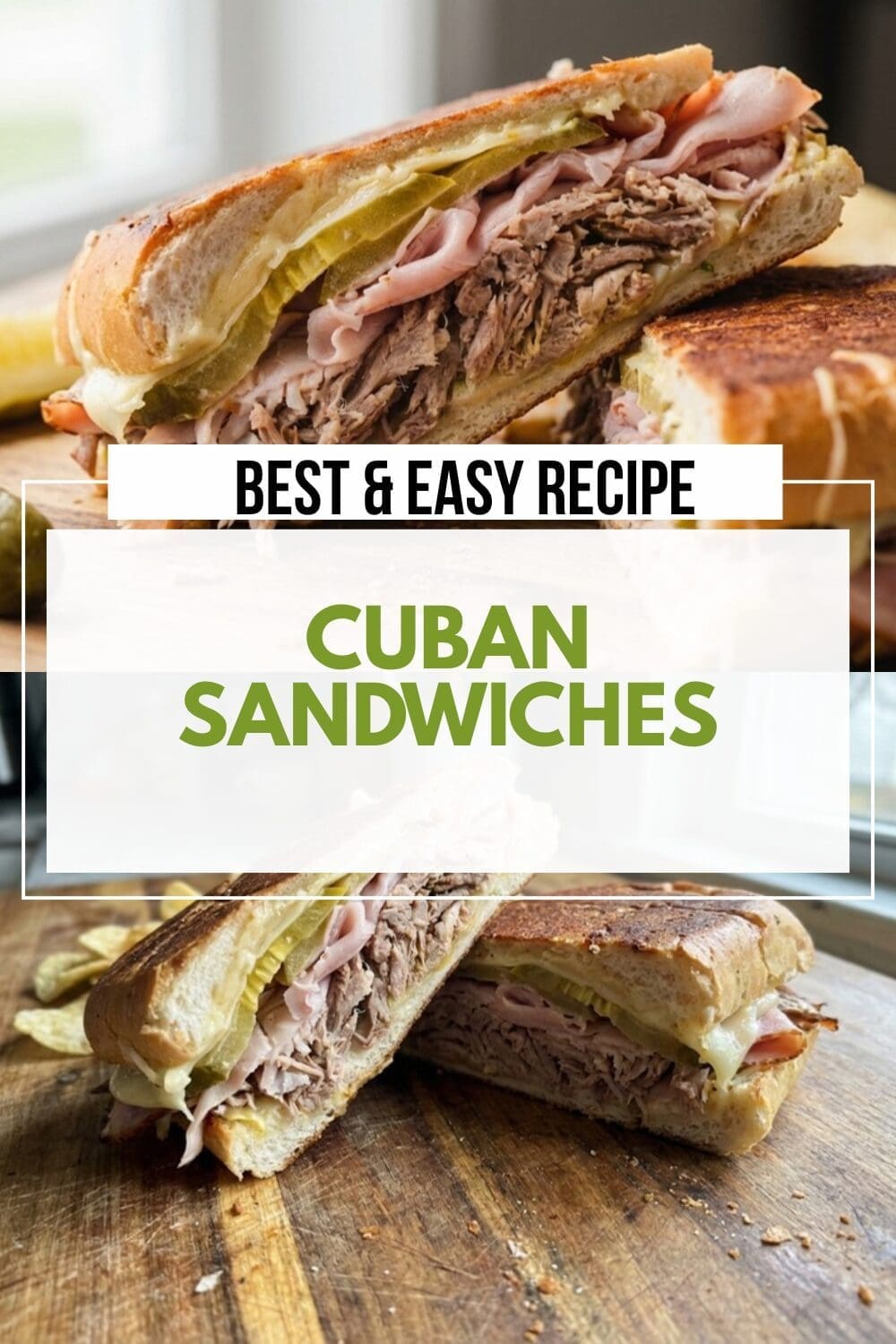
For presentation, serve the sandwich whole on a cutting board and slice it diagonally just before eating. The cross section shows the layered meats, melted cheese, and pickles clearly. A small pile of extra pickles on the side is common and fits the flavor profile. Busy readers can also prepare the meats ahead of time and store them in the refrigerator, then assemble and press the sandwich right before serving.
Flavor variations are straightforward. The Tampa-style version includes salami. The Key West variation adds lettuce, tomatoes, and mayonnaise. These changes alter the sandwich without changing its core structure. Readers who like practical sandwich recipes may also enjoy a simple pasta salad for a complete meal alongside this pressed sandwich.
How to Store Cuban Sandwiches: Best Practices
Cuban sandwiches are best eaten fresh, but leftovers can be stored if needed. For refrigeration, wrap the sandwich tightly in foil or place it in an airtight container and store it for up to 2 days. The bread will soften, but the flavor will remain acceptable if the sandwich is reheated carefully.
Freezing is possible, though the texture will change. Wrap the assembled but unpressed sandwich tightly in plastic wrap and foil, then freeze it for up to 1 month. Thaw it in the refrigerator before pressing. This method works better than freezing a fully cooked sandwich, since reheating can make the crust too dry.
For reheating, a skillet, oven, or sandwich press works better than a microwave. Heat the sandwich over medium heat until the bread crisps and the filling warms through. If the sandwich was refrigerated, a light brush of butter or oil on the outside can help restore some of the crust. For meal prep, keep the ingredients separate and assemble only what you plan to eat that day.
FAQs: Frequently Asked Questions About Cuban Sandwiches
Print
Cuban Sandwiches
- Total Time: 15-20 minutes
- Yield: 1 large sandwich (2 servings)
- Diet: Omnivore
Description
🥪 Savor the perfect blend of crispy bread and melted cheese in this classic Cuban sandwich, delivering irresistible crunch and flavor in every bite!
🍖 Packed with juicy ham, tender roast pork, and tangy pickles, it’s a hearty, satisfying meal that’s quick to make and impossible to resist!
Ingredients
– 1 loaf Cuban bread, 8 to 12 inches long, sliced horizontally in half
– 2 to 4 tablespoons yellow mustard, spread generously
– 4 to 6 ounces ham, thinly sliced
– 4 to 6 ounces roast pork, thinly sliced
– 4 ounces Swiss cheese, about 4 slices
– 4 to 6 slices dill pickles
– 2 to 4 ounces salami, thinly sliced
– 1/2 cup shredded lettuce
– 2 to 3 slices tomatoes
– 1 to 2 tablespoons mayonnaise
– Butter or olive oil, for lightly brushing the bread exterior
Instructions
1-First step: Prepare the bread and fillings Slice the Cuban bread horizontally into two halves if it is not already cut. Set out the ham, roast pork, Swiss cheese, dill pickles, mustard, and optional salami. If you are making the Key West variation, also prepare the lettuce, tomatoes, and mayonnaise. Having everything ready before heating helps the sandwich assemble quickly and evenly.
2-Second step: Spread the mustard Spread yellow mustard evenly on both inner sides of the bread. Use about 2 to 4 tablespoons total, or enough to coat the surface generously without soaking the bread. Mustard is a defining part of Cuban sandwiches, and its sharp flavor balances the pork and cheese.
3-Third step: Layer the meats and cheese Place the ham on the bottom half of the bread in an even layer. Add the roast pork over the ham, then place the Swiss cheese on top. If you are making the Tampa-style variation, add the salami at this stage as well. The goal is to stack the fillings so the cheese melts into the meats and holds the sandwich together after pressing.
4-Fourth step: Add the pickles and close the sandwich Top the layers with 4 to 6 dill pickle slices. The pickles should be spread out so each bite gets some acidity. Close the sandwich with the top half of the bread and press down lightly by hand to settle the layers before cooking.
5-Fifth step: Brush the outside of the bread Brush or lightly butter the outer bread surfaces with butter or olive oil. This step helps the crust become crisp and golden. Use a light coating rather than a heavy one, because too much fat can make the bread greasy instead of crisp.
6-Sixth step: Heat and press the sandwich Heat a plancha, panini press, or hot skillet over medium heat. Place the sandwich in the press or skillet and add a weight on top if needed. Cook for 5 to 10 minutes, flipping once if you are using a skillet, until the bread is golden and crisp and the cheese has fully melted. The exact time depends on bread thickness and the strength of the heat, so watch the surface closely.
7-Seventh step: Slice and serve Remove the sandwich from the heat and let it rest for about 1 minute before slicing. Cut it diagonally into halves and serve hot. Cuban sandwiches are best eaten immediately while the crust is crisp and the interior remains hot and melty. If you are serving the Key West version, add the lettuce, tomatoes, and mayonnaise before closing the sandwich, but keep in mind that extra moisture may soften the bread slightly.
Notes
🥖 Use authentic fresh Cuban bread with a crisp crust for the best texture and flavor.
🎯 Press the sandwich evenly to achieve uniform crispiness and perfectly melted cheese.
⚡ Serve immediately to enjoy the optimal crispy exterior and gooey interior.
- Prep Time: 10 minutes
- Cook Time: 5-10 minutes
- Category: Sandwich
- Method: Pressed
- Cuisine: Cuban
Nutrition
- Serving Size: 1/2 sandwich
- Calories: 800-1200 kcal per sandwich
- Sugar: 5g
- Sodium: 2500mg
- Fat: 45g
- Saturated Fat: 18g
- Unsaturated Fat: 20g
- Trans Fat: 1g
- Carbohydrates: 70g
- Fiber: 4g
- Protein: 40g
- Cholesterol: 120mg
Keywords: Cuban sandwich, pressed sandwich, crispy sandwich, classic Cuban