
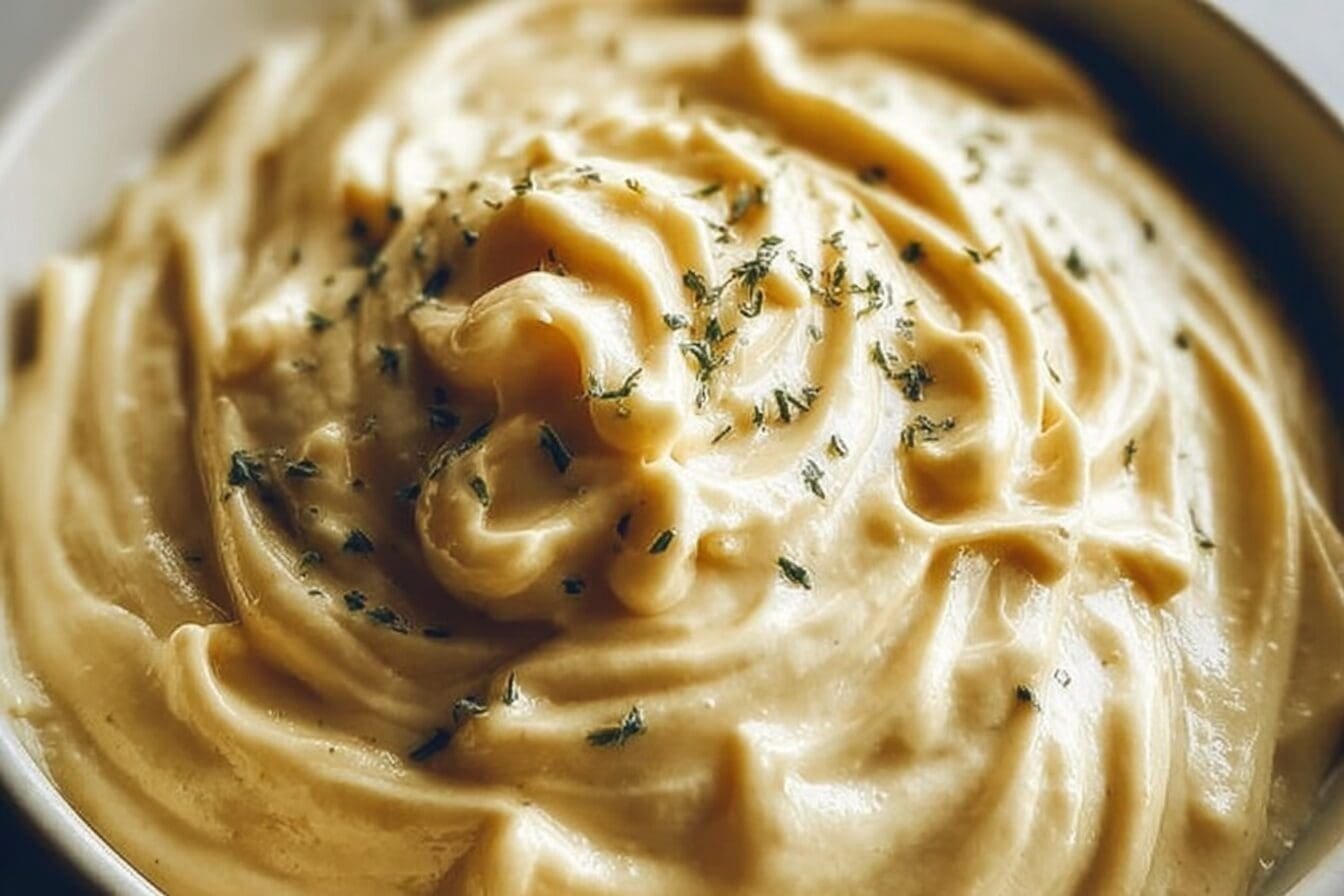
Why You’ll Love This Vegan Cashew Cheese Sauce
If you’re looking for a dairy-free cheese alternative that doesn’t compromise on flavor or texture, you’ve come to the right place. This vegan cashew cheese sauce recipe is simple and quick to make, requiring just a few ingredients and minimal cooking time, perfect for busy lifestyles or last-minute meals. Whether you’re vegan, lactose intolerant, or just curious about plant-based options, this sauce will quickly become a staple in your kitchen.
Health Benefits of Cashew Cheese
Packed with wholesome cashews, this sauce offers essential nutrients like healthy fats, protein, and vitamins while being free from dairy and cholesterol, contributing to overall wellness. Cashews are rich in heart-healthy monounsaturated fats, magnesium, and copper. According to health experts, incorporating nuts like cashews into your diet can support cardiovascular health and provide sustained energy throughout the day.
“Cashews are not only delicious but also packed with nutrients that support heart health and provide a rich, creamy texture perfect for dairy-free cheese alternatives.”
Versatility in the Kitchen
Adaptable to various dietary needs, this dairy-free, gluten-free, and plant-based sauce can easily complement a wide range of dishes, from pastas to dips. The rich, creamy texture combined with a subtle nutty taste and savory seasoning makes this cashew cheese sauce stand out as a delicious alternative to traditional cheese sauces. If you’re looking for more easy vegan cheese sauce recipes, this recipe is a perfect starting point that will inspire you to explore more plant-based options.
Jump To
- 1. Why You’ll Love This Vegan Cashew Cheese Sauce
- 2. Essential Ingredients for Vegan Cashew Cheese Sauce
- 3. How to Prepare the Perfect Vegan Cashew Cheese Sauce: Step-by-Step Guide
- 4. Dietary Substitutions to Customize Your Vegan Cashew Cheese Sauce
- 5. Mastering Vegan Cashew Cheese Sauce: Advanced Tips and Variations
- 6. Nutritional Information for Vegan Cashew Cheese Sauce
- 7. How to Store Vegan Cashew Cheese Sauce: Best Practices
- 8. FAQs: Frequently Asked Questions About Vegan Cashew Cheese Sauce
- 9. Vegan Cashew Cheese Sauce
Essential Ingredients for Vegan Cashew Cheese Sauce
Creating the perfect vegan cheese sauce starts with quality ingredients. Each component plays a crucial role in achieving that velvety consistency and authentic cheese flavor. Below is the complete ingredient list you’ll need to create this dairy-free masterpiece:
- 1 1/2 cups raw cashews
- 3/4 cup water
- 1 medium jalapeño pepper (stem removed)
- 2 tablespoons fresh lemon or lime juice
- 1/4 cup nutritional yeast
- 1/2 teaspoon garlic powder
- 1/2 teaspoon onion powder
- 1/2 teaspoon turmeric
- 1/2 teaspoon salt
- 1/4 teaspoon ground black pepper
Understanding Key Ingredients
Raw cashews form the creamy base of this sauce, providing rich texture and healthy fats. When soaked and blended, they transform into a smooth consistency remarkably similar to dairy-based cheese sauces. Nutritional yeast is the secret ingredient that delivers the cheesy, savory flavor profile, while garlic and onion powders add depth and complexity. The jalapeño adds just enough kick to make things interesting without overwhelming the palate.
Turmeric serves a dual purpose here: it provides a beautiful golden hue similar to traditional cheese sauce and offers anti-inflammatory properties. The citrus juice from lemon or lime adds brightness that balances the richness of the cashews, while salt and pepper enhance all the flavors to create a well-rounded sauce.
| Ingredient | Role in Recipe | Substitution Options |
|---|---|---|
| Raw Cashews | Creamy base | Macadamia nuts, sunflower seeds |
| Nutritional Yeast | Cheesy flavor | Miso paste |
| Jalapeño | Spice element | Serrano pepper, red pepper flakes |
How to Prepare the Perfect Vegan Cashew Cheese Sauce: Step-by-Step Guide
Making your own vegan cheese sauce might sound intimidating, but I promise you it’s easier than you think. With just a few simple steps, you’ll have a creamy, delicious sauce ready to pour over pasta, nachos, or use as a dip. Let’s walk through the process together.
Preparing Your Cashews
First, soak the cashews in boiling water for 5 minutes up to an hour, then drain and discard the soaking water. This step is crucial for achieving a smooth, creamy texture. The hot water softens the nuts, making them easier to blend thoroughly. If you’re using a regular blender instead of a high-powered one, you’ll want to soak the cashews for the full hour (or even overnight in cool water) to ensure they blend completely smooth.
Blending to Perfection
Once your cashews are softened, it’s time to blend. Add the soaked cashews to a high-powered blender along with 3/4 cup fresh water, the jalapeño (stem removed), lemon or lime juice, nutritional yeast, garlic powder, onion powder, turmeric, salt, and black pepper. Blend on high until very smooth and thick, scraping the sides as needed. This process may take a few minutes, so be patient and keep blending until you reach that silky consistency.
If your sauce is too thick for your liking, adjust the consistency by adding more water a tablespoon at a time until desired thickness is achieved. Taste the sauce and season with additional salt or lemon juice if necessary. Remember, you can always add more seasoning, but you can’t take it away, so start with the recommended amounts and adjust to your taste.
Using Your Cashew Cheese Sauce
The beauty of this sauce is its versatility in serving methods. For pasta, toss the sauce with warm cooked noodles without heating. The residual heat from the pasta will warm the sauce perfectly without compromising its texture. This method works beautifully with any pasta shape, from spirals to penne to linguine. Check out our delicious pasta salad recipe for a cold dish option that pairs wonderfully with this sauce.
For a dip or nachos, warm the sauce in a saucepan over medium heat while whisking until thick and warm. Heating thickens the sauce and improves texture when used as a dip or on nachos. This makes it perfect for movie nights, parties, or anytime you’re craving a cheesy comfort food. It also works great as a sauce for Mexican-inspired dishes, adding a creamy element that complements the bold flavors.

Dietary Substitutions to Customize Your Vegan Cashew Cheese Sauce
One of the wonderful things about this recipe is its adaptability to various dietary needs and flavor preferences. Whether you’re dealing with allergies or simply want to experiment with different tastes, there are plenty of ways to customize this sauce to make it your own.
Protein and Main Component Alternatives
While cashews create the ideal creamy texture for this sauce, you can replace them with other nuts or seeds for different nutritional profiles or to accommodate allergies. Macadamia nuts make an excellent substitution, offering an even creamier texture with a slightly milder flavor. For a completely nut-free version, sunflower seeds work surprisingly well, creating a lighter sauce that’s still satisfyingly creamy.
For a lower-fat option with added protein, you can substitute part of the cashews with silken tofu. This creates a smoother texture while reducing the overall fat content of the sauce. When using tofu, you may need to adjust the liquid quantities slightly to maintain the right consistency.
Vegetable, Sauce, and Seasoning Modifications
Don’t be afraid to get creative with flavor additions. Roasted red peppers add a lovely sweetness and vibrant color, while sun-dried tomatoes contribute depth and an Italian-inspired profile. You can also add fresh herbs like basil, chives, or cilantro for brightness and color.
If you prefer a different type of heat, the jalapeño can be replaced with other peppers. Serrano peppers will pack more punch for spice lovers, while milder options like poblano peppers will reduce the heat while still adding flavor. For a smoky element without added peppers, try incorporating smoked paprika or a touch of liquid smoke.
For those who don’t consume nutritional yeast, miso paste can provide a similar umami quality, though it will slightly alter the flavor profile. White miso works best as it has a milder, sweeter taste that won’t overpower the other ingredients.
Mastering Vegan Cashew Cheese Sauce: Advanced Tips and Variations
Now that you have the basic recipe down, let’s explore some professional techniques and creative variations to take your cashew cheese sauce to the next level. These tips will help you achieve restaurant-quality results in your own kitchen.
Pro Cooking Techniques
The secret to ultra-smooth texture lies in the preparation and blending process. Soak cashews overnight if possible, especially if you’re using a standard blender rather than a high-powered one. The longer soaking time ensures the nuts become completely soft and blend without any grittiness. If your sauce still feels grainy after blending, continue processing for another minute or two until perfectly smooth.
Temperature control is another important factor. When heating the sauce for use as a dip, avoid boiling, which can cause separation. Instead, warm gently over medium-low heat, whisking constantly until it reaches your desired temperature. This gentle heating method preserves the emulsion and keeps the sauce smooth and creamy.
Flavor Variations
Once you’ve mastered the basic recipe, the flavor possibilities are endless. For an herbaceous version, blend in fresh basil, oregano, or thyme after the sauce is smooth. These herbs add fresh notes that pair beautifully with pasta dishes. You can also create a smoky chipotle version by adding adobo sauce from canned chipotle peppers or a pinch of chipotle powder.
For those who enjoy spicy food, try adding extra jalapeños or serrano peppers to the blender. Remember that removing the seeds and membranes reduces the heat, while keeping them intact increases it. You can also add a pinch of cayenne pepper for an extra kick without changing the texture of the sauce.
Presentation Tips
The way you present your cashew cheese sauce can elevate even simple dishes. For a beautiful finish, garnish with fresh herbs like chopped parsley, cilantro, or chives. A light dusting of smoked paprika not only looks professional but adds another layer of flavor. When serving as a dip, consider drizzling a little olive oil on top with a sprinkle of fresh cracked pepper for a restaurant-quality presentation.
Make-Ahead Options
This sauce is perfect for meal prep because it stores well and actually tastes better after the flavors have had time to meld. Prepare a batch on Sunday and store it in an airtight container in the refrigerator for up to 5 to 6 days. You can also freeze the sauce for longer storage, keeping it on hand for quick weeknight meals. When freezing, consider portioning it into smaller containers or ice cube trays for easy thawing of just what you need.
Nutritional Information for Vegan Cashew Cheese Sauce
Understanding the nutritional profile of your food helps you make informed choices that support your health goals. This cashew cheese sauce offers a balanced mix of macronutrients along with essential vitamins and minerals, making it not just delicious but nutritious as well.
| Nutrient | Amount per Serving (1 of 8) |
|---|---|
| Calories | 141 |
| Carbohydrates | 8 g |
| Protein | 5 g |
| Total Fat | 11 g |
| Saturated Fat | 2 g |
| Polyunsaturated Fat | 2 g |
| Monounsaturated Fat | 6 g |
| Sodium | 150 mg |
| Potassium | 195 mg |
| Fiber | 1 g |
| Sugar | 1 g |
In addition to the macronutrients listed above, this sauce contains small amounts of vitamin A, vitamin C, calcium, and iron, contributing to its overall nutritional value. The cashews provide heart-healthy fats and plant-based protein, while the nutritional yeast is an excellent source of B vitamins, particularly B12 for those following a vegan diet.
How to Store Vegan Cashew Cheese Sauce: Best Practices
Proper storage ensures your cashew cheese sauce stays fresh and delicious for as long as possible. Following these storage guidelines will help you reduce food waste and always have this tasty sauce on hand when the craving strikes.
Refrigeration Guidelines
Store leftovers in an airtight container in the refrigerator for 5 to 6 days. A glass container with a tight-fitting lid works best, as it won’t absorb flavors or odors from other foods in your fridge. Before storing, make sure the sauce has cooled completely to room temperature to prevent condensation from forming inside the container, which could affect texture and freshness.
Freezing for Longer Storage
For longer keeping, you can freeze the sauce for several months. Portion the sauce into freezer-safe containers or resealable bags, labeling with the date so you can keep track of freshness. When you’re ready to use frozen sauce, thaw it overnight in the refrigerator. After thawing, you may notice some separation, but this is easily remedied by re-blending or whisking vigorously until smooth again.
Reheating Without Compromising Quality
When reheating your stored sauce, gentle heat is key to maintaining its creamy texture. Warm the sauce slowly on the stovetop over low heat, stirring frequently to prevent separation. If the sauce seems too thick after refrigeration or freezing, add a small amount of water or plant-based milk while reheating to achieve your desired consistency. Avoid boiling, as high heat can cause the sauce to break and become grainy.
Meal Prep Considerations
Batch cooking this sauce is an excellent strategy for busy individuals and families. Preparing a large batch on the weekend means you’ll have a versatile sauce ready to transform simple meals throughout the week. Consider portioning the sauce into several smaller containers rather than one large one this way, you can thaw only what you need without repeatedly freezing and reheating the same batch, which can affect quality over time.
FAQs: Frequently Asked Questions About Vegan Cashew Cheese Sauce
How long does vegan cashew cheese sauce last in the fridge and freezer?
Vegan cashew cheese sauce keeps well in the refrigerator for 5 to 6 days when stored in an airtight container. For longer storage, you can freeze the sauce for up to 2 months. When ready to use, thaw it overnight in the fridge and stir well before serving to restore its creamy texture.
What is the best way to reheat cashew cheese sauce without it becoming too thick?
To reheat cashew cheese sauce, gently warm it on the stovetop over low heat, stirring often, and add a small amount of water or plant-based milk to reach your preferred consistency. Alternatively, microwave it in short bursts, stirring and thinning with liquid as needed to avoid clumping.
Can I adjust the spiciness of cashew cheese sauce for children or sensitive eaters?
Yes, to make cashew cheese sauce milder, remove the seeds and veins from jalapeños before blending or leave out spicy peppers altogether. This helps reduce heat while keeping flavor, making the sauce more approachable for kids or those sensitive to spice.
Is it possible to make cashew cheese sauce without nuts, and what alternatives work best?
While traditional cashew cheese sauce relies on cashews for creaminess, nut-free versions can be made using raw sunflower seeds or cooked white beans as substitutes. Note that texture and flavor will vary, so testing small batches first is recommended to find the best alternative for your taste.
Should I use the cashew soaking water when making the cheese sauce?
It’s best to discard the cashew soaking water and use fresh water or plant-based milk when blending the sauce. Soaking water can contain tannins and result in a bitter taste, so fresh liquid ensures a smoother, more neutral flavor for your cheese sauce.
Vegan Cashew Cheese Sauce
- Total Time: 15 minutes plus soaking
- Yield: 8 servings
- Diet: Vegan, Dairy-free, Gluten-free
Description
🥜 This Cashew Cheese recipe offers a creamy, dairy-free alternative perfect for vegan and plant-based diets.
🔥 With simple ingredients and easy preparation, it delivers rich flavor and versatility for sauces, dips, and more.
Ingredients
– 1 1/2 cups raw cashews creamy base
– 3/4 cup water
– 1 medium jalapeño pepper (stem removed) spice element
– 2 tablespoons fresh lemon or lime juice
– 1/4 cup nutritional yeast cheesy flavor
– 1/2 teaspoon garlic powder
– 1/2 teaspoon onion powder
– 1/2 teaspoon turmeric
– 1/2 teaspoon salt
– 1/4 teaspoon ground black pepper
Instructions
1-Preparing Your Cashews: First, soak the cashews in boiling water for 5 minutes up to an hour, then drain and discard the soaking water. This step is crucial for achieving a smooth, creamy texture. The hot water softens the nuts, making them easier to blend thoroughly. If you’re using a regular blender instead of a high-powered one, you’ll want to soak the cashews for the full hour (or even overnight in cool water) to ensure they blend completely smooth.
2-Blending to Perfection: Once your cashews are softened, it’s time to blend. Add the soaked cashews to a high-powered blender along with 3/4 cup fresh water, the jalapeño (stem removed), lemon or lime juice, nutritional yeast, garlic powder, onion powder, turmeric, salt, and black pepper. Blend on high until very smooth and thick, scraping the sides as needed. This process may take a few minutes, so be patient and keep blending until you reach that silky consistency.
If your sauce is too thick for your liking, adjust the consistency by adding more water a tablespoon at a time until desired thickness is achieved. Taste the sauce and season with additional salt or lemon juice if necessary. Remember, you can always add more seasoning, but you can’t take it away, so start with the recommended amounts and adjust to your taste.
3-Using Your Cashew Cheese Sauce: The beauty of this sauce is its versatility in serving methods. For pasta, toss the sauce with warm cooked noodles without heating. The residual heat from the pasta will warm the sauce perfectly without compromising its texture. This method works beautifully with any pasta shape, from spirals to penne to linguine. Check out our delicious pasta salad recipe for a cold dish option that pairs wonderfully with this sauce.
For a dip or nachos, warm the sauce in a saucepan over medium heat while whisking until thick and warm. Heating thickens the sauce and improves texture when used as a dip or on nachos. This makes it perfect for movie nights, parties, or anytime you’re craving a cheesy comfort food. It also works great as a sauce for Mexican-inspired dishes, adding a creamy element that complements the bold flavors.
Notes
🔋 Use a high-powered blender for the smoothest texture.
⏳ Soak cashews longer if using a regular blender for better blending.
🌶️ Remove jalapeño seeds for milder heat or add extra jalapeños/serrano peppers for more spice.
- Prep Time: 10 minutes (plus soaking time)
- Soaking time: 5 minutes to 1 hour
- Cook Time: 5 minutes (warming if desired)
- Category: Sauce/Dip
- Method: Blending
- Cuisine: Vegan
Nutrition
- Serving Size: 1/8 of recipe (about 2 tablespoons)
- Calories: 141
- Sugar: 1 gram
- Sodium: 150 mg
- Fat: 11 grams
- Saturated Fat: 2 grams
- Unsaturated Fat: 8 grams
- Trans Fat: 0 grams
- Carbohydrates: 8 grams
- Fiber: 1 gram
- Protein: 5 grams
- Cholesterol: 0 mg
Keywords: Cashew, Cheese, Vegan, Creamy