
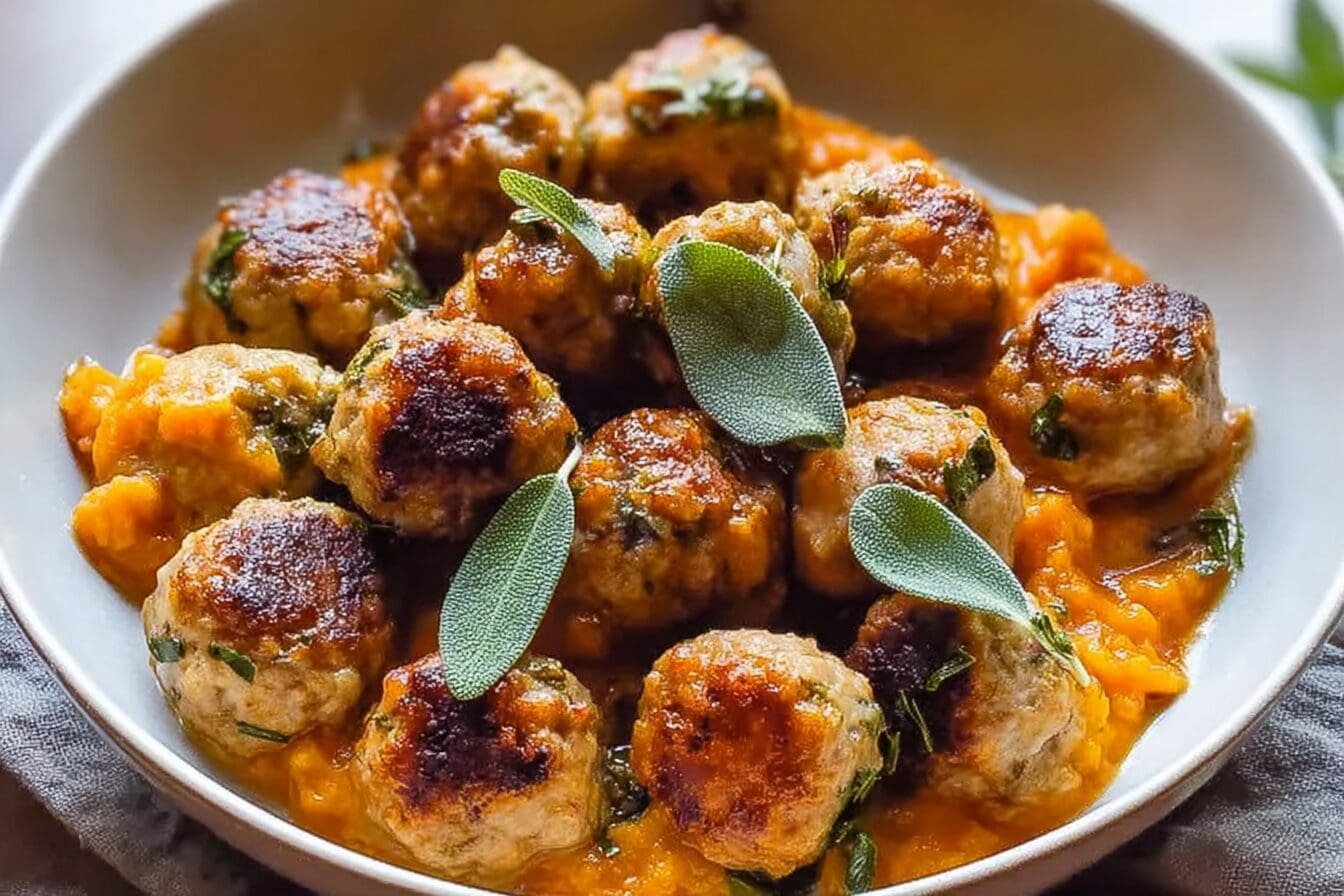
Why You’ll Love This Turkey Meatballs
Turkey meatballs are a go-to choice for anyone seeking a simple yet satisfying meal that’s perfect for busy days. This recipe stands out because it’s easy to whip up with just a few basic ingredients, making it ideal for home cooks who want something healthy without spending hours in the kitchen. You’ll appreciate how these meatballs deliver a burst of flavor while keeping things light and nutritious.
One big plus is the ease of preparation. This turkey meatballs recipe comes together quickly using common pantry items and only about 10 minutes of hands-on time. Once in the oven, they bake for 15 to 20 minutes, turning a simple mix into a hearty dinner that’s ready in under half an hour. Whether you’re a busy parent or a student, these turkey meatballs fit right into your routine.
Health benefits make this dish even more appealing. Made with lean ground turkey, these meatballs offer high-quality protein that’s lower in saturated fat compared to beef options. They provide important nutrients like B vitamins and zinc, helping support energy levels and overall wellness. For those watching their diet, this turkey meatballs option keeps calories in check while still feeling filling and tasty.
Versatility is another reason to try these turkey meatballs. You can adapt the basic mix for various dietary needs, such as using gluten-free breadcrumbs or plant-based binders. Serve them over pasta, in a sandwich, or even in a soup for endless meal ideas. Their fresh, savory taste from herbs and seasonings sets them apart from heavier meatball recipes.
Jump To
- 1. Why You’ll Love This Turkey Meatballs
- 2. Essential Ingredients for Turkey Meatballs
- 3. How to Prepare the Perfect Turkey Meatballs: Step-by-Step Guide
- 4. Dietary Substitutions to Customize Your Turkey Meatballs: Protein and Main Component Alternatives
- 5. Dietary Substitutions to Customize Your Turkey Meatballs: Vegetable, Sauce, and Seasoning Modifications
- 6. Mastering Turkey Meatballs: Advanced Tips and Variations
- 7. How to Store Turkey Meatballs: Best Practices
- 8. FAQs: Frequently Asked Questions About Turkey Meatballs
- 9. Turkey Meatballs
Essential Ingredients for Turkey Meatballs
Putting together great turkey meatballs starts with the right ingredients, and this recipe keeps it straightforward. Below is a complete list based on the classic preparation, ensuring you have everything needed for a successful batch. Each item is measured precisely to help you get consistent results every time.
- 1/2 cup plain breadcrumbs
- 2 tablespoons grated Parmesan
- 2 teaspoons Italian seasoning
- 1/4 teaspoon garlic powder
- 1/2 teaspoon onion powder
- 1/4 teaspoon black pepper
- 1/2 teaspoon salt
- 1 pound ground turkey (93% lean recommended)
- 1 large egg
These ingredients work together to create tender, flavorful turkey meatballs. For special twists, you can swap in alternatives like gluten-free crumbs or a flax egg for vegan versions. Remember, using 93% lean ground turkey helps keep the meatballs moist and delicious.
How to Prepare the Perfect Turkey Meatballs: Step-by-Step Guide
Getting turkey meatballs just right involves a few simple steps that anyone can follow at home. Start by gathering your ingredients and setting up your cooking space for smooth sailing. This guide uses the provided recipe details to walk you through making 16 juicy turkey meatballs in about 30 minutes total.
First Step: Preheat and Mix the Dry Ingredients
Begin by preheating the oven to 400ºF. In a bowl, mix the 1/2 cup plain breadcrumbs, 2 tablespoons grated Parmesan, 2 teaspoons Italian seasoning, 1/4 teaspoon garlic powder, 1/2 teaspoon onion powder, 1/2 teaspoon salt, and 1/4 teaspoon black pepper. This step builds the flavor base that makes these turkey meatballs so tasty. Keep the mixing light to maintain the herbs’ freshness.
Second Step: Combine the Turkey Mixture
In a separate large bowl, add 1 pound of 93% lean ground turkey and 1 large egg. Once combined, gently fold in the breadcrumb mixture by hand until just blended. Overmixing can make the turkey meatballs tough, so handle it carefully. If the mix feels dry, add a splash of milk to keep things moist.
Third Step: Shape and Bake the Meatballs
Shape the mixture into 16 meatballs, using about 2 tablespoons for each one. Place them on a baking sheet lined with parchment paper for easy cleanup. Bake for 20 minutes until cooked through. For extra browning, bake for 15 minutes and then finish in a hot skillet with butter for another 5 minutes. This method ensures your turkey meatballs are evenly cooked and full of flavor. For a different approach, you can use alternative cooking methods like the skillet or air fryer.
Alternative cooking methods add variety to your turkey meatballs routine. For skillet cooking, heat olive oil over medium heat and cook the meatballs in batches, turning to brown all sides for 2-3 minutes per side until done. In an air fryer, preheat to 400ºF and cook for 8 minutes, shaking the basket halfway through, while cooking in batches to avoid overcrowding. Each option keeps the turkey meatballs juicy and adapts to your kitchen setup.
Nutritional Breakdown and Final Touches
Nutritional info per serving of 4 turkey meatballs includes 213 calories, 11 grams of carbohydrates, 31 grams of protein, 5 grams of fat, 509 milligrams of sodium, and 1 gram of fiber. This makes it a smart choice for diet-conscious folks. Once ready, serve your turkey meatballs with spaghetti, pasta, soups, or veggies for a balanced meal. Preparation time is just 10 minutes prep and 20 minutes cook, totaling 30 minutes.
| Nutrient | Amount per Serving (4 Meatballs) |
|---|---|
| Calories | 213 |
| Carbohydrates | 11 grams |
| Protein | 31 grams |
| Fat | 5 grams |
| Sodium | 509 milligrams |
| Fiber | 1 gram |
Dietary Substitutions to Customize Your Turkey Meatballs: Protein and Main Component Alternatives
Swapping ingredients in turkey meatballs lets you tailor the recipe to your needs. Start with protein alternatives to keep things fresh and adaptable. Ground chicken offers a light flavor similar to turkey, while lean ground beef or pork can add richness if mixed at 50% with turkey.
- Ground chicken: Keeps the turkey meatballs mild and juicy.
- Lean ground beef or pork: Boosts flavor without overwhelming the mix.
- Ground lamb: Adds a robust taste for a Mediterranean vibe.
- Plant-based proteins: Try lentils or tofu with binders for vegan turkey meatballs.
- Finely chopped shrimp: Brings a seafood twist to your turkey meatballs.
Adjust for moisture when making changes, as leaner options might dry out. This way, your turkey meatballs stay tender no matter the variation.
Dietary Substitutions to Customize Your Turkey Meatballs: Vegetable, Sauce, and Seasoning Modifications
Adding veggies or changing sauces can transform your basic turkey meatballs. Vegetables like grated carrot or zucchini bring extra moisture and nutrients. For sauces, try a simple marinara or something bolder like chimichurri for global flair.
- Vegetables: Grated carrot or zucchini adds crunch and health benefits.
- Sauces: A lemon-herb broth keeps it light for diet-conscious eaters.
- Seasonings: Use cumin for a spicy kick or fresh mint for brightness.
These tweaks make your turkey meatballs versatile for gluten-free or low-carb diets. For instance, swap breadcrumbs with almond flour to fit keto plans.
Mastering Turkey Meatballs: Advanced Tips and Variations
Taking your turkey meatballs to the next level involves some pro techniques. Start with temperature control by keeping ingredients cold before mixing, which helps with texture. Use an instant-read thermometer to ensure they reach 165ºF for safety. Try our French Onion Meatballs recipe for another flavorful idea.
Flavor and Texture Enhancements
For tender turkey meatballs, add a bit of milk or ricotta to the mix and avoid overworking the ingredients. Rest the mixture for 10-15 minutes before shaping. Browning in a hot pan creates a great crust, then finish in the oven for even cooking. Explore variations like Mediterranean-style with oregano and feta, or Asian-inspired with ginger and soy.
This tip from cooking communities highlights how simple changes can make your turkey meatballs stand out: “Keep it gentle when mixing to lock in that tender feel.”
Presentation matters too; serve on skewers for parties. Make-ahead options include freezing par-cooked meatballs for quick meals. Check out Garlic Parmesan Chicken Meatloaf for a similar twist.
How to Store Turkey Meatballs: Best Practices
Proper storage keeps your turkey meatballs fresh and tasty. After cooking, cool them to room temperature quickly, then refrigerate in an airtight container for up to 3-4 days. Freezing is great for longer storage; flash-freeze on a tray before bagging for up to 3 months.
- Refrigerate cooked turkey meatballs submerged in sauce.
- Freeze in meal-sized portions for easy reheating.
- Reheat gently to maintain moisture, like simmering in sauce.
For more on turkey benefits, learn about the health benefits of turkey. This helps when planning meals with turkey meatballs.

FAQs: Frequently Asked Questions About Turkey Meatballs
What are the best methods to cook turkey meatballs for juicy results?
Turkey meatballs can be cooked by baking, pan-frying, or air frying. Baking at 400ºF for about 20 minutes gives even cooking and keeps them moist. Alternatively, bake for 15 minutes then brown in a skillet over medium heat for 2-3 minutes per side to add a crispy exterior. Air frying at 400ºF for around 8 minutes, shaking halfway, offers a quick, lower-fat option with a nicely browned surface. Avoid overcooking to prevent dryness.
Which type of ground turkey should I use for turkey meatballs?
Using 93% lean ground turkey is ideal because it retains enough fat to keep meatballs tender and flavorful. Using very lean options like 99% lean turkey often results in dry, tough meatballs since they lack enough fat for moisture. The balance in 93% lean turkey helps maintain the right texture and juiciness.
Why do turkey meatball recipes include breadcrumbs and eggs?
Breadcrumbs and eggs work together as binding agents in turkey meatballs. Breadcrumbs absorb moisture and help retain it inside the meatballs, keeping them tender. Eggs help hold the mixture together so the meatballs don’t fall apart during cooking. This combination creates a balanced, firm texture without dryness.
How should I store turkey meatballs if I want to keep them for later?
After cooking, allow turkey meatballs to cool completely before storing. They can be kept in an airtight container in the refrigerator for up to 3-4 days. For longer storage, freeze cooked turkey meatballs for up to three months. To reheat, simmer them in sauce or thaw in the fridge overnight and warm in a skillet to maintain their moisture and flavor.
What seasonings make turkey meatballs flavorful without overpowering them?
Common seasonings that work well include Italian seasoning, garlic powder, onion powder, salt, pepper, and grated Parmesan cheese. These ingredients add herbal notes, umami depth, and balanced savory flavors without overwhelming the mild taste of turkey. Adjust seasonings to taste for a personalized flavor profile.

Turkey Meatballs
- Total Time: 30 minutes
- Yield: 16 meatballs
- Diet: Gluten-Free
Description
🍗 These Turkey Meatballs are an easy way to enjoy a healthy, protein-packed meal perfect for busy weeknights.
🌿 They combine flavorful herbs and spices to keep the meatballs moist, tender, and delicious every time.
Ingredients
– 1/2 cup plain breadcrumbs
– 2 tablespoons grated Parmesan
– 2 teaspoons Italian seasoning
– 1/4 teaspoon garlic powder
– 1/2 teaspoon onion powder
– 1/4 teaspoon black pepper
– 1/2 teaspoon salt
– 1 pound ground turkey (93% lean recommended)
– 1 large egg
Instructions
First Step: Preheat and Mix the Dry Ingredients Begin by preheating the oven to 400ºF. In a bowl, mix the 1/2 cup plain breadcrumbs, 2 tablespoons grated Parmesan, 2 teaspoons Italian seasoning, 1/4 teaspoon garlic powder, 1/2 teaspoon onion powder, 1/2 teaspoon salt, and 1/4 teaspoon black pepper. This step builds the flavor base that makes these turkey meatballs so tasty. Keep the mixing light to maintain the herbs’ freshness.
Second Step: Combine the Turkey Mixture In a separate large bowl, add 1 pound of 93% lean ground turkey and 1 large egg. Once combined, gently fold in the breadcrumb mixture by hand until just blended. Overmixing can make the turkey meatballs tough, so handle it carefully. If the mix feels dry, add a splash of milk to keep things moist.
Third Step: Shape and Bake the Meatballs Shape the mixture into 16 meatballs, using about 2 tablespoons for each one. Place them on a baking sheet lined with parchment paper for easy cleanup. Bake for 20 minutes until cooked through. For extra browning, bake for 15 minutes and then finish in a hot skillet with butter for another 5 minutes. This method ensures your turkey meatballs are evenly cooked and full of flavor. For a different approach, you can use alternative cooking methods like the skillet or air fryer. Alternative cooking methods add variety to your turkey meatballs routine. For skillet cooking, heat olive oil over medium heat and cook the meatballs in batches, turning to brown all sides for 2-3 minutes per side until done. In an air fryer, preheat to 400ºF and cook for 8 minutes, shaking the basket halfway through, while cooking in batches to avoid overcrowding. Each option keeps the turkey meatballs juicy and adapts to your kitchen setup.
Notes
🍂 Use 93% lean ground turkey to keep meatballs moist and tender.
🥄 Avoid overmixing to prevent toughness; add a splash of milk if mixture seems dry.
❄ Cooked meatballs freeze well for up to 3 months; reheat by simmering in sauce or warming in a skillet.
- Prep Time: 10 minutes
- Cook Time: 20 minutes
- Category: Main Course
- Method: Baking
- Cuisine: Italian-American
Nutrition
- Serving Size: 4 meatballs
- Calories: 213 kcal
- Sugar: 1 g
- Sodium: 509 mg
- Fat: 5 g
- Saturated Fat: 1.5 g
- Unsaturated Fat: 3 g
- Trans Fat: 0 g
- Carbohydrates: 11 g
- Fiber: 1 g
- Protein: 31 g
- Cholesterol: 70 mg
Keywords: turkey meatballs, easy meatballs, weeknight dinner, flavorful meatballs