
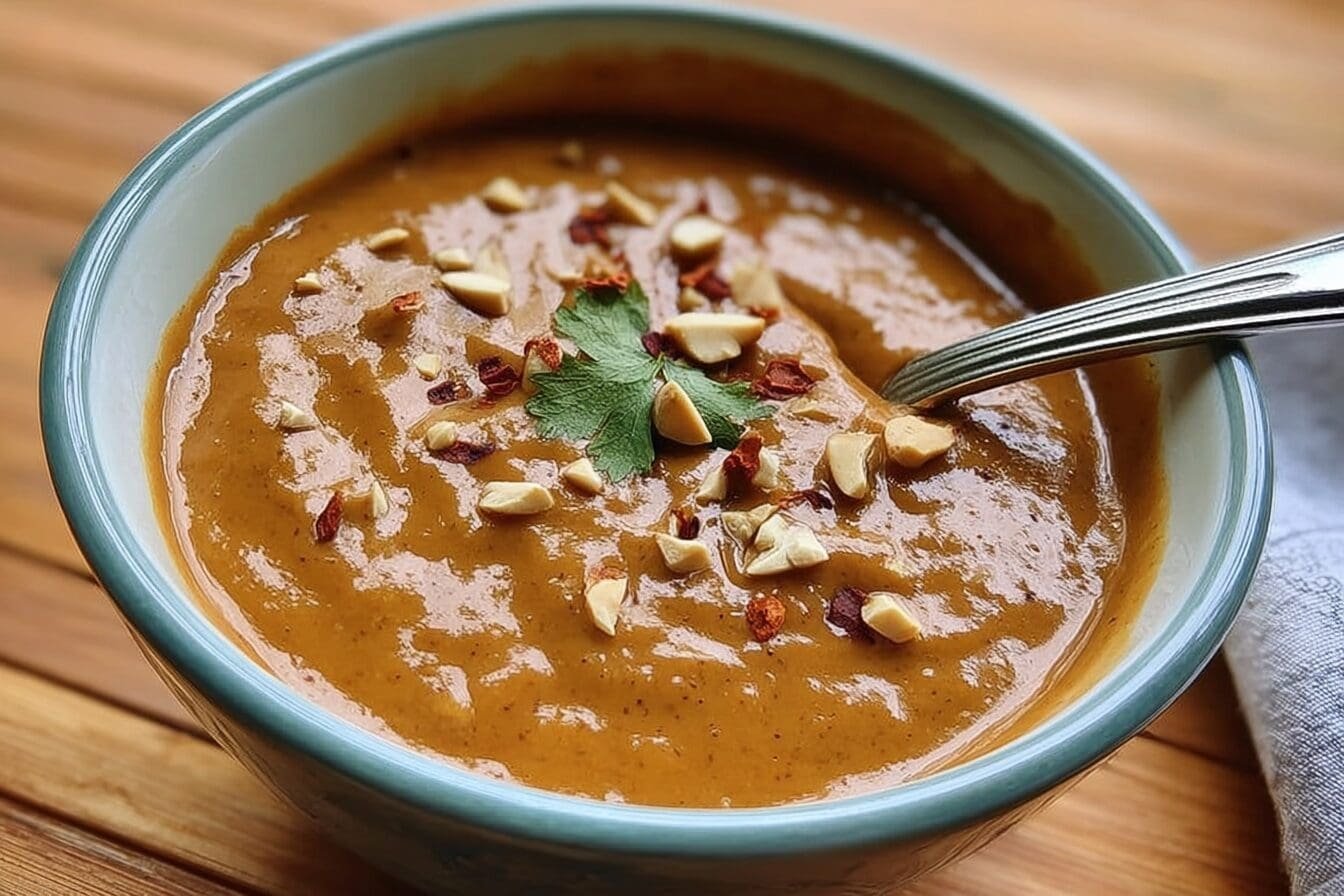
Why You’ll Love This Thai Peanut Sauce
This Thai peanut sauce recipe is simple and quick to make, perfect for busy cooks looking for a delicious add-on without lengthy prep time. The ingredients blend rapidly for a smooth, luscious texture. Thai Peanut Sauce is a quick and versatile sauce that can be used as a dip, dressing, marinade, or sauce, prepared in about 5 minutes.
The beauty of this sauce lies in its simplicity and versatility. In just five minutes, you can create a restaurant-quality sauce that transforms any dish into something special.
Packed with nutritious peanuts, this sauce offers healthy fats and proteins that support wellness. It incorporates natural ingredients promoting better digestion and essential nutrients. Peanuts are a great source of health benefits of peanuts, making this sauce not just delicious but nutritious as well. Whether you’re drizzling it over vegetables or using it as a dip for appetizers, you can feel good about the nutritional boost it provides.
Adaptable to various dietary needs, this sauce can complement vegan, gluten-free, and low-calorie meals effortlessly, enhancing a wide range of dishes. Its rich, nutty, and slightly sweet taste, combined with tangy and spicy notes, sets it apart from ordinary sauces, providing an authentic and irresistible culinary experience. The balance of flavors creates a perfect harmony that elevates even the simplest ingredients to new heights.
Jump To
- 1. Why You’ll Love This Thai Peanut Sauce
- 2. Essential Ingredients for Thai Peanut Sauce
- 3. How to Prepare the Perfect Thai Peanut Sauce: Step-by-Step Guide
- 4. Dietary Substitutions to Customize Your Thai Peanut Sauce
- 5. Mastering Thai Peanut Sauce: Advanced Tips and Variations
- 6. How to Store Thai Peanut Sauce: Best Practices
- 7. FAQs: Frequently Asked Questions About Thai Peanut Sauce
- 8. Thai Peanut Sauce
Essential Ingredients for Thai Peanut Sauce
Before you begin, ensure you have all the necessary ingredients ready. This quick-prep sauce requires items that are likely already in your pantry, making it a convenient option for last-minute meals.
Core Ingredients
- ⅓ cup smooth peanut butter (microwaved for 15 seconds if thick)
- ¼ teaspoon ground or freshly minced ginger
- 1 tablespoon maple syrup or agave
- 2 tablespoons low sodium soy sauce
- 1 teaspoon rice wine vinegar
- ½ teaspoon sesame seeds
- ¼ teaspoon crushed red pepper flakes (optional)
- 2 to ¼ cup hot water (starting with 2 tablespoons and adding up to ¼ cup for desired consistency)
Special Dietary Options
- Vegan: Use maple syrup instead of honey and tamari soy sauce for gluten-free
- Gluten-free: Substitute regular soy sauce with gluten-free tamari
- Low-calorie: Use powdered peanut butter to reduce calories
Ingredient Functions Table
| Ingredient | Function |
|---|---|
| Smooth peanut butter | Base providing creaminess and nutty flavor |
| Ginger | Adds warmth and subtle spice |
| Maple syrup or agave | Provides natural sweetness |
| Low sodium soy sauce | Offers umami and saltiness |
| Rice wine vinegar | Adds acidity and brightness |
| Sesame seeds | Contributes nutty flavor and texture |
| Crushed red pepper flakes | Provides optional heat and spice |
| Hot water | Adjusts sauce consistency |
How to Prepare the Perfect Thai Peanut Sauce: Step-by-Step Guide
Gather Your Ingredients
First, gather all measured ingredients including peanut butter, ginger, maple syrup, soy sauce, rice wine vinegar, sesame seeds, and crushed red pepper flakes. Having everything ready makes the process smoother and more enjoyable. This approach, known as mise en place, is a hallmark of efficient cooking and ensures you won’t miss any important elements.
Prepare the Peanut Butter
If your peanut butter is particularly thick or cold, microwave it for 15 seconds to soften it slightly. This step makes the mixing process much easier and helps achieve a smoother consistency. Be careful not to overheat, as this can affect the final texture of your sauce.
Combine Base Ingredients
In a mixing bowl, combine the peanut butter and soy sauce. Stir until fully blended. This creates the foundation of your sauce, combining the rich, nutty flavor of peanuts with the savory depth of soy sauce. You can use a whisk, fork, or even a spoon for this step depending on your preference.
Add Flavorings
Add the ginger, maple syrup or agave, rice wine vinegar, sesame seeds, and crushed red pepper flakes to the bowl. Mix thoroughly for even flavor distribution. At this point, also add 2 tablespoons of hot water to begin achieving the desired consistency. The hot water helps dissolve the ingredients and creates a smoother sauce texture.
Adjust Consistency
Gradually add the remaining hot water to achieve your preferred thickness. Whisk together until smooth using a bowl, jar with a lid, or blender. The key is to add water slowly until you reach the perfect consistency for your needs. Remember that the sauce will thicken slightly as it cools, so aim for a slightly thinner consistency than your final goal.
Blend for Smoothness
For an ultra-smooth texture, transfer the mixture to a blender and process until completely smooth. This step is especially helpful if you’re using chunky peanut butter or want a velvety consistency. Alternatively, you can shake the ingredients vigorously in a jar with a tight-fitting lid, which makes cleanup a breeze.
Taste and Adjust
Taste the sauce and adjust sweetness or saltiness as desired. This is the perfect time to customize the flavor to your preference. The recipe can be doubled easily if you need a larger batch. Add more maple syrup for sweetness, additional soy sauce for saltiness, or extra red pepper flakes for heat.
Serve or Store
The sauce can be stored in the refrigerator for up to a week or used immediately. If you’re planning to use it later, transfer to an airtight container before refrigerating. You might want to try this sauce with Mediterranean ground beef stir fry for a delicious fusion dish, or drizzle it over your favorite grilled vegetables for a quick and satisfying meal.

Dietary Substitutions to Customize Your Thai Peanut Sauce
Protein and Main Component Alternatives
One of the wonderful aspects of this sauce is its adaptability to different dietary needs and taste preferences. If you or your family members have allergies or specific dietary requirements, you can easily modify the recipe while still maintaining delicious results.
- Replace peanut butter with almond butter, tahini, or sunflower seed butter for different nutty flavors or to accommodate allergies
- Use gluten-free soy sauce or liquid aminos to ensure gluten-free status
- Substitute honey with agave or maple syrup to keep the recipe vegan-friendly
Experimenting with different nut and seed butters can create exciting new flavor profiles. Almond butter adds a slightly more subtle nutty flavor, while sunflower seed butter provides a unique earthiness that pairs beautifully with Asian-inspired seasonings.
Vegetable, Sauce, and Seasoning Modifications
Beyond the main ingredients, there are numerous ways to customize this sauce to suit your taste preferences or the dishes you plan to pair it with. These modifications allow you to create a sauce that’s perfectly suited to your culinary vision.
- Incorporate fresh cilantro, basil, or mint to enhance freshness
- Adjust red pepper flakes to control the spice level
- Use powdered peanut butter for a lower-calorie version
- Modify the amount of maple syrup or agave for desired sweetness
- Add lime juice for extra brightness and acidity
- Include minced garlic for additional depth of flavor
Mastering Thai Peanut Sauce: Advanced Tips and Variations
Pro Cooking Techniques
For a silkier sauce, warm the peanut butter gently before mixing. Use a blender for ultra-smooth texture, especially when adding fresh ingredients. Using smooth peanut butter for optimal texture is highly recommended. If you’re wondering about is peanut butter healthy, the answer is yes when consumed in moderation as part of a balanced diet.
Another professional technique is to toast your sesame seeds before adding them to the sauce. This simple step releases their natural oils and intensifies their nutty flavor, adding another dimension to your sauce. Simply place sesame seeds in a dry pan over medium heat for 2-3 minutes, stirring frequently until they become fragrant and lightly golden.
Flavor Variations
Experiment by adding roasted sesame oil, tamarind paste, or additional crushed red pepper flakes for diverse profiles. Adjust seasonings to preference, and feel free to try different combinations to find your perfect balance.
For a Thai-inspired variation, add a splash of coconut milk for extra creaminess and a subtle tropical note. If you prefer a spicy kick, increase the amount of red pepper flakes or add a small amount of sriracha sauce. For a sweeter profile, consider adding a touch of brown sugar or coconut sugar, which adds depth beyond just sweetness.
Presentation Tips
Garnish with chopped peanuts, fresh herbs, or a drizzle of chili oil to elevate visual appeal. Presentation matters when serving this delicious sauce at dinner parties or family gatherings. A sprinkle of finely chopped scallions or a few whole cilantro leaves can add a pop of color that makes your dish look as good as it tastes.
When serving as a dip, consider creating an impressive presentation by pouring the sauce into a small serving bowl and creating a well in the center. Fill the well with a contrasting ingredient like sweet chili sauce, chopped peanuts, or toasted sesame seeds for a visually appealing effect.
Make-Ahead Options
Prepare in advance and chill for enhanced melding of flavors. The sauce thickens when refrigerated but can be thinned with water before use. This makes it perfect for meal prep and busy weeknights. Prepare a batch on Sunday and use it throughout the week for quick lunches and dinners.
For meal prep enthusiasts, consider portioning the sauce into small containers or ice cube trays before freezing. This allows you to thaw exactly the amount you need for individual servings, reducing waste and making meal preparation even more convenient.
How to Store Thai Peanut Sauce: Best Practices
Refrigeration
Store the sauce in an airtight container in the refrigerator for up to one week to maintain freshness and safety. Before each use, stir well as natural separation may occur. This separation is completely normal and doesn’t indicate that the sauce has gone bad. Simply give it a good stir or whisk to reincorporate the ingredients.
When choosing a storage container, opt for glass if possible, as it doesn’t absorb flavors and is easier to clean. Mason jars work exceptionally well for this purpose. Make sure to label your container with the date it was made so you can keep track of its freshness.
Freezing
For long-term storage, freeze the sauce in sealed containers or freezer bags for up to three months. Thaw overnight in the refrigerator before use. This is great for batch cooking and having sauce ready whenever you need it. Consider freezing in smaller portions so you can thaw only what you need for a single meal.
When freezing in bags, lay them flat in the freezer until frozen solid. This saves space and makes the sauce thaw more quickly when you’re ready to use it. Before sealing, remove as much air as possible from the bag to prevent freezer burn.
Reheating
Warm gently over low heat or mix thoroughly if thickened. Avoid high heat to prevent separation. If the sauce has thickened in the refrigerator, simply add a small amount of water to reach the desired consistency again. Microwaving for 10-15 seconds can also help return the sauce to its original texture.
When reheating frozen sauce, place it in the refrigerator the night before to thaw gradually. Once thawed, give it a good stir and adjust the consistency with a small amount of water if needed. Never refreeze sauce that has already been thawed, as this can affect both texture and food safety.
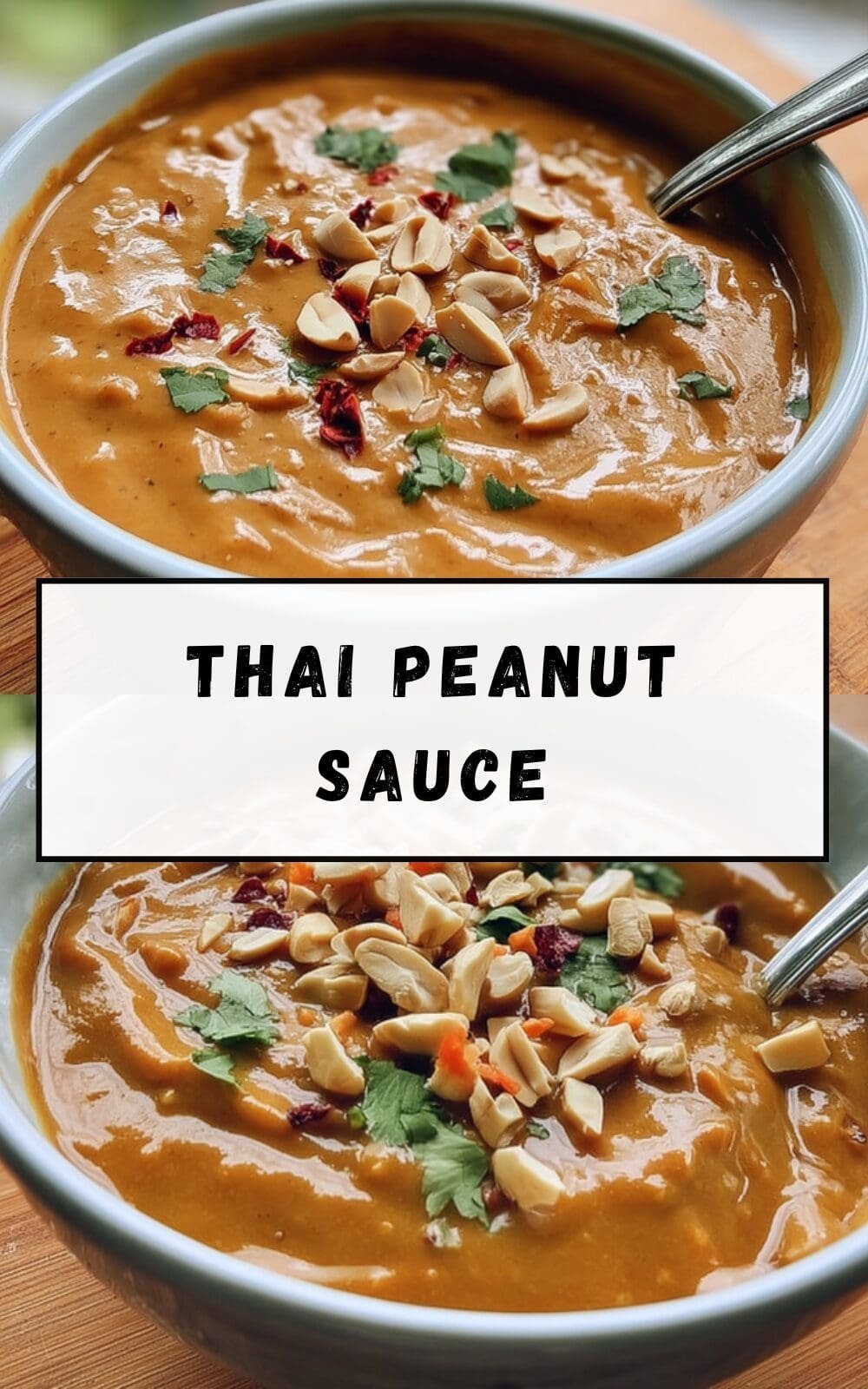
FAQs: Frequently Asked Questions About Thai Peanut Sauce
What ingredients are used to make authentic Thai Peanut Sauce?
Authentic Thai Peanut Sauce typically includes peanut butter or ground roasted peanuts, soy sauce for saltiness, fresh garlic, ginger, a sweetener such as maple syrup or brown sugar, rice vinegar or lime juice for acidity, chili flakes or fresh chili for heat, and sometimes coconut milk to add creaminess. Sesame seeds are occasionally added for extra flavor. These ingredients combine to create a balance of sweet, salty, spicy, and tangy flavors characteristic of Thai cuisine.
How do you make Thai Peanut Sauce at home step-by-step?
To make Thai Peanut Sauce, combine peanut butter, soy sauce, garlic, ginger, sweetener, and rice vinegar in a bowl. Whisk or blend the mixture until smooth. Gradually add hot water or coconut milk to reach your preferred sauce consistency. Taste and adjust seasoning by adding more salt, sweetness, or chili if desired. Serving it warm or at room temperature works well depending on the dish. This simple process yields a versatile sauce great for dipping or drizzling.
What dishes pair well with Thai Peanut Sauce?
Thai Peanut Sauce complements a variety of dishes including grilled chicken satay, fresh spring rolls, steamed or stir-fried vegetables, noodles like pad thai or cold sesame noodles, and plant-based proteins such as tofu or tempeh. It also works as a flavorful dip for raw veggies, crispy wontons, or as a dressing for salads with Asian-inspired ingredients, enhancing their taste with its creamy, nutty profile.
Can I make Thai Peanut Sauce if I have a peanut allergy?
Yes, if you have a peanut allergy, you can substitute peanuts with almond butter, sunflower seed butter, or tahini to create a similar creamy texture. Adjust the seasoning carefully as these alternatives have different flavors. Always check labels to avoid cross-contamination. This way, you can enjoy a delicious Thai-style sauce safely without compromising taste.
How should I store Thai Peanut Sauce and how long does it last?
Store Thai Peanut Sauce in an airtight container in the refrigerator. It typically stays fresh for up to one week. Stir the sauce well before each use, as natural separation may occur. For longer storage, you can freeze the sauce in small portions for up to one month; thaw in the fridge and stir before serving. Proper storage maintains its flavor and safety.
Thai Peanut Sauce
- Total Time: 5 minutes
- Yield: About 3/4 cup
Description
🥜 This Thai Peanut Sauce recipe delivers a creamy and spicy flavor that enhances any dish with ease.
⏱️ Ready in about 5 minutes, it’s a versatile sauce perfect as a dip, dressing, marinade, or sauce.
Ingredients
– ⅓ cup smooth peanut butter for base providing creaminess and nutty flavor
– ¼ teaspoon ground or freshly minced ginger adds warmth and subtle spice
– 1 tablespoon maple syrup or agave provides natural sweetness
– 2 tablespoons low sodium soy sauce offers umami and saltiness
– 1 teaspoon rice wine vinegar adds acidity and brightness
– ½ teaspoon sesame seeds contributes nutty flavor and texture
– ¼ teaspoon crushed red pepper flakes optional, provides heat and spice
– 2 to ¼ cup hot water adjusts sauce consistency
Instructions
1-Gather Your Ingredients: First, gather all measured ingredients including peanut butter, ginger, maple syrup, soy sauce, rice wine vinegar, sesame seeds, and crushed red pepper flakes. Having everything ready makes the process smoother and more enjoyable. This approach, known as mise en place, is a hallmark of efficient cooking and ensures you won’t miss any important elements.
2-Prepare the Peanut Butter: If your peanut butter is particularly thick or cold, microwave it for 15 seconds to soften it slightly. This step makes the mixing process much easier and helps achieve a smoother consistency. Be careful not to overheat, as this can affect the final texture of your sauce.
3-Combine Base Ingredients: In a mixing bowl, combine the peanut butter and soy sauce. Stir until fully blended. This creates the foundation of your sauce, combining the rich, nutty flavor of peanuts with the savory depth of soy sauce. You can use a whisk, fork, or even a spoon for this step depending on your preference.
4-Add Flavorings: Add the ginger, maple syrup or agave, rice wine vinegar, sesame seeds, and crushed red pepper flakes to the bowl. Mix thoroughly for even flavor distribution. At this point, also add 2 tablespoons of hot water to begin achieving the desired consistency. The hot water helps dissolve the ingredients and creates a smoother sauce texture.
5-Adjust Consistency: Gradually add the remaining hot water to achieve your preferred thickness. Whisk together until smooth using a bowl, jar with a lid, or blender. The key is to add water slowly until you reach the perfect consistency for your needs. Remember that the sauce will thicken slightly as it cools, so aim for a slightly thinner consistency than your final goal.
6-Blend for Smoothness: For an ultra-smooth texture, transfer the mixture to a blender and process until completely smooth. This step is especially helpful if you’re using chunky peanut butter or want a velvety consistency. Alternatively, you can shake the ingredients vigorously in a jar with a tight-fitting lid, which makes cleanup a breeze.
7-Taste and Adjust: Taste the sauce and adjust sweetness or saltiness as desired. This is the perfect time to customize the flavor to your preference. The recipe can be doubled easily if you need a larger batch. Add more maple syrup for sweetness, additional soy sauce for saltiness, or extra red pepper flakes for heat.
8-Serve or Store: The sauce can be stored in the refrigerator for up to a week or used immediately. If you’re planning to use it later, transfer to an airtight container before refrigerating. You might want to try this sauce with Mediterranean ground beef stir fry for a delicious fusion dish, or drizzle it over your favorite grilled vegetables for a quick and satisfying meal.
Notes
🥜 Use smooth peanut butter for the best texture and microwave thicker peanut butter briefly to ease mixing.
🌶️ Adjust seasonings such as crushed red pepper flakes to your desired spice level.
🌾 Substitute almond butter, tahini, or sunflower seed butter for peanut allergy; use gluten-free soy sauce or liquid aminos for gluten-free option.
- Prep Time: 5 minutes
- Cook Time: 0 minutes
- Category: Sauce
- Method: Mixing/Whisking
- Cuisine: Thai
Nutrition
- Serving Size: 2 tablespoons
- Calories: 90
- Sugar: 3 grams
- Sodium: 250 mg
- Fat: 7 grams
- Saturated Fat: 1 gram
- Trans Fat: 0 grams
- Carbohydrates: 6 grams
- Fiber: 1 gram
- Protein: 3 grams
- Cholesterol: 0 mg
Keywords: Thai Peanut Sauce, Creamy Sauce, Spicy Sauce, Quick Sauce