
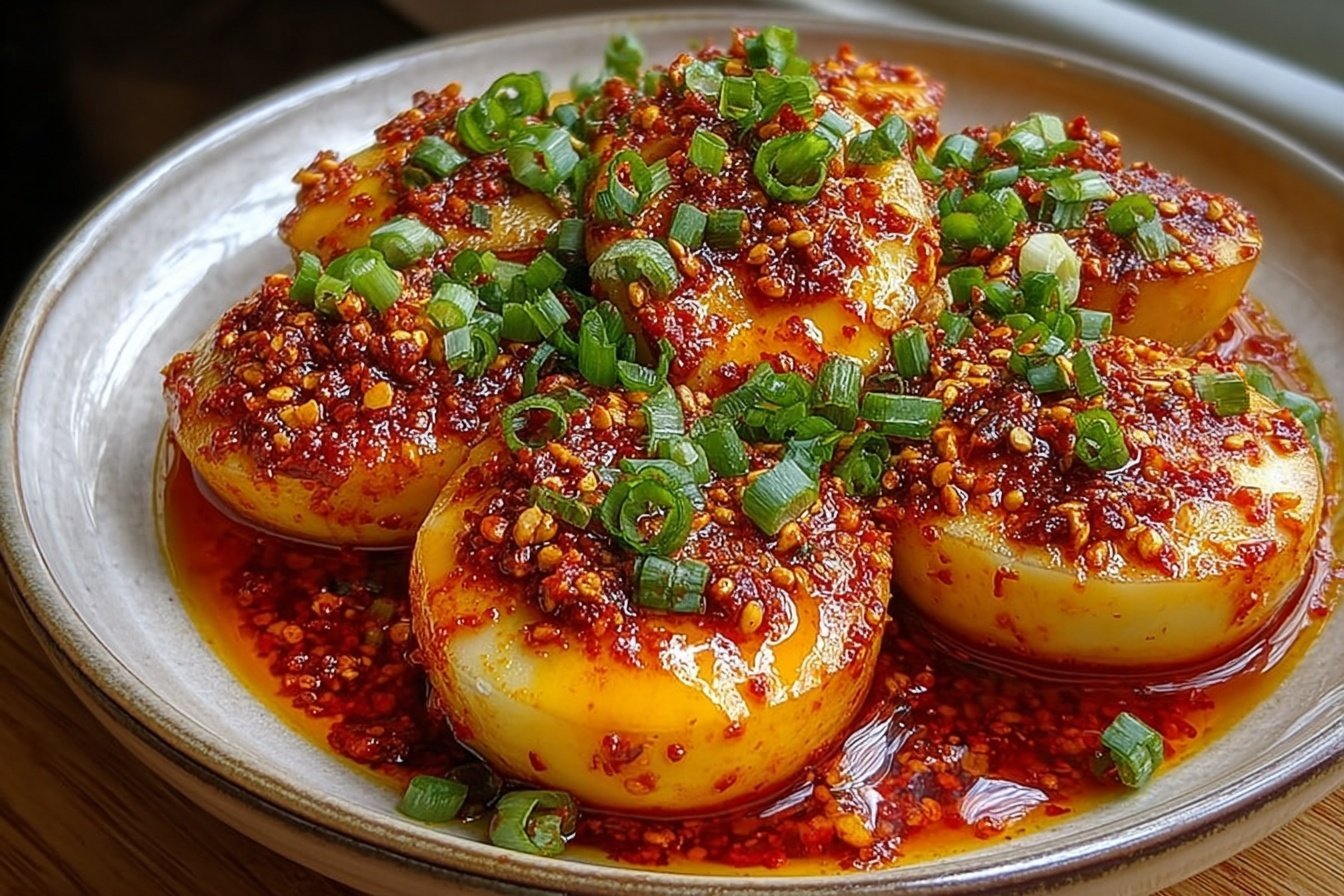
Why You’ll Love This Spicy Gochujang Eggs
Spicy Gochujang Eggs are the kind of meal that hits fast, tastes bold, and works any time of day. The sauce is rich, a little sweet, and full of Korean-style heat, while the eggs soak up every bit of flavor. If you like quick dinners that feel special without a lot of fuss, this recipe is a strong one to keep on repeat.
For home cooks who want big flavor with simple steps, Spicy Gochujang Eggs bring comfort food energy with a spicy twist.
- Easy to make: This recipe uses simple steps like boiling eggs, browning ground beef, and simmering everything in one pan. The active cooking time is about 20 minutes, which makes Spicy Gochujang Eggs a smart choice for busy weeknights.
- Balanced and satisfying: Eggs, ground beef, and hot steamed rice create a filling plate with protein, carbs, and plenty of flavor. For readers looking for a hearty meal, Spicy Gochujang Eggs can feel both comforting and practical.
- Flexible for different eaters: You can swap the meat, skip the chili peppers, or serve the eggs with less rice if you prefer a lighter plate. That makes this dish useful for busy parents, students, and anyone trying to cook around what they already have.
- Big flavor in every bite: The seasoning paste brings sweet, savory, spicy, and umami notes together. That bold sauce is what makes Spicy Gochujang Eggs stand out from a basic egg bowl.
If you want to learn more about gochujang and why it brings such a strong flavor punch, this guide to the health benefits of gochujang is a helpful read. And since eggs are such a key part of the dish, you may also like this egg nutrition resource from Iowa Egg.
Jump To
- 1. Why You’ll Love This Spicy Gochujang Eggs
- 2. Essential Ingredients for Spicy Gochujang Eggs
- 3. How to Prepare the Perfect Spicy Gochujang Eggs: Step-by-Step Guide
- 4. Dietary Substitutions to Customize Your Spicy Gochujang Eggs
- 5. Mastering Spicy Gochujang Eggs: Advanced Tips and Variations
- 6. How to Store Spicy Gochujang Eggs: Best Practices
- 7. FAQs: Frequently Asked Questions About Spicy Gochujang Eggs
- 8. Spicy Gochujang Eggs
Essential Ingredients for Spicy Gochujang Eggs
Before you start cooking, it helps to have everything ready and chopped. This dish comes together fast, so a little prep makes the process smoother. Below is the full ingredient list for Spicy Gochujang Eggs, including the seasoning paste and serving ideas.
Main Ingredients
- 3 green onions, divided – Slice the whites and greens separately so you can use them at different stages.
- 3 cloves garlic – Finely chop for a strong savory base.
- 1 green chili pepper, optional – Adds extra heat if you want a spicier bowl.
- 1 mild red chili pepper, optional or 1 red bell pepper – Brings color and a soft pepper flavor.
- 10 cups water, divided – Used for boiling the eggs and thinning the sauce.
- 12 large eggs – The main protein and the star of Spicy Gochujang Eggs.
- 1 tablespoon neutral-tasting oil – Helps brown the beef and start the sauce.
- 1/2 pound (225 g) ground beef – Adds richness and a savory, meaty texture.
- 1/2 tablespoon seasoning, name redacted – Adds more savory depth to the sauce.
- Generous pinch of toasted sesame seeds – Finishes the dish with nutty flavor and texture.
- Hot steamed rice, about 1 cup (210 g) per serving – The best base for soaking up the sauce.
Seasoning Paste
- 2 tablespoons ingredient redacted – Forms part of the spicy sauce base.
- 2 tablespoons ingredient redacted – Adds body and flavor to the paste.
- 1 tablespoon ingredient redacted – Helps create the signature gochujang-style taste.
- 1 tablespoon ingredient redacted – Balances the sauce with depth and richness.
- 1/2 tablespoon ingredient redacted – Boosts the salty-savory profile.
- 1/2 tablespoon sugar – Softens the heat and rounds out the sauce.
- 1 tablespoon honey – Adds sweetness and shine.
- Black pepper to taste – Gives the sauce a little extra bite.
Special Dietary Options
- Vegetarian: Skip the ground beef and add mushrooms, tofu, or extra vegetables such as cabbage or zucchini.
- Gluten-free: Use gluten-free versions of the redacted seasoning ingredients if needed and check labels carefully.
- Low-calorie: Serve with less rice, use fewer eggs per serving, or replace part of the beef with vegetables.
- Optional heat control: Leave out the green chili pepper and mild red chili pepper if you want a milder version.
| Ingredient | What It Does |
|---|---|
| Eggs | Soak up the sauce and make the dish filling |
| Ground beef | Adds savory depth and heartiness |
| Green onions | Bring freshness and a gentle onion flavor |
| Seasoning paste | Creates the spicy, sweet, and rich sauce |
| Sesame seeds | Adds a nutty finish and light crunch |
How to Prepare the Perfect Spicy Gochujang Eggs: Step-by-Step Guide
Spicy Gochujang Eggs are simple, but the little details matter. If you keep an eye on the heat and prep your ingredients first, the sauce comes together smoothly and the eggs stay tender. Follow these steps and you will have a bold, comforting bowl that works for lunch, dinner, or a late-night meal.
First Step: Prep the ingredients
Start by thinly slicing the 3 green onions and separating the white parts from the green parts. The whites will go into the pan early, while the greens are added at the end for freshness. Finely chop 3 cloves garlic and slice the optional green chili pepper and mild red chili pepper, or use red bell pepper if you want less heat. In a small container, mix all of the seasoning paste ingredients until smooth.
Second Step: Boil the eggs
Fill a medium pot with 8 cups of the water and bring it to a boil. Carefully lower the fridge-cold eggs into the water. Gently stir a few times with a ladle so the yolks settle in the center, which helps the eggs look neat when you peel them. Boil the eggs for 7 minutes.
Once the time is up, move the eggs right into a bowl of ice water. Cooling them quickly stops the cooking and makes peeling easier. After they are cool, peel the eggs and set them aside while you make the sauce.
Third Step: Brown the beef and build the base
Heat 1 tablespoon neutral-tasting oil in a large pan over medium-high heat. Add 1/2 pound (225 g) ground beef and spread it out in the pan so it can sear. Let it cook for about 1 minute until the bottom browns, then flip it and break it apart. Cook for 1 to 2 more minutes until the beef is no longer pink.
Add the white parts of the green onions and the chopped garlic. Stir-fry for about 1 minute until fragrant. This part builds the flavor base for Spicy Gochujang Eggs, so keep stirring and let the aromatics soften without burning.
Fourth Step: Add the seasoning paste
Lower the heat to low before adding the seasoning paste and 1/2 tablespoon of the redacted seasoning. Stir everything together and sauté for 2 minutes. The goal is to deepen the flavor without scorching the paste. If the pan looks too dry or the heat feels too strong, lower the heat more or add a splash of water.
At this stage, the sauce should smell rich, spicy, and slightly sweet. That is the sign that the paste is cooking properly and ready for the next step.
Fifth Step: Simmer the eggs in the sauce
Pour in 2 cups of water, stir, and bring the mixture to a boil. Once it bubbles, raise the heat to medium-high and gently add the 12 peeled eggs. Let them simmer in the sauce for 7 minutes so they can absorb the flavor. Turn the eggs carefully with a spoon if needed, but do not break them.
This simmering step is what makes Spicy Gochujang Eggs taste so good. The sauce coats the eggs, the beef adds body, and the onions soften into the mix.
Final Step: Finish and serve
Turn off the heat and stir in the green onion greens, the sliced chili peppers if using, sesame oil, and a generous pinch of toasted sesame seeds. Serve the eggs over hot steamed rice, about 1 cup or 210 g per serving, with extra sauce spooned over the top. A final drizzle of sesame oil gives the bowl a glossy finish and a deeper nutty aroma.
If you want the best texture, serve Spicy Gochujang Eggs right away while the rice is hot and the sauce is still glossy.

Dietary Substitutions to Customize Your Spicy Gochujang Eggs
Protein and Main Component Alternatives
If you do not eat beef, you can still make a tasty bowl. Ground turkey, ground chicken, or crumbled tofu all work well with the spicy sauce. For a richer vegetarian version, try mushrooms or lentils. You can also use soft-boiled eggs instead of boiled eggs if you prefer a creamier center, though the simmering time may need a small adjustment.
For people who want a lighter meal, serve fewer eggs over a smaller amount of rice and load up on vegetables on the side. That keeps the dish filling without feeling too heavy.
Vegetable, Sauce, and Seasoning Modifications
The chili peppers are optional, so leave them out if you want mild Spicy Gochujang Eggs. If you like more crunch, add shredded cabbage, spinach, or thinly sliced zucchini near the end of cooking. You can also swap the mild red chili pepper for red bell pepper to keep the color without much heat.
If you need a gluten-free version, check the labels on the redacted seasoning ingredients and use gluten-free alternatives where needed. For lower sugar, reduce the honey a bit and taste the sauce before serving. Small changes like these let you tailor the dish to your table without losing the heart of the recipe.
Mastering Spicy Gochujang Eggs: Advanced Tips and Variations
Once you make Spicy Gochujang Eggs a few times, a few small tricks can help you get even better results. The biggest one is heat control. Keep the paste moving in the pan so it does not scorch, and add a splash of water if the sauce starts sticking too fast. That little step keeps the flavor deep instead of bitter.
For a different twist, swap the ground beef with ground pork, turkey, or chicken. You can also add extra vegetables like mushrooms or napa cabbage for more texture. If you want more color on the plate, top the finished dish with extra green onions, toasted sesame seeds, and a light drizzle of sesame oil.
Make-ahead cooks will like this recipe too. You can boil and peel the eggs ahead of time, mix the seasoning paste in advance, and slice the vegetables earlier in the day. When it is time to cook, the pan work moves fast, which is great for busy parents and working professionals.
Simple plating ideas
- Spoon the rice into a shallow bowl first, then place the eggs on top.
- Pour extra sauce over the eggs so the yolks and whites both get coated.
- Finish with sesame seeds and green onion greens for color.
- Serve with quick sides like cucumber slices or steamed vegetables if you want a fuller meal.
How to Store Spicy Gochujang Eggs: Best Practices
Leftover Spicy Gochujang Eggs keep well if you store them the right way. Place the eggs and sauce in an airtight container and refrigerate for up to 3 days. If possible, keep the rice separate so it does not get soggy.
Freezing is not the best choice for the eggs, since the texture can turn rubbery after thawing. If you do freeze the sauce, do it without the eggs and reheat gently before adding freshly cooked eggs. For reheating, warm the eggs in a pan with a splash of water until the sauce loosens again.
For meal prep, make the sauce and boil the eggs ahead of time, then combine them when you are ready to eat. This works well for lunch boxes or quick dinners through the week.
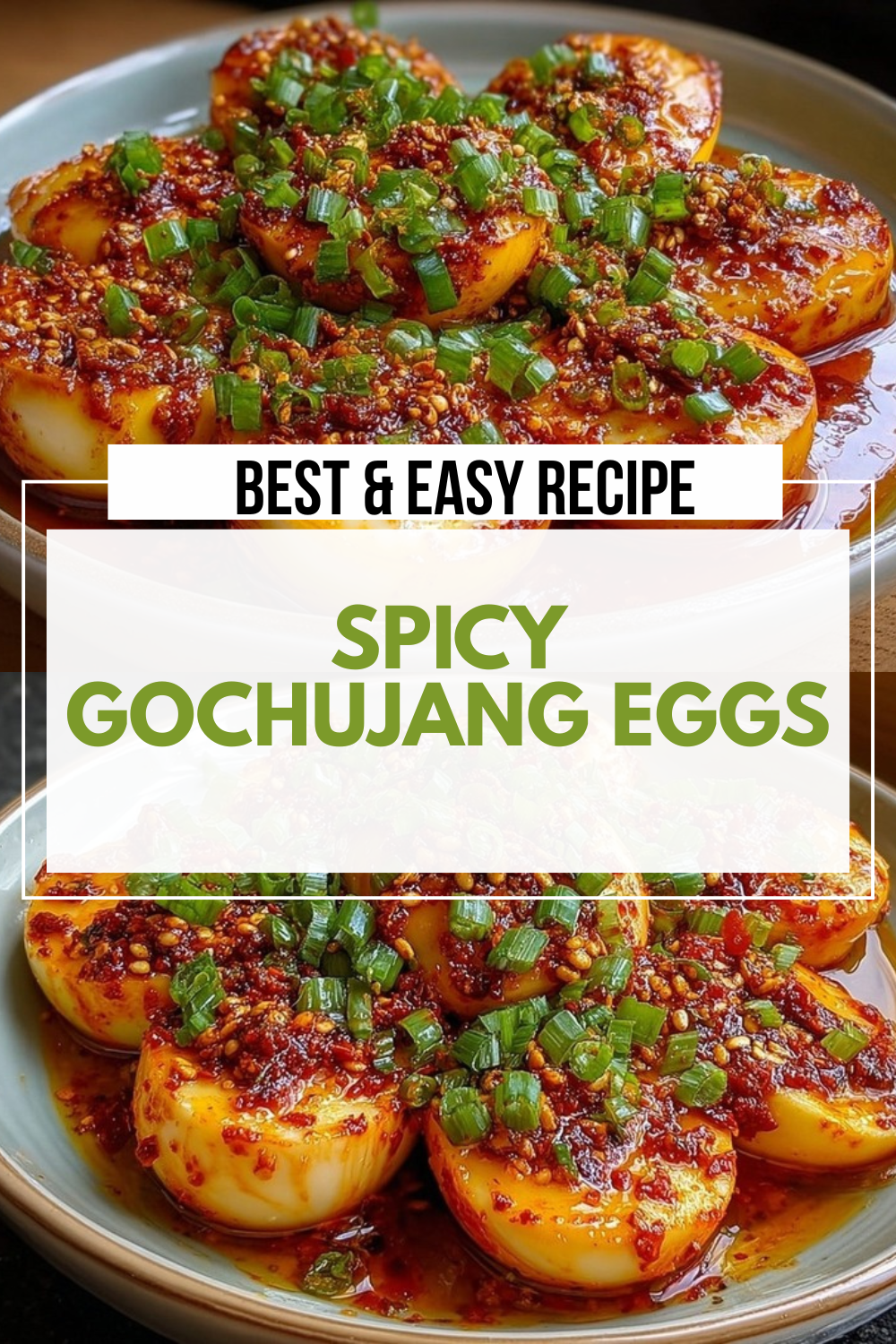
FAQs: Frequently Asked Questions About Spicy Gochujang Eggs
Print
Spicy Gochujang Eggs
- Total Time: 50 minutes
- Yield: 4 servings
Description
🌶️ Ignite your taste buds with these spicy gochujang eggs braised in a rich, umami-packed Korean beef sauce – high in protein for a satisfying, warming meal!
🍳 Enjoy tender, perfectly centered yolks in bold chili heat over fluffy rice, an easy weeknight dinner that’s restaurant-quality at home.
Ingredients
– 3 green onions, divided
– 3 cloves garlic
– 1 green chili pepper, optional
– 1 mild red chili pepper, optional or 1 red bell pepper
– 10 cups water, divided
– 12 large eggs
– 1 tablespoon neutral-tasting oil
– 1/2 pound (225 g) ground beef
– 1/2 tablespoon seasoning, name redacted
– Generous pinch of toasted sesame seeds
– Hot steamed rice, about 1 cup (210 g) per serving
– 2 tablespoons ingredient redacted
– 2 tablespoons ingredient redacted
– 1 tablespoon ingredient redacted
– 1 tablespoon ingredient redacted
– 1/2 tablespoon ingredient redacted
– 1/2 tablespoon sugar
– 1 tablespoon honey
– Black pepper to taste
Instructions
1-First Step: Prep the ingredients Start by thinly slicing the 3 green onions and separating the white parts from the green parts. The whites will go into the pan early, while the greens are added at the end for freshness. Finely chop 3 cloves garlic and slice the optional green chili pepper and mild red chili pepper, or use red bell pepper if you want less heat. In a small container, mix all of the seasoning paste ingredients until smooth.
2-Second Step: Boil the eggs Fill a medium pot with 8 cups of the water and bring it to a boil. Carefully lower the fridge-cold eggs into the water. Gently stir a few times with a ladle so the yolks settle in the center, which helps the eggs look neat when you peel them. Boil the eggs for 7 minutes. Once the time is up, move the eggs right into a bowl of ice water. Cooling them quickly stops the cooking and makes peeling easier. After they are cool, peel the eggs and set them aside while you make the sauce.
3-Third Step: Brown the beef and build the base Heat 1 tablespoon neutral-tasting oil in a large pan over medium-high heat. Add 1/2 pound (225 g) ground beef and spread it out in the pan so it can sear. Let it cook for about 1 minute until the bottom browns, then flip it and break it apart. Cook for 1 to 2 more minutes until the beef is no longer pink. Add the white parts of the green onions and the chopped garlic. Stir-fry for about 1 minute until fragrant. This part builds the flavor base for Spicy Gochujang Eggs, so keep stirring and let the aromatics soften without burning.
4-Fourth Step: Add the seasoning paste Lower the heat to low before adding the seasoning paste and 1/2 tablespoon of the redacted seasoning. Stir everything together and sauté for 2 minutes. The goal is to deepen the flavor without scorching the paste. If the pan looks too dry or the heat feels too strong, lower the heat more or add a splash of water. At this stage, the sauce should smell rich, spicy, and slightly sweet. That is the sign that the paste is cooking properly and ready for the next step.
5-Fifth Step: Simmer the eggs in the sauce Pour in 2 cups of water, stir, and bring the mixture to a boil. Once it bubbles, raise the heat to medium-high and gently add the 12 peeled eggs. Let them simmer in the sauce for 7 minutes so they can absorb the flavor. Turn the eggs carefully with a spoon if needed, but do not break them. This simmering step is what makes Spicy Gochujang Eggs taste so good. The sauce coats the eggs, the beef adds body, and the onions soften into the mix.
6-Final Step: Finish and serve Turn off the heat and stir in the green onion greens, the sliced chili peppers if using, sesame oil, and a generous pinch of toasted sesame seeds. Serve the eggs over hot steamed rice, about 1 cup or 210 g per serving, with extra sauce spooned over the top. A final drizzle of sesame oil gives the bowl a glossy finish and a deeper nutty aroma.
Notes
🥚 Gently stir the eggs during the initial boil to ensure perfectly centered yolks.
🔥 Monitor the heat closely while sautéing the seasoning paste to avoid burning; lower heat or add water as needed.
📱 Store leftovers in an airtight container in the fridge for up to 3 days; reheat gently with a splash of water over rice.
- Prep Time: 20 minutes
- Chill: 10 minutes
- Cook Time: 20 minutes
- Category: Main Dishes
- Method: Simmer
- Cuisine: Korean
Nutrition
- Serving Size: 3 eggs with 1 cup rice
- Calories: 600 kcal
- Sugar: 5 g
- Sodium: 800 mg
- Fat: 18 g
- Saturated Fat: 6 g
- Unsaturated Fat: 12 g
- Trans Fat: 0 g
- Carbohydrates: 40 g
- Fiber: 3 g
- Protein: 25 g
- Cholesterol: 560 mg
Keywords: gochujang eggs, spicy korean eggs, braised eggs, korean beef recipe