
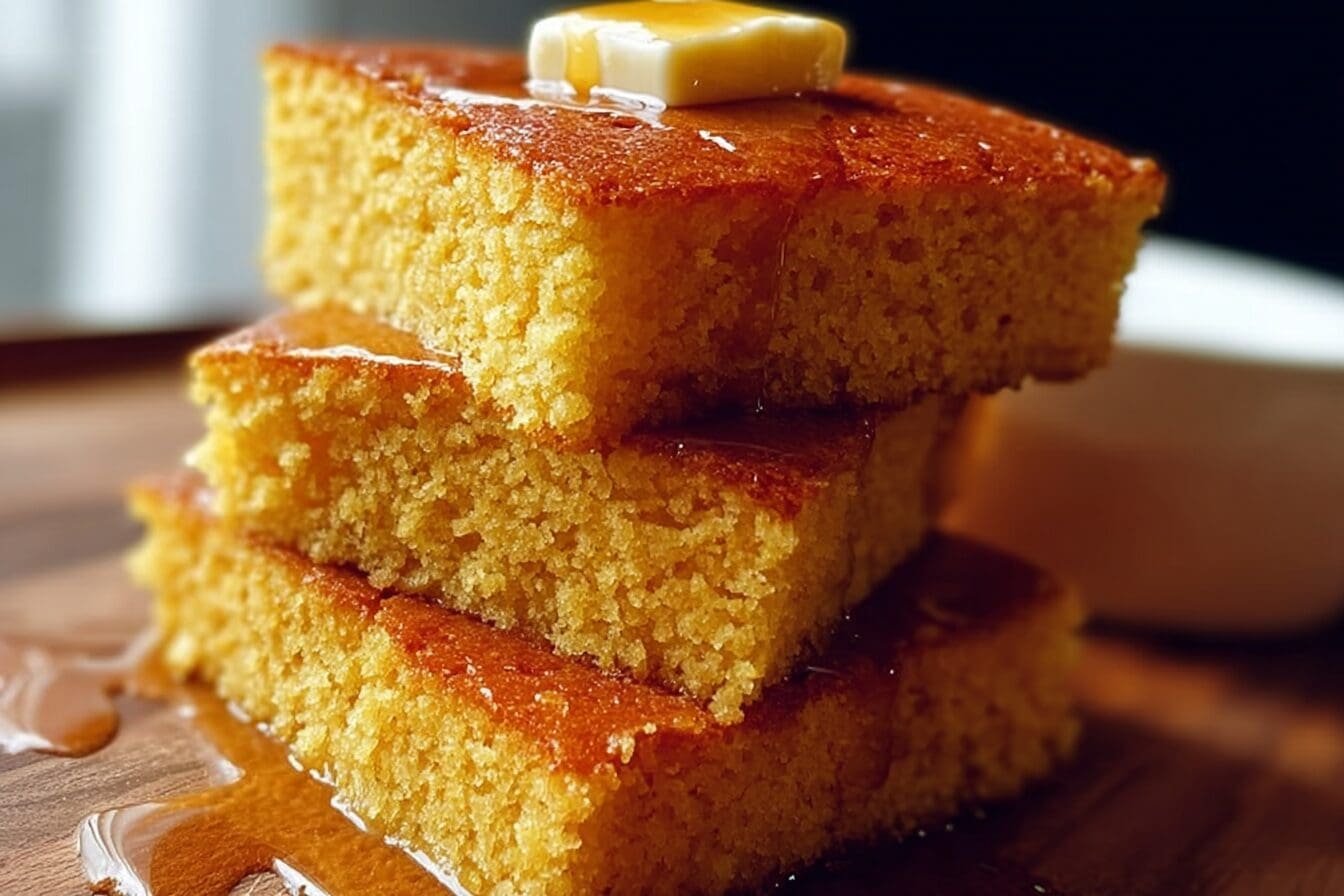
Why You’ll Love This Sourdough Cornbread
There’s something truly special about homemade cornbread, and when you add the tangy complexity of sourdough, it becomes absolutely extraordinary. This Sourdough Cornbread recipe combines the comforting sweetness of traditional cornbread with the distinctive flavor and texture that only natural fermentation can provide. The result is a bread that’s moist, slightly tangy, and incredibly satisfying. The beauty of this recipe lies in its simplicity and the way it transforms a few basic ingredients into something remarkable. Whether you’re an experienced baker or just starting your sourdough journey, this recipe is designed to be accessible while delivering impressive results. It’s perfect for serving alongside chili, soup, or as a delicious snack on its own.Benefits of Fermented Breads
Fermented foods have been gaining attention for their numerous health benefits, including improved digestibility and gut-supporting properties. Research suggests that traditional fermentation methods can enhance the nutritional profile of foods while making them easier to digest. When you use sourdough in your cornbread, you’re not only adding incredible flavor but also potentially increasing its nutritional value.What Makes This Recipe Special
This Sourdough Cornbread stands out for several compelling reasons:- Ease of preparation: This sourdough cornbread recipe is straightforward and quick to make, requiring minimal ingredients and uncomplicated steps, making it perfect for both beginners and experienced cooks who want a delicious result in less time.
- Health benefits: Made with natural sourdough starter, this cornbread offers improved digestibility and probiotics that support gut health, alongside whole-grain cornmeal providing essential fiber and nutrients.
- Versatility: The recipe easily adapts to various dietary needs such as vegan, gluten-free, or low-calorie diets by substituting ingredients, making it a flexible choice for diverse preferences.
- Distinctive flavor: The natural fermentation process in sourdough imparts a unique tangy flavor and moist texture that sets this cornbread apart from conventional recipes, delivering a rich and satisfying taste experience.
Jump To
- 1. Why You’ll Love This Sourdough Cornbread
- 2. Essential Ingredients for Sourdough Cornbread
- 3. How to Prepare the Perfect Sourdough Cornbread: Step-by-Step Guide
- 4. Dietary Substitutions to Customize Your Sourdough Cornbread
- 5. Mastering Sourdough Cornbread: Advanced Tips and Variations
- 6. How to Store Sourdough Cornbread: Best Practices
- 7. FAQs: Frequently Asked Questions About Sourdough Cornbread
- 8. Sourdough Cornbread
Essential Ingredients for Sourdough Cornbread
Creating the perfect Sourdough Cornbread requires just a few basic ingredients, most of which you likely already have in your kitchen. The key is using quality ingredients and following the fermentation process correctly to develop that characteristic sourdough flavor.Main Ingredients for Fermentation Batter
- ⅔ cup (80 g) yellow cornmeal
- 1 cup (120 g) all-purpose flour
- ⅓ cup (70 g) granulated sugar (adjustable to taste)
- 1 teaspoon salt
- 8 tablespoons unsalted melted butter
- ½ cup milk or water (milk adds richness, while water works well for fermenting)
- ½ cup (125 g) sourdough starter discard
Ingredients Added Before Baking
- 2 teaspoons baking powder
- ½ teaspoon baking soda
- 2 large eggs
Understanding Your Ingredients
The foundation of this recipe is the combination of cornmeal and flour, which provides structure and that signature cornbread texture. The nutritional benefits of cornmeal include essential vitamins, minerals, and fiber that make this bread not just delicious but also relatively nutritious. The sourdough starter discard is what gives this cornbread its tangy flavor and helps create a tender crumb. Don’t worry if your discard isn’t perfectly active even starter that hasn’t been recently fed will work beautifully in this recipe, as the baking powder and soda provide most of the leavening power.Special Dietary Options
- Vegan: Replace egg with flax egg, use plant-based milk, and substitute butter with oil or vegan butter
- Gluten-free: Use a gluten-free flour blend instead of all-purpose flour
- Low-calorie: Reduce sugar amount and use a light oil substitute
How to Prepare the Perfect Sourdough Cornbread: Step-by-Step Guide
Making this sourdough cornbread involves two main phases: fermentation and baking. While this requires a bit of planning ahead, the hands-on time is minimal, and the results are absolutely worth it. The fermentation process develops complex flavors and contributes to the bread’s texture and digestibility.Phase 1: Creating the Fermentation Batter
Begin by combining the yellow cornmeal, all-purpose flour, granulated sugar, salt, melted unsalted butter, milk (or water), and sourdough starter discard in a mixing bowl. Mix all these ingredients thoroughly until well combined. The mixture should be thick but stirrable. Cover the bowl with a clean kitchen towel or plastic wrap and let the mixture ferment at room temperature for 8-12 hours. During this time, the mixture will become thick and stiff as the fermentation process works its magic. This fermentation step is crucial for developing that tangy flavor and improving the bread’s texture.Tip: The fermentation time can be adjusted based on your schedule and taste preference. A shorter fermentation time (6-8 hours) will yield a milder flavor, while a longer fermentation (12-24 hours) will produce a more pronounced tangy taste.
Phase 2: Preparing for Baking
Once your batter has fermented, preheat your oven to 400°F (204°C). Line an 8×8 inch baking dish with parchment paper to prevent sticking and make cleanup easier. Add 2 teaspoons of baking powder, ½ teaspoon of baking soda, and 2 large eggs to the fermented batter. Stir until smooth. The mixture will bubble slightly as the baking powder and soda react with the fermented batter, which is exactly what you want to see. If the batter is too thick to pour easily, add a small amount of milk or water to loosen it. The consistency should be thick but pourable, similar to traditional cornbread batter.Phase 3: Baking Your Cornbread
Pour the batter into your prepared 8×8 inch baking dish, spreading it evenly with a spatula. Place the dish in the preheated oven and bake for 20-22 minutes. You’ll know the cornbread is done when the edges are lightly browned and pulling away from the pan, and the top is a beautiful golden brown. For extra assurance, you can insert a toothpick into the center it should come out clean or with just a few moist crumbs. Remove the cornbread from the oven and let it cool in the pan for about 10 minutes before slicing. This resting period helps the cornbread set and makes slicing easier. Serve warm with butter, honey, or your favorite toppings.Time Breakdown
- Preparation: 10 minutes of initial prep
- Fermentation: 8-12 hours (mostly inactive time)
- Baking: Approximately 20 minutes

Dietary Substitutions to Customize Your Sourdough Cornbread
One of the wonderful things about this sourdough cornbread recipe is its adaptability. Whether you have dietary restrictions or simply want to experiment with different flavors, there are numerous substitutions you can make while still enjoying delicious results.Protein and Main Component Alternatives
- Egg substitutions: Replace large eggs with flax or chia eggs for a vegan-friendly cornbread. To make a flax egg, mix 1 tablespoon of ground flaxseed with 3 tablespoons of water and let it sit for 5 minutes until it thickens.
- Gluten-free options: Use gluten-free flour blends in place of all-purpose flour to cater to gluten sensitivities. A 1:1 gluten-free baking flour blend typically works well without requiring additional adjustments.
- Dairy alternatives: Substitute dairy milk with almond, soy, or oat milk to accommodate lactose intolerance or vegan diets. Coconut milk can also work but may impart a slight coconut flavor to the final product.
Vegetable, Sauce, and Seasoning Modifications
- Add-ins: Add roasted corn kernels or diced jalapeños for enhanced flavor and texture. You can also incorporate other vegetables like bell peppers or onions for extra dimension.
- Herbs: Incorporate herbs such as rosemary or thyme to create unique seasoning variants. Fresh herbs work best, adding both flavor and visual appeal to your cornbread.
- Fat alternatives: Use dairy-free butter alternatives or olive oil for healthier fat options. Olive oil will add a subtle fruity note, while coconut oil can contribute a tropical sweetness.
- Sweeteners: Adjust sugar levels or incorporate honey or maple syrup as natural sweeteners, complying with dietary preferences. These liquid sweeteners may require a slight reduction in other liquid ingredients.
Flavor Variations to Try
| Variation | Ingredients to Add | Flavor Profile |
|---|---|---|
| Southwestern | Diced jalapeños, cheddar cheese, corn kernels | Spicy, savory, and cheesy |
| Savory Herb | Fresh rosemary, thyme, cracked black pepper | Earthy and aromatic |
| Maple Pecan | Replace sugar with maple syrup, add chopped pecans | Sweet and nutty |
| Bacon Cheddar | Cooked bacon bits, sharp cheddar cheese | Rich, smoky, and savory |
Mastering Sourdough Cornbread: Advanced Tips and Variations
Once you’ve mastered the basic recipe, there are countless ways to take your sourdough cornbread to the next level. These advanced techniques and variations will help you create impressive results that rival any restaurant or bakery.Pro Cooking Techniques
The type of pan you use can significantly impact your cornbread’s texture. For a crispy exterior and tender interior, try using a cast-iron skillet. Preheat the skillet in the oven before adding the batter this creates a beautiful crust that forms immediately upon contact with the hot surface. If you prefer a softer crust, stick with the recommended baking dish.For extra crispy edges, brush the sides of your pan with a little melted butter before adding the batter. This simple step creates a golden, crunchy exterior that contrasts beautifully with the tender crumb inside.
Flavor Variations
Experiment with adding smoked paprika, cheddar cheese, or fresh herbs like chives to enhance flavor complexity. Consider incorporating ingredients that complement the natural tanginess of the sourdough, such as sharp cheddar, pickled jalapeños, or sweet honey for serving. For a sweeter version perfect for breakfast or dessert, increase the sugar to ½ cup and add a teaspoon of vanilla extract. You can also fold in fresh berries or serve it warm with maple syrup and whipped butter.Presentation Tips
Serve in rustic slices garnished with fresh herbs or a dollop of whipped butter for an appealing look. For a special occasion presentation, bake the cornbread in individual cast-iron skillets or muffin tins to create personal portions. These individual servings are perfect for dinner parties or special meals.Make-Ahead Options
Prepare batter the night before and store it refrigerated to deepen sourdough flavor; bake fresh the next day to save time. The batter can be kept refrigerated for up to 24 hours before baking, which makes it an excellent option for busy weeknight meals. You can also bake the cornbread ahead of time and freeze it. Simply wrap the cooled cornbread tightly in plastic wrap and aluminum foil before freezing. It will keep for up to 3 months in the freezer without significant quality loss.How to Store Sourdough Cornbread: Best Practices
Proper storage is essential to maintain the quality and freshness of your sourdough cornbread. Following these storage guidelines will ensure your bread remains delicious for as long as possible.Room Temperature Storage
Store baked sourdough cornbread in an airtight container at room temperature for up to 2 days. To keep it extra moist, place a slice of white bread in the container with the cornbread the bread will absorb excess moisture and prevent your cornbread from drying out.Refrigeration
Refrigerate for up to one week to maintain freshness, though be aware that refrigeration can sometimes cause baked goods to dry out more quickly. If refrigerating, wrap the cornbread tightly in plastic wrap or place it in an airtight container to minimize moisture loss.Freezing
Wrap cornbread tightly in plastic wrap and foil before freezing to prevent freezer burn; it can be frozen for up to 3 months without significant quality loss. For best results, slice the cornbread before freezing so you can thaw individual portions as needed.Reheating
Gently reheat cornbread in a preheated oven at 350°F (175°C) for 10-15 minutes or microwave in short bursts to preserve moisture and texture. For the best results, wrap the cornbread in foil while reheating in the oven to prevent it from drying out.Meal Prep Considerations
Slice cornbread before storing to allow easy portioning; batch bake and freeze individual slices for convenient grab-and-go servings. This approach is perfect for busy mornings when you want a quick breakfast or for packing lunches throughout the week.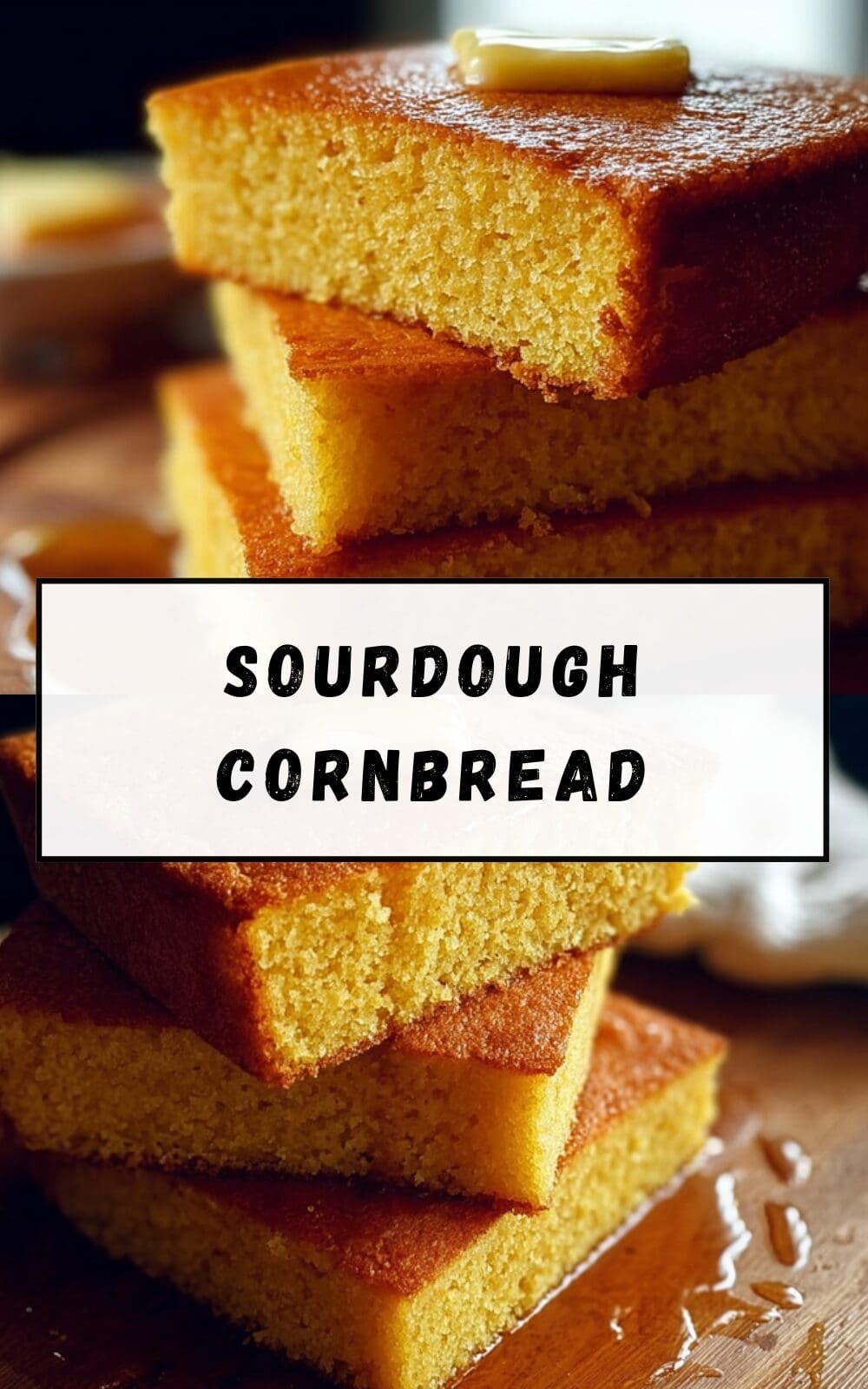
FAQs: Frequently Asked Questions About Sourdough Cornbread
What is sourdough discard and how does it affect the flavor of cornbread?
Sourdough discard is the portion of sourdough starter removed during feeding to keep the starter healthy. When used in cornbread, it adds a mild tangy flavor and contributes to a tender texture. The natural fermentation in the discard also helps develop richer, more complex flavors compared to traditional cornbread recipes.
Can I use white cornmeal instead of yellow for sourdough cornbread?
Yes, you can substitute white cornmeal in place of yellow cornmeal. White cornmeal tends to have a slightly sweeter, milder taste, while yellow cornmeal provides a more traditional cornbread flavor. Both work well, but yellow cornmeal is preferred for a classic texture and flavor.
Is it necessary to ferment the sourdough cornbread batter before baking?
Fermenting the batter for several hours or overnight enhances flavor and texture by allowing the natural yeast and bacteria to work. However, if you’re short on time, you can skip fermentation and bake immediately by adding baking powder and baking soda. The texture will be less complex but still tasty.
How should sourdough cornbread be stored to stay fresh?
To keep sourdough cornbread fresh, wrap it tightly at room temperature and consume within 2 days. Refrigeration extends freshness up to one week, but it may dry out faster. For longer storage, freeze the cornbread in airtight packaging for up to 3 months. Thaw at room temperature before serving.
What baking pan size is best for sourdough cornbread?
An 8×8-inch baking pan is ideal for thicker sourdough cornbread with a tender crumb. A 9×9-inch pan works if you prefer a thinner cornbread but requires reducing the baking time slightly to prevent overbaking. Metal pans are recommended for even heat distribution and a golden crust.
Sourdough Cornbread
- Total Time: 8 hours 30 minutes to 12 hours 30 minutes
- Yield: 8 servings 1x
Description
🌽 Enjoy the tangy depth and crispy texture of this Sourdough Cornbread, enhanced by a natural fermentation process for superior flavor.
🥄 This recipe offers a delightful twist on traditional cornbread, making it moist, flavorful, and perfect for any meal or snack.
Ingredients
⅔ cup (80 g) yellow cornmeal
1 cup (120 g) all-purpose flour
⅓ cup (70 g) granulated sugar (adjustable to taste)
1 teaspoon salt
8 tablespoons unsalted melted butter
½ cup milk or water (milk adds richness, while water works well for fermenting)
½ cup (125 g) sourdough starter discard
2 teaspoons baking powder
½ teaspoon baking soda
2 large eggs
Instructions
1-Phase 1: Creating the Fermentation Batter Begin by combining the yellow cornmeal, all-purpose flour, granulated sugar, salt, melted unsalted butter, milk (or water), and sourdough starter discard in a mixing bowl. Mix all these ingredients thoroughly until well combined. The mixture should be thick but stirrable.
2-Phase 1: Creating the Fermentation Batter Cover the bowl with a clean kitchen towel or plastic wrap and let the mixture ferment at room temperature for 8-12 hours. During this time, the mixture will become thick and stiff as the fermentation process works its magic. This fermentation step is crucial for developing that tangy flavor and improving the bread’s texture.
3-Phase 2: Preparing for Baking Once your batter has fermented, preheat your oven to 400°F (204°C). Line an 8×8 inch baking dish with parchment paper to prevent sticking and make cleanup easier.
4-Phase 2: Preparing for Baking Add 2 teaspoons of baking powder, ½ teaspoon of baking soda, and 2 large eggs to the fermented batter. Stir until smooth. The mixture will bubble slightly as the baking powder and soda react with the fermented batter, which is exactly what you want to see.
5-Phase 2: Preparing for Baking If the batter is too thick to pour easily, add a small amount of milk or water to loosen it. The consistency should be thick but pourable, similar to traditional cornbread batter.
6-Phase 3: Baking Your Cornbread Pour the batter into your prepared 8×8 inch baking dish, spreading it evenly with a spatula. Place the dish in the preheated oven and bake for 20-22 minutes.
7-Phase 3: Baking Your Cornbread You’ll know the cornbread is done when the edges are lightly browned and pulling away from the pan, and the top is a beautiful golden brown. For extra assurance, you can insert a toothpick into the center it should come out clean or with just a few moist crumbs.
8-Phase 3: Baking Your Cornbread Remove the cornbread from the oven and let it cool in the pan for about 10 minutes before slicing. This resting period helps the cornbread set and makes slicing easier. Serve warm with butter, honey, or your favorite toppings.
Notes
🥛 Use milk or dairy-free milk alternatives for the fermenting liquid to suit dietary needs.
🌶️ Customize the cornbread with add-ins like cheddar cheese, jalapeños, or corn kernels for added flavor.
⏲️ Adjust baking time if using a different size or type of baking pan for perfect doneness.
- Prep Time: 10 minutes (plus 8-12 hours fermentation)
- Fermentation Time: 8-12 hours
- Cook Time: 20 minutes
- Category: Side Dish
- Method: Baking, Fermentation
- Cuisine: American
Nutrition
- Serving Size: 1 slice
- Calories: 248 calories
- Sugar: 10g
- Sodium: 300mg
- Fat: 12g
- Saturated Fat: 5g
- Trans Fat: 0g
- Carbohydrates: 30g
- Fiber: 2g
- Protein: 5g
- Cholesterol: 60mg
Keywords: Sourdough Cornbread,Tangy Cornbread,Crispy Cornbread,Fermented Cornbread