
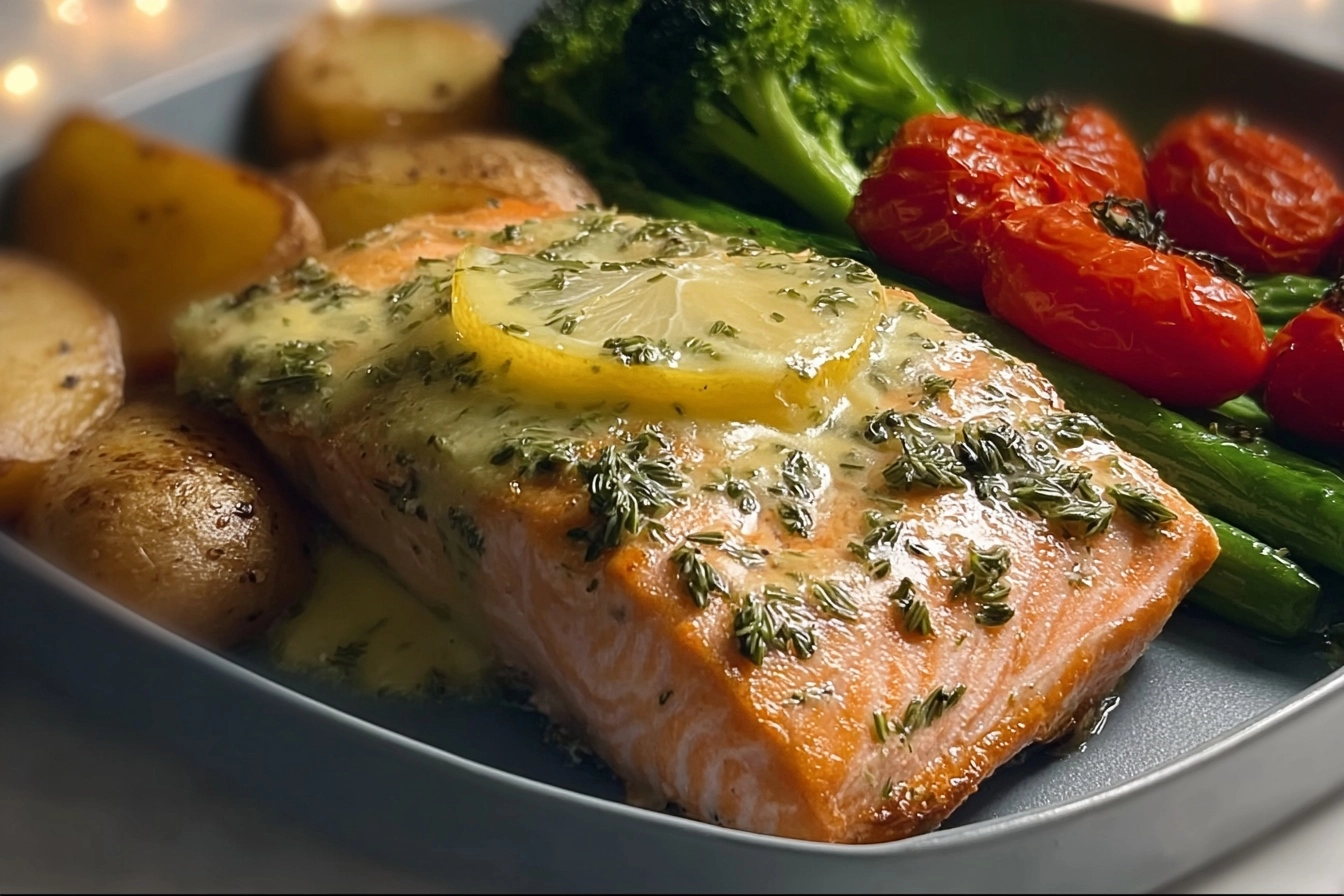
Why You’ll Love This Sheet Pan Baked Salmon
If you’re looking for a dinner that brings together convenience, nutrition, and incredible flavor, this sheet pan baked salmon recipe is about to become your new weeknight favorite. There’s something magical about a meal that cooks entirely on one pan, leaving you with minimal cleanup and maximum satisfaction.
- Ease of preparation: This sheet pan baked salmon comes together in just 15 minutes of prep time, with a total time of 50 minutes from start to finish. Simply toss your ingredients with seasonings, arrange them on a baking sheet, and let your oven handle the heavy lifting. No complicated techniques or fancy equipment needed.
- Health benefits: Packed with 41 grams of protein per serving and loaded with heart-healthy omega-3 fatty acids, salmon is a nutritional powerhouse. Combined with fiber-rich asparagus and potassium-packed potatoes, this dish delivers a well-rounded meal that fuels your body without weighing you down.
- Versatility: Whether you’re cooking for picky eaters, following a specific diet, or simply using what’s in your pantry, this recipe adapts beautifully. Swap vegetables based on seasonal availability, adjust seasonings to your taste, or modify portion sizes for meal prep.
- Distinctive flavor: The honey-Dijon glaze creates a beautiful caramelized crust on the salmon, while the Italian herb blend infuses the potatoes with aromatic goodness. Fresh lemon slices brighten the asparagus, creating a harmonious balance of flavors that tastes like you spent hours in the kitchen.
Jump To
- 1. Why You’ll Love This Sheet Pan Baked Salmon
- 2. Essential Ingredients for Sheet Pan Baked Salmon
- 3. How to Prepare the Perfect Sheet Pan Baked Salmon: Step-by-Step Guide
- 4. Dietary Substitutions to Customize Your Sheet Pan Baked Salmon
- 5. Mastering Sheet Pan Baked Salmon: Advanced Tips and Variations
- 6. How to Store Sheet Pan Baked Salmon: Best Practices
- 7. FAQs: Frequently Asked Questions About Sheet Pan Baked Salmon
- 8. Sheet Pan Baked Salmon
Essential Ingredients for Sheet Pan Baked Salmon
Gathering your ingredients ahead of time makes the cooking process smooth and enjoyable. Here’s everything you’ll need to create this delicious one-pan meal:
Main Ingredients
- 4 salmon fillets – The star of the dish, providing rich protein and healthy fats. Choose fillets of similar thickness for even cooking.
- 1 pound asparagus, ends trimmed – Adds a fresh, crisp vegetable element that roasts beautifully alongside the salmon.
- 2 pounds baby red or gold potatoes, quartered – These creamy, waxy potatoes hold their shape well during roasting and develop delicious crispy edges.
- 3 tablespoons olive oil – Used to coat the vegetables and help them roast to golden perfection.
- Salt and pepper to taste – Essential seasonings that bring out the natural flavors of all ingredients.
- 2 teaspoons Italian herb blend – A combination of dried thyme, parsley, oregano, and basil that adds aromatic depth to the potatoes.
- 1 teaspoon garlic powder – Provides savory flavor to the roasted potatoes without the risk of burning that fresh garlic might have.
- 2 tablespoons butter, melted – Creates a rich base for the salmon glaze.
- 2 tablespoons honey – Adds natural sweetness and helps create a beautiful glaze on the salmon.
- 1 teaspoon Dijon mustard – Provides tangy depth and helps emulsify the glaze ingredients.
- ½ teaspoon Italian herb blend (additional) – Extra herbs for the salmon glaze to tie the flavors together.
- ½ lemon, thinly sliced – Fresh lemon slices infuse the asparagus with bright citrus flavor during roasting.
Special Dietary Options
Vegan: Replace salmon with thick slices of firm tofu or tempeh. Swap honey for maple syrup and use plant-based butter alternative.
Gluten-free: This recipe is naturally gluten-free when using certified gluten-free Dijon mustard.
Low-calorie: Reduce the honey to 1 tablespoon and use cooking spray instead of olive oil for the vegetables.
How to Prepare the Perfect Sheet Pan Baked Salmon: Step-by-Step Guide
Creating this sheet pan baked salmon is straightforward when you follow these carefully detailed steps. The key is timing each component correctly so everything finishes cooking at the same moment.
Step 1: Prepare Your Oven and Baking Sheet
Preheat your oven to 400 degrees Fahrenheit. This temperature is ideal for roasting vegetables while cooking the salmon to tender, flaky perfection. While the oven heats, line a large baking sheet with parchment paper or aluminum foil for easier cleanup. If you don’t have either, lightly grease the pan with a small amount of olive oil.
Step 2: Season and Roast the Potatoes
In a large mixing bowl, toss the quartered baby potatoes with 2 tablespoons of olive oil, salt, pepper, garlic powder, and 2 teaspoons of Italian herb blend. Make sure each potato piece is evenly coated with the seasonings for consistent flavor throughout.
Arrange the seasoned potatoes on your prepared sheet pan in a single layer, leaving space between each piece for proper air circulation. Crowding the pan will cause the potatoes to steam rather than roast, resulting in less crispy edges.
Place the potatoes in the preheated oven and bake for 10 minutes. This head start ensures the potatoes will be tender by the time the salmon and asparagus finish cooking.
Step 3: Prepare the Honey-Dijon Glaze
While the potatoes begin roasting, whisk together the melted butter, honey, Dijon mustard, and ½ teaspoon of Italian herb blend in a small bowl until well combined. This glaze adds both flavor and moisture to the salmon, creating a delicious caramelized exterior.
Pro tip: If you prefer a stronger mustard flavor, you can increase the Dijon to 1½ teaspoons. For a sweeter glaze, add an extra tablespoon of honey.
Step 4: Add Salmon and Asparagus to the Pan
After the potatoes have roasted for 10 minutes, carefully remove the sheet pan from the oven. Push the potatoes to the sides, creating space in the center for the salmon fillets and asparagus spears.
Place the salmon fillets skin-side down on the pan, leaving a small gap between each piece. Arrange the trimmed asparagus spears around the salmon and potatoes in a single layer.
Step 5: Apply the Glaze and Season Vegetables
Using a pastry brush or spoon, generously apply the honey-Dijon glaze to the top of each salmon fillet. Make sure to coat the entire surface for maximum flavor.
Drizzle the asparagus with the remaining 1 tablespoon of olive oil, then season with salt and pepper to taste. Place the thinly sliced lemon pieces between the asparagus spears, allowing the citrus oils to release during roasting and infuse the vegetables with bright flavor.
Step 6: Final Roasting and Serving
Return the sheet pan to the oven and bake for another 15 minutes, or until the asparagus and potatoes are fork-tender and the salmon is fully cooked. The salmon should reach an internal temperature of 145 degrees Fahrenheit and flake easily when tested with a fork.
| Ingredient | Doneness Indicator |
|---|---|
| Salmon | Internal temp 145°F, flakes easily |
| Potatoes | Fork-tender, golden edges |
| Asparagus | Tender-crisp, bright green |
Once everything is cooked through, remove the pan from the oven and serve immediately. The salmon is best enjoyed fresh while the glaze is still warm and the vegetables maintain their texture.

Dietary Substitutions to Customize Your Sheet Pan Baked Salmon
Protein and Main Component Alternatives
While salmon is the traditional choice for this recipe, several alternatives work beautifully on a sheet pan. If you’re not a fan of fish or simply want to switch things up, consider these protein options:
Chicken: Boneless, skinless chicken breasts or thighs make an excellent substitute. Pound chicken breasts to an even thickness for consistent cooking, and increase the baking time to 20-25 minutes after the initial potato roasting.
Trout or Cod: These mild white fish options cook similarly to salmon but offer a different flavor profile. Reduce cooking time slightly to 12-14 minutes, as these fish tend to be thinner than salmon fillets.
Plant-based options: Thick slices of firm tofu, pressed to remove excess moisture, work well for vegetarian diets. Tempeh offers a nutty flavor and firm texture that holds up nicely to roasting.
For more seafood inspiration, check out this delicious hoisin salmon noodles recipe that puts another flavorful spin on this versatile fish.
Vegetable, Sauce, and Seasoning Modifications
The beauty of sheet pan cooking lies in its flexibility. You can easily swap vegetables based on what’s in season or what your family prefers:
Vegetable alternatives: If asparagus isn’t available or to your liking, try zucchini rounds, yellow squash slices, broccoli florets, or cauliflower florets. These alternatives roast beautifully and absorb the flavors of the dish. For a heartier option, Brussels sprouts halved lengthwise add wonderful texture and a slightly nutty flavor.
Sauce variations: While the honey-Dijon glaze is delicious, you can experiment with different flavor profiles. Try a soy-ginger glaze with 2 tablespoons soy sauce, 1 tablespoon honey, and 1 teaspoon fresh ginger. A lemon-herb butter with extra lemon zest and fresh dill creates a brighter flavor profile.
Seasoning adjustments: If you don’t have Italian herb blend on hand, create your own by combining equal parts dried thyme, parsley, oregano, and basil. Herbs de Provence makes an excellent substitute with its similar Mediterranean profile. For those who enjoy a bit of heat, add a pinch of red pepper flakes to the potato seasoning.
Mastering Sheet Pan Baked Salmon: Advanced Tips and Variations
Pro Cooking Techniques
Taking your sheet pan baked salmon from good to exceptional requires attention to a few key details that professional chefs use regularly.
Drying the salmon: Before applying any seasoning or glaze, pat the salmon fillets dry with paper towels. Removing surface moisture allows the glaze to adhere better and promotes more even browning.
Room temperature ingredients: Let your salmon sit at room temperature for 15-20 minutes before cooking. Cold fish straight from the refrigerator cooks unevenly, often resulting in overcooked edges and an undercooked center.
Potato prep: Cut your potatoes into uniform sizes for even cooking. If some pieces are significantly larger than others, they won’t finish cooking at the same time. Baby potatoes work best because their thin skin doesn’t require peeling and their small size means quick, even roasting.
Flavor Variations
Once you’ve mastered the basic recipe, try these creative variations to keep your weeknight dinners exciting:
Parmesan crusted: Sprinkle ¼ cup grated Parmesan cheese over the potatoes or asparagus before the final roasting. The cheese creates a savory, golden crust that adds wonderful depth.
Ranch seasoned: Add 1 tablespoon of dried Ranch seasoning to the potatoes along with the Italian herbs. This gives the potatoes a familiar, family-friendly flavor that kids especially love.
Mediterranean style: Replace the Italian herb blend with za’atar seasoning, add halved cherry tomatoes to the pan, and crumble feta cheese over everything during the last 5 minutes of cooking.
Make-Ahead Options
For busy families, meal prep can be a game-changer. Here’s how to prepare components ahead of time:
Wash and trim the asparagus up to 2 days in advance, storing it in a damp paper towel inside a plastic bag in the refrigerator. Cut the potatoes and store them in cold water to prevent browning. Mix the glaze ingredients and store in an airtight container at room temperature for up to a day.
According to Cleveland Clinic’s health experts, salmon offers numerous health benefits including heart-healthy omega-3 fatty acids, making this meal prep option both convenient and nutritious.
Presentation Tips
A beautiful presentation makes any meal feel special. Arrange the salmon fillets in the center of your serving platter, surround them with the roasted vegetables, and spoon any pan juices over the fish. A sprinkle of fresh chopped parsley or dill adds a pop of color, and extra lemon wedges on the side allow diners to adjust the acidity to their taste.
How to Store Sheet Pan Baked Salmon: Best Practices
Refrigeration Guidelines
Proper storage ensures your leftovers remain safe and delicious for future meals. Once the sheet pan baked salmon has cooled to room temperature, transfer the components to airtight containers. The dish keeps well in the refrigerator for up to 3 days, making it an excellent meal prep option for busy weeks.
Store the salmon separately from the vegetables if possible, as the moisture from cooling vegetables can make the fish soggy. If you’ve already combined everything on the sheet pan, simply portion into meal-prep containers with divided sections.
Freezing for Long-Term Storage
For longer storage, freeze individual portions for up to 2 months. Wrap each salmon fillet tightly in plastic wrap, then place in a freezer bag with the air removed. Label with the date for easy tracking. The roasted vegetables can be frozen separately in airtight containers, though potatoes may become slightly softer after freezing and reheating.
Reheating Recommendations
To maintain the best texture when reheating, avoid the microwave if possible. Instead, place portions in a baking dish and warm in a 275-degree oven for 10-15 minutes until heated through. This gentle reheating method preserves the salmon’s moisture and keeps the vegetables from becoming mushy.
If you’re short on time, the microwave works in a pinch. Cover the portion with a damp paper towel and heat in 30-second intervals until warm. Add a fresh squeeze of lemon juice after reheating to brighten the flavors.
Meal Prep Considerations
This recipe works wonderfully for batch cooking. Double the ingredients and use two sheet pans to prepare a week’s worth of lunches. Portion into containers with salmon, vegetables, and perhaps a side of quinoa or brown rice for complete, grab-and-go meals.
Research from Healthline shows that asparagus provides impressive health benefits including fiber, folate, and vitamins A, C, and K, making these leftovers just as nutritious as they are convenient.
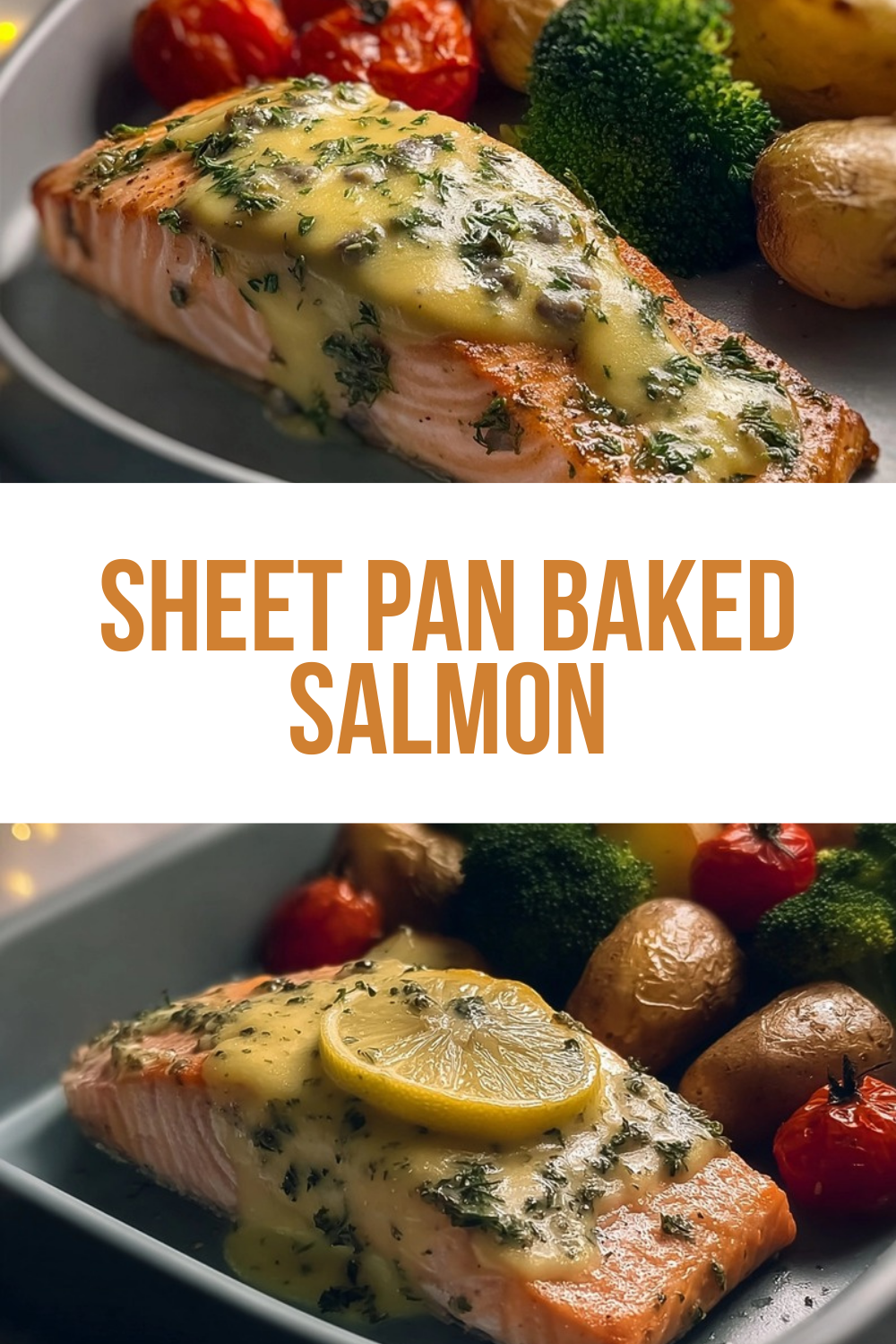
FAQs: Frequently Asked Questions About Sheet Pan Baked Salmon
What kind of salmon is best for sheet pan baked salmon?
For sheet pan baked salmon, choose skin-on fillets like Atlantic, sockeye, or coho for even cooking and crisp skin. Wild-caught salmon offers richer flavor and higher omega-3s (up to 2,000mg per serving), but farmed salmon is cheaper and widely available. Buy fresh 6-ounce portions or thaw frozen ones overnight. Look for bright pink flesh without browning or strong fishy smells. Ask your fishmonger for sustainably sourced options via labels like MSC-certified. Pat dry before seasoning with olive oil, salt, lemon, and herbs for a 20-minute meal. This keeps it moist and flaky at 400°F. (78 words)
How long does it take to bake salmon on a sheet pan?
Bake sheet pan salmon at 400°F for 12-18 minutes, depending on thickness—aim for 4-6 minutes per half-inch. A 1-inch thick fillet takes about 15 minutes. Check doneness with a thermometer: pull at 145°F internal temp for juicy results, as it continues cooking off-heat. Line the pan with parchment or foil for easy cleanup, add veggies like asparagus or potatoes midway for even timing. Overcooking dries it out, so start checking early. Rest 2-3 minutes post-bake. Serves 4 in under 30 minutes total prep-to-plate. (92 words)
What vegetables pair best with sheet pan baked salmon?
Pair sheet pan baked salmon with quick-roasting veggies like broccoli, cherry tomatoes, zucchini, bell peppers, or baby potatoes. Toss 2 cups in 2 tbsp olive oil, salt, garlic, and lemon zest; spread around salmon. Roast at 400°F—potatoes first for 10 minutes, then add others with fish for the last 12-15. This one-pan method yields caramelized edges and synced timing. Asparagus spears crisp in 10 minutes; Brussels sprouts add 5 extra. Total: balanced omega-3 meal with 20g protein per serving. Season with dill or paprika for variety. (98 words)
Can you bake frozen salmon on a sheet pan?
Yes, bake frozen salmon straight from the freezer on a sheet pan—no thawing needed. Pat dry, brush with oil, season, and add veggies. Bake at 425°F for 20-25 minutes (add 5-8 minutes to fresh time), checking at 145°F internal. Foil or parchment prevents sticking. This saves time for busy nights, retaining moisture if not overcooked. Rinse ice glaze first to avoid watery texture. Pro tip: lemon slices on top brighten flavor. Yields tender results comparable to fresh, with minimal cleanup. Ideal for 4 fillets. (89 words)
How do you store leftover sheet pan baked salmon?
Store leftover sheet pan baked salmon in an airtight container in the fridge for up to 3-4 days or freeze for 2 months. Cool completely first to avoid sogginess. Reheat gently in a 275°F oven for 10-15 minutes or microwave 30 seconds per fillet, covered. Avoid high heat to prevent dryness. Flake into salads, wraps, or patties. Freezing tip: wrap individually in plastic then foil. Nutritionally, it retains most omega-3s. Consume within 24 hours if adding creamy sauces. Always reheat to 165°F for safety. (92 words)
Sheet Pan Baked Salmon
- Total Time: 50 minutes
- Yield: 4 servings
- Diet: Pescatarian, Gluten-Free
Description
🐟🥔 Enjoy tender, flaky salmon with crisp asparagus and golden roasted potatoes all on one sheet pan, delivering omega-3s, vitamins, and flavor with minimal cleanup.
🐟🥔 Healthy, 50-minute meal perfect for weeknights, customizable with herbs or cheese for a nutritious family dinner packed with protein and veggies.
Ingredients
– 4 salmon fillets
– 1 pound asparagus, ends trimmed
– 2 pounds baby red or gold potatoes, quartered
– 3 tablespoons olive oil
– Salt and pepper to taste
– 2 teaspoons Italian herb blend
– 1 teaspoon garlic powder
– 2 tablespoons butter, melted
– 2 tablespoons honey
– 1 teaspoon Dijon mustard
– ½ teaspoon Italian herb blend (additional)
– ½ lemon, thinly sliced
Instructions
1-Step 1: Prepare Your Oven and Baking Sheet Preheat your oven to 400 degrees Fahrenheit. This temperature is ideal for roasting vegetables while cooking the salmon to tender, flaky perfection. While the oven heats, line a large baking sheet with parchment paper or aluminum foil for easier cleanup. If you don’t have either, lightly grease the pan with a small amount of olive oil.
2-Step 2: Season and Roast the Potatoes In a large mixing bowl, toss the quartered baby potatoes with 2 tablespoons of olive oil, salt, pepper, garlic powder, and 2 teaspoons of Italian herb blend. Make sure each potato piece is evenly coated with the seasonings for consistent flavor throughout. Arrange the seasoned potatoes on your prepared sheet pan in a single layer, leaving space between each piece for proper air circulation. Crowding the pan will cause the potatoes to steam rather than roast, resulting in less crispy edges. Place the potatoes in the preheated oven and bake for 10 minutes. This head start ensures the potatoes will be tender by the time the salmon and asparagus finish cooking.
3-Step 3: Prepare the Honey-Dijon Glaze While the potatoes begin roasting, whisk together the melted butter, honey, Dijon mustard, and ½ teaspoon of Italian herb blend in a small bowl until well combined. This glaze adds both flavor and moisture to the salmon, creating a delicious caramelized exterior.
4-Step 4: Add Salmon and Asparagus to the Pan After the potatoes have roasted for 10 minutes, carefully remove the sheet pan from the oven. Push the potatoes to the sides, creating space in the center for the salmon fillets and asparagus spears. Place the salmon fillets skin-side down on the pan, leaving a small gap between each piece. Arrange the trimmed asparagus spears around the salmon and potatoes in a single layer.
5-Step 5: Apply the Glaze and Season Vegetables Using a pastry brush or spoon, generously apply the honey-Dijon glaze to the top of each salmon fillet. Make sure to coat the entire surface for maximum flavor. Drizzle the asparagus with the remaining 1 tablespoon of olive oil, then season with salt and pepper to taste. Place the thinly sliced lemon pieces between the asparagus spears, allowing the citrus oils to release during roasting and infuse the vegetables with bright flavor.
6-Step 6: Final Roasting and Serving Return the sheet pan to the oven and bake for another 15 minutes, or until the asparagus and potatoes are fork-tender and the salmon is fully cooked. The salmon should reach an internal temperature of 145 degrees Fahrenheit and flake easily when tested with a fork. Once everything is cooked through, remove the pan from the oven and serve immediately. The salmon is best enjoyed fresh while the glaze is still warm and the vegetables maintain their texture.
Notes
🧀 Sprinkle Parmesan on potatoes or asparagus before baking for extra cheesiness.
🌿 Use fresh herbs (3x dried amount) like thyme early and parsley as garnish for brighter flavor.
📦 Store leftovers in fridge up to 3 days; perfect for easy meal prep.
- Prep Time: 15 minutes
- Cook Time: 25 minutes
- Category: Main Dishes
- Method: Sheet Pan
- Cuisine: American
Nutrition
- Serving Size: 1 serving
- Calories: 571 kcal
- Sugar: 13 g
- Sodium: 114 mg
- Fat: 22 g
- Saturated Fat: 3 g
- Unsaturated Fat: 19 g
- Trans Fat: 0 g
- Carbohydrates: 54 g
- Fiber: 8 g
- Protein: 41 g
- Cholesterol: 94 mg
Keywords: sheet pan salmon, salmon asparagus potatoes, easy baked salmon, one pan dinner