
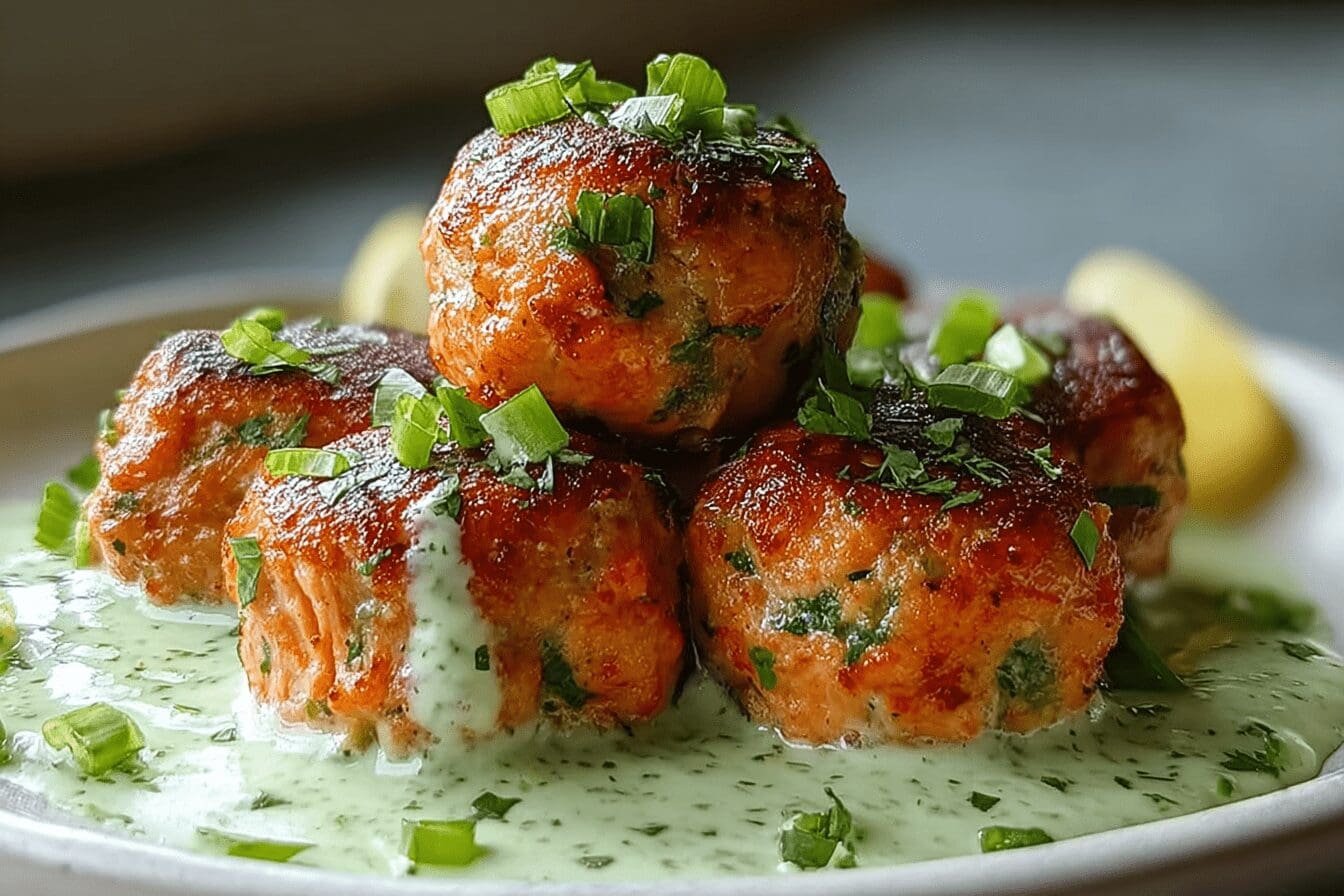
Why You’ll Love This Salmon Balls
Salmon balls are a fantastic option for anyone looking for a quick and tasty meal that fits into a busy schedule. They take just 15 25 minutes of active prep and a short cook time, making them ideal for busy parents, students, and working professionals who want flavorful salmon balls without spending hours in the kitchen. The process involves flaking salmon, mixing it with simple binders and seasonings, shaping the mixture, and then baking or frying for a straightforward result that’s perfect for weeknights or beginner cooks.
Beyond ease, salmon balls pack impressive health benefits from using fresh or canned salmon, which provides omega-3s, high-quality protein, vitamin D, and B vitamins to support heart and brain health. This recipe keeps things light by opting for baking over heavy frying, allowing diet-conscious individuals to enjoy a lean, nutrient-rich dish that promotes overall wellness and satiety. Whether you’re a food enthusiast or someone managing dietary needs, these salmon balls can be adapted for lower calories or gluten-free options while still delivering on taste.
What makes salmon balls truly versatile is their ability to star in various meals, from appetizers with dipping sauces to additions in salads, rice bowls, or pasta dishes. This adaptability suits everyone from newlyweds planning romantic dinners to seniors seeking simple, nourishing recipes. With their delicate, briny sweetness enhanced by herbs like dill, salmon balls offer a satisfying contrast of crisp exterior and tender interior that will inspire you to get creative in the kitchen.
Jump To
- 1. Why You’ll Love This Salmon Balls
- 2. Essential Ingredients for Salmon Balls
- 3. How to Prepare the Perfect Salmon Balls: Step-by-Step Guide
- 4. Dietary Substitutions to Customize Your Salmon Balls Protein and Main Component Alternatives
- 5. Dietary Substitutions to Customize Your Salmon Balls Vegetable, Sauce, and Seasoning Modifications
- 6. Mastering Salmon Balls: Advanced Tips and Variations
- 7. How to Store Salmon Balls: Best Practices
- 8. FAQs: Frequently Asked Questions About Salmon Balls
- 9. Salmon Balls
Essential Ingredients for Salmon Balls
To make this salmon balls recipe, you’ll need a specific set of ingredients that come together quickly for a delicious result. This simple recipe is ready in about 30 minutes and works well as an appetizer or entree. Below is a comprehensive list of all the ingredients required, based on the core recipe provided.
- 1 (15 1/2 ounce) can salmon
- 1/4 cup breadcrumbs
- 1/4 cup diced green onion
- 1 tablespoon mayonnaise
- 1 tablespoon lemon juice
- 1/2 teaspoon dill weed
- 1/4 teaspoon salt
These ingredients form the base of your salmon balls, ensuring they hold together well and deliver great flavor. For variations, consider using pouched salmon for a different texture, or try substitutions like herb-seasoned stuffing mix for breadcrumbs and yellow onion for green onion. If you want a fresher take, opt for fresh salmon, fresh garlic, lime, olive oil mayonnaise, and gluten-free breading mix to customize based on your preferences.
How to Prepare the Perfect Salmon Balls: Step-by-Step Guide
Getting started with salmon balls begins with gathering and preparing your ingredients, which takes about 10 minutes. Drain the salmon from its can and combine it with the breadcrumbs, diced green onion, mayonnaise, lemon juice, dill weed, and salt in a bowl. This sets the stage for forming the mixture into 25 balls and baking them on a greased cookie sheet in a preheated 350-degree oven for 20 minutes.
First Step: Gather and Prepare Ingredients
Remove skin from 1 lb (450 g) salmon and pat the fillet dry, or use the canned version as specified. Finely dice or pulse in a food processor for several quick pulses until flaky but not pureed. Measure 1/2 cup panko (or gluten-free crumbs), chop 2 tbsp green onions, mince 1 garlic clove, zest 1 tsp lemon, and crack 1 egg. Preparing ingredients ahead speeds assembly and ensures consistent texture for your salmon balls. Explore similar salmon dishes for more ideas.
Second Step: Combine and Season
In a large bowl, gently fold the flaked salmon with panko, egg, green onions, garlic, Dijon mustard (1 tbsp), lemon zest, 1 tsp salt, and 1/2 tsp pepper. Avoid overworking to keep the mixture tender. For adaptations, swap in grated zucchini for panko in low-calorie versions.
Third Step: Rest and Bind
Let the mixture rest in the refrigerator for 8 10 minutes so the breadcrumbs absorb moisture. This helps maintain a uniform interior when cooking salmon balls.
Fourth Step: Shape the Balls
Wet your hands slightly and scoop roughly 1.5 tablespoons per ball, rolling gently to form even spheres. Uniform sizing ensures even cooking, especially for meal prep.
Fifth Step: Choose Your Cooking Method and Preheat
For baking, preheat oven to 400°F (200°C) and line a baking sheet with parchment, or follow the recipe by preheating to 350 degrees and using a greased cookie sheet. Each method affects the texture of your salmon balls.
Sixth Step: Cook to Safe Temperature
Bake the balls for 20 minutes as directed, or adjust for other methods to reach an internal temperature of 145°F (63°C). Serve them warm with tartar sauce or as a main entree.
Seventh Step: Rest and Finish
Transfer cooked salmon balls to a plate to rest for 2 3 minutes. This step yields juicy results, enhancing their appeal for any meal.
Eighth Step: Serve and Adapt
Serve with lemon wedges or dips like mayonnaise and lime, or add chili lime mayo for spice. For storage, cool and refrigerate up to 3 days or freeze for later. These practical adjustments keep the recipe adaptable, as seen in variations like Asian-inspired options.
Dietary Substitutions to Customize Your Salmon Balls Protein and Main Component Alternatives
Customizing salmon balls starts with swapping the main protein for different options. Canned salmon (14 15 oz / 400 g), drained and flaked, is a convenient choice that works well, but you can use canned tuna or cooked white fish for a milder flavor. For shellfish lovers, finely chopped shrimp or crab adds a sweet, briny note, while firm tofu or mashed chickpeas offer vegan alternatives.
Ground chicken or turkey can provide a lean poultry substitute, and for low-carb versions, replace panko with almond flour. Always watch moisture levels and chill the mixture before shaping to ensure your salmon balls hold together perfectly. Try a similar protein-based recipe for inspiration.
| Protein Alternative | Benefits |
|---|---|
| Canned Tuna | Milder taste, easy to use |
| Firm Tofu | Vegan option with similar texture |
Dietary Substitutions to Customize Your Salmon Balls Vegetable, Sauce, and Seasoning Modifications
Adding vegetables like 1/2 cup finely grated zucchini or carrot can boost fiber and control moisture in your salmon balls. Swap herbs such as dill for parsley or cilantro to change the flavor profile, and incorporate spices like smoked paprika for heat. Serve with sauces like tartar sauce or a soy-ginger glaze to match your theme, and use tamari for gluten-free options.
These modifications allow you to turn salmon balls into versatile meals, from salads to rice bowls. For sodium control, rely on lemon juice and fresh herbs to enhance taste without extra salt.
Mastering Salmon Balls: Advanced Tips and Variations
Pro Cooking Techniques
For tender salmon balls, start with cold salmon and pulse in short bursts. Preheat your skillet for even browning, and finish in the oven if needed. Enhance crispness by double-coating with panko.
Flavor Variations
Explore styles like Nordic with dill and mustard, or Asian with ginger and sesame oil. Pair with glazes for added depth, making your salmon balls endlessly customizable.
Presentation Tips
Serve on wilted greens with garnishes for visual appeal, perfect for appetizers or meals.
Make-Ahead Options
Freeze raw or cooked balls for easy prep, labeling for convenience. For external insights, learn about salmon benefits to understand why this dish is so nutritious.
How to Store Salmon Balls: Best Practices
Store cooked salmon balls in an airtight container in the refrigerator for up to 3 days to keep them fresh. For freezing, flash-freeze on a baking sheet before transferring to bags, lasting up to 3 months. Reheat in the oven at 350°F (175°C) to maintain texture, avoiding the microwave for better results.
This method ensures your salmon balls stay juicy and flavorful, making meal prep a breeze for busy families.

FAQs: Frequently Asked Questions About Salmon Balls
What ingredients do I need to make salmon balls at home?
To make salmon balls, you’ll typically need fresh or canned salmon, breadcrumbs or crushed crackers, an egg to bind the mixture, finely chopped onions or scallions, minced garlic, salt, pepper, and optional herbs like dill or parsley. Some recipes include a splash of lemon juice or Worcestershire sauce for added flavor. Mixing these ingredients evenly and shaping them into small balls before cooking will give you tender, flavorful salmon bites.
How do I cook salmon balls so they are crispy on the outside?
For crispy salmon balls, pan-frying is the best method. Heat a tablespoon or two of oil in a non-stick skillet over medium heat. Place the salmon balls gently into the hot oil and cook for about 3-4 minutes on each side until golden brown and crispy. Avoid overcrowding the pan to maintain even heat. Alternatively, baking at 400°F (200°C) on a greased sheet for 15-20 minutes, turning once, also produces a slightly crisp exterior with less oil.
Can I use canned salmon instead of fresh for salmon balls?
Yes, canned salmon is a convenient and budget-friendly option for salmon balls. It’s already cooked and easy to flake, which speeds up preparation. Use canned salmon with bones included for extra calcium, or boneless if preferred. Just be sure to drain any excess liquid before mixing with other ingredients. Canned salmon yields moist, flavorful salmon balls that work well for quick meals.
How should I store leftover salmon balls to keep them fresh?
Store leftover salmon balls in an airtight container in the refrigerator for up to 3 days. To reheat, warm them gently in a skillet over low heat or in a preheated oven at 350°F (175°C) to maintain their texture. For longer storage, freeze salmon balls on a baking sheet until firm, then transfer to a freezer-safe bag or container. They keep well frozen for up to 2 months and can be reheated directly from frozen.
What sauces pair well with salmon balls for serving?
Salmon balls pair wonderfully with a variety of sauces. Classic options include tartar sauce, creamy dill sauce, or a tangy lemon aioli. Soy sauce or a spicy sriracha mayo add a flavorful kick for those who enjoy bold tastes. For a lighter choice, serve with a simple yogurt and herb dip or a squeeze of fresh lemon. These sauces enhance the salmon’s natural taste and add a delicious finishing touch.

Salmon Balls
- Total Time: 30 minutes
- Yield: 25 salmon balls
- Diet: Gluten-Free option if using gluten-free breadcrumbs
Description
🐟 Enjoy a quick and easy recipe for baked salmon balls packed with flavorful herbs and simple ingredients.
🍋 Perfect as an appetizer or entree, these salmon balls offer a healthy, delicious option that’s ready in about 30 minutes.
Ingredients
– 1 (15 1/2 ounce) can salmon
– 1/4 cup breadcrumbs
– 1/4 cup diced green onion
– 1 tablespoon mayonnaise
– 1 tablespoon lemon juice
– 1/2 teaspoon dill weed
– 1/4 teaspoon salt
Instructions
1-First Step: Gather and Prepare Ingredients Remove skin from 1 lb (450 g) salmon and pat the fillet dry, or use the canned version as specified. Finely dice or pulse in a food processor for several quick pulses until flaky but not pureed. Measure 1/2 cup panko (or gluten-free crumbs), chop 2 tbsp green onions, mince 1 garlic clove, zest 1 tsp lemon, and crack 1 egg. Preparing ingredients ahead speeds assembly and ensures consistent texture for your salmon balls. Explore similar salmon dishes for more ideas.
2-Second Step: Combine and Season In a large bowl, gently fold the flaked salmon with panko, egg, green onions, garlic, Dijon mustard (1 tbsp), lemon zest, 1 tsp salt, and 1/2 tsp pepper. Avoid overworking to keep the mixture tender. For adaptations, swap in grated zucchini for panko in low-calorie versions.
3-Third Step: Rest and Bind Let the mixture rest in the refrigerator for 8 10 minutes so the breadcrumbs absorb moisture. This helps maintain a uniform interior when cooking salmon balls.
4-Fourth Step: Shape the Balls Wet your hands slightly and scoop roughly 1.5 tablespoons per ball, rolling gently to form even spheres. Uniform sizing ensures even cooking, especially for meal prep.
5-Fifth Step: Choose Your Cooking Method and Preheat For baking, preheat oven to 400°F (200°C) and line a baking sheet with parchment, or follow the recipe by preheating to 350 degrees and using a greased cookie sheet. Each method affects the texture of your salmon balls.
6-Sixth Step: Cook to Safe Temperature Bake the balls for 20 minutes as directed, or adjust for other methods to reach an internal temperature of 145°F (63°C). Serve them warm with tartar sauce or as a main entree.
7-Seventh Step: Rest and Finish Transfer cooked salmon balls to a plate to rest for 2 3 minutes. This step yields juicy results, enhancing their appeal for any meal.
8-Eighth Step: Serve and Adapt Serve with lemon wedges or dips like mayonnaise and lime, or add chili lime mayo for spice. For storage, cool and refrigerate up to 3 days or freeze for later. These practical adjustments keep the recipe adaptable, as seen in variations like Asian-inspired options.
Notes
🐠 For varied texture, try pouched salmon instead of canned.
🌿 Substitute herb-seasoned stuffing mix for breadcrumbs or dill pickle juice for dill weed.
🔥 Add a spicy kick by serving with chili lime mayo or lime-infused mayonnaise dip.
- Prep Time: 10 minutes
- Cook Time: 20 minutes
- Category: Appetizer, Main Course
- Method: Baking
- Cuisine: American
Nutrition
- Serving Size: 5 salmon balls
Keywords: Baked salmon balls,Salmon appetizer,Easy salmon recipe,Herbed salmon balls