
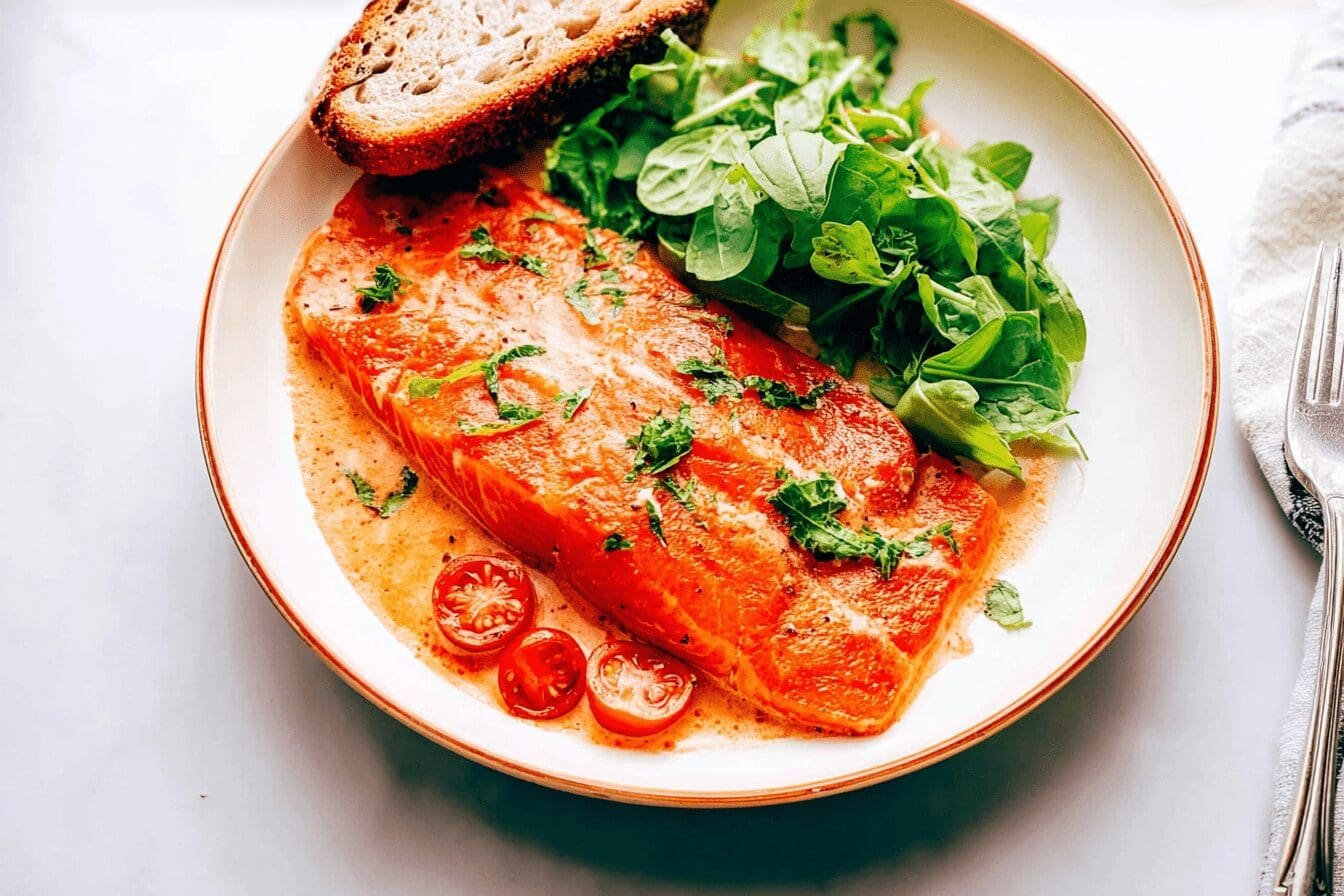
Why You’ll Love This Salmon
Salmon stands out as a versatile fish species from the genera Salmo and Oncorhynchus, which thrive in the North Atlantic and Pacific Oceans and their tributaries. Salmon is anadromous, meaning it hatches in freshwater, journeys to the ocean to grow, and returns to freshwater to spawn, though some populations remain landlocked and adapt to inland waters. This recipe highlights salmon’s natural appeal with its ease of preparation, taking just minutes to assemble and cook, ideal for home cooks, busy parents, or students seeking quick meals.
One of the main draws is salmon’s impressive health profile, as it brims with omega-3 fatty acids that support heart health and provide high-quality protein for muscle repair. Vitamins like B12 and D, along with minerals such as potassium and selenium, make it a smart choice for diet-conscious individuals and food enthusiasts. You can tweak this dish to fit various needs, such as pairing it with gluten-free sides or low-calorie options, adding to its flexibility for everyone from working professionals to seniors looking for nutritious dinners.
Salmon’s rich flavor comes alive with simple seasonings, making it perfect for family meals or gatherings. Preparation times for such dishes often range from 15 to 20 minutes, excluding any marinating, which lets you enjoy a flavorful meal without much fuss. For more ideas on pairing salmon, check out our hoisin salmon noodles recipe on the site.
Key Benefits and Adaptations
The dish enhances the fish’s delicate taste through basic ingredients, ensuring it remains juicy and full of nutrition. Wild-caught salmon often has higher omega-3 levels compared to farmed varieties, both of which offer key nutrients like astaxanthin for better wellness. Whether you’re grilling or baking, these tips help keep the meal accessible and enjoyable for all.
Jump To
- 1. Why You’ll Love This Salmon
- 2. Essential Ingredients for Salmon
- 3. How to Prepare the Perfect Salmon: Step-by-Step Guide
- 4. Dietary Substitutions to Customize Your Salmon
- 5. Mastering Salmon: Advanced Tips and Variations
- 6. How to Store Salmon: Best Practices
- 7. FAQs: Frequently Asked Questions About Salmon
- 8. Salmon
Essential Ingredients for Salmon
Using the right ingredients is key to creating a tasty salmon dish. Below is a comprehensive list that combines the essentials from various recipes, ensuring you have everything needed for a complete meal. This structured list includes precise measurements for clarity, making it simple to follow for any home cook.
- 4 salmon fillets (6 oz each) – serves as the main protein source, packed with omega-3s
- 2 tablespoons olive oil – adds healthy fats and helps achieve a crispy exterior
- 1 lemon, juiced – brightens the flavor and tenderizes the fish
- 2 cloves garlic, minced – provides aromatic depth and antioxidants
- Salt and pepper, to taste – essential for enhancing natural flavors
- 200 to 250 grams of salmon fillet per serving – the core ingredient for each portion
- 1 teaspoon of olive oil or 10 grams of butter for cooking – for brushing or melting to add moisture
- 1/4 teaspoon of salt – for even seasoning
- 1/8 teaspoon of ground black pepper – to add a subtle spice
- Juice of half a lemon (around 1 tablespoon) – to finish and enhance taste
- 1 to 2 teaspoons of chopped fresh herbs, such as dill or parsley – for added freshness
For special dietary options, consider these adjustments to make the recipe more inclusive.
- Vegan: Opt for tofu or tempeh as plant-based substitutes
- Gluten-free: Verify that all seasonings are certified gluten-free
- Low-calorie: Use cooking spray instead of oil for a lighter touch
Ingredient Tips for Best Results
Fresh herbs and citrus like lemon pair well with salmon, boosting its natural flavors while keeping things simple. Always remove pin bones before cooking to ensure a smooth texture, and use a food thermometer to check for doneness at 145°F (63°C).
How to Prepare the Perfect Salmon: Step-by-Step Guide
Salmon preparation involves straightforward steps that yield delicious results, whether you’re baking or grilling. Common methods include grilling, baking, smoking, or poaching, with baking being a popular choice for its ease. Start by preheating your oven to 400°F (200°C) and lining a baking sheet to avoid sticking, as this sets the stage for a flawless cook.
Next, pat the salmon fillets dry and season them evenly with salt, pepper, and minced garlic for a flavorful base. Drizzle olive oil over the fillets to promote a golden crust, then place them on the sheet and add fresh lemon juice for brightness. Bake for 12-15 minutes until the fish flakes easily and reaches the right internal temperature, keeping in mind that avoiding overcooking helps retain moisture.
Nutritionally, this method preserves salmon’s omega-3 fatty acids and other vitamins, making it a healthy option. For a click through like this one, consider exploring our chicken alfredo tater tot casserole for complementary side ideas. Finish by adding chopped herbs for extra taste, adapting as needed for dietary preferences.
Step-by-Step Breakdown
| Step | Description | Tips |
|---|---|---|
| 1. Preheat | Set oven to 400°F and prepare baking sheet | Use foil for easy cleanup |
| 2. Season | Dry and season fillets | Apply seasonings evenly |
| 3. Oil and Juice | Add oil and lemon juice | Enhances flavor and moisture |
| 4. Bake | Cook for 12-15 minutes | Check temperature for doneness |
| 5. Serve | Garnish and enjoy | Pair with veggies for balance |

Dietary Substitutions to Customize Your Salmon
Salmon recipes are highly adaptable, allowing for changes based on dietary needs or preferences. For protein alternatives, swap salmon with trout or arctic char to maintain a similar taste and texture while incorporating the fish’s natural migratory traits. This flexibility makes it suitable for food enthusiasts and travelers seeking familiar flavors abroad.
Vegan options include using marinated tofu or grilled portobello mushrooms, which provide a hearty substitute without losing nutritional value. When modifying vegetables, sauces, or seasonings, try swapping green beans for asparagus or using tahini-based dressings for a dairy-free twist. Experimenting with herbs like basil or cilantro can add new dimensions, especially when paired with garlic for enhanced flavor, as salmon naturally complements these ingredients.
Common Modifications
- Protein swaps: Use trout for a mild taste
- Herb changes: Add dill for freshness
- Sauce options: Go for yogurt-based for creaminess
These tips, including cooking skin-side down to preserve juiciness, help achieve perfect results. For more inspiration, salmon nutrition and health benefits provide deeper insights into its advantages.
Mastering Salmon: Advanced Tips and Variations
To elevate your salmon skills, explore pro techniques like sous vide for precise control, ensuring the fish stays tender and flavorful. Flavor variations such as a maple and mustard glaze or a spicy chili rub can transform a simple dish into something exciting, drawing on salmon’s rich nutritional profile including astaxanthin. Presentation matters too; arrange with colorful vegetables and fresh herbs for an appealing plate that appeals to baking enthusiasts and newlyweds alike.
Preparation times remain efficient at 15-20 minutes, but marinating for 30 minutes to hours adds depth. Tips like using marinades or rubs enhance taste, and always cook skin-side down when baking to protect the flesh. Salmon pairs well with citrus and light sauces, making it a hit for various occasions. Both wild and farmed salmon offer health benefits, with wild types potentially having fewer contaminants, according to sources like omega-3 fatty acids information.
Advanced Techniques
- Use a thermometer for accuracy
- Try new glazes for variety
- Make ahead for convenience
How to Store Salmon: Best Practices
Proper storage keeps salmon fresh and safe, whether raw or cooked. For refrigeration, place fresh salmon in airtight containers and use within 1-2 days to maintain its quality and omega-3 content. Freezing works well too; wrap tightly in foil and store in a freezer bag for up to 3 months, preserving the fish’s natural nutrients like vitamins B12 and D.
When reheating cooked salmon, opt for a low-temperature oven or stovetop to keep it moist, avoiding any loss of flavor from overcooking. For meal prep, portion into sealed containers for easy access during the week, making it ideal for busy parents and working professionals. Remember, salmon’s anadromous life cycle highlights its resilience, much like how proper storage extends its usability in your kitchen.
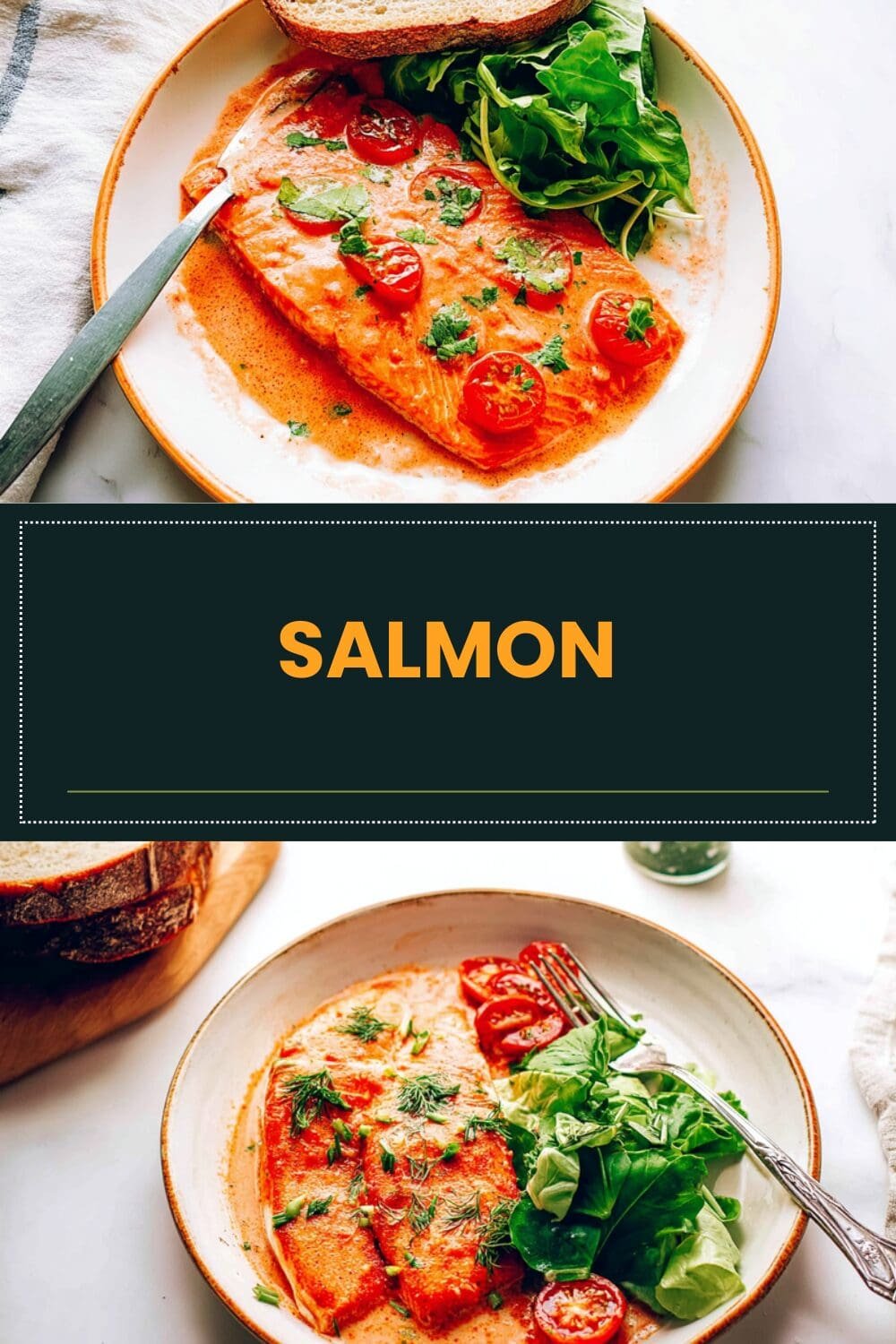
FAQs: Frequently Asked Questions About Salmon
What are the health benefits of eating salmon regularly?
Salmon is rich in omega-3 fatty acids, which support heart health by reducing inflammation and lowering blood pressure. It’s also a great source of high-quality protein, vitamin D, and B vitamins, which help improve brain function and boost energy levels. Eating salmon two to three times a week can contribute to better cardiovascular health, improved cognitive function, and stronger bones due to its nutrient profile.
How can I tell if fresh salmon is safe to eat?
Fresh salmon should have firm, moist flesh with a bright pink to orange color. The skin should look shiny without any discoloration or dry patches. It should smell mild and slightly briny, never fishy or sour. When buying, check for clear, not cloudy, eyes if the head is present. Keeping salmon refrigerated below 40°F (4°C) and consuming it within two days of purchase helps ensure safety.
What is the best way to cook salmon to keep it moist and flavorful?
For moist and flavorful salmon, try baking at 375°F (190°C) for 12-15 minutes, depending on thickness. Cooking with the skin on helps retain moisture. Alternatively, pan-searing over medium-high heat for about 4-5 minutes per side locks in juiciness. Avoid overcooking; the salmon should flake easily and appear slightly translucent in the center. Adding lemon juice, herbs, or a light marinade can enhance flavor without adding extra fat.
Are wild-caught and farmed salmon different in terms of nutrition?
Yes, wild-caught salmon typically contains fewer calories and less fat than farmed varieties but has a higher proportion of omega-3 fatty acids. Farmed salmon may have higher levels of omega-6 fats due to their diet and sometimes contain trace contaminants. Both are good protein sources, but if you prefer more natural options, wild-caught salmon is generally considered better. Look for sustainability certifications when purchasing.
How should I store cooked salmon to keep it fresh?
Store cooked salmon in an airtight container or tightly wrapped in foil or plastic wrap. Refrigerate promptly at or below 40°F (4°C) and consume within 3-4 days for best quality. For longer storage, freeze cooked salmon in a sealed freezer bag for up to 2 months. To reheat, thaw in the refrigerator overnight and warm gently to prevent drying out the fish.
Salmon
- Total Time: 17-20 minutes
- Yield: 1 serving
- Diet: Pescatarian, Gluten-Free
Description
🐟 Discover the health benefits of salmon, packed with omega-3 fatty acids and high-quality protein for a nourishing meal.
🍋 This recipe guide helps you prepare flavorful salmon dishes easily, with tips for perfect cooking every time.
Ingredients
– 4 salmon fillets (6 oz each) serves as the main protein source, packed with omega-3s
– 2 tablespoons olive oil adds healthy fats and helps achieve a crispy exterior
– 1 lemon, juiced brightens the flavor and tenderizes the fish
– 2 cloves garlic, minced provides aromatic depth and antioxidants
– Salt and pepper, to taste essential for enhancing natural flavors
– 200 to 250 grams of salmon fillet per serving the core ingredient for each portion
– 1 teaspoon of olive oil or 10 grams of butter for cooking for brushing or melting to add moisture
– 1/4 teaspoon of salt for even seasoning
– 1/8 teaspoon of ground black pepper to add a subtle spice
– Juice of half a lemon (around 1 tablespoon) to finish and enhance taste
– 1 to 2 teaspoons of chopped fresh herbs, such as dill or parsley for added freshness
Instructions
1-Preheat: Set oven to 400°F and prepare baking sheet
2-Season: Dry and season fillets
3-Oil and Juice: Add oil and lemon juice
4-Bake: Cook for 12-15 minutes
5-Serve: Garnish and enjoy
Notes
🐠 Remove pin bones before cooking for a better eating experience.
⏲️ Avoid overcooking to retain moisture and tenderness in the fish.
🌿 Use marinades or rubs and cook skin-side down to enhance flavor and protect flesh during baking.
- Prep Time: 5 minutes
- Cooking time: 12-15 minutes
- Cook Time: 12-15 minutes
- Category: Main Dish
- Method: Grilling or Baking
- Cuisine: Global
Nutrition
- Serving Size: 200 to 250 grams
Keywords: Salmon Recipes, Healthy Salmon, Grilled Salmon, Baked Salmon