
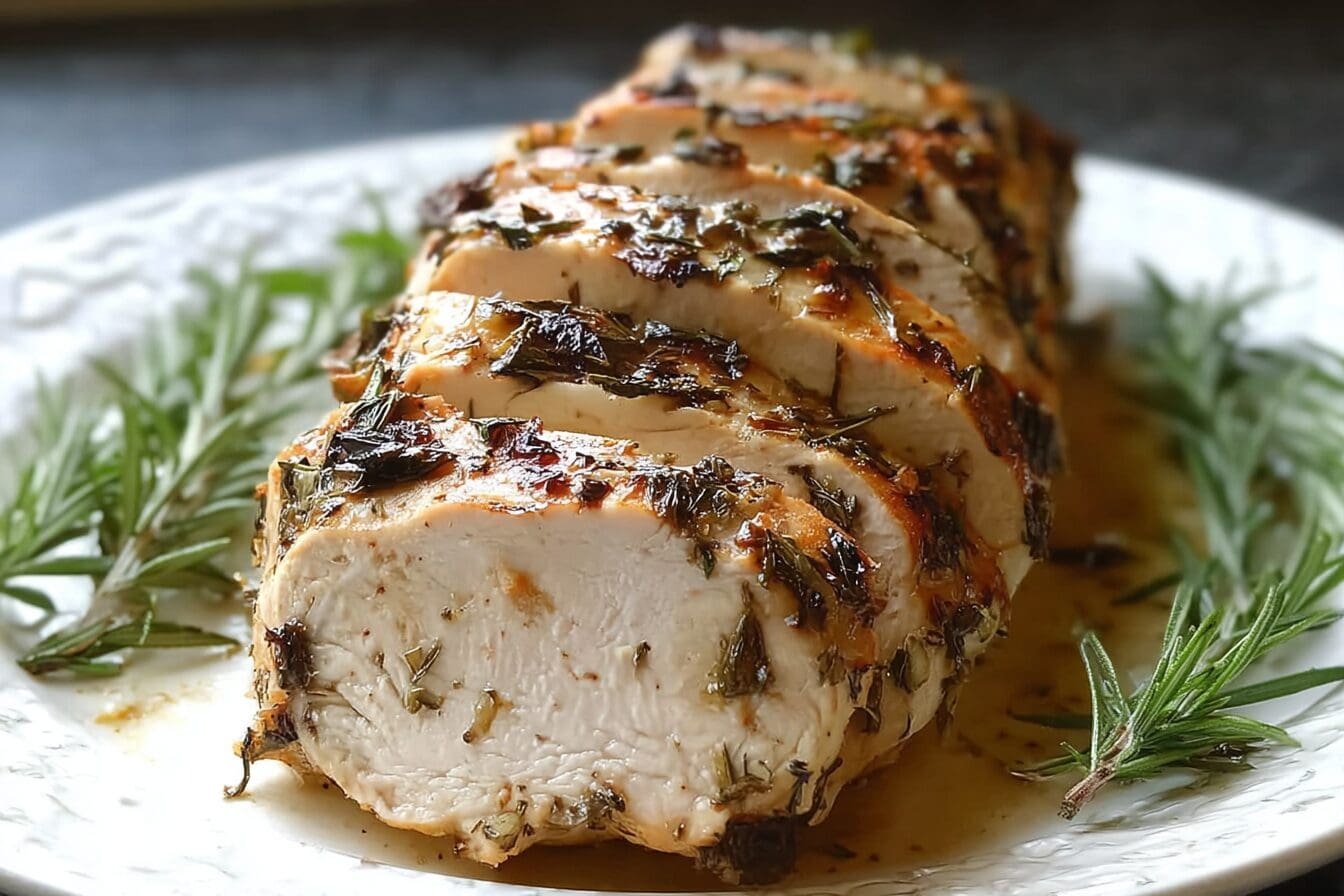
Why You’ll Love This Rosemary Garlic Turkey Breast
This flavorful turkey recipe offers a simple way to enjoy a delicious meal that’s perfect for everyday dinners or special occasions. The combination of fresh herbs and spices creates a dish that’s not only tasty but also easy to prepare, making it ideal for home cooks of all skill levels. With its juicy texture and aromatic flavors, it’s sure to become a favorite in your kitchen.
- Ease of preparation: One of the best features of this Rosemary Garlic Turkey Breast is how straightforward it is to make, with prep taking just 5 minutes and cooking around 2 hours total. You’ll appreciate the simple steps that don’t require fancy tools, allowing busy parents and working professionals to get dinner on the table without stress. This makes it a go-to choice for those seeking quick yet impressive meals that use basic ingredients.
- Health benefits: Turkey breast serves as a lean protein source that’s packed with essential nutrients, helping diet-conscious individuals maintain their wellness goals while enjoying satisfying flavors. The olive oil adds healthy fats, and the fresh rosemary and garlic provide antioxidants that support overall health, making this dish a smart option for families and seniors looking for balanced eating. It’s naturally low in fat and calories, aligning with common dietary needs across various lifestyles.
- Versatility: This recipe adapts easily to different preferences, whether you’re cooking for students on a budget or newlyweds experimenting in the kitchen. You can tweak it for various dietary requirements, such as swapping herbs or using boneless cuts, and it pairs well with sides like vegetables or rice. That flexibility helps food enthusiasts and travelers incorporate familiar flavors into new meals.
- Distinctive flavor: What really sets this Rosemary Garlic Turkey Breast apart is the blend of garlic and rosemary that infuses every bite with a fresh, aromatic taste that’s hard to resist. The seasoning creates a crispy skin and juicy meat, offering a standout dish that appeals to baking enthusiasts and home cooks alike. This unique profile makes it a versatile option for quick family dinners or gatherings.
By focusing on these benefits, you’ll see how this turkey recipe fits into a busy lifestyle while delivering on taste and nutrition. For more ideas on healthy proteins, check out this external resource on turkey’s advantages: unlocking turkey health benefits.
Jump To
- 1. Why You’ll Love This Rosemary Garlic Turkey Breast
- 2. Essential Ingredients for Rosemary Garlic Turkey Breast
- 3. How to Prepare the Perfect Rosemary Garlic Turkey Breast: Step-by-Step Guide
- 4. Dietary Substitutions to Customize Your Rosemary Garlic Turkey Breast
- 5. Mastering Rosemary Garlic Turkey Breast: Advanced Tips and Variations
- 6. How to Store Rosemary Garlic Turkey Breast: Best Practices
- 7. FAQs: Frequently Asked Questions About Rosemary Garlic Turkey Breast
- 8. Rosemary Garlic Turkey Breast
Essential Ingredients for Rosemary Garlic Turkey Breast
Gathering the right ingredients is key to creating a delicious Rosemary Garlic Turkey Breast that balances flavor and nutrition. Each item plays a specific role in enhancing the dish, making it easy for home cooks to achieve great results. Below is a detailed list of the main ingredients with their precise measurements and explanations of their purpose, ensuring everything is clear and ready for your kitchen.
Main Ingredients
- 2 tablespoons olive oil – This provides a healthy fat base for the seasoning mixture, helping it spread evenly and keeping the turkey moist during roasting.
- 8 cloves garlic – These add a bold, pungent flavor that infuses the meat, offering both taste and potential health benefits like immune support.
- 2 tablespoons fresh rosemary – Fresh rosemary brings an aromatic, earthy note that makes the turkey stand out, while also aiding in digestion.
- 1 teaspoon salt – Salt enhances the overall flavor of the turkey, drawing out juices and ensuring the seasoning penetrates deeply.
- 1 teaspoon paprika – This spice adds a subtle smokiness and vibrant color to the skin, contributing to the dish’s visual appeal and mild heat.
- 1 (5 lb) bone-in turkey breast (or a boneless option around 3 lbs) – The main protein source, providing lean, juicy meat that serves as the centerpiece; bone-in adds extra flavor, while boneless offers convenience.
Special Dietary Options
For those with specific needs, here are some easy swaps to keep things adaptable. For a vegan version, use a plant-based turkey substitute like seitan or tofu (adjust quantities to match the 5 lb size) and replace olive oil with a similar amount of avocado oil for the base. Gluten-free options are straightforward since all ingredients are naturally gluten-free, but double-check your paprika brand. To make it lower-calorie, reduce the olive oil to 1 tablespoon and opt for a smaller 3 lb boneless turkey breast to cut down on portions while maintaining flavor.
| Ingredient | Dietary Option | Benefit |
|---|---|---|
| Olive oil | Vegan-friendly | Keeps the mixture smooth and adds healthy fats |
| Turkey breast | Low-calorie swap | Reduces fat while preserving protein |
How to Prepare the Perfect Rosemary Garlic Turkey Breast: Step-by-Step Guide
Creating a juicy and flavorful Rosemary Garlic Turkey Breast is all about following simple, clear steps that anyone can manage at home. This guide builds on the basic recipe to ensure your turkey turns out just right, with tips for timing and adaptations along the way. Let’s break it down so you can enjoy a delicious meal tailored to your needs.
First Step: Preheat and Prep the Seasoning
Start by preheating your oven to 325 degrees Fahrenheit, which is the ideal temperature for even cooking without drying out the meat. Next, blend the 2 tablespoons olive oil, 8 cloves garlic, 2 tablespoons fresh rosemary, 1 teaspoon salt, and 1 teaspoon paprika in a food processor for a smooth mixture, or finely chop the rosemary and mix everything in a bowl if you prefer a chunkier texture. This step helps release the flavors and makes it easy to spread, and for dietary tweaks, you could swap rosemary for thyme if you’re avoiding strong herbs.
Second Step: Prepare the Turkey
Gently loosen the skin on the turkey breast to create space for the seasoning, being careful not to tear it, as this allows the flavors to penetrate deeply for a juicier result. Spread half of the garlic mixture under the skin, ensuring it’s evenly distributed for maximum taste absorption. If you’re using a boneless turkey breast around 3 lbs, this process is quicker, making it ideal for busy parents who need faster prep, and you can adjust the seasoning amount for smaller sizes to suit dietary preferences like lower sodium.
Third Step: Apply the Remaining Seasoning and Set Up for Roasting
Once the under-skin seasoning is done, apply the rest of the mixture over the top of the skin for a crispy, flavorful exterior. Place the turkey in a roasting pan, positioning it so air circulates around it for even cooking. At this point, if you’re aiming for a gluten-free version, double-check that your paprika is certified, and for low-calorie options, use less oil to keep things light while still achieving that garlic-infused taste.
Fourth Step: Roast the Turkey
Cook the turkey uncovered for 1 hour and 45 minutes to 2 hours, keeping an eye on it to ensure it doesn’t brown too quickly cover with foil if needed to prevent over-browning. Use a meat thermometer to check the internal temperature, aiming for 165 degrees Fahrenheit at the thickest part, which is crucial for safety and keeping the meat tender. This step can be adapted for different preferences, like reducing time for a boneless cut to make it quicker for students or working professionals.
Final Step: Rest and Serve
After roasting, let the turkey rest for 15 minutes to allow the juices to settle, making it easier to slice and more flavorful. For serving, slice the turkey and pair it with sides like vegetables or pasta for a complete meal. This final touch ensures the dish remains versatile, such as using leftovers in wraps for travelers or adjusting portions for smaller family gatherings, resulting in about 8 servings that everyone can enjoy. For more poultry ideas, try this stuffed chicken recipe on our site.

Dietary Substitutions to Customize Your Rosemary Garlic Turkey Breast
Protein and Main Component Alternatives
If turkey isn’t your choice, swap it with chicken breast for a milder flavor while keeping cooking times similar, or use tofu for a plant-based option that absorbs the garlic and rosemary seasoning well just press the tofu first and adjust roasting to 45 minutes. For those with dietary restrictions, portobello mushrooms can replace turkey for a hearty, low-calorie alternative, noting that they’ll need less time in the oven and might require extra seasoning to match the texture. These changes help maintain juiciness, so add a bit more oil if using leaner proteins.
Vegetable, Sauce, and Seasoning Modifications
Swap fresh rosemary with thyme or sage for a different herb profile, making it easier for those avoiding certain flavors while keeping the garlic base intact. For sauces, opt for a gluten-free broth instead of the oil mixture if you want more moisture, or choose a lower-sodium version of salt to suit heart-healthy diets. Vegetable additions like carrots or onions can enhance the dish, providing vegan-friendly options that add crunch and nutrients without altering the core garlic turkey essence.
Mastering Rosemary Garlic Turkey Breast: Advanced Tips and Variations
Taking your Rosemary Garlic Turkey Breast to the next level involves some pro techniques that can improve texture and taste. Start with brining the turkey overnight in a simple salt solution to lock in moisture, ensuring a juicier result even for longer cooks. For flavor variations, try adding citrus zest to the mix for a bright twist or incorporate spicy peppers for a kick, blending them with the garlic for a Mediterranean vibe. Presentation is key too arrange slices on a platter with fresh herbs for an inviting look that impresses at gatherings.
Make-ahead options are perfect for busy schedules; prepare the seasoning mix in advance and store it in the fridge, or partially roast the turkey and chill it for later. Using a thermometer ensures precise doneness, preventing dryness and making it adaptable for different group sizes. These tips help create variations that suit various tastes while keeping the garlic and herb focus.
How to Store Rosemary Garlic Turkey Breast: Best Practices
Proper storage keeps your Rosemary Garlic Turkey Breast fresh and safe for later meals. For refrigeration, cool the turkey quickly after resting, then place it in an airtight container in the fridge at 40 degrees Fahrenheit or below for up to 3-4 days. This method works well for short-term use, allowing easy reheating for lunches. Freezing is great for longer storage; wrap the turkey tightly in plastic or use a vacuum-seal bag, and store it for up to 3 months to preserve flavors.
When reheating, use the oven at a low temperature to maintain moisture, or microwave with a splash of water for quick results, always ensuring it reaches 165 degrees Fahrenheit. For meal prep, portion the turkey into servings before storing, making it simple for weekly planning and reducing waste for families on the go.
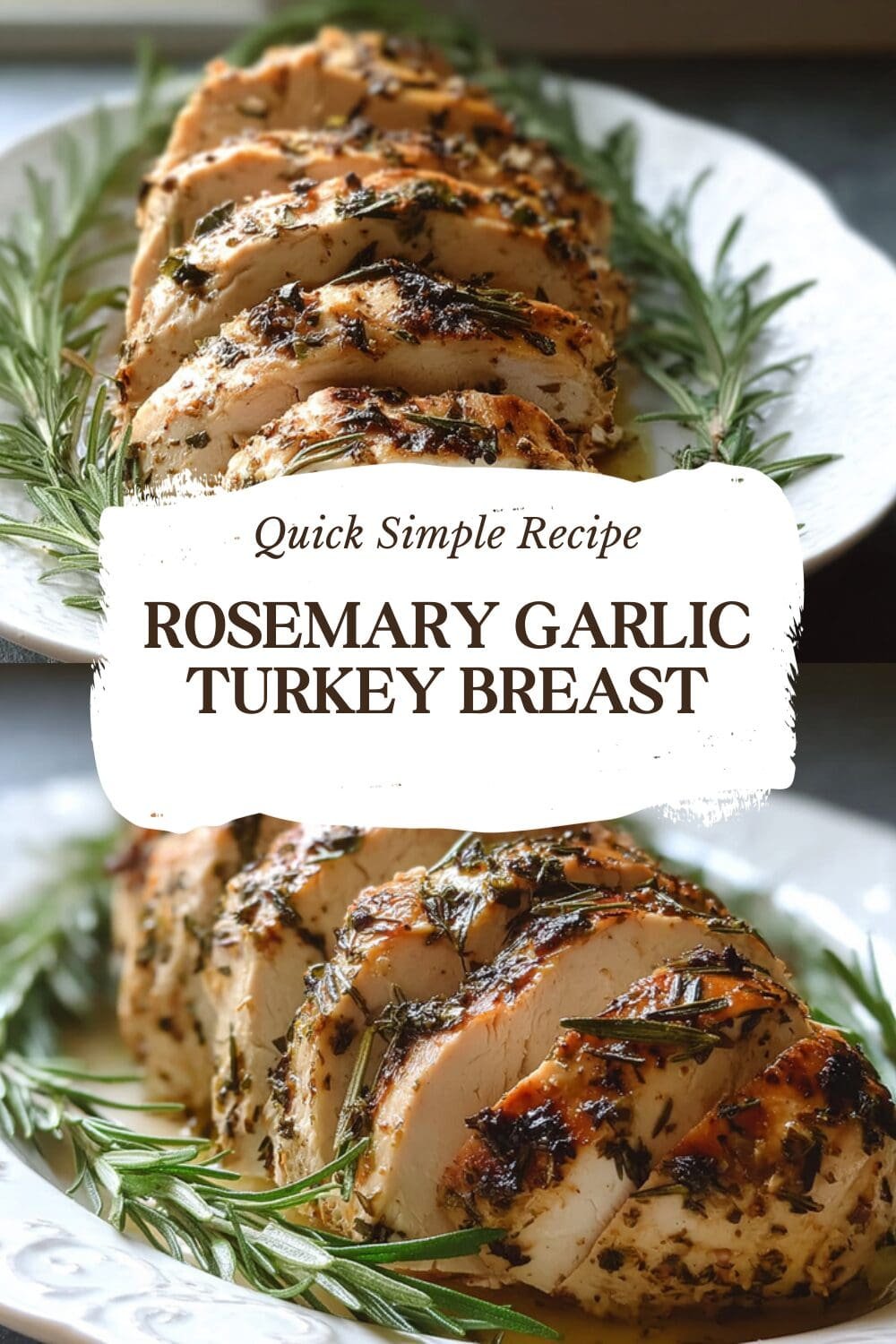
FAQs: Frequently Asked Questions About Rosemary Garlic Turkey Breast
What ingredients do I need to season rosemary garlic turkey breast?
To season rosemary garlic turkey breast, you’ll need olive oil, fresh garlic, fresh rosemary, paprika, and salt. Typically, 2 tablespoons of olive oil are mixed with minced garlic and chopped rosemary to create a flavorful rub. The paprika adds a mild smoky flavor and color, while salt enhances the taste. Spreading this mixture both under the loosened skin and on the surface of the turkey breast ensures the meat absorbs the seasonings during roasting.
Should I use bone-in or boneless turkey breast for rosemary garlic turkey recipes?
Both bone-in and boneless turkey breasts work well for this recipe. Bone-in turkey breasts often provide more flavor and retain moisture better but require careful carving around the bone. Boneless breasts are easier to slice and cook slightly faster. Choosing depends on your preference for ease of carving versus flavor intensity.
How long and at what temperature should I roast a rosemary garlic turkey breast?
Roast the turkey breast uncovered at 325°F (163°C) for about 1¾ to 2 hours, depending on weight. Use a meat thermometer to check for doneness; the internal temperature should reach 165°F (74°C) at the thickest part. If the skin starts to brown too quickly, loosely cover it with foil to prevent burning while allowing the meat to finish cooking evenly.
Can I substitute rosemary with other herbs if I don’t like the flavor?
Yes, if you prefer to avoid rosemary, fresh thyme or sage make excellent alternatives. Both herbs complement turkey well and blend nicely with garlic and olive oil. Use roughly the same amount as you would rosemary to maintain a balanced flavor profile in your seasoning rub.
How do I prepare the turkey breast skin for seasoning?
Gently loosen the skin from the turkey breast without tearing it. This allows you to spread half of the garlic and herb mixture directly onto the meat beneath the skin, enhancing flavor and moisture retention. Spread the remaining mixture evenly over the surface of the skin before roasting. This technique helps the turkey stay juicy and gives the skin a delicious, seasoned crust.
Rosemary Garlic Turkey Breast
- Total Time: 2 hours 20 minutes
- Yield: 8 servings
- Diet: Gluten-Free, High-Protein
Description
🦃 This Roasted Turkey Breast recipe delivers juicy, flavorful meat with irresistibly crispy skin for a perfect centerpiece.
🌿 Infused with garlic and rosemary, it offers a fragrant and savory dish that’s simple to prepare and impressive to serve.
Ingredients
– 2 tablespoons olive oil This provides a healthy fat base for the seasoning mixture, helping it spread evenly and keeping the turkey moist during roasting.
– 8 cloves garlic These add a bold, pungent flavor that infuses the meat, offering both taste and potential health benefits like immune support.
– 2 tablespoons fresh rosemary Fresh rosemary brings an aromatic, earthy note that makes the turkey stand out, while also aiding in digestion.
– 1 teaspoon salt Salt enhances the overall flavor of the turkey, drawing out juices and ensuring the seasoning penetrates deeply.
– 1 teaspoon paprika This spice adds a subtle smokiness and vibrant color to the skin, contributing to the dish’s visual appeal and mild heat.
– 1 (5 lb) bone-in turkey breast (or a boneless option around 3 lbs) The main protein source, providing lean, juicy meat that serves as the centerpiece; bone-in adds extra flavor, while boneless offers convenience.
– Olive oil Keeps the mixture smooth and adds healthy fats
– Turkey breast Reduces fat while preserving protein
Instructions
1-First Step: Preheat and Prep the Seasoning: Start by preheating your oven to 325 degrees Fahrenheit, which is the ideal temperature for even cooking without drying out the meat. Next, blend the 2 tablespoons olive oil, 8 cloves garlic, 2 tablespoons fresh rosemary, 1 teaspoon salt, and 1 teaspoon paprika in a food processor for a smooth mixture, or finely chop the rosemary and mix everything in a bowl if you prefer a chunkier texture. This step helps release the flavors and makes it easy to spread, and for dietary tweaks, you could swap rosemary for thyme if you’re avoiding strong herbs.
2-Second Step: Prepare the Turkey: Gently loosen the skin on the turkey breast to create space for the seasoning, being careful not to tear it, as this allows the flavors to penetrate deeply for a juicier result. Spread half of the garlic mixture under the skin, ensuring it’s evenly distributed for maximum taste absorption. If you’re using a boneless turkey breast around 3 lbs, this process is quicker, making it ideal for busy parents who need faster prep, and you can adjust the seasoning amount for smaller sizes to suit dietary preferences like lower sodium.
3-Third Step: Apply the Remaining Seasoning and Set Up for Roasting: Once the under-skin seasoning is done, apply the rest of the mixture over the top of the skin for a crispy, flavorful exterior. Place the turkey in a roasting pan, positioning it so air circulates around it for even cooking. At this point, if you’re aiming for a gluten-free version, double-check that your paprika is certified, and for low-calorie options, use less oil to keep things light while still achieving that garlic-infused taste.
4-Fourth Step: Roast the Turkey: Cook the turkey uncovered for 1 hour and 45 minutes to 2 hours, keeping an eye on it to ensure it doesn’t brown too quickly cover with foil if needed to prevent over-browning. Use a meat thermometer to check the internal temperature, aiming for 165 degrees Fahrenheit at the thickest part, which is crucial for safety and keeping the meat tender. This step can be adapted for different preferences, like reducing time for a boneless cut to make it quicker for students or working professionals.
5-Final Step: Rest and Serve: After roasting, let the turkey rest for 15 minutes to allow the juices to settle, making it easier to slice and more flavorful. For serving, slice the turkey and pair it with sides like vegetables or pasta for a complete meal. This final touch ensures the dish remains versatile, such as using leftovers in wraps for travelers or adjusting portions for smaller family gatherings, resulting in about 8 servings that everyone can enjoy. For more poultry ideas, try this stuffed chicken recipe on our site.
Notes
🌡 Use a meat thermometer to avoid overcooking and ensure juicy results.
🍗 Bone-in turkey breast provides more flavor; boneless is easier to slice.
🌿 Substitute rosemary with thyme or sage if preferred for different flavor profiles.
🍴 When loosening the skin, be gentle so the seasoning stays underneath.
🛡 Cover with foil if the skin gets too dark before the turkey is fully cooked.
- Prep Time: 5 minutes
- Resting time: 15 minutes
- Cook Time: 2 hours
- Category: Main Course
- Method: Roasting
- Cuisine: American
Nutrition
- Serving Size: 1 slice (about 6oz)
- Calories: 320
- Sugar: 0g
- Sodium: 380mg
- Fat: 14g
- Saturated Fat: 2.5g
- Unsaturated Fat: 10g
- Trans Fat: 0g
- Carbohydrates: 0g
- Fiber: 0g
- Protein: 45g
- Cholesterol: 120mg
Keywords: roasted turkey breast, crispy skin, garlic rosemary, juicy turkey