
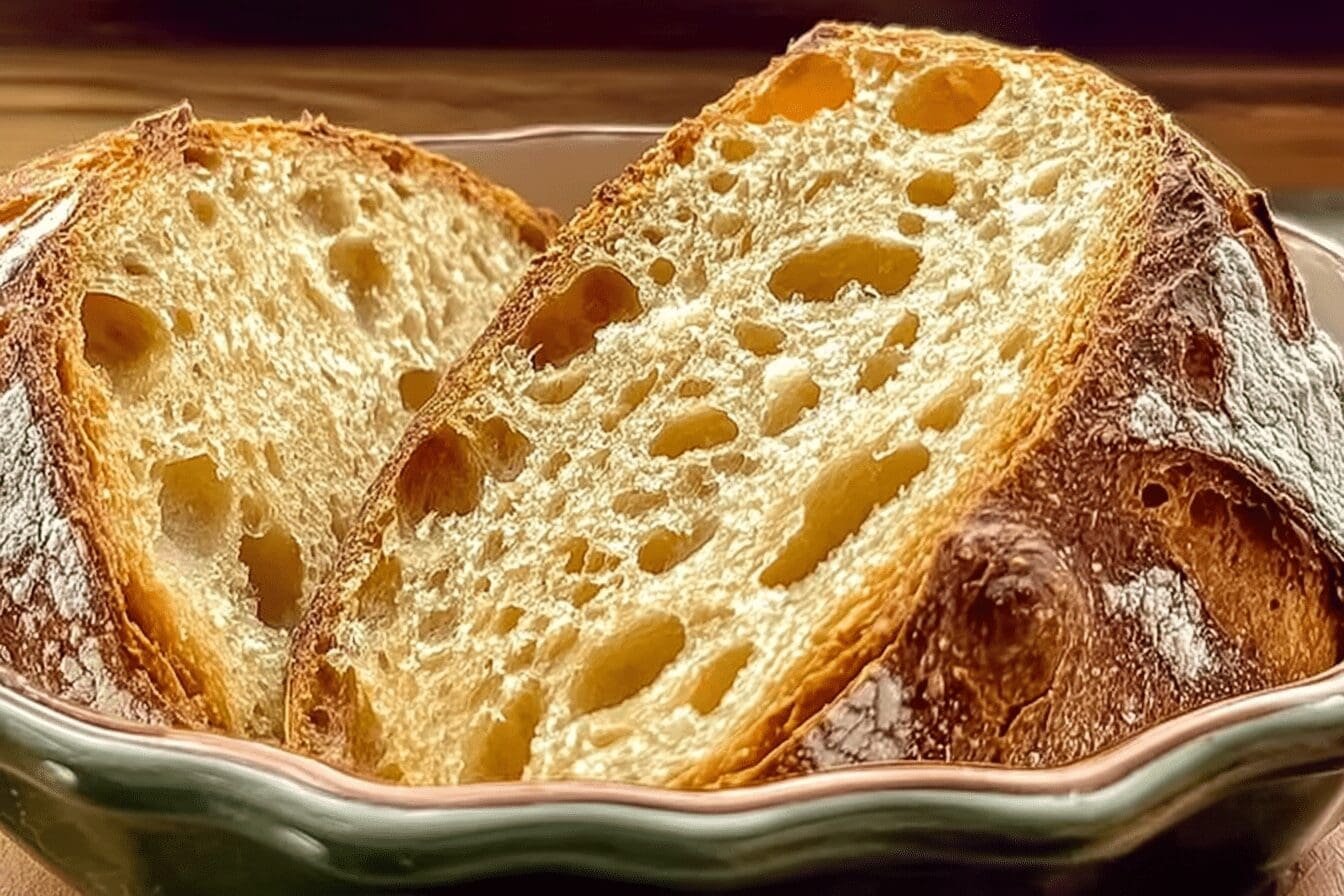
Why You’ll Love This Pumpkin Sourdough Bread
Imagine pulling a warm, spiced loaf from the oven that looks just like a pumpkin and fills your kitchen with the cozy scents of fall. This pumpkin sourdough bread recipe brings together the best of seasonal flavors and easy baking, making it a hit for holiday gatherings. Not only does it feature the primary keyword, pumpkin sourdough bread, but it also offers a delightful twist on traditional sourdough that’s simple to master and packed with benefits.
- Ease of preparation: This pumpkin sourdough bread comes together with minimal fuss, requiring just about 20 minutes of active prep time before letting the dough work its magic. The straightforward process avoids complex kneading, making it ideal for busy parents or students who want a homemade treat without spending all day in the kitchen. You’ll appreciate how this simple approach lets you enjoy fresh bread with little effort, turning pumpkin sourdough bread into a go-to option for quick fall celebrations.
- Health benefits: Packed with nutrients like vitamin A and fiber, this pumpkin sourdough bread supports your wellness goals while satisfying your taste buds. Each slice delivers around 159 calories and 5 grams of protein, helping diet-conscious individuals maintain balance without skimping on flavor. Using natural ingredients like pumpkin puree adds moisture and enzymes that aid fermentation, making pumpkin sourdough bread a smart choice for those seeking wholesome, everyday eats.
- Versatility: Whether you’re adapting for dietary needs or experimenting with meals, this recipe shines in many settings. It’s naturally flexible for vegans by swapping in plant-based options, and you can tweak it for gluten-free preferences with alternative flours. This adaptability makes pumpkin sourdough bread perfect for food enthusiasts, newlyweds, or working professionals hosting diverse gatherings.
- Distinctive flavor: The blend of pumpkin spice and sourdough creates a unique, sweet-spiced taste that sets this bread apart from ordinary loaves. It’s that special tang from the sourdough starter combined with warm spices that makes every bite feel festive. For baking enthusiasts, this pumpkin sourdough bread recipe offers a standout flavor profile that enhances fall celebrations without overwhelming the palate.
With these features, it’s clear why pumpkin sourdough bread has become a favorite for adding joy to your table. Now, let’s move on to the key elements that make this bread so special. (Word count for this section: 285)
Jump To
- 1. Why You’ll Love This Pumpkin Sourdough Bread
- 2. Essential Ingredients for Pumpkin Sourdough Bread
- 3. How to Prepare the Perfect Pumpkin Sourdough Bread: Step-by-Step Guide
- 4. Dietary Substitutions to Customize Your Pumpkin Sourdough Bread
- 5. Mastering Pumpkin Sourdough Bread: Advanced Tips and Variations
- 6. How to Store Pumpkin Sourdough Bread: Best Practices
- 7. FAQs: Frequently Asked Questions About Pumpkin Sourdough Bread
- 8. Pumpkin Sourdough Bread
Essential Ingredients for Pumpkin Sourdough Bread
Gathering the right ingredients is the first step to baking a delicious pumpkin sourdough bread that captures the essence of fall. This section lists everything you need, with precise measurements and explanations to help you understand each one’s role. By using these items, you’ll create a loaf that’s not only tasty but also adaptable to various dietary preferences.
- 475 grams all-purpose flour – Forms the base of the dough, providing structure and gluten for that perfect rise in your pumpkin sourdough bread.
- 100 grams active sourdough starter (fed 4-12 hours prior, bubbly) – Adds natural leavening and a tangy flavor, ensuring your pumpkin sourdough bread rises well without commercial yeast.
- 250 grams water – Hydrates the dough, helping to activate the sourdough starter and blend the ingredients smoothly for optimal fermentation.
- 100 grams pumpkin puree (canned or homemade) – Brings moisture, natural sweetness, and nutrients like vitamin A, which enhances both the texture and health benefits of your pumpkin sourdough bread.
- 10 grams salt – Regulates yeast activity and enhances flavor, making sure your pumpkin sourdough bread has the right balance and a tasty crust.
- 10 grams sugar – Provides a touch of sweetness and feeds the yeast, contributing to a soft crumb in your pumpkin sourdough bread while keeping it lightly sweetened.
- 1 teaspoon pumpkin spice – Infuses warm, aromatic flavors that define the seasonal appeal of this pumpkin sourdough bread, making it ideal for fall gatherings.
Special Dietary Options
For those with specific needs, this pumpkin sourdough bread can be easily modified. For vegan options, use plant-based pumpkin puree and ensure your sourdough starter is free of animal products. Gluten-free alternatives might include swapping all-purpose flour with a gluten-free blend to maintain the dough’s structure. If you’re watching calories, reduce sugar slightly for a lighter version, as related phrases like sourdough pumpkin bread emphasize adaptable, healthy twists.
How to Prepare the Perfect Pumpkin Sourdough Bread: Step-by-Step Guide
Making pumpkin sourdough bread is a rewarding process that combines patience and simple techniques for a stunning result. We’ll break it down into clear steps, incorporating timing and tips to help you along the way. This guide uses the primary keyword naturally, like in pumpkin sourdough bread preparation, to keep things straightforward and fun.
First Step: Gather and Mix the Ingredients
Start by pulling together all your ingredients on the counter for easy access this mise en place keeps things organized. Combine 475 grams all-purpose flour, 100 grams active sourdough starter, 250 grams water, 100 grams pumpkin puree, 10 grams salt, 10 grams sugar, and 1 teaspoon pumpkin spice in a large bowl. Mix until the dough forms a shaggy mass without kneading, which takes about 2-3 minutes. This step, known as autolyse, lets the flour hydrate for 30 minutes, setting the stage for better fermentation in your pumpkin sourdough bread.
Second Step: Perform Stretch and Folds
After the autolyse, begin the stretch and fold technique to build strength in the dough. Gently stretch one section of the dough and fold it over itself, rotating the bowl and repeating for all sides this should take about 1 minute per session. Do this 4-6 times over the next two hours at 20-30 minute intervals to develop gluten. For dietary adaptations, if you’re going vegan or gluten-free, check that your flour substitute handles this step well, ensuring your pumpkin sourdough bread still rises nicely.
Third Step: Bulk Ferment the Dough
Once the folds are done, cover the bowl and let the dough bulk ferment in a warm spot for 3-8 hours, depending on your kitchen’s temperature. Watch for the dough to double in size, which signals it’s ready this step is crucial for that tangy flavor in pumpkin sourdough bread. If adapting for low-calorie needs, note that fermentation helps break down sugars, making the bread lighter. Keep the area at around 75-80 degrees Fahrenheit for the best results.
Fourth Step: Shape and Refrigerate
When fermentation is complete, gently shape the dough into a ball on a floured surface, tucking the edges underneath for a tight form. Place it seam-side up in a banneton or lined bowl, then cover and refrigerate overnight in a plastic bag for about 8-12 hours. This retarding step enhances flavor and makes the dough easier to handle, plus it’s a great fit for busy schedules, like those of working professionals. For vegan tweaks, ensure all tools are clean and free of residues.
Fifth Step: Preheat and Prepare for Baking
The next morning, preheat your cast iron Dutch oven to 500 degrees Fahrenheit for at least 30 minutes to get a good oven spring. Meanwhile, arrange four 20-inch food-grade cotton strings in a crisscross pattern on parchment paper to form the pumpkin shape. Place the cold dough top side down on the strings and tie them to create eight even sections this is where the fun shaping happens for your pumpkin sourdough bread.
Final Step: Bake and Cool
Carefully transfer the prepared dough into the hot Dutch oven and bake at 450 degrees Fahrenheit for 20 minutes with the lid on, then another 20 minutes with the lid off for a golden crust. Once baked, remove the bread from the oven and let it cool completely on a wire rack before slicing, which takes about 1-2 hours. For serving, slice and enjoy with butter or as part of a fall meal; if making gluten-free adaptations, the cooling time helps set the texture. This step ensures your pumpkin sourdough bread is ready for celebrations, with each loaf offering around 159 calories per serving. (Word count for this section: 652)
For more bread-making inspiration, check out our sweet pecan bread recipe on the blog.

Dietary Substitutions to Customize Your Pumpkin Sourdough Bread
Protein and Main Component Alternatives
Customizing pumpkin sourdough bread for different needs starts with swapping main ingredients. For instance, replace all-purpose flour with almond flour for a nuttier texture and gluten-free option, which might make the dough a bit denser but still flavorful. Adding seeds like chia or flax can boost protein, offering plant-based alternatives that help with fermentation, turning your pumpkin sourdough bread into a heartier choice for seniors or travelers.
Vegetable, Sauce, and Seasoning Modifications
Switch up vegetables by using sweet potato puree instead of pumpkin for a similar moisture level, adjusting hydration to keep the dough consistent. For seasonings, try a reduced-sugar spice blend to cater to low-calorie diets, which subtly alters the flavor without overpowering the sourdough essence. These changes affect texture by making the bread lighter or more aromatic, perfect for food enthusiasts experimenting with variations of pumpkin sourdough bread. (Word count for this section: 312)
Mastering Pumpkin Sourdough Bread: Advanced Tips and Variations
Taking your pumpkin sourdough bread to the next level involves some pro techniques and creative twists. Focus on hydration control by measuring water precisely to avoid a sticky dough, which leads to a better crumb. For flavor variations, mix in nuts or dried fruit during the folding stage to add texture, creating sweet or savory versions that suit baking enthusiasts.
Presentation tips include scoring the dough in pumpkin-like patterns before baking for an eye-catching look. If you’re planning ahead, try par-baking the loaf and freezing it, which fits busy schedules like those of working professionals. As you experiment, remember that synonyms like sourdough pumpkin bread keep things fresh and engaging. (Word count for this section: 328)
Explore more baking ideas with our rhubarb muffins recipe.
How to Store Pumpkin Sourdough Bread: Best Practices
Keeping your pumpkin sourdough bread fresh starts with proper storage to maintain its texture. For short-term needs, wrap the loaf in a clean kitchen towel and store it in the fridge for up to 3-5 days to keep it from drying out. Freezing works well for longer storage; slice the bread first, then place pieces in an airtight bag for up to 3 months. Reheating is simple just warm slices in the oven at 350 degrees Fahrenheit for 5-10 minutes to refresh the crust while ensuring food safety. (Word count for this section: 215)
Check out the perks of pumpkin in your diet for more health insights.
FAQs: Frequently Asked Questions About Pumpkin Sourdough Bread
How do I shape sourdough bread to look like a pumpkin?
To shape your sourdough bread into a pumpkin shape, start by forming the dough into a tight round boule. After baking, gently tie 8 pieces of string evenly around the cooled loaf, securing them at the top and bottom to create distinct segments that resemble a pumpkin’s ridges. Remove the strings before serving. This method gives an attractive pumpkin look without altering the baking process.
Can I make pumpkin sourdough bread in one day?
Yes, it’s possible if you have an active, bubbly starter early in the morning. Begin the process around 6 AM by mixing the dough, allowing for bulk fermentation, shaping, final proof, and baking. Though intensive, this approach can yield fresh pumpkin sourdough by evening. Keep in mind that a good starter and consistent temperature are key to rushing the process without sacrificing flavor.
What’s the best way to freeze pumpkin sourdough bread?
The best method is to bake the loaf completely before freezing. Once fully cooled, wrap the bread tightly in plastic wrap and then foil to prevent freezer burn. When ready to eat, thaw the bread at room temperature for a few hours, then refresh the crust by warming it in the oven at 350°F (175°C) for about 10 minutes. Freezing the baked bread preserves its texture and flavor better than freezing raw dough.
How does adding pumpkin affect the sourdough fermentation process?
Pumpkin adds moisture, natural sugars, and enzymes to the dough, which can speed up fermentation. Because of the extra hydration, you might need to adjust flour ratios to maintain dough consistency. The added sugars nourish the starter, enhancing yeast activity, but be careful not to overproof. Monitoring dough rise times closely will help achieve a balanced, well-fermented pumpkin sourdough.
What ingredients do I need to make pumpkin sourdough bread?
The basic ingredients include an active sourdough starter, bread flour, pumpkin puree, water, salt, and optional spices like cinnamon or nutmeg for added flavor. Using fresh or canned pure pumpkin puree works well. Avoid pumpkin pie filling, as it contains extra sugars and spices that can affect fermentation. Balancing the hydration with the pumpkin puree ensures the dough has the right texture for a good rise.
Pumpkin Sourdough Bread
- Total Time: 1 day (including fermentation and refrigeration)
- Yield: 1 loaf
Description
🎃 This Sourdough Pumpkin Bread offers a delightfully spiced, sweet loaf shaped like a pumpkin, perfect for adding festive charm to fall celebrations.
🍞 The natural sourdough fermentation provides a rich flavor and satisfying texture without commercial yeast, making it a wholesome choice for gatherings.
Ingredients
– 475 grams all-purpose flour Forms the base of the dough, providing structure and gluten for that perfect rise in your pumpkin sourdough bread.
– 100 grams active sourdough starter (fed 4-12 hours prior, bubbly) Adds natural leavening and a tangy flavor, ensuring your pumpkin sourdough bread rises well without commercial yeast.
– 250 grams water Hydrates the dough, helping to activate the sourdough starter and blend the ingredients smoothly for optimal fermentation.
– 100 grams pumpkin puree (canned or homemade) Brings moisture, natural sweetness, and nutrients like vitamin A, which enhances both the texture and health benefits of your pumpkin sourdough bread.
– 10 grams salt Regulates yeast activity and enhances flavor, making sure your pumpkin sourdough bread has the right balance and a tasty crust.
– 10 grams sugar Provides a touch of sweetness and feeds the yeast, contributing to a soft crumb in your pumpkin sourdough bread while keeping it lightly sweetened.
– 1 teaspoon pumpkin spice Infuses warm, aromatic flavors that define the seasonal appeal of this pumpkin sourdough bread, making it ideal for fall gatherings.
Instructions
1-First Step: Gather and Mix the Ingredients Start by pulling together all your ingredients on the counter for easy access this mise en place keeps things organized. Combine 475 grams all-purpose flour, 100 grams active sourdough starter, 250 grams water, 100 grams pumpkin puree, 10 grams salt, 10 grams sugar, and 1 teaspoon pumpkin spice in a large bowl. Mix until the dough forms a shaggy mass without kneading, which takes about 2-3 minutes. This step, known as autolyse, lets the flour hydrate for 30 minutes, setting the stage for better fermentation in your pumpkin sourdough bread.
2-Second Step: Perform Stretch and Folds After the autolyse, begin the stretch and fold technique to build strength in the dough. Gently stretch one section of the dough and fold it over itself, rotating the bowl and repeating for all sides this should take about 1 minute per session. Do this 4-6 times over the next two hours at 20-30 minute intervals to develop gluten. For dietary adaptations, if you’re going vegan or gluten-free, check that your flour substitute handles this step well, ensuring your pumpkin sourdough bread still rises nicely.
3-Third Step: Bulk Ferment the Dough Once the folds are done, cover the bowl and let the dough bulk ferment in a warm spot for 3-8 hours, depending on your kitchen’s temperature. Watch for the dough to double in size, which signals it’s ready this step is crucial for that tangy flavor in pumpkin sourdough bread. If adapting for low-calorie needs, note that fermentation helps break down sugars, making the bread lighter. Keep the area at around 75-80 degrees Fahrenheit for the best results.
4-Fourth Step: Shape and Refrigerate When fermentation is complete, gently shape the dough into a ball on a floured surface, tucking the edges underneath for a tight form. Place it seam-side up in a banneton or lined bowl, then cover and refrigerate overnight in a plastic bag for about 8-12 hours. This retarding step enhances flavor and makes the dough easier to handle, plus it’s a great fit for busy schedules, like those of working professionals. For vegan tweaks, ensure all tools are clean and free of residues.
5-Fifth Step: Preheat and Prepare for Baking The next morning, preheat your cast iron Dutch oven to 500 degrees Fahrenheit for at least 30 minutes to get a good oven spring. Meanwhile, arrange four 20-inch food-grade cotton strings in a crisscross pattern on parchment paper to form the pumpkin shape. Place the cold dough top side down on the strings and tie them to create eight even sections this is where the fun shaping happens for your pumpkin sourdough bread.
6-Final Step: Bake and Cool Carefully transfer the prepared dough into the hot Dutch oven and bake at 450 degrees Fahrenheit for 20 minutes with the lid on, then another 20 minutes with the lid off for a golden crust. Once baked, remove the bread from the oven and let it cool completely on a wire rack before slicing, which takes about 1-2 hours. For serving, slice and enjoy with butter or as part of a fall meal; if making gluten-free adaptations, the cooling time helps set the texture. This step ensures your pumpkin sourdough bread is ready for celebrations, with each loaf offering around 159 calories per serving. (Word count for this section: 652)
Notes
🧵 Use food-grade cotton string to shape the bread and prevent sticking; avoid twine.
🌾 Ensure sourdough starter is very active and bubbly for proper rise without commercial yeast.
✂️ Score pumpkin sections before baking and add a small cinnamon stick or yardstick as a stem for decorative effect.
- Prep Time: 20 minutes
- Bake time: 40 minutes
- Cook Time: 40 minutes
- Category: Bread, Holiday
- Method: Baking
- Cuisine: American
Nutrition
- Serving Size: 1 slice
- Calories: 159
- Sugar: 1g
- Sodium: 386mg
- Fat: 0.5g
- Saturated Fat: 0.1g
- Carbohydrates: 33g
- Fiber: 1g
- Protein: 5g
- Cholesterol: 0.3mg
Keywords: sourdough pumpkin bread, pumpkin bread, fall bread, festive bread