
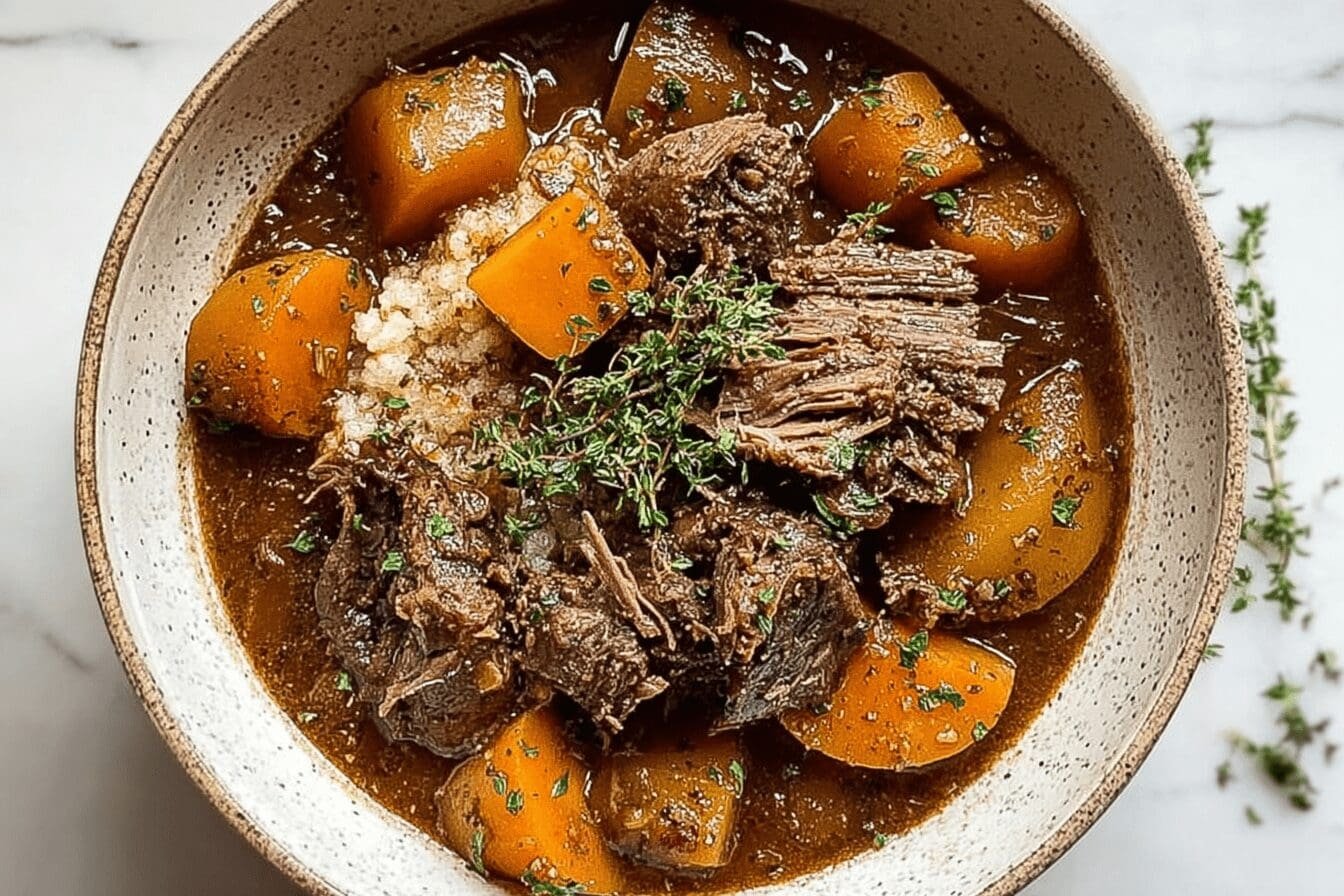
Why You’ll Love This Pot Roast
Imagine coming home to a meal that’s hearty, comforting, and full of rich flavors. This pot roast recipe brings all that to your table, making it a go-to option for busy weeknights or family gatherings. You’ll appreciate how it simplifies cooking while delivering tender meat and a delicious sauce that everyone can enjoy.
One key benefit is the ease of preparation. With just about 30 minutes of prep time and minimal hands-on effort, this pot roast lets you set it and forget it in unresolved, allowing the oven to do the work as it simmers for around 4 hours and 30 minutes. This makes it perfect for home cooks and busy parents who want a satisfying meal without spending all day in the kitchen. Pot roast also shines in its health benefits, packed with nutrients from ingredients like carrots, celery, and potatoes that add vitamins and minerals to every bite.
Adding to its appeal is the versatility that lets you adapt it to various needs. Whether you’re cooking for diet-conscious individuals or food enthusiasts, you can swap in different vegetables or use substitutes for dietary preferences, keeping the pot roast adaptable yet flavorful. Finally, the distinctive flavor comes from a blend of seared beef, herbs, and a rich sauce that’s hard to beat, making this pot roast a standout dish that brings memorable moments to your table.
Here are a few main benefits that make this pot roast recipe particularly effective:
- Ease of preparation: This pot roast requires simple steps and everyday ingredients, making it straightforward for anyone in the kitchen. For instance, seasoning the beef and letting it rest in the fridge enhances flavor without extra effort, ideal for home cooks and busy parents seeking quick yet tasty meals.
- Health benefits: Loaded with vegetables like carrots and potatoes, this pot roast provides essential nutrients such as vitamin C and iron, as seen in the nutritional breakdown with 62g of protein and 10g of fiber per serving. It’s a wholesome choice for diet-conscious individuals and those looking to boost their wellness through balanced, home-cooked meals.
- Versatility: This recipe adapts easily to different dietary needs, such as using gluten-free alternatives or plant-based swaps, making it suitable for students, newlyweds, or seniors. Pot roast’s flexibility ensures it’s not just a meal but a canvas for food enthusiasts to experiment while maintaining that classic taste.
- Distinctive flavor: The combination of herbs, wine, and slowly cooked beef creates a depth of taste that’s truly unique, turning simple ingredients into something special. Pot roast stands out with its tender texture and rich gravy, perfect for creating joyful moments around the table with family and friends.
Jump To
- 1. Why You’ll Love This Pot Roast
- 2. Essential Ingredients for Pot Roast
- 3. How to Prepare the Perfect Pot Roast: Step-by-Step Guide
- 4. Dietary Substitutions to Customize Your Pot Roast
- 5. Mastering Pot Roast: Advanced Tips and Variations
- 6. How to Store Pot Roast: Best Practices
- 7. FAQs: Frequently Asked Questions About Pot Roast
- 8. Pot Roast
Essential Ingredients for Pot Roast
Gathering the right ingredients is the first step to making a delicious pot roast. Each one plays a key role in building flavors and textures that make this dish so satisfying. Below, you’ll find a detailed list of all the ingredients needed, complete with precise measurements and a quick explanation of their purpose.
Main Ingredients
- 3 ½ to 4 pounds beef chuck roast – This is the star of the pot roast, providing tender, juicy meat after slow cooking that forms the base of the dish.
- 2 tablespoons olive oil – Used for searing the beef, it helps create a golden crust that locks in flavors and adds a subtle richness.
- 1 peeled julienne yellow onion – Adds sweetness and depth to the base, enhancing the overall savory profile of the pot roast.
- 2 thinly sliced and rinsed leeks, white and yellow parts only – These bring a mild onion-like flavor that complements the other vegetables without overpowering.
- 6 thinly sliced garlic cloves – Infuses the dish with aromatic notes that build a strong, flavorful foundation.
- 1 cup red wine (such as cabernet sauvignon, merlot, or shiraz) or white wine (such as chardonnay, sauvignon blanc, or pinot grigio) – Deglazes the pot and adds acidity and complexity to the sauce.
- 3 tablespoons tomato paste – Thickens the sauce and provides a tangy element that balances the richness of the beef.
- 6 cups beef stock (can be substituted with water, broth, or other stocks) – Forms the liquid base, keeping everything moist and infusing flavors during cooking.
- 2 bay leaves – Add herbal undertones that enhance the stew-like quality of the pot roast.
- 8 to 10 sprigs fresh thyme – Brings earthy flavors that pair well with the beef and vegetables.
- 8 to 10 fresh parsley stems with leaves – Contributes fresh, bright notes and a touch of color to the finished dish.
- 2 pounds baby Yukon potatoes – These hold their shape and add creamy texture, making the meal hearty and filling.
- 6 peeled regular or 10 baby tri-colored carrots cut into 2-inch pieces – Provide sweetness and crunch, plus essential vitamins for a nutritious boost.
- 4 ribs celery cut into 2-inch pieces – Adds a fresh, crisp element and helps build the vegetable medley.
- 2 peeled parsnips, cut into 2-inch pieces – Offer a slightly sweet, nutty flavor that complements the other veggies.
- 1 peeled rutabaga cut into 1-inch cubes – Brings an earthy taste and extra fiber, making the pot roast more wholesome.
- ½ cup softened unsalted butter – Combined with flour to thicken the sauce, ensuring a gravy-like consistency.
- Flour for thickening sauce (combined with butter to make beurre manie; quantity not specified) – Helps create a smooth, thickened sauce without lumps.
- Worcestershire sauce to taste – Adds umami and depth, enhancing the overall flavor profile.
- Red wine vinegar to taste – Provides a tangy acidity that brightens the dish and balances richness.
- Coarse salt to taste – Seasons the meat and vegetables, drawing out flavors for a well-rounded taste.
- Fresh cracked pepper to taste – Adds a spicy kick and complements the other seasonings.
- Optional finely minced parsley for garnish (quantity not specified) – Sprinkled on top for a fresh, colorful finish that elevates presentation.
Special Dietary Options
For those with specific needs, here are some easy swaps:
- Vegan: Replace the beef chuck roast with plant-based substitutes like seitan or jackfruit to keep the texture and heartiness.
- Gluten-free: Use gluten-free flour for the beurre manie and ensure all stocks are certified gluten-free to avoid any issues.
- Low-calorie: Opt for leaner cuts of meat or reduce the butter amount to cut down on fats while maintaining flavor.
beef chuck nutrition can help you understand how to make these adjustments fit your diet.
How to Prepare the Perfect Pot Roast: Step-by-Step Guide
Making pot roast is a rewarding process that results in a meal full of tender meat and flavorful veggies. Start by gathering all your ingredients and tools to make things go smoothly. This guide breaks it down into easy, actionable steps so you can achieve great results every time.
First Step: Prepare the Beef
Begin by generously seasoning the 3 ½ to 4 pounds beef chuck roast on all sides with coarse salt. Place it on a rack over a sheet tray, uncovered, in the refrigerator for 12 to 48 hours this step helps enhance the flavor and tenderness. Once ready, remove the beef from the fridge and season all sides with fresh cracked pepper, getting it prepped for searing. This preparation ensures the meat absorbs the seasonings deeply, making your pot roast more delicious.
Second Step: Sear the Beef
Heat 2 tablespoons olive oil in a large Dutch oven pot over high heat until it lightly smokes this usually takes about a minute. Add the beef and sear it on all sides until golden brown, about 3 to 4 minutes per side; then set it aside on a plate. Searing creates a flavorful crust that locks in juices, which is key for a succulent pot roast. For variations, you could use avocado oil instead if you prefer.
Third Step: Cook the Aromatics
Add 1 peeled julienne yellow onion and 2 thinly sliced and rinsed leeks to the pot, season with coarse salt, and sauté for 4 to 6 minutes. Reduce the heat to low medium and cook for another 10 minutes until well browned. Stir in 6 thinly sliced garlic cloves and cook for 30 to 45 seconds until fragrant these steps build a strong flavor base for your pot roast. This method infuses the dish with layers of taste that adapt well to different preferences.
Fourth Step: Build the Sauce
Deglaze the pot with ¼ cup of the red wine or white wine, and cook until it’s absorbed, which helps scrape up those tasty bits from the bottom. Stir in 3 tablespoons tomato paste and cook for 2 to 3 minutes to incorporate it fully. Pour in the remaining ¾ cup red wine or white wine, 6 cups beef stock, 2 bay leaves, 8 to 10 sprigs fresh thyme, 8 to 10 fresh parsley stems with leaves, coarse salt to taste, and fresh cracked pepper to taste; stir to combine. This creates a rich broth that’s essential for braising the meat. If you’re adapting for dietary needs, consider using low-sodium stock here.
Fifth Step: Braise the Beef
Add the seared beef back into the pot and bring everything to a boil. Cover the pot and place it on a rack in the lower third of the oven at 325°F; cook for 3½ to 4 hours or until the beef is fork tender and reaches an internal temperature of 200° to 210°. About 70 minutes before it’s done, add 2 pounds baby Yukon potatoes, 6 peeled regular or 10 baby tri-colored carrots cut into 2-inch pieces, 4 ribs celery cut into 2-inch pieces, 2 peeled parsnips cut into 2-inch pieces, and 1 peeled rutabaga cut into 1-inch cubes. This timing keeps the vegetables from overcooking, adapting the recipe for a heartier pot roast style.
Final Step: Finish and Serve
Remove the beef from the pot and mix ½ cup softened unsalted butter with flour to create a beurre manie. Add it to the pot and cook over low to medium heat for 3 to 5 minutes until the sauce thickens to a gravy consistency. Stir in Worcestershire sauce and red wine vinegar to taste, then return the beef to the pot. Serve hot, perhaps with a side like the one in our creamy beef pasta recipe for a twist. The total prep time is about 30 minutes, and cook time is 4 hours and 30 minutes, ensuring a meal that’s both nutritious and adaptable.
| Nutrient | Amount per Serving |
|---|---|
| Calories | 821 kcal |
| Protein | 62 g |
| Carbohydrates | 59 g |

Dietary Substitutions to Customize Your Pot Roast
Protein and Main Component Alternatives
If you’re looking to switch things up, try using brisket or top round instead of beef chuck roast for a different texture while keeping the pot roast tender. For plant-based options, seitan works well as a substitute, maintaining that hearty feel. These changes make the recipe versatile for various dietary needs, ensuring everyone can enjoy a flavorful meal. Remember, the key is to choose cuts with good connective tissue for best results.
Vegetable, Sauce, and Seasoning Modifications
Swap in mushrooms or turnips for the carrots and parsnips If you want more variety based on seasons or preferences. For the sauce, use dark beer instead of wine to add a unique twist, and adjust seasonings like thyme with dry versions if fresh herbs aren’t available. This customization keeps the pot roast adaptable, much like tips found in a top tips for making pot roast guide. These modifications help cater to restrictions without losing that classic taste.
Mastering Pot Roast: Advanced Tips and Variations
To take your pot roast to the next level, focus on pro cooking techniques like using a meat thermometer for perfect doneness. Try flavor variations by adding different herbs or spices for a fresh spin. For presentation, arrange the veggies neatly on the plate with a sprinkle of parsley. Make-ahead options include prepping the beef a day in advance to save time. These tips make pot roast even more enjoyable for busy schedules.
How to Store Pot Roast: Best Practices
Proper storage keeps your pot roast fresh and tasty. For refrigeration, cool it quickly and store in an airtight container for up to 4 days. Freezing works well for longer term; use freezer-safe bags and it can last up to 2 months. When reheating, add a bit of broth to maintain moisture and heat gently. These methods are great for meal prep, helping working professionals plan ahead.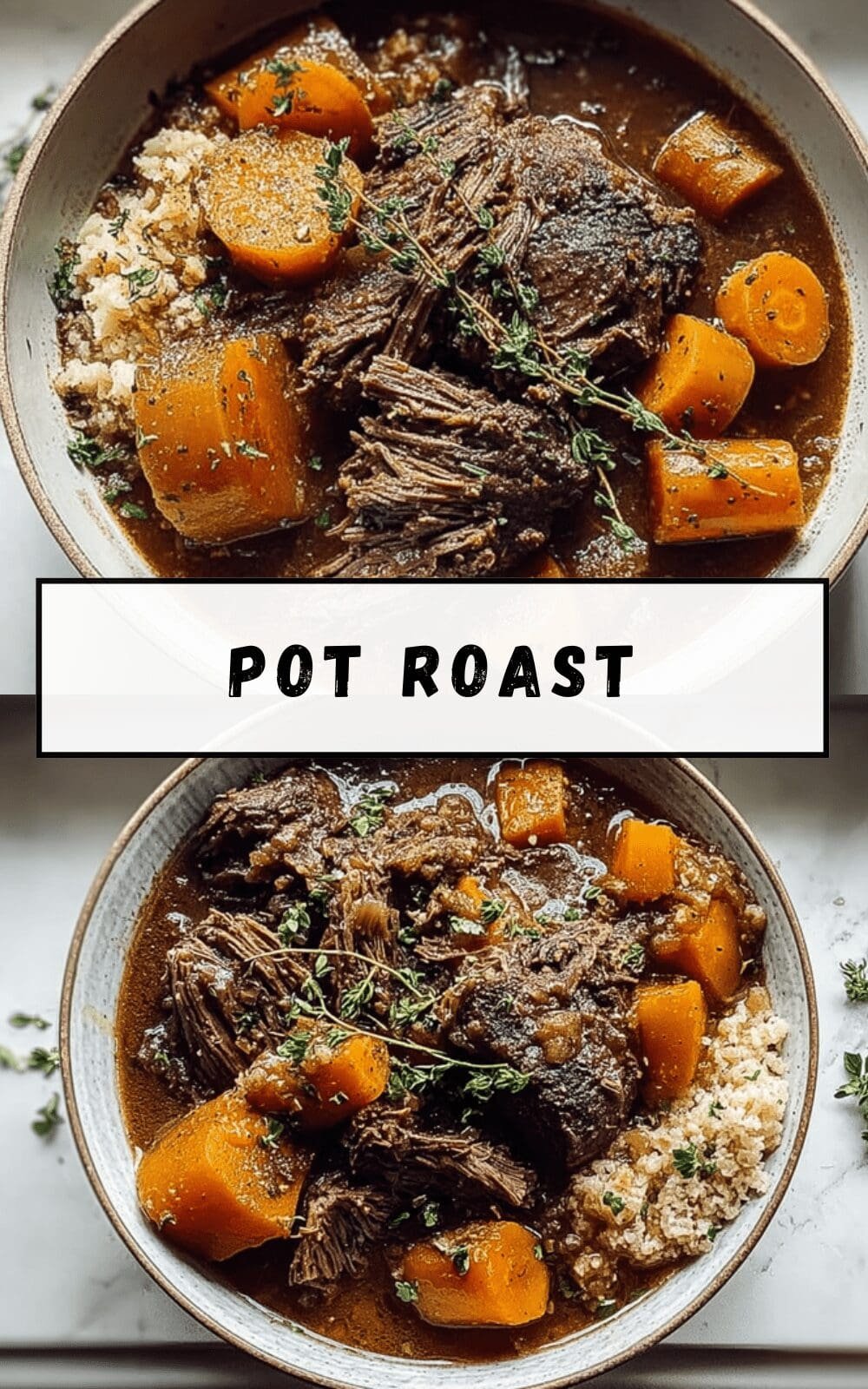
FAQs: Frequently Asked Questions About Pot Roast
What is the best cut of beef to use for a tender pot roast?
The most popular cut for pot roast is beef chuck roast because it becomes very tender after slow cooking. Other suitable cuts include brisket, top or bottom round, and sirloin. These cuts have enough connective tissue to break down during long cooking, resulting in juicy, flavorful meat.
Which vegetables should I add to a pot roast for the best flavor?
Traditional vegetables for pot roast include carrots, celery, and potatoes. You can also add parsnips, turnips, mushrooms, and rutabaga to vary the taste. Yukon gold, red, or fingerling potatoes hold up well during slow cooking without becoming mushy.
How can I store leftover pot roast safely and how long will it keep?
Store leftover pot roast in an airtight container in the refrigerator for up to 4 days. For longer storage, freeze leftovers in freezer-safe containers or bags for up to 2 months. When ready to eat, thaw frozen pot roast in the refrigerator overnight before reheating.
What’s the easiest way to reheat pot roast without drying it out?
To keep pot roast moist when reheating, place the sliced meat and vegetables in a covered pan with a splash of broth or cooking liquid. Warm over low heat on the stove, stirring occasionally, until heated through. Avoid microwaving directly to prevent dryness.
Can I prepare pot roast in advance, and how do I keep it warm before serving?
Yes, pot roast can be made up to one hour ahead. After cooking, keep it warm by covering the pot and setting it over very low heat or placing it in a warm oven at about 200°F (93°C). This method keeps the meat tender and flavorful until serving.

Pot Roast
- Total Time: 5 hours
- Yield: 6–8 servings 1x
Description
🍖 This Classic Pot Roast delivers tender, flavorful meat with rich gravy, ideal for comforting family meals.
🥕 Hearty vegetables and slow cooking create a balanced, satisfying dish packed with nutrients and deep flavors.
Ingredients
3 ½ to 4 pounds beef chuck roast
2 tablespoons olive oil for searing the beef
1 peeled julienne yellow onion
2 thinly sliced and rinsed leeks, white and yellow parts only
6 thinly sliced garlic cloves
1 cup red wine or white wine for deglazing and sauce
3 tablespoons tomato paste for thickening the sauce
6 cups beef stock (can be substituted with water, broth, or other stocks)
2 bay leaves for herbal undertones
8 to 10 sprigs fresh thyme
8 to 10 fresh parsley stems with leaves
2 pounds baby Yukon potatoes
6 peeled regular or 10 baby tri-colored carrots cut into 2-inch pieces
4 ribs celery cut into 2-inch pieces
2 peeled parsnips, cut into 2-inch pieces
1 peeled rutabaga cut into 1-inch cubes
½ cup softened unsalted butter combined with flour to thicken the sauce
Flour for thickening sauce (combined with butter to make beurre manie)
Worcestershire sauce to taste for umami and depth
Red wine vinegar to taste for acidity
Coarse salt to taste for seasoning
Fresh cracked pepper to taste
Optional finely minced parsley for garnish
Instructions
1-First Step: Prepare the Beef Begin by generously seasoning the 3 ½ to 4 pounds beef chuck roast on all sides with coarse salt. Place it on a rack over a sheet tray, uncovered, in the refrigerator for 12 to 48 hours this step helps enhance the flavor and tenderness. Once ready, remove the beef from the fridge and season all sides with fresh cracked pepper, getting it prepped for searing. This preparation ensures the meat absorbs the seasonings deeply, making your pot roast more delicious.
2-Second Step: Sear the Beef Heat 2 tablespoons olive oil in a large Dutch oven pot over high heat until it lightly smokes this usually takes about a minute. Add the beef and sear it on all sides until golden brown, about 3 to 4 minutes per side; then set it aside on a plate. Searing creates a flavorful crust that locks in juices, which is key for a succulent pot roast. For variations, you could use avocado oil instead if you prefer.
3-Third Step: Cook the Aromatics Add 1 peeled julienne yellow onion and 2 thinly sliced and rinsed leeks to the pot, season with coarse salt, and sauté for 4 to 6 minutes. Reduce the heat to low medium and cook for another 10 minutes until well browned. Stir in 6 thinly sliced garlic cloves and cook for 30 to 45 seconds until fragrant these steps build a strong flavor base for your pot roast. This method infuses the dish with layers of taste that adapt well to different preferences.
4-Fourth Step: Build the Sauce Deglaze the pot with ¼ cup of the red wine or white wine, and cook until it’s absorbed, which helps scrape up those tasty bits from the bottom. Stir in 3 tablespoons tomato paste and cook for 2 to 3 minutes to incorporate it fully. Pour in the remaining ¾ cup red wine or white wine, 6 cups beef stock, 2 bay leaves, 8 to 10 sprigs fresh thyme, 8 to 10 fresh parsley stems with leaves, coarse salt to taste, and fresh cracked pepper to taste; stir to combine. This creates a rich broth that’s essential for braising the meat. If you’re adapting for dietary needs, consider using low-sodium stock here.
5-Fifth Step: Braise the Beef Add the seared beef back into the pot and bring everything to a boil. Cover the pot and place it on a rack in the lower third of the oven at 325°F; cook for 3½ to 4 hours or until the beef is fork tender and reaches an internal temperature of 200° to 210°. About 70 minutes before it’s done, add 2 pounds baby Yukon potatoes, 6 peeled regular or 10 baby tri-colored carrots cut into 2-inch pieces, 4 ribs celery cut into 2-inch pieces, 2 peeled parsnips cut into 2-inch pieces, and 1 peeled rutabaga cut into 1-inch cubes. This timing keeps the vegetables from overcooking, adapting the recipe for a heartier pot roast style.
6-Final Step: Finish and Serve Remove the beef from the pot and mix ½ cup softened unsalted butter with flour to create a beurre manie. Add it to the pot and cook over low to medium heat for 3 to 5 minutes until the sauce thickens to a gravy consistency. Stir in Worcestershire sauce and red wine vinegar to taste, then return the beef to the pot. Serve hot, perhaps with a side like the one in our creamy beef pasta recipe for a twist. The total prep time is about 30 minutes, and cook time is 4 hours and 30 minutes, ensuring a meal that’s both nutritious and adaptable.
Notes
🍲 Use a large Dutch oven or pot for even cooking and capacity.
🥕 Add vegetables later in cooking to prevent overcooking and retain texture.
🔥 Sear beef well for rich flavor and color before braising.
- Prep Time: 30 minutes
- Cook Time: 4 hours 30 minutes
- Cook Time: 4 hours 30 minutes
- Category: Main Course
- Method: Braising, Searing, Roasting
- Cuisine: American
Nutrition
- Serving Size: 1 serving
- Calories: 821
- Sugar: 13 g
- Sodium: 828 mg
- Fat: 36 g
- Saturated Fat: 14 g
- Unsaturated Fat: 22 g
- Trans Fat: 2 g
- Carbohydrates: 59 g
- Fiber: 10 g
- Protein: 62 g
- Cholesterol: 183 mg
Keywords: Classic Pot Roast,Tender Meat,Rich Flavor,Comfort Food