
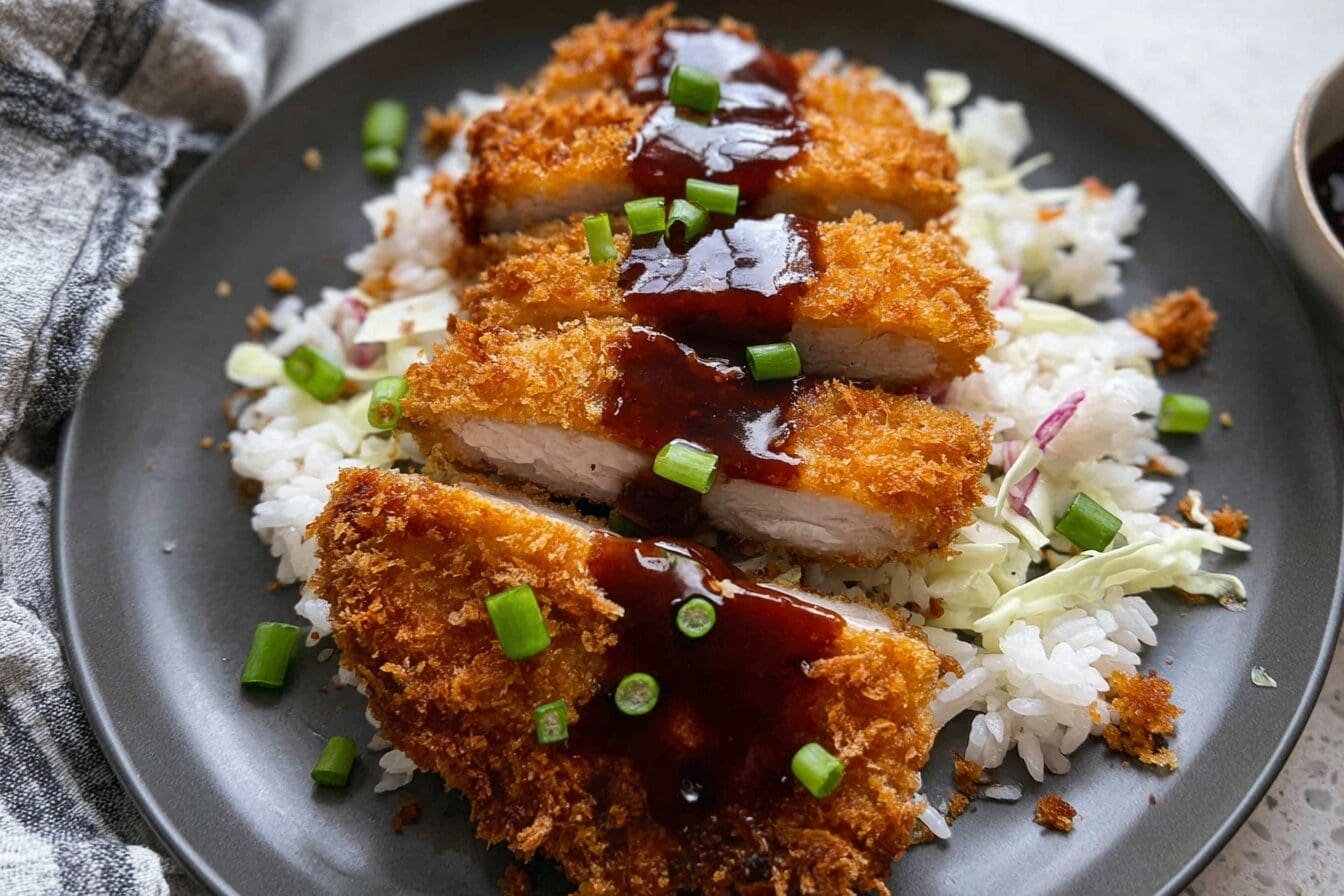
Why You’ll Love This Pork Katsu
Pork Katsu offers a simple way to enjoy a crispy, satisfying meal that’s perfect for busy weeknights. For starters, the ease of preparation makes it a go-to choice. You only need a few basic steps and common ingredients, so you can whip it up in under 30 minutes without much hassle.
Health benefits are another big plus with Pork Katsu. The dish uses lean pork cuts like loin, which provide high-quality protein and essential nutrients such as B vitamins and iron, helping keep you energized and strong. Plus, it’s versatile enough to fit different diets, allowing tweaks for lower calories or gluten-free options without losing that signature crunch.
What really sets this recipe apart is its distinctive flavor. The golden, crispy coating contrasts beautifully with the tender pork inside, creating a taste that’s both comforting and exciting. Serve it with fresh veggies and a sweet-savory sauce to balance the meal and make it adaptable for any occasion or family preference.
Beyond these points, Pork Katsu can become a fun family activity. Imagine gathering everyone to bread the pork and fry it together, turning a simple dinner into a memorable event. This recipe has won over many home cooks because it delivers big on flavor while keeping things straightforward and enjoyable.
Jump To
- 1. Why You’ll Love This Pork Katsu
- 2. Essential Ingredients for Pork Katsu
- 3. How to Prepare the Perfect Pork Katsu: Step-by-Step Guide
- 4. Dietary Substitutions to Customize Your Pork Katsu
- 5. Mastering Pork Katsu: Advanced Tips and Variations
- 6. How to Store Pork Katsu: Best Practices
- 7. FAQs: Frequently Asked Questions About Pork Katsu
- 8. Pork Katsu
Essential Ingredients for Pork Katsu
Gathering the right ingredients is key to making Pork Katsu that delivers on crispiness and taste. Below is a detailed list of the main ingredients, including their precise measurements and a quick explanation of what each one brings to the dish. Remember, you can also explore special dietary options to tailor this recipe to your needs.
- 250 grams of all-purpose flour – This forms the base coating to help the egg and breadcrumbs stick, creating a crunchy exterior.
- 150 grams of sugar – Adds a subtle sweetness that balances flavors, especially if mixed into any sauce or marinade for extra depth.
- 2 large eggs – Acts as a binder to secure the flour and breadcrumbs onto the pork, ensuring everything holds together during frying.
- 120 milliliters of milk – Helps thin the egg mixture for an even coat, adding moisture that keeps the pork juicy inside.
- 50 grams of butter – Provides richness and flavor; melt it to mix with other wet ingredients for a smoother blend.
- 1 teaspoon of baking powder – Lightly aerates the coating for extra crispiness, making your Pork Katsu stand out with that perfect texture.
- 400 grams of pork loin (not specified in the original list but essential for the recipe) – The star protein that offers tender, juicy bites when fried just right.
- 100 grams of panko breadcrumbs (standard for Pork Katsu) – Delivers the ultra-crisp coating that defines this dish with its light, airy crunch.
Special Dietary Options
For vegan adaptations, swap the pork with firm tofu or seitan and use plant-based milk instead of dairy milk to keep the coating vegan-friendly. If you’re going gluten-free, replace the all-purpose flour with a gluten-free blend and opt for gluten-free panko to maintain that crispy finish. For low-calorie versions, reduce the butter and use air-frying instead of deep-frying to cut down on oil while preserving flavor and texture.
How to Prepare the Perfect Pork Katsu: Step-by-Step Guide
Making Pork Katsu at home is straightforward and fun, starting with the right prep work. Follow these steps to achieve that extra crispy result everyone loves. I’ll walk you through it so you feel confident from start to finish.
First Step: Gather and Prepare Your Ingredients
Begin by slicing 400 grams of pork loin into 1-inch thick pieces and pounding them to about 1/4-inch thickness for even cooking. Season each piece with a pinch of salt and pepper to enhance the natural flavors. This mise-en-place step ensures everything is ready, making the process smoother and less stressful.
Second Step: Set Up Your Coating Station
Prepare three shallow bowls: one with 250 grams of all-purpose flour, another with a mixture of 2 large eggs beaten with 120 milliliters of milk, and the third with 100 grams of panko breadcrumbs mixed with a touch of the 150 grams of sugar for a hint of sweetness. Dip each pork piece first into the flour, shaking off excess, then into the egg mixture, and finally press it into the panko for a thick, even coat. This method builds layers that lead to the ultimate crunch.
Third Step: Heat the Oil and Fry the Pork
Heat oil in a deep pan to 350°F, which is the ideal temperature for achieving a golden-brown exterior without overcooking the inside. Carefully add the coated pork pieces, frying them for 4-5 minutes per side until they reach an internal temperature of 145°F. Use a wire rack to drain excess oil afterward, helping maintain that crispy texture you crave. For more tips on frying, check out our guide in the crispy baked chicken recipe for similar techniques.
Fourth Step: Prepare Accompaniments and Serve
While the pork fries, shred some fresh cabbage and warm up steamed rice to complement the dish. Mix 50 grams of melted butter into a simple sauce if desired, though traditional tonkatsu sauce works best. Once fried, let the pork rest for a minute, then slice it into strips for easier eating. Serve immediately with the sides to enjoy the contrast of textures and flavors at their peak.
Final Step: Finishing Touches and Enjoying Your Meal
Plate your Pork Katsu with a generous drizzle of tonkatsu sauce, which ties everything together with its sweet and savory notes. Add a side of veggies for balance, and consider baking any leftovers in a preheated oven at 180 degrees Celsius for 25 minutes if you want to repurpose them. This step ensures your meal is not only delicious but also a joyful experience for you and your family.
| Step | Time Required | Tips |
|---|---|---|
| Gather Ingredients | 5 minutes | Double-check measurements for best results |
| Fry Pork | 10 minutes | Monitor oil temperature closely |
| Serve | 2 minutes | Add fresh garnishes for appeal |

Dietary Substitutions to Customize Your Pork Katsu
Adapting Pork Katsu for different needs is easy and keeps the dish exciting. Start with protein alternatives like using chicken breast instead of pork for a lighter option, or swap in turkey for a different twist that still fries up crispy. These changes help accommodate tastes or availability while maintaining the core appeal of the recipe.
For vegetable modifications, add seasonal greens like spinach or broccoli to the plate for extra nutrients, or use them in the coating mix. When it comes to sauces and seasonings, try swapping tonkatsu sauce with a homemade mix using soy sauce and honey, or go spicy with chili flakes for a personalized flavor. This flexibility makes Pork Katsu a versatile choice for everyone at the table.
Mastering Pork Katsu: Advanced Tips and Variations
Taking your Pork Katsu to the next level involves some pro techniques. For better results, use a meat thermometer to ensure the pork hits 145°F without drying out, giving you that perfect juicy center. Experiment with flavor variations by adding garlic powder to the breadcrumb mix for an extra kick that elevates the taste.
Presentation tips include slicing the pork neatly and arranging it with colorful sides like pickled veggies to make the plate pop. For make-ahead options, prepare the coated pork ahead and freeze it, then fry fresh when needed to save time on busy days.
How to Store Pork Katsu: Best Practices
Proper storage keeps your Pork Katsu tasty for later. For refrigeration, cool the leftovers completely and store in an airtight container for up to 3 days to maintain crispiness. Freezing works well for longer storage; wrap portions tightly and keep them in the freezer for up to 2 months without losing quality.
When reheating, use an oven at 350°F for 10 minutes to restore crunch, avoiding the microwave which can make it soggy. For meal prep, cook in batches and label containers with dates to plan your meals efficiently.
FAQs: Frequently Asked Questions About Pork Katsu
What is Pork Katsu?
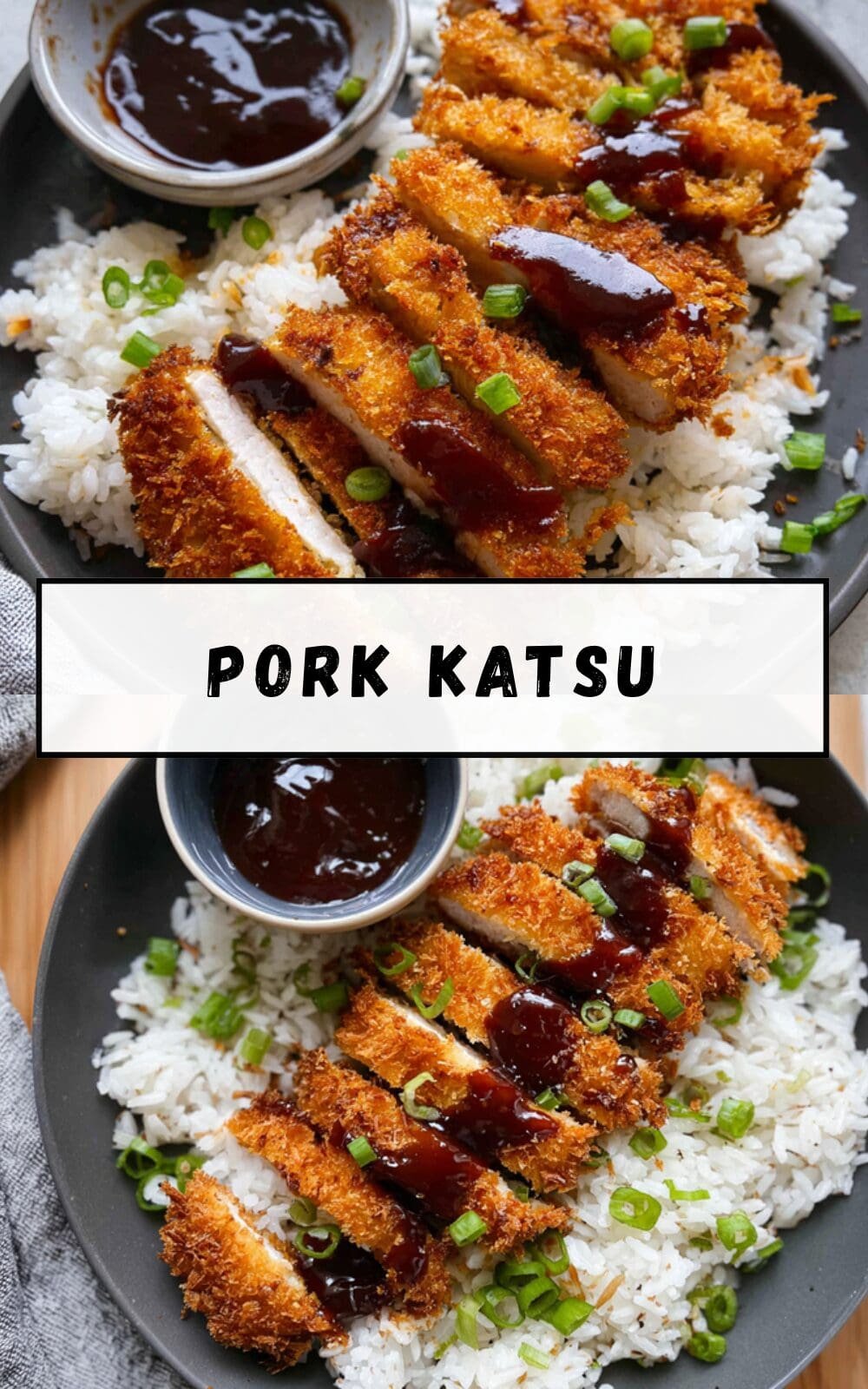
Pork Katsu is a Japanese-inspired dish featuring a breaded and deep-fried pork cutlet. Similar to the more well-known Chicken Katsu, this dish uses pork loin or tenderloin that’s pounded thin, coated in crispy panko breadcrumbs, and fried until golden brown. It’s typically served with a thick, sweet tonkatsu sauce, shredded cabbage, and steamed rice, offering a delightful contrast between the crispy exterior and tender, juicy pork inside.
How do you make Pork Katsu at home?
To make Pork Katsu, start by cutting pork loin into 1-inch thick slices and pounding them to about ¼-inch thickness. Season the pork with salt and pepper, then coat each piece in flour, dip in beaten egg, and press into panko breadcrumbs. Heat oil to 350°F and fry for 4-5 minutes per side until golden brown and crispy. Drain on a wire rack and serve immediately with tonkatsu sauce, cabbage, and rice for the authentic experience.
What’s the difference between Pork Katsu and Chicken Katsu?
While both dishes share the same preparation method and Japanese origins, the main difference is the protein used. Pork Katsu uses pork loin, which has a richer flavor and darker meat compared to the milder taste of chicken breast used in Chicken Katsu. Pork also has a higher fat content, which can result in a juicier interior when cooked properly. The breading and frying technique remain identical, but the sauce pairings might vary slightly to complement the stronger flavor of pork.
What sauce is traditionally served with Pork Katsu?
Pork Katsu is traditionally served with tonkatsu sauce, a thick Japanese sauce made from a blend of apples, onions, carrots, celery, and prunes, pureed and cooked with vinegar, sugar, and spices. The sauce has a distinct sweet and savory flavor profile that perfectly complements the crispy fried pork. Some variations include a fruitier version or a spicier kick, but the classic tonkatsu sauce with its smooth consistency and balanced flavors remains the most popular accompaniment to this dish.
Can Pork Katsu be made gluten-free?
Yes, Pork Katsu can easily be made gluten-free with simple substitutions. Replace the all-purpose flour coating with gluten-free flour blend, and use gluten-free panko breadcrumbs for the crispy coating. The tonkatsu sauce is naturally gluten-free, but always check labels when using store-bought versions. Serve with gluten-free tamari instead of regular soy sauce if needed, and accompany with rice made from gluten-free grains or cauliflower rice for a complete gluten-free meal that doesn’t compromise on the dish’s signature crunch and flavor.
Pork Katsu
- Total Time: 30 minutes
- Yield: 4 servings
- Diet: General
Description
🐖 Savor the crunchy, golden crust of authentic Tonkatsu that delivers a protein-packed punch for a delightful meal.
🐖 Try this easy Japanese classic for its simple steps and versatile flavors, perfect for a quick homemade dinner.
Ingredients
– 250 grams all-purpose flour forms the base coating to help the egg and breadcrumbs stick, creating a crunchy exterior
– 150 grams sugar adds a subtle sweetness that balances flavors, especially if mixed into any sauce or marinade for extra depth
– 2 large eggs acts as a binder to secure the flour and breadcrumbs onto the pork, ensuring everything holds together during frying
– 120 milliliters milk helps thin the egg mixture for an even coat, adding moisture that keeps the pork juicy inside
– 50 grams butter provides richness and flavor; melt it to mix with other wet ingredients for a smoother blend
– 1 teaspoon baking powder lightly aerates the coating for extra crispiness, making your Pork Katsu stand out with that perfect texture
– 400 grams pork loin the star protein that offers tender, juicy bites when fried just right
– 100 grams panko breadcrumbs delivers the ultra-crisp coating that defines this dish with its light, airy crunch
Instructions
1-First Step: Gather and Prepare Your IngredientsBegin by slicing 400 grams of pork loin into 1-inch thick pieces and pounding them to about 1/4-inch thickness for even cooking. Season each piece with a pinch of salt and pepper to enhance the natural flavors. This mise-en-place step ensures everything is ready, making the process smoother and less stressful.
2-Second Step: Set Up Your Coating StationPrepare three shallow bowls: one with 250 grams of all-purpose flour, another with a mixture of 2 large eggs beaten with 120 milliliters of milk, and the third with 100 grams of panko breadcrumbs mixed with a touch of the 150 grams of sugar for a hint of sweetness. Dip each pork piece first into the flour, shaking off excess, then into the egg mixture, and finally press it into the panko for a thick, even coat. This method builds layer that lead to the ultimate crunch.
3-Third Step: Heat the Oil and Fry the PorkHeat oil in a deep pan to 350°F, which is the ideal temperature for achieving a golden-brown exterior without overcooking the inside. Carefully add the coated pork pieces, frying them for 4-5 minutes per side until they reach an internal temperature of 145°F. Use a wire rack to drain excess oil afterward, helping maintain that crispy texture you crave. For more tips on frying, check out our guide in the crispy baked chicken recipe for similar techniques.
4-Fourth Step: Prepare Accompaniments and ServeWhile the pork fries, shred some fresh cabbage and warm up steamed rice to complement the dish. Mix 50 grams of melted butter into a simple sauce if desired, though traditional tonkatsu sauce works best. Once fried, let the pork rest for a minute, then slice it into strips for easier eating. Serve immediately with the sides to enjoy the contrast of textures and flavors at their peak.
5-Final Step: Finishing Touches and Enjoying Your MealPlate your Pork Katsu with a generous drizzle of tonkatsu sauce, which ties everything together with its sweet and savory notes. Add a side of veggies for balance, and consider baking any leftovers in a preheated oven at 180 degrees Celsius for 25 minutes if you want to repurpose them. This step ensures your meal is not only delicious but also a joyful experience for you and your family.
Notes
🐖 Pat the pork dry before breading to ensure the coating sticks well.
🍴 Use fresh oil for frying to achieve the extra crispy texture without greasiness.
🥩 Slice the pork against the grain for the most tender bites.
- Prep Time: 15 minutes
- Resting: 5 minutes
- Cook Time: 10 minutes
- Category: Main Course
- Method: Deep-frying
- Cuisine: Japanese
Nutrition
- Serving Size: 1 pork chop
- Calories: 500 per serving
- Sugar: 2 grams
- Sodium: 400 milligrams
- Fat: 25 grams
- Saturated Fat: 6 grams
- Unsaturated Fat: 18 grams
- Trans Fat: 0 grams
- Carbohydrates: 40 grams
- Fiber: 2 grams
- Protein: 30 grams
- Cholesterol: 100 milligrams
Keywords: Tonkatsu, Authentic, Extra Crispy, Japanese Pork Katsu