
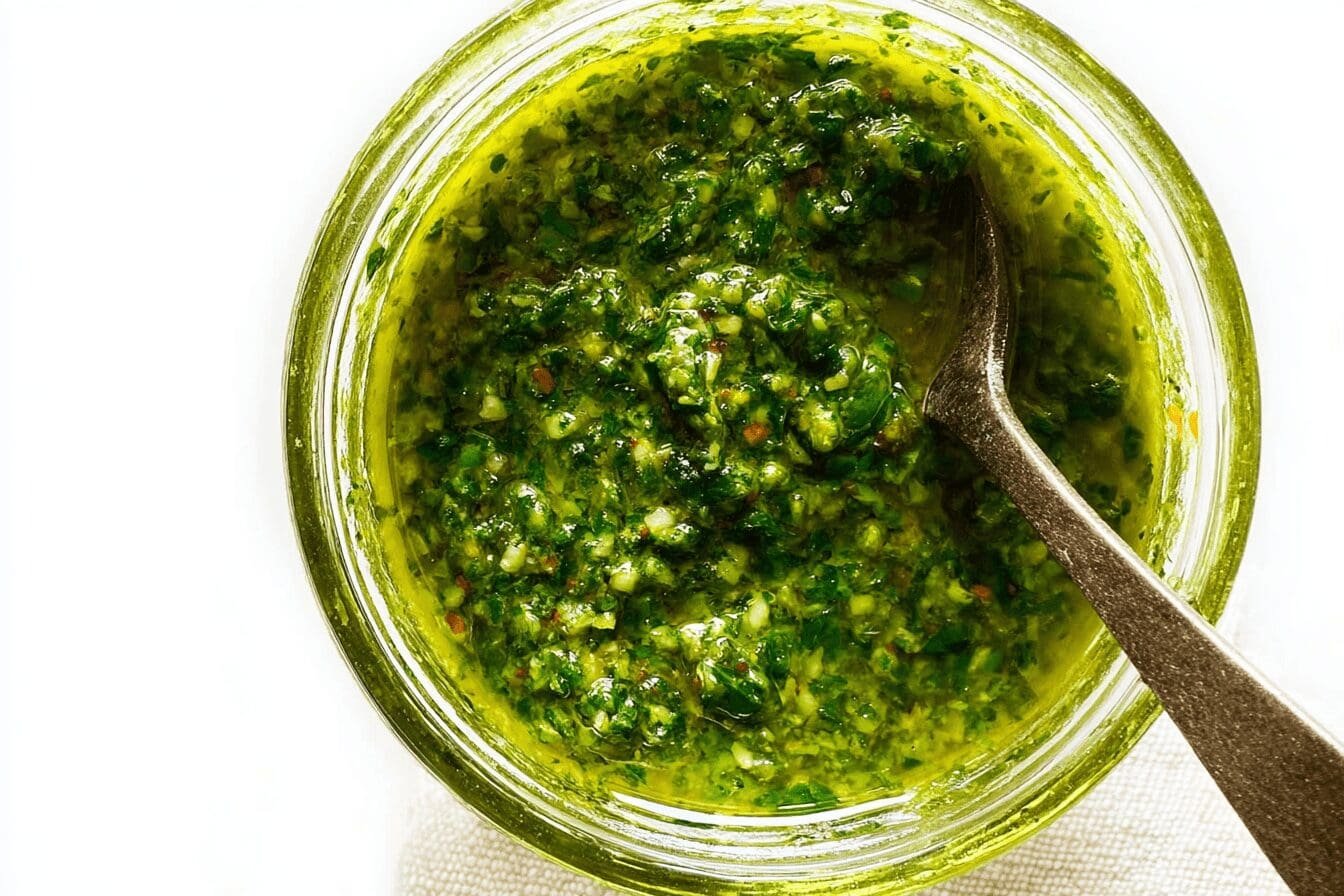
Why You’ll Love This Pesto
Pesto is a versatile condiment that brings a burst of fresh flavor to your meals, and it’s one of those simple recipes that can become a staple in your kitchen. This pesto recipe is designed for simplicity and speed, so you can whip up a delicious sauce in just minutes, making it perfect for busy weeknights or when you’re craving something homemade without the hassle. Packed with fresh basil, garlic, nuts, and olive oil, it’s loaded with nutritional perks like healthy fats, antioxidants, and vitamins that support your overall wellness.
Beyond its ease, this pesto adapts to various dietary needs, whether you’re going vegan, gluten-free, or watching your calories, all while keeping that bright, aromatic taste that makes every dish feel special. Imagine slathering it on pasta or mixing it into soups it’s that go-to sauce that adds a pop of excitement to everyday eating. If you’re a home cook like me, you’ll appreciate how this recipe inspires creativity in the kitchen, turning ordinary ingredients into something truly memorable.
One of the best parts is its distinctive flavor profile, blending herbs, quality nuts, and premium olive oil for a rich taste that stands out. For more on the health benefits of basil, this green herb isn’t just tasty; it’s a powerhouse for your body. Whether you’re a busy parent juggling dinner or a food enthusiast experimenting with flavors, this pesto will quickly become your favorite addition to meals, offering endless ways to enjoy it with pasta, grains, vegetables, or even bread.
Quick Facts About Pesto’s Appeal
- It’s ready in about 5 minutes, ideal for quick meals.
- Offers flexibility for substitutions, like using different herbs or nuts.
- Enhances a wide range of dishes, from soups to sandwiches.
Jump To
- 1. Why You’ll Love This Pesto
- 2. Essential Ingredients for Pesto
- 3. How to Prepare the Perfect Pesto: Step-by-Step Guide
- 4. Dietary Substitutions to Customize Your Pesto
- 5. Mastering Pesto: Advanced Tips and Variations
- 6. How to Store Pesto: Best Practices
- 7. FAQs: Frequently Asked Questions About Pesto
- 8. Pesto
Essential Ingredients for Pesto
When making pesto, the key is using fresh, high-quality ingredients to capture that authentic flavor we all love. Below is a comprehensive list of everything you need for this recipe, based on time-tested basics. I’ve pulled together the exact measurements to make it straightforward for you to gather what you need and get started right away.
- ½ cup pine nuts – For that creamy, nutty base.
- 2 tablespoons lemon juice – Adds a bright, tangy kick.
- 1 garlic clove – Brings in a pungent, flavorful depth.
- ¼ teaspoon salt – Helps balance and enhance the tastes.
- Pepper to taste – For a customizable spicy note.
- 2 cups fresh basil leaves – The heart of pesto, providing vibrant aroma and color.
- ¼ cup extra-virgin olive oil (with more added for a smoother consistency if desired) – Creates a rich, smooth base full of healthy fats.
- ¼ cup grated Parmesan cheese, which can be omitted for a dairy-free version – Adds a salty, umami finish.
This list covers all the essentials, and remember, for special diets like vegan options, you can swap out the Parmesan. If you’re curious about nut alternatives, they can add variety while keeping things tasty and accessible for everyone from students to seniors.
How to Prepare the Perfect Pesto: Step-by-Step Guide
Making pesto at home is easier than you might think, and it only takes about 5 minutes once you have your ingredients ready. Start by pulsing the pine nuts, lemon juice, garlic, salt, and pepper in a food processor until they’re finely chopped this step really brings out the flavors. Then, add the fresh basil leaves and pulse again to mix everything evenly, creating that signature green hue we all recognize.
While the processor is running, slowly drizzle in the extra-virgin olive oil to help it emulsify into a smooth sauce; feel free to add a bit more oil if you want a creamier texture. If you’re using Parmesan cheese, give it a brief pulse at the end to incorporate it without overmixing remember, you can skip this for a dairy-free twist. Once done, taste and adjust seasonings as needed, and you’re set to enjoy it fresh.
First, gather and wash all fresh ingredients, ensuring basil leaves are dry to prevent watery pesto; this sets the stage for the best results. Second, toast pine nuts lightly in a pan to enhance their flavor and let them cool before adding. Third, in a food processor, combine basil leaves, toasted pine nuts, and garlic; pulse until finely chopped for a perfect blend. Fourth, gradually add olive oil while processing to create a smooth and emulsified sauce that coats everything nicely. Fifth, incorporate grated Parmesan cheese if using; pulse briefly until mixed evenly, and finally, taste and season with salt and pepper as desired.
For variations, try substituting different nuts or herbs to make it your own, which is great for busy professionals looking to mix things up. If you’re new to this, pairing pesto with pasta is a classic, but don’t stop there it’s also amazing in soups or sauces. Oh, and if you love simple recipes like this, check out our creamy chicken and broccoli pasta recipe for another quick favorite that complements pesto perfectly.

Dietary Substitutions to Customize Your Pesto
One of the joys of pesto is how easy it is to tweak for different dietary needs, making it accessible for home cooks, busy parents, or anyone watching their diet. For instance, if you’re avoiding nuts, you can replace pine nuts with walnuts, almonds, or even seeds like sunflower for a similar creamy texture without losing that satisfying crunch. Protein alternatives like tofu can slip in for a vegan boost, keeping the flavor fresh and balanced.
On the vegetable side, swap basil for greens such as kale, spinach, or arugula to add nutrition and change things up seasonally. If you’re experimenting with sauces, try adding lemon zest or sun-dried tomatoes to create unique twists that suit food enthusiasts or travelers seeking global flavors. Adjust garlic or herbs to make it milder for those with restrictions, ensuring everyone at the table can enjoy it.
Protein and main component alternatives include replacing pine nuts with walnuts, almonds, or cashews for varied texture and taste, and using tofu or tempeh in vegan pesto versions to add protein without altering flavor significantly. For vegetable, sauce, and seasoning modifications, swap basil for kale, spinach, or arugula for seasonal or nutritional changes, and experiment with sauces by adding lemon zest or sun-dried tomatoes to create unique flavor profiles. Finally, adjust garlic quantity or incorporate milder herbs to accommodate dietary restrictions or preferences, keeping it simple for newlyweds starting their cooking adventures.
Mastering Pesto: Advanced Tips and Variations
Once you’ve got the basics down, taking your pesto to the next level is all about trying new techniques and ingredients that add excitement. For a traditional touch, use a mortar and pestle instead of a food processor; it releases the essential oils more effectively, giving you a deeper, more authentic flavor that food enthusiasts will rave about. Flavor variations can include adding roasted red peppers, fresh mint, or even red pepper flakes for a spicy kick, making it versatile for different meals.
Presentation is key too drizzle pesto over your dish in a fun pattern and top with whole nuts or herb sprigs to make it look as good as it tastes, which is perfect for impressing guests or family. If you’re into meal prep, make larger batches and store them for later; this saves time on busy days and reduces waste. Pro cooking techniques like using a mortar and pestle for traditional crushing can enhance flavor, while introducing ingredients like roasted red peppers or fresh mint diversifies the taste beautifully.
Make-Ahead Options for Busy Schedules
| Option | Benefits | Tips |
|---|---|---|
| Prepare in batches | Saves time for weeknights | Use airtight containers |
| Add oil layer | Maintains freshness | Top with olive oil before storing |
Lastly, for more ideas on incorporating pesto into dishes, it’s commonly served with pasta, grains, vegetables, bread, and even mixed into soups and sauces, as shared in our blog’s recipes.
How to Store Pesto: Best Practices
Proper storage is what keeps your pesto tasting fresh and vibrant, so let’s cover the basics to help you make the most of it. Refrigerate pesto in a sealed container for up to one week; add a thin layer of olive oil on top to prevent oxidation and keep that beautiful green color. Freezing is another great option use ice cube trays for portioned sizes, then transfer the cubes to freezer bags for easy use later, lasting several months without losing quality.
When you’re ready to use it, thaw gently at room temperature or stir it directly into warm dishes to preserve the flavors. For meal prep, think about batch cooking to have pesto on hand for quick additions to your favorites, which is a game-changer for working professionals or baking enthusiasts. Pesto can be stored in an airtight container in the refrigerator for several days, ideally with its surface covered by a layer of oil or plastic wrap to maintain color and freshness, as we’ve found in our kitchen experiments.
This simple storage tip not only keeps pesto fresh but also makes it easy to enjoy on the go, just like in our family’s weekly meals.
FAQs: Frequently Asked Questions About Pesto
What ingredients do I need to make traditional basil pesto?
Traditional basil pesto requires fresh basil leaves, garlic, pine nuts, extra-virgin olive oil, Parmesan cheese, and a pinch of salt. Some recipes include lemon juice to add brightness. These ingredients blend together to create a flavorful, aromatic sauce that pairs well with pasta and many other dishes.
How can I store pesto to keep it fresh longer?
To store pesto, place it in an airtight container and smooth the surface. Pour a thin layer of olive oil on top or press plastic wrap directly onto the pesto to prevent air exposure, which causes browning. Refrigerated pesto lasts about 3 to 5 days. For longer storage, freeze pesto in ice cube trays and transfer the cubes to a sealed bag for convenient, portioned use.
Can I make pesto without nuts or cheese for dietary restrictions?
Yes, you can make nut-free and dairy-free pesto by substituting pine nuts with seeds like sunflower or pumpkin seeds and skipping the Parmesan cheese. Nutritional yeast is a great addition for a cheesy flavor in vegan pesto. This alternative works well for those with allergies or following a vegan diet.
What are some creative ways to use pesto besides tossing it with pasta?
Pesto is versatile and can be spread on sandwiches, drizzled over grilled vegetables, added to soups for extra flavor, spooned onto pizza before baking, or served as a dip with bread or crackers. It also pairs well with eggs, either stirred into scrambled eggs or used as a topping for poached eggs.
How does homemade pesto differ from store-bought varieties?
Homemade pesto tends to have a fresher, more vibrant flavor because it uses fresh ingredients and avoids preservatives. Store-bought pesto often contains stabilizers and may use oils with a milder taste. Making pesto at home allows you to adjust the ingredient proportions to your preference and experiment with different nuts or greens.
Pesto
- Total Time: 5 minutes
- Yield: About 1 cup
- Diet: Vegetarian, Gluten-Free, Dairy-Free option
Description
🌿 Experience the vibrant and authentic flavor of fresh basil in this classic Pesto recipe, perfect for enhancing a wide range of dishes.
🧄 Packed with fresh ingredients like basil, garlic, and pine nuts, this versatile condiment adds brightness and richness to pasta, bread, and more.
Ingredients
– ½ cup pine nuts for that creamy, nutty base
– 2 tablespoons lemon juice adds a bright, tangy kick
– 1 garlic clove brings in a pungent, flavorful depth
– ¼ teaspoon salt helps balance and enhance the tastes
– Pepper to taste for a customizable spicy note
– 2 cups fresh basil leaves the heart of pesto, providing vibrant aroma and color
– ¼ cup extra-virgin olive oil creates a rich, smooth base full of healthy fats
– ¼ cup grated Parmesan cheese adds a salty, umami finish
Instructions
1-First, gather and wash all fresh ingredients, ensuring basil leaves are dry to prevent watery pesto; this sets the stage for the best results.
2-Second, toast pine nuts lightly in a pan to enhance their flavor and let them cool before adding.
3-Third, in a food processor, combine basil leaves, toasted pine nuts, and garlic; pulse until finely chopped for a perfect blend.
4-Fourth, gradually add olive oil while processing to create a smooth and emulsified sauce that coats everything nicely.
5-Fifth, incorporate grated Parmesan cheese if using; pulse briefly until mixed evenly, and finally, taste and season with salt and pepper as desired.
Making pesto at home is easier than you might think, and it only takes about 5 minutes once you have your ingredients ready. Start by pulsing the pine nuts, lemon juice, garlic, salt, and pepper in a food processor until they’re finely chopped this step really brings out the flavors. Then, add the fresh basil leaves and pulse again to mix everything evenly, creating that signature green hue we all recognize.
While the processor is running, slowly drizzle in the extra-virgin olive oil to help it emulsify into a smooth sauce; feel free to add a bit more oil if you want a creamier texture. If you’re using Parmesan cheese, give it a brief pulse at the end to incorporate it without overmixing remember, you can skip this for a dairy-free twist. Once done, taste and adjust seasonings as needed, and you’re set to enjoy it fresh.
Notes
🌰 Substitute pine nuts with walnuts, almonds, or sunflower seeds for different flavors and textures.
🌿 Try other herbs like mint, cilantro, or parsley to create unique pesto variations.
🌶️ Add sun-dried tomatoes or red pepper flakes for extra flavor and a spicy kick.
- Prep Time: 5 minutes
- Cook Time: 0 minutes
- Category: Condiment, Sauce, Spread
- Method: Blending
- Cuisine: Italian
Nutrition
- Serving Size: 2 tablespoons
- Calories: 180
- Sugar: 0.5 g
- Sodium: 150 mg
- Fat: 17 g
- Saturated Fat: 2.5 g
- Unsaturated Fat: 14 g
- Trans Fat: 0 g
- Carbohydrates: 3 g
- Fiber: 1 g
- Protein: 4 g
- Cholesterol: 5 mg
Keywords: Basil Pesto,Fresh Pesto,Italian Sauce,Herb Condiment