
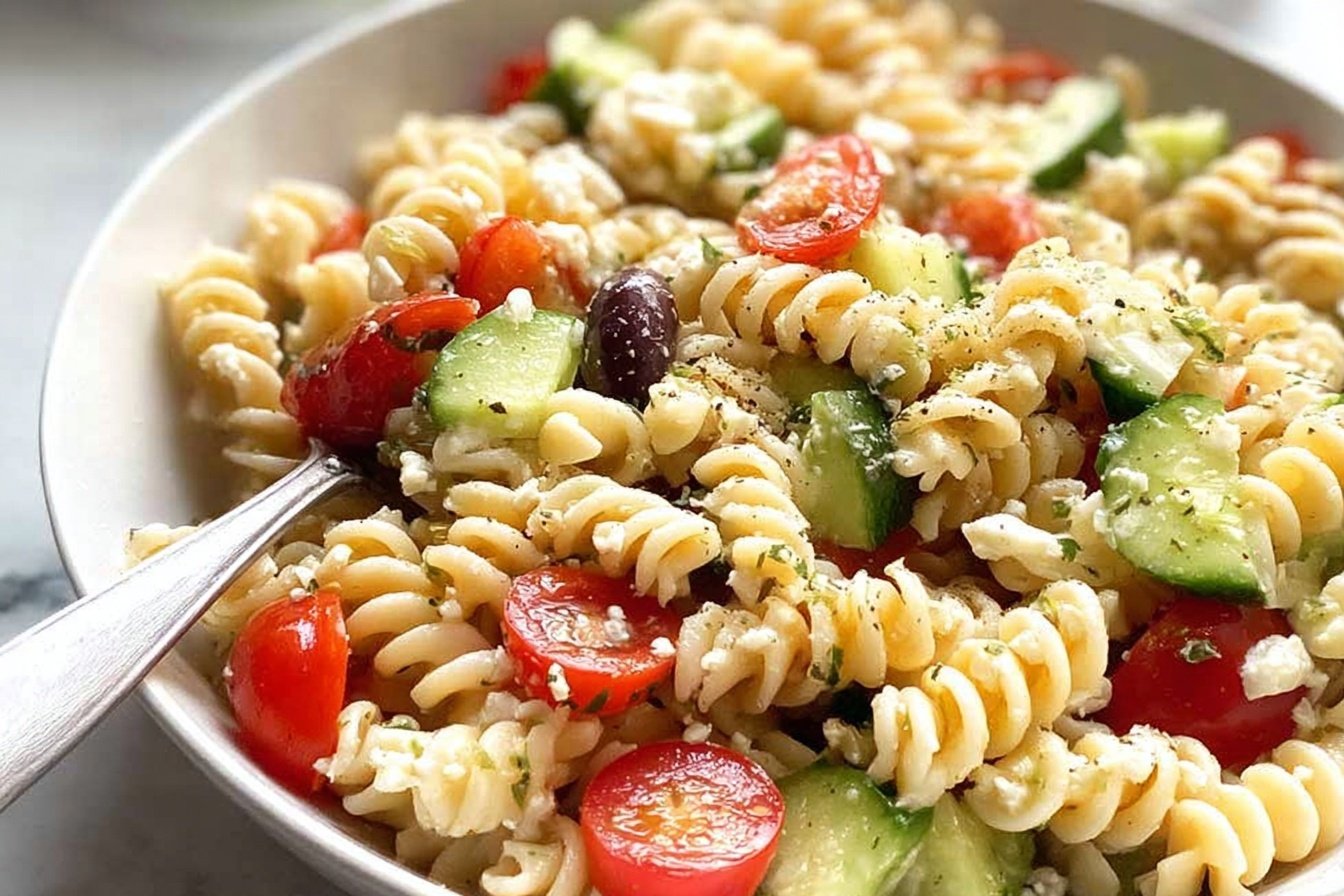
Why You’ll Love This Pasta Salad
There’s something truly satisfying about a well-made pasta salad that brings people together at picnics, potlucks, and family gatherings. This quick and easy pasta salad recipe has become a go-to favorite for home cooks everywhere, and it’s not hard to see why. Whether you’re a busy parent looking for a make-ahead dish or a student wanting something delicious without spending hours in the kitchen, this recipe delivers on every front.
This easy pasta salad stands out from the crowd for several fantastic reasons that will make it a permanent fixture in your recipe collection:
- Ease of preparation: With just 20 minutes of active prep time and simple, straightforward steps, this recipe comes together effortlessly. The cooking process is beginner-friendly, and you don’t need any fancy equipment or advanced kitchen skills to achieve excellent results.
- Health benefits: Packed with fresh vegetables like bell peppers, zucchini, cherry tomatoes, and nutrient-rich olives, this pasta salad delivers vitamins, minerals, and antioxidants in every bite. The homemade dressing uses quality olive oil, which provides heart-healthy fats that nourish your body while satisfying your taste buds.
- Versatility: One of the best things about this recipe is how easily it adapts to different dietary needs and preferences. You can swap ingredients based on what’s in season, what you have on hand, or specific dietary requirements. It works beautifully for vegetarians and can be modified for gluten-free diets with a simple pasta swap.
- Distinctive flavor: The combination of tangy vinegar-based dressing, savory cheeses, briny olives, and crisp fresh vegetables creates a flavor profile that’s bright, bold, and completely addictive. Each ingredient plays its part in building layers of taste that keep everyone coming back for seconds.
Jump To
- 1. Why You’ll Love This Pasta Salad
- 2. Essential Ingredients for Pasta Salad
- 3. How to Prepare the Perfect Pasta Salad: Step-by-Step Guide
- 4. Dietary Substitutions to Customize Your Pasta Salad
- 5. Mastering Pasta Salad: Advanced Tips and Variations
- 6. How to Store Pasta Salad: Best Practices
- 7. FAQs: Frequently Asked Questions About Pasta Salad
- 8. Pasta Salad
Essential Ingredients for Pasta Salad
Creating the perfect pasta salad recipe starts with gathering quality ingredients that work harmoniously together. Each component brings something special to the dish, from the satisfying chew of al dente pasta to the fresh crunch of colorful vegetables. Here’s everything you’ll need to make this crowd-pleasing salad:
Pasta Salad Ingredients
- 1 pound dried pasta such as fusilli, penne, rotini, or farfalle – These shapes have ridges and curves that hold onto dressing beautifully
- 1 cup sliced bell pepper (about 1 medium) – Adds sweet crunch and vibrant color
- 1 cup thinly sliced zucchini (about 1/2 medium) – Brings mild flavor and tender texture
- 1 cup halved cherry tomatoes – Provides juicy bursts of freshness
- 1/3 cup thinly sliced green onions (5 to 6 green onions) – Delivers mild onion flavor without overpowering
- 1/4 cup sliced pepperoncini or banana peppers (optional) – Adds tangy heat and briny depth
- 1 cup (4 ounces) halved mixed olives (Kalamata or green olives) – Contributes savory richness and Mediterranean flair
- 1 cup (2 ounces) grated parmesan cheese or other hard cheese – Brings salty, umami goodness
- 1 cup (6 ounces) fresh mozzarella balls, chopped – Adds creamy, mild cheese flavor
- 1/3 cup fresh parsley or basil (optional) – Provides fresh herbal notes and garnish appeal
Homemade Dressing Ingredients
- 1/3 cup red wine vinegar, white wine vinegar, or champagne vinegar – Creates the tangy base that brightens all flavors
- 1/2 teaspoon fine sea salt, plus more to taste – Season to bring out the best in every ingredient
- 1/2 teaspoon fresh ground black pepper – Adds subtle heat and depth
- 1/2 teaspoon dried oregano – Infuses classic Italian herb flavor
- 2 to 3 tablespoons juice from pepperoncini jar (optional) – Boosts tanginess with extra brine
- 1/2 cup extra-virgin olive oil – Creates silky texture and rich mouthfeel
Special Dietary Options
| Dietary Need | Substitution |
|---|---|
| Vegan | Replace parmesan with nutritional yeast; swap mozzarella for dairy-free cheese or cubed avocado |
| Gluten-free | Use gluten-free pasta made from rice, corn, or chickpea flour |
| Low-carb | Substitute pasta with zucchini noodles or cauliflower florets |
| Dairy-free | Omit cheeses or use plant-based alternatives; add extra vegetables for bulk |
How to Prepare the Perfect Pasta Salad: Step-by-Step Guide
Making this quick pasta salad is a straightforward process that anyone can master. Follow these detailed steps, and you’ll have a beautiful, flavorful dish ready in no time. For more pasta inspiration, check out this delicious zucchini pesto pasta recipe that’s perfect for weeknight dinners.
Step 1: Cook the Pasta to Perfection
Start by bringing a large pot of salted water to a rolling boil. Add your dried pasta and cook according to package directions, but reduce the cooking time by 1-2 minutes to achieve that perfect al dente texture. The pasta should be tender but still have a slight firmness when bitten. This is crucial because the pasta will continue absorbing dressing as it sits, and nobody wants mushy salad.
Once the pasta reaches the ideal doneness, drain it immediately in a colander. Here’s the key step that many people skip: rinse the pasta thoroughly under cold running water. This stops the cooking process instantly and removes excess starch that would otherwise make your salad gummy and clumped. Keep rinsing until the pasta feels completely cool to the touch.
After rinsing, shake the colander well to remove excess water. Transfer the cooled pasta to a large mixing bowl or spread it on a baking sheet to air dry for about 10 minutes. This brief drying period helps the dressing adhere better to each piece of pasta.
Step 2: Prepare the Fresh Vegetables
While the pasta cooks and cools, turn your attention to the vegetables. Wash all produce thoroughly under cool water. For the bell pepper, remove the stem, seeds, and inner membranes, then slice it into thin strips or bite-sized pieces. The zucchini should be trimmed at both ends and sliced thin. You can use a knife or a mandoline for uniform slices.
Halve the cherry tomatoes, which allows their juices to mingle with the dressing and creates little pockets of fresh flavor throughout the salad. Slice the green onions thinly, using both the white and green parts for maximum flavor and visual appeal.
If you’re including pepperoncini or banana peppers, slice them into rings. These bring a wonderful tangy heat that elevates the entire dish. Drain the olives well and cut them in half so their briny flavor distributes evenly throughout the salad.
Step 3: Prep the Cheese and Herbs
The cheese components add richness and satisfying texture to your pasta salad. Grate the parmesan cheese if you bought it in a block. Fresh-grated cheese melts slightly into the warm pasta and dressing, creating creamier results than pre-grated varieties.
For the fresh mozzarella balls, drain any liquid and chop them into bite-sized pieces. These little pockets of mild, creamy cheese are always a hit. If you’re using fresh parsley or basil, wash and dry the leaves thoroughly, then chop them finely. Fresh herbs brighten the entire dish and add beautiful flecks of green.
Step 4: Make the Homemade Dressing
A great easy pasta salad recipe depends on a well-balanced dressing. In a medium bowl or a jar with a tight-fitting lid, combine the vinegar, sea salt, black pepper, dried oregano, and optional pepperoncini juice. Whisk or shake until the salt dissolves completely.
Slowly drizzle in the extra-virgin olive oil while whisking constantly, or add it all at once if using a jar and shake vigorously. This creates an emulsion that gives the dressing a smooth, cohesive texture rather than having the oil separate from the vinegar.
Taste the dressing and adjust seasonings as needed. You might want more salt, a bit more vinegar for tanginess, or extra oregano for herbier notes. The dressing should taste slightly bold on its own because it will mellow when mixed with the pasta and vegetables.
Pro Tip: Always make extra dressing and store it separately. Pasta absorbs dressing as it sits, so having extra on hand lets you refresh the salad just before serving.
Step 5: Combine Everything Together
Now comes the satisfying part. In your largest mixing bowl, combine the cooled pasta with all the prepared vegetables, olives, both cheeses, and fresh herbs if using. Give everything a gentle toss to distribute the ingredients evenly.
Pour about three-quarters of the dressing over the salad and toss gently but thoroughly. Use a large spoon or spatula to fold the ingredients together, making sure every piece of pasta gets coated with the flavorful dressing. Save the remaining dressing for later.
Let the salad rest for at least 15-20 minutes before serving. This resting period allows the flavors to meld together and the pasta to absorb some of the dressing. Just before serving, give it another toss and add the reserved dressing if needed.

Dietary Substitutions to Customize Your Pasta Salad
One of the beauties of this quick and easy pasta salad recipe is how adaptable it is to different tastes and dietary requirements. Whether you’re cooking for someone with allergies, preferences, or simply want to use what’s in your pantry, there are plenty of ways to make this dish your own.
Protein and Main Component Alternatives
If you want to add protein to turn this side dish into a complete meal, there are countless options. Diced cooked chicken breast, flaked tuna, or cooked shrimp all work beautifully. For a plant-based protein boost, try adding chickpeas, white beans, or cubed tofu. Each of these additions brings different nutritional benefits while complementing the existing flavors.
Cheese lovers can experiment with different varieties. Feta cheese crumbles add a tangy Greek twist, while cubed cheddar brings sharper flavor. For those avoiding dairy, nutritional yeast provides a cheesy flavor without animal products, and avocado cubes add creamy richness.
Vegetable, Sauce, and Seasoning Modifications
The vegetable combinations are virtually endless. In summer, add fresh corn kernels, diced cucumber, or thin slices of radish. Fall versions might include roasted butternut squash or diced apples. Winter variations could feature roasted red peppers from a jar or sun-dried tomatoes packed in oil.
For the dressing, experiment with different vinegars. Apple cider vinegar brings fruity acidity, while balsamic vinegar adds depth and sweetness. You could also use a bottled Italian dressing or creamy Caesar dressing for different flavor profiles entirely.
Seasoning variations can transport this salad to different cuisines. Add chopped sun-dried tomatoes and fresh basil for an Italian vibe. Include chopped artichoke hearts and spinach for a Mediterranean twist. For something with Southwest flair, add black beans, corn, cilantro, and a dressing made with lime juice and cumin. You might also enjoy this balsamic roasted veggie pasta with grilled chicken for another flavorful pasta option.
Mastering Pasta Salad: Advanced Tips and Variations
Taking your pasta salad recipe from good to great involves understanding a few key techniques that professional cooks use. These tips will help you create restaurant-quality results every time you make this dish.
Pro Cooking Techniques
Salt your pasta water generously. It should taste almost like seawater. This is your only chance to season the pasta itself, and properly salted water makes a noticeable difference in the final dish. Also, never add oil to the pasta water, as this prevents the dressing from sticking to the noodles later.
Consider the size of your vegetable cuts. Aim for pieces that are similar in size to your pasta. This ensures every forkful contains a balanced mix of ingredients. Large chunks of vegetables can overwhelm a bite, while too-small pieces get lost.
Flavor Variations
Create themed variations to keep this recipe fresh and exciting. A Greek version might include feta cheese, cucumber, and a dressing heavy on lemon juice and oregano. An antipasto variation could feature salami, provolone, and marinated vegetables. A caprese-style pasta salad combines fresh mozzarella, cherry tomatoes, and basil with a balsamic dressing.
Presentation Tips
For attractive presentation, choose a large, shallow serving bowl that shows off the colorful ingredients. Garnish with fresh herb sprigs, a sprinkle of extra parmesan, and a few whole olives on top. The visual appeal makes the dish more appetizing and impressive at gatherings.
Make-Ahead Options
This salad actually improves when made ahead. Prepare it up to 24 hours in advance, but reserve about a quarter of the dressing. Store the salad and extra dressing separately in the refrigerator. About 30 minutes before serving, remove the salad from the fridge to take the chill off, then toss with the reserved dressing and adjust seasonings as needed.
According to Inspired Taste, letting pasta salad rest allows the noodles to absorb the dressing’s flavors more deeply, creating a more cohesive and satisfying dish.
How to Store Pasta Salad: Best Practices
Proper storage ensures your homemade pasta salad stays fresh and delicious for as long as possible. Understanding the right techniques helps you reduce waste and enjoy leftovers safely.
Refrigeration Guidelines
Store pasta salad in an airtight container in the refrigerator. Glass containers with snap-lock lids work particularly well because they don’t absorb odors and allow you to see the contents. Properly stored, pasta salad stays fresh for 3 to 5 days. Keep the refrigerator temperature at 40°F (4°C) or below to prevent bacterial growth.
If you’ve made a large batch, consider dividing it into smaller portions. This makes it easier to grab a serving for lunch without disturbing the entire container, which can lead to faster spoilage.
Freezing Considerations
Freezing pasta salad is generally not recommended. The fresh vegetables become limp and watery when thawed, and the texture of the pasta can become mushy. However, if you absolutely must freeze it, know that the quality will be significantly reduced. Thaw frozen pasta salad overnight in the refrigerator.
Reviving Leftovers
Leftover pasta salad often absorbs most of the dressing during storage. To revive it, bring it to room temperature for about 20 minutes, then add a splash of olive oil and vinegar or a bit of your reserved dressing. Toss gently and taste. You might need to add a pinch of salt or some fresh herbs to brighten the flavors.
FAQs: Frequently Asked Questions About Pasta Salad
What is the best pasta to use for pasta salad?
Hearty pasta shapes like penne, fusilli, rotini, or farfalle are ideal for pasta salad because their ridges and curves hold onto the dressing, vegetables, and cheese bits effectively. These shapes prevent ingredients from slipping off during mixing and serving. Smaller options like orzo or pearl couscous work well for lighter salads. Avoid long, thin pastas like spaghetti, as they tangle and don’t pair as nicely with chunky add-ins. Cook pasta al dente—about 1-2 minutes less than package directions—to maintain firmness after chilling. After draining, toss lightly with a bit of olive oil to prevent sticking. This choice keeps your pasta salad textured and flavorful for picnics or potlucks. (92 words)
Should I rinse pasta after cooking for pasta salad?
Yes, always rinse cooked pasta under cold water immediately after draining for pasta salad. This step removes excess surface starch that causes noodles to clump and become gummy when chilled. Cold water also stops the cooking process, ensuring the pasta stays al dente and fresh-tasting. Shake off excess water thoroughly, then spread the pasta on a sheet pan or towel to dry slightly before dressing—this absorbs moisture and improves flavor adhesion. Skipping this leads to a sticky salad that separates. For best results, use this method with short shapes like rotini or penne to create a crisp, restaurant-quality cold pasta salad. (98 words)
How do you make dressing for pasta salad?
A simple pasta salad dressing starts with 1/4 cup red wine vinegar, 1/2 cup olive oil, 1 teaspoon dried oregano, 1 teaspoon salt, and 1/2 teaspoon black pepper—whisk together in a jar for easy mixing. For extra tang, add 1-2 tablespoons brine from pepperoncini peppers if using them in the salad. Shake vigorously to emulsify, then taste and adjust seasoning. Proportions are key: aim for a 1:2 vinegar-to-oil ratio for balance. Drizzle over cooled pasta and veggies, tossing gently. Make double and store separately to refresh leftovers. This homemade version beats bottled dressings with fresh, customizable flavor. (102 words)
Can you make pasta salad ahead of time?
Absolutely, pasta salad tastes better when made ahead—prepare it up to 5 days in advance and store in the fridge. After mixing pasta, chopped veggies like cucumbers, tomatoes, olives, and cheese with dressing, cover tightly and chill for at least 30 minutes. Flavors meld during this time, creating a more cohesive taste. For optimal freshness, hold back 1/4 of the dressing to add just before serving, as absorption happens over time. Stir well before portioning. This make-ahead strategy is perfect for meal prep, barbecues, or work lunches, saving you time without sacrificing quality. (96 words)
How long does pasta salad last in the fridge?
Pasta salad stays fresh in the refrigerator for 3 to 5 days when stored properly in an airtight container. Keep it at 40°F (4°C) or below to prevent bacterial growth, especially with mayo-free dressings like vinaigrette. Signs it’s gone bad include off smells, sliminess, or mold—discard immediately. For longer storage, reserve extra dressing and remix before eating to revive moisture. It doesn’t freeze well due to veggie texture changes, but portions can last 2-3 months frozen if needed (thaw overnight in fridge). Always label with dates for safety. This shelf life makes it great for batch cooking. (98 words)
Pasta Salad
- Total Time: 30 minutes
- Yield: 8 servings
- Diet: Vegetarian
Description
🍝 Quick pasta salad bursts with crisp veggies, tangy olives, fresh cheese – colorful, crowd-pleasing side dish!
🥗 Ready in 30 minutes, make-ahead magic for potlucks, picnics, or easy weeknight dinners!
Ingredients
– 1 pound dried pasta such as fusilli, penne, rotini, or farfalle
– 1 cup sliced bell pepper (about 1 medium)
– 1 cup thinly sliced zucchini (about 1/2 medium)
– 1 cup halved cherry tomatoes
– 1/3 cup thinly sliced green onions (5 to 6 green onions)
– 1/4 cup sliced pepperoncini or banana peppers (optional)
– 1 cup (4 ounces) halved mixed olives (Kalamata or green olives)
– 1 cup (2 ounces) grated parmesan cheese or other hard cheese
– 1 cup (6 ounces) fresh mozzarella balls, chopped
– 1/3 cup fresh parsley or basil (optional)
– 1/3 cup red wine vinegar, white wine vinegar, or champagne vinegar
– 1/2 teaspoon fine sea salt, plus more to taste
– 1/2 teaspoon fresh ground black pepper
– 1/2 teaspoon dried oregano
– 2 to 3 tablespoons juice from pepperoncini jar (optional)
– 1/2 cup extra-virgin olive oil
Instructions
1-Step 1: Cook the Pasta to Perfection Start by bringing a large pot of salted water to a rolling boil. Add your dried pasta and cook according to package directions, but reduce the cooking time by 1-2 minutes to achieve that perfect al dente texture. The pasta should be tender but still have a slight firmness when bitten. This is crucial because the pasta will continue absorbing dressing as it sits, and nobody wants mushy salad. Once the pasta reaches the ideal doneness, drain it immediately in a colander. Here’s the key step that many people skip: rinse the pasta thoroughly under cold running water. This stops the cooking process instantly and removes excess starch that would otherwise make your salad gummy and clumped. Keep rinsing until the pasta feels completely cool to the touch. After rinsing, shake the colander well to remove excess water. Transfer the cooled pasta to a large mixing bowl or spread it on a baking sheet to air dry for about 10 minutes. This brief drying period helps the dressing adhere better to each piece of pasta.
2-Step 2: Prepare the Fresh Vegetables While the pasta cooks and cools, turn your attention to the vegetables. Wash all produce thoroughly under cool water. For the bell pepper, remove the stem, seeds, and inner membranes, then slice it into thin strips or bite-sized pieces. The zucchini should be trimmed at both ends and sliced thin. You can use a knife or a mandoline for uniform slices. Halve the cherry tomatoes, which allows their juices to mingle with the dressing and creates little pockets of fresh flavor throughout the salad. Slice the green onions thinly, using both the white and green parts for maximum flavor and visual appeal. If you’re including pepperoncini or banana peppers, slice them into rings. These bring a wonderful tangy heat that elevates the entire dish. Drain the olives well and cut them in half so their briny flavor distributes evenly throughout the salad.
3-Step 3: Prep the Cheese and Herbs The cheese components add richness and satisfying texture to your pasta salad. Grate the parmesan cheese if you bought it in a block. Fresh-grated cheese melts slightly into the warm pasta and dressing, creating creamier results than pre-grated varieties. For the fresh mozzarella balls, drain any liquid and chop them into bite-sized pieces. These little pockets of mild, creamy cheese are always a hit. If you’re using fresh parsley or basil, wash and dry the leaves thoroughly, then chop them finely. Fresh herbs brighten the entire dish and add beautiful flecks of green.
4-Step 4: Make the Homemade Dressing A great easy pasta salad recipe depends on a well-balanced dressing. In a medium bowl or a jar with a tight-fitting lid, combine the vinegar, sea salt, black pepper, dried oregano, and optional pepperoncini juice. Whisk or shake until the salt dissolves completely. Slowly drizzle in the extra-virgin olive oil while whisking constantly, or add it all at once if using a jar and shake vigorously. This creates an emulsion that gives the dressing a smooth, cohesive texture rather than having the oil separate from the vinegar. Taste the dressing and adjust seasonings as needed. You might want more salt, a bit more vinegar for tanginess, or extra oregano for herbier notes. The dressing should taste slightly bold on its own because it will mellow when mixed with the pasta and vegetables.
5-Step 5: Combine Everything Together Now comes the satisfying part. In your largest mixing bowl, combine the cooled pasta with all the prepared vegetables, olives, both cheeses, and fresh herbs if using. Give everything a gentle toss to distribute the ingredients evenly. Pour about three-quarters of the dressing over the salad and toss gently but thoroughly. Use a large spoon or spatula to fold the ingredients together, making sure every piece of pasta gets coated with the flavorful dressing. Save the remaining dressing for later. Let the salad rest for at least 15-20 minutes before serving. This resting period allows the flavors to meld together and the pasta to absorb some of the dressing. Just before serving, give it another toss and add the reserved dressing if needed.
Notes
🧊 Rinse cooked pasta under cold water to stop cooking and prevent sticking.
⏰ Make ahead up to 24 hours – flavors meld beautifully in fridge; stir before serving.
🥒 Use seasonal veggies like cucumber or artichokes for endless fresh variations.
- Prep Time: 20 minutes
- Cook Time: 10 minutes
- Category: Salads
- Method: Stovetop
- Cuisine: Italian
Nutrition
- Serving Size: 1 cup
- Calories: 380
- Sugar: 3g
- Sodium: 600mg
- Fat: 20g
- Saturated Fat: 5g
- Unsaturated Fat: 14g
- Trans Fat: 0g
- Carbohydrates: 42g
- Fiber: 3g
- Protein: 11g
- Cholesterol: 20mg
Keywords: quick pasta salad, easy pasta salad recipe, cold pasta salad, italian pasta salad