
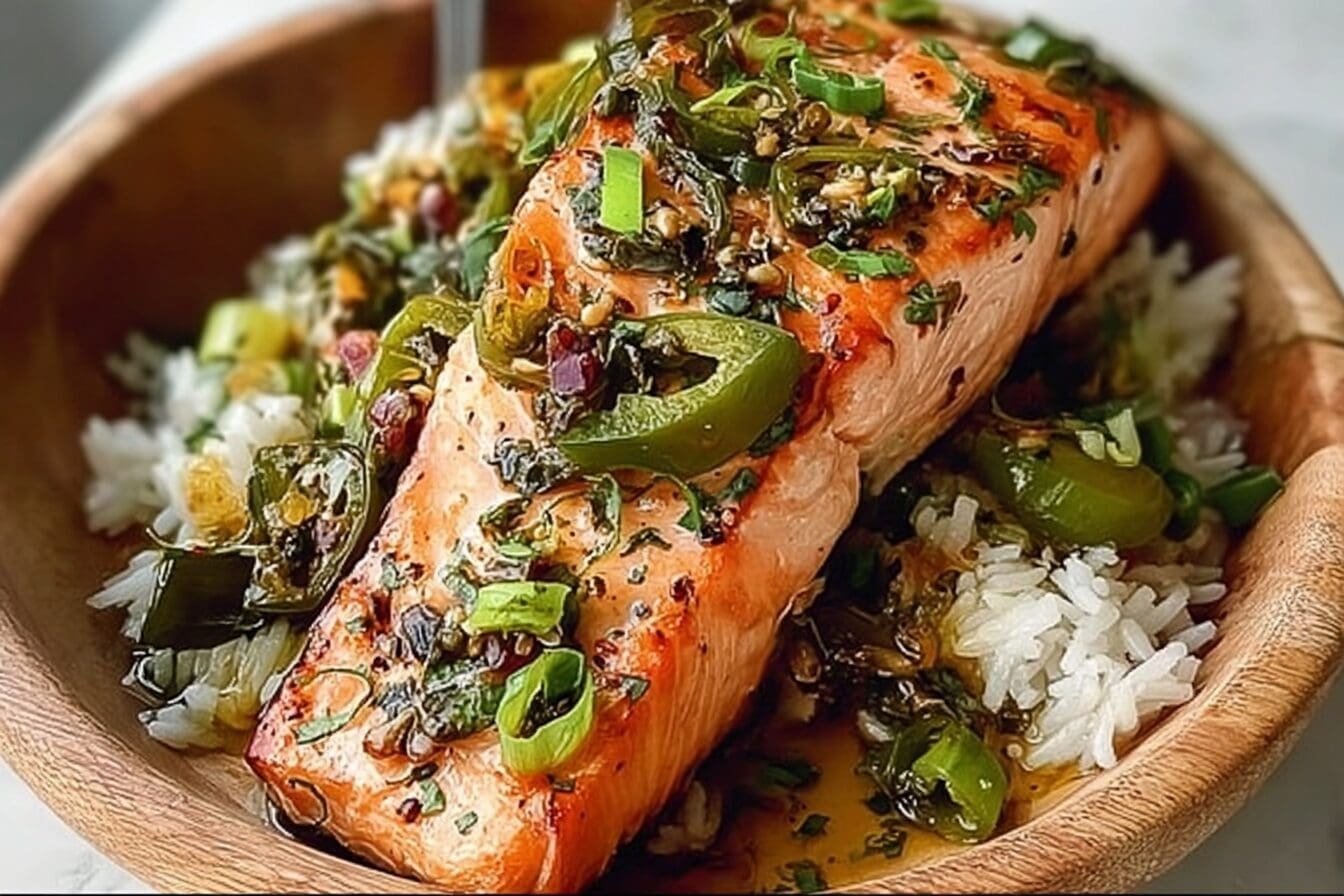
Why You’ll Love This Miso Butter Salmon
If you’re looking for a dinner that impresses without the fuss, this miso butter salmon recipe is about to become your new favorite. The combination of succulent salmon with a rich, umami-packed miso butter creates a flavor profile that feels restaurant-quality yet comes together with minimal effort. This Chan Chan Yaki inspired dish brings the warmth of Japanese home cooking right to your kitchen table.
What makes this recipe truly special is how the miso butter transforms simple ingredients into something extraordinary. The savory, slightly sweet glaze caramelizes beautifully as it cooks, creating a golden crust that seals in all the moisture of the fish. Unlike many salmon recipes that can dry out easily, this cooking method ensures your fish stays tender and flaky from start to finish.
Ease of Preparation
This miso butter salmon recipe is simple and quick to make, taking minimal prep time and cooking rapidly, perfect for busy weeknights. With just 5 minutes of prep work and about 30 minutes of cooking, you can have a wholesome dinner on the table without spending hours in the kitchen. The one-pan approach means less cleanup and more time enjoying your meal with family or friends.
Health Benefits
Rich in omega-3 fatty acids and essential nutrients, this dish supports heart health and overall wellness, making it a nutritious choice. Salmon is an excellent source of high-quality protein and provides important vitamins like B12 and D. The vegetables in this recipe add fiber, vitamins, and antioxidants, creating a well-rounded meal that nourishes your body. Salmon benefits extend beyond just heart health to supporting brain function and reducing inflammation.
Versatility
Easily adaptable to various dietary needs, including gluten-free and low-calorie diets, by swapping ingredients or adjusting portions. This recipe works well for family dinners, date nights, or meal prep for the week ahead. The flexible nature of the dish means you can use whatever vegetables you have on hand, making it a practical choice for reducing food waste while still enjoying a delicious meal.
Distinctive Flavor
The unique blend of savory miso and creamy butter creates a rich, umami-packed taste that sets this salmon recipe apart from others. This flavor combination is a staple in Japanese cuisine, where miso’s fermented depth balances perfectly with butter’s richness. The addition of sake adds subtle sweetness and helps create a silky sauce that coats both the fish and vegetables. If you enjoy this recipe, you might also love my hoisin salmon noodles for another Asian-inspired salmon dish.
Jump To
- 1. Why You’ll Love This Miso Butter Salmon
- 2. Essential Ingredients for Miso Butter Salmon
- 3. How to Prepare the Perfect Miso Butter Salmon: Step-by-Step Guide
- 4. Dietary Substitutions to Customize Your Miso Butter Salmon
- 5. Mastering Miso Butter Salmon: Advanced Tips and Variations
- 6. How to Store Miso Butter Salmon: Best Practices
- 7. FAQs: Frequently Asked Questions About Miso Butter Salmon
- 8. Miso Butter Salmon
Essential Ingredients for Miso Butter Salmon
Creating the perfect miso butter salmon starts with selecting the right ingredients. Each component plays a crucial role in building layers of flavor that make this dish so memorable. Let’s break down everything you’ll need to bring this recipe to life.
The Star Ingredient: Fresh Salmon
This recipe features a 1¼-pound piece of skin-on salmon fillet served with sautéed vegetables and miso butter. When selecting salmon, look for fillets that are vibrant in color with firm flesh. The skin should look intact and shiny, not dried out. Wild-caught salmon typically has a leaner texture and stronger flavor, while farmed salmon tends to be fattier and milder. Both work beautifully in this recipe, so choose based on your preference and availability.
The Flavor Base: Miso Butter
The miso butter is made from ⅓ cup white or yellow miso, 3 tablespoons unsalted butter at room temperature, and 3 to 4 teaspoons sugar. White miso (shiro miso) has a milder, slightly sweet flavor that pairs beautifully with salmon. Yellow miso offers a bit more depth while still maintaining a relatively light profile. Miso health benefits include providing probiotics and being rich in essential minerals. Using unsalted butter allows you to control the sodium level, which is important since miso itself is quite salty.
The Vegetable Medley
Fresh vegetables add color, texture, and nutrition to complete the dish. The ingredients include ½ small head of green cabbage (trimmed and cored), 2 large carrots, 1 medium yellow onion, and optionally 3½ ounces of enoki mushrooms. These vegetables were chosen because they maintain a pleasant crunch even after cooking and their mild flavors complement rather than compete with the salmon.
The Finishing Touches
Additional ingredients include 1 tablespoon neutral oil, salt and pepper to taste, ⅓ cup dry sake, 2 thinly sliced scallions, and steamed rice for serving. A neutral oil like canola, grapeseed, or vegetable oil works best for sautéing the vegetables without adding unwanted flavor. Dry sake adds authentic Japanese flavor and helps steam the salmon as it cooks. The scallions provide a fresh, bright finish that cuts through the richness of the butter.
Complete Ingredient List
- 1¼-pound piece of skin-on salmon fillet
- ½ small head of green cabbage (trimmed and cored)
- 2 large carrots
- 1 medium yellow onion
- 3½ ounces of enoki mushrooms (optional)
- ⅓ cup white or yellow miso
- 3 tablespoons unsalted butter at room temperature
- 3 to 4 teaspoons sugar
- 1 tablespoon neutral oil
- Salt and pepper to taste
- ⅓ cup dry sake
- 2 thinly sliced scallions
- Steamed rice for serving
Pro Tip: mise en place (having all your ingredients prepared before you start cooking) makes the process much smoother. Chop all vegetables and prepare the miso butter before turning on the stove.
How to Prepare the Perfect Miso Butter Salmon: Step-by-Step Guide
Now that we have all our ingredients ready, let’s walk through the cooking process step by step. This method ensures perfectly cooked salmon with tender-crisp vegetables and a flavorful sauce that brings everything together.
Prepare Your Ingredients
To prepare, chop the cabbage into 2-inch pieces, slice the carrots diagonally into ½-inch coins, slice the onion into half moons, and separate the mushrooms if using. Uniform cutting helps ensure even cooking, so take your time with this step. The diagonal cut on the carrots not only looks attractive but also increases the surface area for better flavor absorption.
Make the Miso Butter
Combine miso, butter, and sugar to make a smooth miso butter, reserving some for vegetables. You can do this in a small bowl with a fork or use a food processor for extra smoothness. The mixture should have the consistency of softened butter, making it easy to spread. Taste a tiny amount to check the balance the sweetness should just barely temper the saltiness of the miso.
Prepare the Salmon
Spread miso butter thinly over the salmon, skin side down. You don’t need a thick layer; a thin, even coating will provide plenty of flavor without overwhelming the fish. The skin side should be left bare as it will be in direct contact with the pan, helping it crisp up nicely during cooking.
Sauté the Vegetables
Heat oil in a skillet and sauté the vegetables with salt and pepper for 5 to 8 minutes until slightly wilted but still crisp. Use a large skillet that has a lid you’ll need it later. Cook over medium-high heat, stirring occasionally, to develop some color on the vegetables. It’s important not to overcook them at this stage since they’ll continue cooking with the salmon.
Assemble and Cook
Flatten the vegetables, place salmon on top miso side up, dot remaining miso butter on vegetables, and pour sake over them. The sake will create steam that helps cook the salmon through while keeping it moist. Cover and simmer on medium heat for 7 to 10 minutes until salmon is flaky and cooked. The exact time will depend on the thickness of your salmon fillet, so start checking at the 7-minute mark.
Finish and Serve
Stir vegetables with melted miso butter, sprinkle scallions on top, and serve with steamed rice. The miso butter will have created a delicious sauce that coats the vegetables. For the best presentation, transfer everything to a serving platter rather than serving from the cooking pan. Serve immediately while hot, with the steamed rice on the side to soak up all that flavorful sauce.
Chef’s Note: The dish takes about 35 minutes total (5 minutes prep and 30 minutes cooking). It’s recommended not to overcook the vegetables to maintain crunch and to avoid adding extra salt due to the saltiness of the miso butter.

Dietary Substitutions to Customize Your Miso Butter Salmon
One of the beauties of this recipe is its adaptability. Whether you’re following a specific diet or simply working with what you have in your kitchen, there are plenty of ways to customize this dish to suit your needs.
Protein Alternatives
If salmon isn’t your preference or you need to accommodate allergies, you have several options:
- Other fish: Cod, halibut, or sea bass work well with this cooking method, though you may need to adjust cooking time slightly based on thickness.
- Chicken: Boneless, skinless chicken thighs can be used instead of salmon. Pound them to an even thickness for uniform cooking.
- Tofu: Firm tofu pressed to remove excess moisture makes an excellent plant-based alternative that absorbs the miso butter beautifully.
- Tempeh: For a fermented soy product that echoes the miso flavors, try using tempeh as your protein source.
Vegetable Variations
The recipe is flexible, allowing substitution of vegetables like bell peppers, corn, or green onions. When choosing substitutions, consider vegetables that will maintain some texture through the cooking process:
- Cruciferous options: Broccoli florets, cauliflower pieces, or bok choy all work wonderfully.
- Root vegetables: Thinly sliced daikon radish or turnips add nice crunch.
- Other favorites: Sugar snap peas, snow peas, or baby corn maintain their texture well.
Sauce Modifications
For those with dietary restrictions or preferences, consider these adjustments:
- Gluten-free: Ensure your miso is certified gluten-free, as some varieties contain barley or wheat.
- Dairy-free: Substitute coconut oil or a vegan butter alternative for the dairy butter.
- Lower sodium: Use a low-sodium miso or reduce the amount used, compensating with additional herbs like ginger or garlic.
- Sugar-free: Replace the sugar with a small amount of honey, maple syrup, or a granulated sugar substitute of your choice.
Mastering Miso Butter Salmon: Advanced Tips and Variations
Once you’ve mastered the basic technique, these advanced tips will help you elevate your miso butter salmon to new heights. Small adjustments in preparation and presentation can make a big difference in the final result.
Perfect Your Miso Butter
Miso butter can be made ahead and refrigerated for up to a week, making it convenient to have on hand for quick meals. For even deeper flavor, let your miso butter sit in the refrigerator for a day or two before using it this allows the flavors to meld together. When you’re ready to use it, bring it to room temperature for easy spreading.
For different flavor profiles, try adding:
- Grated fresh ginger for a spicy kick
- Minced garlic for aromatic depth
- A splash of citrus juice (yuzu, lemon, or lime) for brightness
- Chili paste or flakes for heat
- Sesame oil for nutty notes
Cooking Technique Variations
While the stovetop method described in this recipe produces excellent results, you can also prepare miso butter salmon using other techniques:
| Method | Temperature | Time | Best For |
|---|---|---|---|
| Oven-roasted | 400°F (200°C) | 12-15 minutes | Large batches, even cooking |
| Broiled | High | 8-10 minutes | Caramelized top, quick cooking |
| Pan-seared | Medium-high | 6-8 minutes | Crispy skin, stovetop-only |
| Sous vide | 125°F (52°C) | 45 minutes | Precise doneness, restaurant quality |
Presentation Ideas
Transform your home-cooked meal into a restaurant-worthy presentation with these simple touches:
- Garnish generously: Beyond scallions, try toasted sesame seeds, furikake seasoning, or microgreens.
- Platter service: Arrange the salmon and vegetables on a large platter family-style for an impressive presentation.
- Rice molds: Use small bowls to mold your steamed rice into neat shapes on the plate.
- Sauce on the side: If you prefer a cleaner look, serve extra miso butter in a small dish for dipping.
- Color contrast: Add a pop of color with pickled ginger, fresh cilantro, or edible flowers.
How to Store Miso Butter Salmon: Best Practices
Proper storage ensures you can enjoy your miso butter salmon at its best, whether you’re saving leftovers or meal prepping for the week ahead. Follow these guidelines to maintain quality and food safety.
Refrigeration Guidelines
Store cooked salmon in an airtight container and refrigerate for up to 3 days to maintain freshness. For best results, store the salmon and vegetables together with some of the cooking liquid to prevent drying out. If possible, keep the salmon and rice in separate containers, as rice can become mushy when stored with saucy dishes.
Freezing Instructions
Wrap salmon tightly in plastic wrap and foil or use freezer-safe containers for freezing up to 2 months. Remove as much air as possible before sealing to prevent freezer burn. While you can freeze the entire dish, the vegetables will have a softer texture upon thawing. For the best quality, consider freezing just the salmon and preparing fresh vegetables when ready to eat.
Reheating Methods
Warm gently in the oven at 275°F (135°C) for 10-15 minutes or microwave on low power to preserve texture and flavor. The microwave is fastest but may make the salmon rubbery if overheated. For the closest-to-fresh texture, use a steamer or place the salmon in a covered pan with a splash of water over low heat.
Meal Prep Considerations
Portion salmon into single servings and store with side dishes separately for easy grab-and-go meals. Prepare the miso butter in advance and store it in the refrigerator for up to a week. You can also chop the vegetables a day ahead and keep them in airtight containers for faster assembly on busy weeknights.
FAQs: Frequently Asked Questions About Miso Butter Salmon
What is miso butter salmon and how is it different from regular salmon dishes?
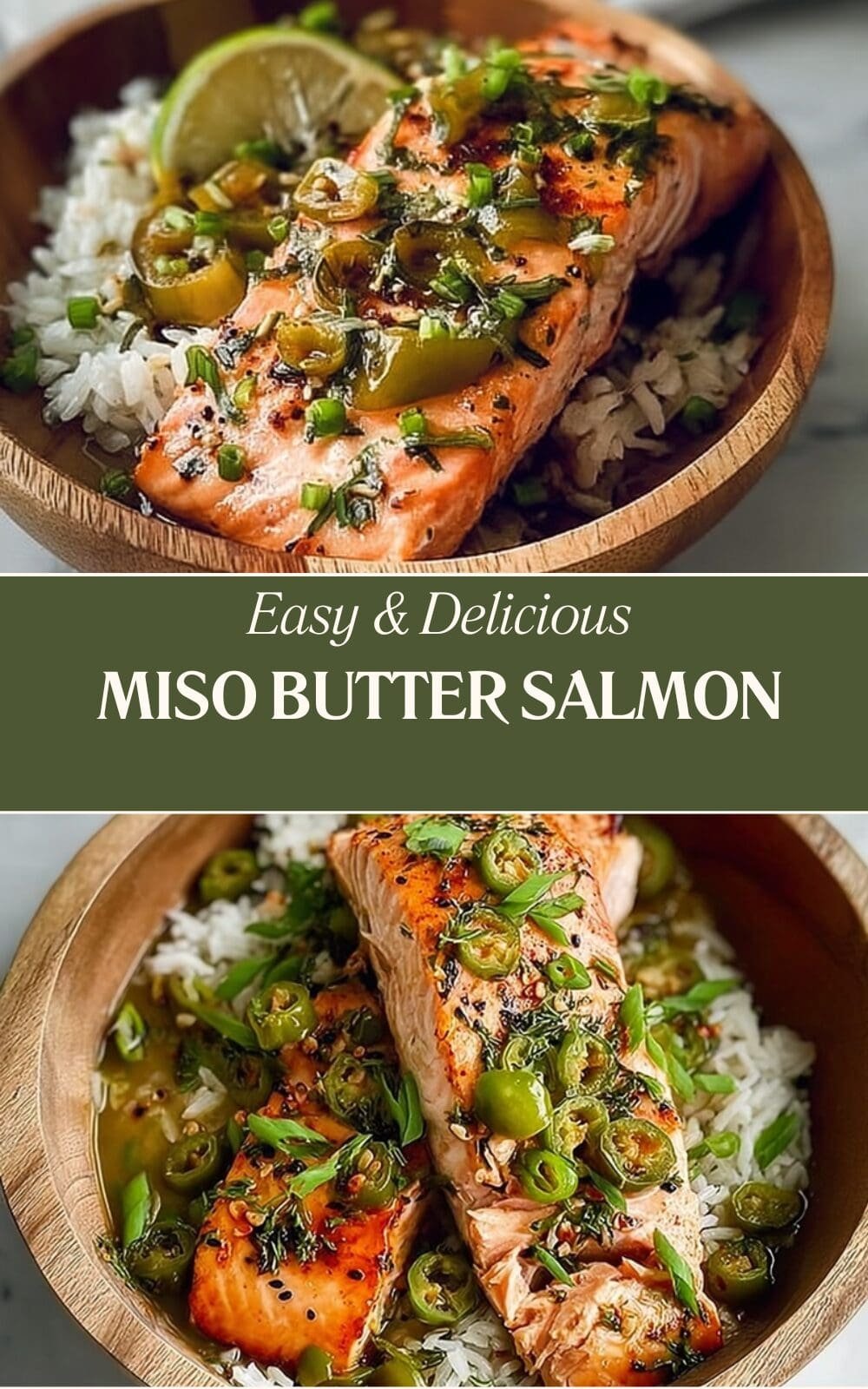
Miso butter salmon is a Japanese-inspired dish that features salmon cooked with a rich blend of miso paste and butter. This combination adds a savory, slightly sweet, and umami-packed flavor that sets it apart from traditional salmon recipes. The miso butter is spread on the salmon and often used to cook vegetables alongside, creating a balanced and flavorful meal typically served with steamed rice.
How do you make miso butter for salmon at home?
To make miso butter, combine equal parts unsalted butter and miso paste, then add a small amount of sugar to balance the flavors. Mix thoroughly until the texture is smooth and creamy. This mixture can be spread on the salmon before cooking and reserved for vegetables or finishing touches. Preparing this butter in advance helps deepen its flavor and makes cooking easier.
What vegetables work best with miso butter salmon?
Vegetables like cabbage, carrots, yellow onions, and enoki mushrooms complement miso butter salmon well. Other good options include shimeji mushrooms, bell peppers, corn, and green onions (negi). These vegetables provide a mix of textures and mild flavors that absorb the savory miso butter sauce without overpowering the salmon.
How long should I cook miso butter salmon to avoid drying it out?
Cooking miso butter salmon usually takes about 7 to 10 minutes once the salmon is placed over the vegetables in a covered skillet with the sauce. The key is to cook on low to medium heat and check for flakiness—once the salmon easily flakes with a fork and is opaque throughout, it’s ready. Overcooking can cause dryness, so monitor closely based on fillet thickness.
Can I prepare miso butter salmon ahead of time or make it in advance?
You can prepare the miso butter up to three days ahead and refrigerate it. Before cooking, bring the butter mixture to room temperature for easy spreading. However, it’s best to cook the salmon and vegetables fresh for optimum texture and flavor. If needed, cooked leftovers can be stored in an airtight container and reheated gently to prevent drying.

Miso Butter Salmon
- Total Time: 35 minutes
- Yield: 4 servings
- Diet: Gluten-free option (verify miso and sake brands)
Description
🐟 Indulge in the rich, savory flavors of Chan Chan Yaki Miso Butter Salmon, a perfect balance of tender salmon and umami-packed miso butter.
🥢 This recipe pairs flaky salmon with crisp sautéed vegetables, offering a delicious and nutritious meal that’s easy to prepare and impressive to serve.
Ingredients
– 1¼-pound piece of skin-on salmon fillet
– ½ small head of green cabbage (trimmed and cored)
– 2 large carrots
– 1 medium yellow onion
– 3½ ounces of enoki mushrooms (optional)
– ⅓ cup white or yellow miso
– 3 tablespoons unsalted butter at room temperature
– 3 to 4 teaspoons sugar
– 1 tablespoon neutral oil
– Salt and pepper to taste
– ⅓ cup dry sake
– 2 thinly sliced scallions
– Steamed rice for serving
Instructions
1-Prepare Your Ingredients: To prepare, chop the cabbage into 2-inch pieces, slice the carrots diagonally into ½-inch coins, slice the onion into half moons, and separate the mushrooms if using. Uniform cutting helps ensure even cooking, so take your time with this step. The diagonal cut on the carrots not only looks attractive but also increases the surface area for better flavor absorption.
2-Make the Miso Butter: Combine miso, butter, and sugar to make a smooth miso butter, reserving some for vegetables. You can do this in a small bowl with a fork or use a food processor for extra smoothness. The mixture should have the consistency of softened butter, making it easy to spread. Taste a tiny amount to check the balance the sweetness should just barely temper the saltiness of the miso.
3-Prepare the Salmon: Spread miso butter thinly over the salmon, skin side down. You don’t need a thick layer; a thin, even coating will provide plenty of flavor without overwhelming the fish. The skin side should be left bare as it will be in direct contact with the pan, helping it crisp up nicely during cooking.
4-Sauté the Vegetables: Heat oil in a skillet and sauté the vegetables with salt and pepper for 5 to 8 minutes until slightly wilted but still crisp. Use a large skillet that has a lid you’ll need it later. Cook over medium-high heat, stirring occasionally, to develop some color on the vegetables. It’s important not to overcook them at this stage since they’ll continue cooking with the salmon.
5-Assemble and Cook: Flatten the vegetables, place salmon on top miso side up, dot remaining miso butter on vegetables, and pour sake over them. The sake will create steam that helps cook the salmon through while keeping it moist. Cover and simmer on medium heat for 7 to 10 minutes until salmon is flaky and cooked. The exact time will depend on the thickness of your salmon fillet, so start checking at the 7-minute mark.
6-Finish and Serve: Stir vegetables with melted miso butter, sprinkle scallions on top, and serve with steamed rice. The miso butter will have created a delicious sauce that coats the vegetables. For the best presentation, transfer everything to a serving platter rather than serving from the cooking pan. Serve immediately while hot, with the steamed rice on the side to soak up all that flavorful sauce.
Notes
🐟 Avoid overcooking the vegetables to keep their crisp texture.
🧈 Miso butter can be prepared ahead and stored in the refrigerator for convenience.
🌽 Feel free to substitute vegetables such as bell peppers, corn, or green onions for variety.
- Prep Time: 5 minutes
- Cook Time: 30 minutes
- Category: Main Dish
- Method: Sautéing, simmering
- Cuisine: Japanese
Nutrition
- Serving Size: 1 salmon portion with vegetables and rice
- Calories: 450 calories
- Sugar: 5g
- Sodium: 720mg
- Fat: 28g
- Saturated Fat: 12g
- Unsaturated Fat: 14g
- Trans Fat: 0g
- Carbohydrates: 18g
- Fiber: 3g
- Protein: 32g
- Cholesterol: 85mg
Keywords: Chan Chan Yaki, Miso Butter Salmon, Japanese Salmon Recipe, Rich Flavor