
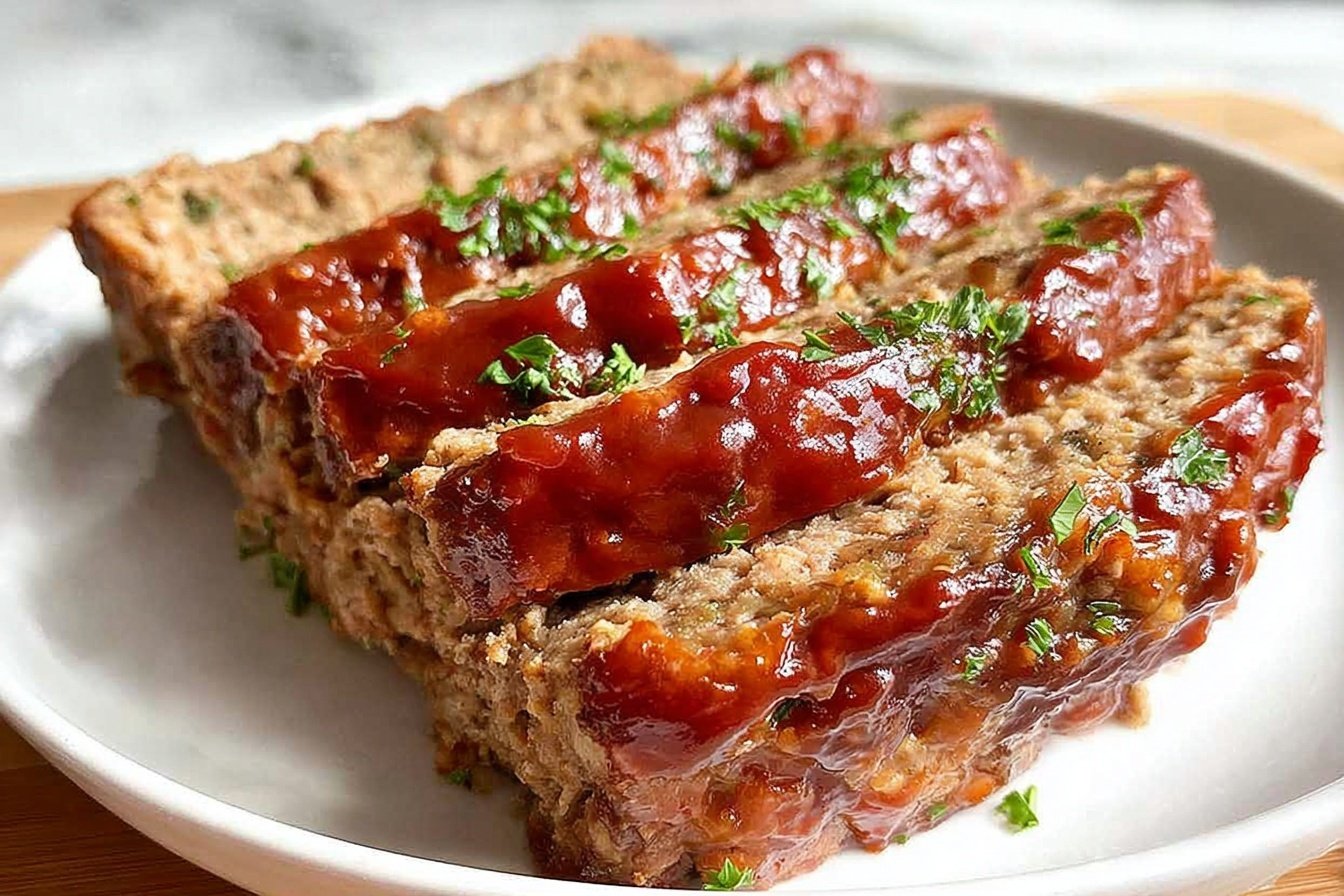
Why You’ll Love This Meatloaf
This classic meatloaf recipe has been a family favorite for generations, and it’s easy to see why. With its juicy texture, savory flavor, and simple preparation, this dish delivers comfort food at its finest. Whether you’re cooking for a weeknight dinner or preparing meals ahead for busy days, this meatloaf fits perfectly into any home cook’s repertoire.
- Ease of preparation: This meatloaf comes together in just 15 minutes of prep time with basic ingredients you likely already have in your kitchen. The straightforward mixing and shaping process means even beginner cooks can achieve excellent results. Simply combine the ingredients, shape into a loaf, and let the oven do the work.
- Health benefits: Made with lean ground beef (80% or 85% lean), this meatloaf provides 24g of protein per serving along with essential nutrients like iron, calcium, and vitamins A and C. According to Healthline, beef is a rich source of high-quality protein and essential nutrients that support muscle health and overall wellness.
- Versatility: This recipe adapts easily to different dietary needs and preferences. You can substitute ground turkey or chicken for a lighter version, use gluten-free breadcrumbs for those with gluten sensitivities, or adjust the seasonings to suit your family’s taste preferences.
- Distinctive flavor: The homemade sauce sets this meatloaf apart from others. A combination of ketchup, brown sugar, vinegar, and seasonings creates a tangy, slightly sweet glaze that caramelizes beautifully during baking, giving the meatloaf an irresistible finish.
Jump To
- 1. Why You’ll Love This Meatloaf
- 2. Essential Ingredients for Meatloaf
- 3. How to Prepare the Perfect Meatloaf: Step-by-Step Guide
- 4. Dietary Substitutions to Customize Your Meatloaf
- 5. Mastering Meatloaf: Advanced Tips and Variations
- 6. How to Store Meatloaf: Best Practices
- 7. FAQs: Frequently Asked Questions About Meatloaf
- 8. Meatloaf
Essential Ingredients for Meatloaf
Gathering the right ingredients before you start makes the cooking process smooth and enjoyable. Here’s everything you need to create this delicious meatloaf, along with the sauce that gives it signature flavor.
Meatloaf Ingredients (Serves 8)
- 2 pounds ground beef (80% or 85% lean) – Provides the base and structure; this fat content ensures juiciness without being greasy
- 1 medium onion finely chopped (about 1 cup) – Adds moisture and savory depth; sautéing first mellows the flavor
- 1 teaspoon salt – Enhances all the flavors in the meat mixture
- 2 large eggs – Acts as a binder to hold the loaf together during slicing
- 3 garlic cloves minced – Infuses aromatic flavor throughout the meatloaf
- 2 tablespoons ketchup – Adds moisture and a subtle tangy sweetness to the meat mixture
- 3 tablespoons fresh parsley finely chopped – Brings fresh flavor and a pop of color
- 3/4 cup Panko breadcrumbs or gluten-free breadcrumbs – Helps retain moisture and gives the loaf its tender texture
- 1/3 cup milk – Softens the breadcrumbs and adds extra moisture
- 1 teaspoon Italian seasoning or to taste – A blend of dried herbs that adds Italian-inspired flavor
- 1 teaspoon black pepper – Adds mild heat and enhances savory notes
- 1/2 teaspoon ground black pepper – Additional pepper for balanced seasoning
Meatloaf Sauce Ingredients
- 3/4 cup ketchup – Forms the base of the glaze with tangy tomato flavor
- 1 1/2 teaspoons white vinegar – Adds acidity to balance the sweetness
- 2 tablespoons brown sugar – Creates caramelization and sweet depth
- 1/2 teaspoon garlic powder – Reinforces the garlic flavor in the sauce
- 1/2 teaspoon onion powder – Adds savory onion notes without texture
Special Dietary Options
For those with dietary restrictions, this recipe offers flexibility:
- Gluten-free: Substitute the Panko breadcrumbs with gluten-free breadcrumbs or crushed gluten-free crackers. Ensure all other ingredients are certified gluten-free.
- Lower calorie: Use leaner ground beef (90% lean) or substitute half the beef with ground turkey or chicken. Poultry versions should reach an internal temperature of 165°F.
- Dairy-free: Replace the milk with unsweetened almond milk or water for a dairy-free alternative.
How to Prepare the Perfect Meatloaf: Step-by-Step Guide
Making meatloaf is straightforward when you follow each step carefully. The process involves preparing your ingredients, mixing everything properly, shaping the loaf, baking, and adding that delicious glaze. Here’s how to create the perfect meatloaf every time.
Step 1: Prepare Your Oven and Baking Sheet
Preheat your oven to 350°F. This temperature allows the meatloaf to cook evenly without drying out the exterior before the center is done. Line a rimmed baking sheet with parchment paper or aluminum foil. The lining makes cleanup easy and prevents the meatloaf from sticking to the pan. A rimmed baking sheet is ideal because it allows hot air to circulate around the loaf, creating those delicious crispy edges on all sides.
If you prefer using a loaf pan, line it with parchment paper, leaving some overhang on the sides. This makes removing the meatloaf much easier after baking. For loaf pans, increase the oven temperature to 375°F since the meat is more compact and needs slightly higher heat to cook through.
Step 2: Sauté the Onions
Heat 1 teaspoon of oil in a skillet over medium heat. Add the finely chopped onion and cook for 5-7 minutes until softened and golden. This step is crucial because raw onions can create pockets of sharp, harsh flavor in the finished meatloaf. Sautéing releases the natural sugars in the onions and creates a sweeter, more mellow taste that blends seamlessly with the beef.
Once the onions are cooked, transfer them to a plate and let them cool completely. Adding hot onions to the raw meat mixture could partially cook the eggs and change the texture of your meatloaf. While the onions cool, you can measure out and prepare the remaining ingredients.
Step 3: Mix the Meatloaf Ingredients
In a large mixing bowl, combine the cooled sautéed onions with all the meatloaf ingredients: 2 pounds ground beef, 1 teaspoon salt, 2 large eggs, 3 minced garlic cloves, 2 tablespoons ketchup, 3 tablespoons chopped fresh parsley, 3/4 cup Panko breadcrumbs, 1/3 cup milk, 1 teaspoon Italian seasoning, and the black pepper.
Mix everything together with your hands until just combined. This is an important tip: avoid overmixing. Working the meat too much compacts the proteins and creates a dense, tough texture. You want the ingredients evenly distributed but not overly processed. A minute or two of gentle mixing should be sufficient. The mixture should hold together when shaped but still have a relatively loose texture.
Step 4: Shape the Meatloaf
Transfer the meat mixture to your prepared baking sheet. Shape it into a loaf approximately 8 inches long, 4 inches wide, and 3 inches tall. Use your hands to create smooth, even sides, and pat the top slightly flat. This free-form shape allows heat to circulate around all sides, creating more crispy edges and faster, more even cooking than a loaf pan.
Don’t pack the meat too tightly when shaping. A looser shape creates a more tender meatloaf. If you notice any large air pockets, gently press them out, but don’t compress the meat excessively.
Step 5: Bake the Meatloaf
Place the shaped meatloaf in the preheated oven and bake uncovered for 40 minutes. During this initial baking period, the meatloaf sets and begins cooking through. The exterior will start to brown slightly, and some fat may render out onto the baking sheet.
While the meatloaf bakes, prepare the sauce by mixing the ketchup, white vinegar, brown sugar, garlic powder, and onion powder in a small bowl. Stir until smooth and well combined.
Step 6: Add the Sauce and Finish Baking
After 40 minutes, remove the meatloaf from the oven. Spread the prepared sauce evenly over the top and sides of the meatloaf. The sauce adds moisture, creates a beautiful glaze, and brings sweet and tangy flavor notes that complement the savory meat.
Return the meatloaf to the oven and bake for an additional 20 minutes. The sauce will caramelize and create that signature meatloaf glaze everyone loves. The meatloaf is done when it reaches an internal temperature of 160°F in the thickest part. Use a meat thermometer for accuracy, as visual cues alone can be misleading with ground meat.
Step 7: Rest and Serve
Once the meatloaf reaches the proper temperature, remove it from the oven and let it rest for 10-15 minutes before slicing. This resting period allows the juices to redistribute throughout the meat rather than running out when you cut into it. Skipping this step results in drier meatloaf and a messy cutting board.
After resting, slice the meatloaf into thick portions and serve with your favorite sides. For more delicious dinner inspiration, check out this chicken cordon bleu meatloaf variation that puts a creative spin on the classic.

Dietary Substitutions to Customize Your Meatloaf
Protein and Main Component Alternatives
While ground beef creates the traditional meatloaf experience, you can easily modify the protein to suit different preferences or dietary needs. Ground turkey or chicken makes a lighter version with less saturated fat. For the best results with poultry, add an extra egg and increase the breadcrumbs slightly to maintain moisture, since leaner meats can dry out more quickly. Always cook poultry meatloaf to an internal temperature of 165°F.
Ground pork adds richness and pairs beautifully with beef for a more complex flavor profile. You might try a combination of beef and pork, or even add some Italian sausage for extra seasoning and fat. For those avoiding red meat entirely, ground chicken combined with extra seasonings creates a satisfying alternative that still delivers comfort food appeal.
Vegetarian options include plant-based ground meat substitutes, which have improved dramatically in recent years. Research published in the National Center for Biotechnology Information shows that plant-based meat alternatives can provide comparable protein content to animal meat while offering additional health benefits like fiber.
Vegetable, Sauce, and Seasoning Modifications
The vegetable content in meatloaf is easily adaptable based on what you have available. While onions provide essential flavor, you can add finely diced bell peppers, carrots, or celery for extra nutrition and texture. Grated zucchini adds moisture without significantly changing the flavor profile. Just be sure to sauté any added vegetables with the onions to soften them before mixing into the meat.
The sauce offers endless possibilities for customization. For a spicier version, add hot sauce or cayenne pepper to the glaze. Barbecue sauce makes an excellent substitute for ketchup if you prefer a smokier flavor. Some cooks add a tablespoon of Worcestershire sauce or Dijon mustard to the glaze for deeper savory notes. Honey can replace brown sugar for a different kind of sweetness.
Seasoning variations let you transform the entire character of your meatloaf. Taco seasoning creates a Mexican-inspired version, while adding oregano, basil, and extra garlic gives it Italian flair. Smoked paprika, cumin, and chili powder create a Southwestern profile that pairs well with cornbread on the side.
Mastering Meatloaf: Advanced Tips and Variations
Taking your meatloaf from good to exceptional requires understanding a few pro techniques and creative approaches. These tips will help you achieve consistently delicious results and explore new flavor combinations.
Pro Cooking Techniques
The secret to moist meatloaf lies in gentle handling throughout the process. Overmixing compresses the meat proteins, creating a dense, rubbery texture. Mix ingredients just until combined using your hands, which gives you better control than a spoon or mixer. Wet your hands slightly when shaping to prevent the meat from sticking and to create a smoother surface.
Temperature management is equally important. Let your ingredients come to room temperature before mixing for more even distribution. Never place cold meatloaf directly into a hot oven, as the exterior will cook faster than the center. If you’ve assembled the meatloaf ahead and refrigerated it, let it sit at room temperature for 20-30 minutes before baking.
Using a rimmed baking sheet rather than a loaf pan creates superior results. The free-form shape allows air to circulate around all sides, producing crispy edges and more even cooking. It also cooks faster and makes it easier to check the internal temperature.
Flavor Variations
Once you’ve mastered the basic recipe, try these delicious variations:
- BBQ Bacon Meatloaf: Add crumbled cooked bacon to the meat mixture and substitute BBQ sauce for the ketchup glaze. This version brings smoky, savory depth.
- Cheese-Stuffed Meatloaf: Before shaping, press cubes of cheddar or mozzarella into the center of the meat mixture. As the meatloaf bakes, the cheese melts into a gooey center surprise.
- Italian-Style: Add sun-dried tomatoes, basil, and extra garlic. Top with marinara sauce and mozzarella for the last 10 minutes of baking.
For another creative twist on this classic dish, try this garlic parmesan chicken meatloaf that brings entirely different flavor notes to the dinner table.
Make-Ahead Options
Meatloaf is an excellent make-ahead meal. You can assemble the entire meatloaf up to 1-2 days before baking. Wrap it tightly in plastic wrap and store it in the refrigerator. Add the glaze just before baking. This approach is perfect for busy weeknights or when entertaining guests.
For even more convenience, shape individual portions in muffin tins for mini meatloaves that cook in about half the time. These smaller portions freeze well and reheat quickly for lunches or dinners. Find more meatloaf cupcake inspiration for fun, individual servings.
How to Store Meatloaf: Best Practices
Proper storage extends the life of your meatloaf and ensures it remains safe and delicious for future meals. Follow these guidelines for refrigeration, freezing, and reheating.
Refrigeration Guidelines
Cooked meatloaf can be stored in the refrigerator for 3-4 days when properly contained. Allow the meatloaf to cool completely before refrigerating to prevent condensation from making it soggy. Slice the meatloaf before storing for easier portion control and faster reheating. Place slices in an airtight container with parchment paper between layers to prevent sticking. Alternatively, wrap individual slices in plastic wrap or aluminum foil.
Always check for signs of spoilage before consuming leftovers. If the meatloaf has an off smell, slimy texture, or unusual color, discard it immediately.
Freezing Options
Meatloaf freezes exceptionally well, making it perfect for meal prep. You can freeze it either raw or cooked:
- Raw meatloaf: Shape the loaf, wrap tightly in plastic wrap and foil, and freeze for up to 6 months. Thaw completely in the refrigerator before baking, then add the sauce and cook as directed.
- Cooked meatloaf: Slice and freeze portions for up to 3 months. Wrap each slice individually for easy single-serving reheating. Thaw overnight in the refrigerator.
Reheating Best Practices
To reheat meatloaf while maintaining its moisture and texture, avoid the microwave when possible. Instead, place slices in a baking dish, cover with foil, and reheat in a 350°F oven for 15-20 minutes until heated through. For faster reheating, you can use the microwave, but place a damp paper towel over the meatloaf to create steam and prevent drying. Heat in 30-second intervals to avoid overheating.
Nutritional Information Per Serving
| Nutrient | Amount |
|---|---|
| Calories | 338 |
| Fat | 19g |
| Saturated Fat | 7g |
| Trans Fat | 1g |
| Protein | 24g |
| Carbohydrates | 17g |
| Sugar | 10g |
| Cholesterol | 119mg |
| Sodium | 667mg |
| Calcium | 65mg |
| Iron | 3mg |
| Vitamin C | 4mg |
| Vitamin A | 345 IU |
FAQs: Frequently Asked Questions About Meatloaf
What ingredients do I need for homemade meatloaf?
For a classic meatloaf serving 6-8 people, gather these ingredients: 2 pounds lean ground beef (85/15 works best), 1 cup finely chopped onions, 3 minced garlic cloves, 1 cup breadcrumbs, 2 large eggs, 1/4 cup milk, 1/4 cup ketchup, 2 tablespoons chopped fresh parsley, 1 teaspoon Italian seasoning, 1 teaspoon salt, and 1/2 teaspoon black pepper. For the glaze, mix 1/2 cup ketchup, 2 tablespoons white vinegar, 2 tablespoons brown sugar, 1/2 teaspoon garlic powder, and 1/2 teaspoon onion powder. These create a flavorful, juicy loaf. Prep tip: Sauté onions and garlic first for 5-7 minutes to soften and mellow flavors, preventing raw onion bite. Measure everything ahead to streamline assembly. This recipe yields tender results with balanced savory and sweet notes.
How can I keep my meatloaf moist and tender?
Moisture comes from gentle handling and smart binders. Use lean ground beef mixed with breadcrumbs soaked in milk, eggs, and ketchup—these lock in juices. Sauté onions and garlic beforehand to release moisture and blend flavors without steaming the meat. Avoid overmixing; combine ingredients just until incorporated (about 1-2 minutes by hand) to prevent tough, dense texture from compacting proteins. Bake at 375°F on a sheet for even cooking, or in a lined loaf pan. Top with glaze midway through for a caramelized crust that seals in steam. Let rest 10 minutes post-bake to redistribute juices. Pro tip: Add a splash of Worcestershire sauce if desired for umami boost without drying out. These steps ensure slices stay juicy, not crumbly.
How do I know when meatloaf is fully cooked?
The surest way is a meat thermometer: insert into the thickest center part, avoiding the pan edge. For beef meatloaf, pull at 160°F internal temperature (it rises to 165°F while resting). Poultry versions need 165°F. Visual cues include a firm loaf pulling from pan sides, clear juices (not pink), and a shiny glaze. Baking at 375°F takes 50-60 minutes on a sheet or 65-75 in a loaf pan—check at 45 minutes. Undercooked meatloaf risks foodborne illness; overdone turns dry. Rest covered with foil for 10 minutes after baking to let juices settle for perfect slices. Always verify temp for safety, especially with ground meat variations like turkey.
Can I make meatloaf ahead of time?
Yes, meatloaf is ideal for prep-ahead convenience. Assemble fully up to 2 days early: mix, shape, wrap tightly in plastic, and refrigerate. Add glaze before baking; it may need 5-10 extra minutes at 375°F. For freezing, portion raw shaped loaves in foil-lined pans, wrap airtight, and store up to 6 months. Thaw overnight in fridge before baking. Cooked meatloaf freezes well sliced into portions for 3 months—reheat at 350°F covered until 165°F internal. Label with dates for easy tracking. This method saves weeknight time while flavors meld in the fridge for even better taste. Great for batch cooking or holiday meals.
What sides go well with meatloaf?
Pair meatloaf with comforting classics for a balanced plate. Mashed potatoes absorb the glaze beautifully—creamy with butter and gravy. Roasted or baked potatoes add crisp edges. Fresh green beans, broccoli, or glazed carrots provide color and crunch; steam or roast 15-20 minutes. A simple green salad with vinaigrette cuts richness. Buttery pasta or mac and cheese offers kid-friendly carbs. For variety, try corn on the cob or peas. Aim for starch + veggie combo: serves 6 with 2 pounds meatloaf. These sides complement the savory-sweet profile without overpowering. Prep simultaneously—veggies in the last 20 oven minutes—for a 1-hour meal. Leftovers reheat well together too.

Meatloaf
- Total Time: 1 hour 35 minutes
- Yield: 8 servings
- Diet: Gluten-Free
Description
🍖 Savor the ultimate easy classic meatloaf – juicy, flavorful beef packed with herbs and topped with sweet tangy glaze for family dinners!
👨👩👧👦 Foolproof recipe serves 8, ready in 1.5 hours, leftovers freeze perfectly for busy weeks.
Ingredients
– 2 pounds ground beef (80% or 85% lean) Provides the base and structure; this fat content ensures juiciness without being greasy
– 1 medium onion finely chopped (about 1 cup) Adds moisture and savory depth; sautéing first mellows the flavor
– 1 teaspoon salt Enhances all the flavors in the meat mixture
– 2 large eggs Acts as a binder to hold the loaf together during slicing
– 3 garlic cloves minced Infuses aromatic flavor throughout the meatloaf
– 2 tablespoons ketchup Adds moisture and a subtle tangy sweetness to the meat mixture
– 3 tablespoons fresh parsley finely chopped Brings fresh flavor and a pop of color
– 3/4 cup Panko breadcrumbs or gluten-free breadcrumbs Helps retain moisture and gives the loaf its tender texture
– 1/3 cup milk Softens the breadcrumbs and adds extra moisture
– 1 teaspoon Italian seasoning or to taste A blend of dried herbs that adds Italian-inspired flavor
– 1 teaspoon black pepper Adds mild heat and enhances savory notes
– 1/2 teaspoon ground black pepper Additional pepper for balanced seasoning
– 3/4 cup ketchup Forms the base of the glaze with tangy tomato flavor
– 1 1/2 teaspoons white vinegar Adds acidity to balance the sweetness
– 2 tablespoons brown sugar Creates caramelization and sweet depth
– 1/2 teaspoon garlic powder Reinforces the garlic flavor in the sauce
– 1/2 teaspoon onion powder Adds savory onion notes without texture
Instructions
1-Step 1: Prepare Your Oven and Baking Sheet Preheat your oven to 350°F. This temperature allows the meatloaf to cook evenly without drying out the exterior before the center is done. Line a rimmed baking sheet with parchment paper or aluminum foil. The lining makes cleanup easy and prevents the meatloaf from sticking to the pan. A rimmed baking sheet is ideal because it allows hot air to circulate around the loaf, creating those delicious crispy edges on all sides. If you prefer using a loaf pan, line it with parchment paper, leaving some overhang on the sides. This makes removing the meatloaf much easier after baking. For loaf pans, increase the oven temperature to 375°F since the meat is more compact and needs slightly higher heat to cook through.
2-Step 2: Sauté the Onions Heat 1 teaspoon of oil in a skillet over medium heat. Add the finely chopped onion and cook for 5-7 minutes until softened and golden. This step is crucial because raw onions can create pockets of sharp, harsh flavor in the finished meatloaf. Sautéing releases the natural sugars in the onions and creates a sweeter, more mellow taste that blends seamlessly with the beef. Once the onions are cooked, transfer them to a plate and let them cool completely. Adding hot onions to the raw meat mixture could partially cook the eggs and change the texture of your meatloaf. While the onions cool, you can measure out and prepare the remaining ingredients.
3-Step 3: Mix the Meatloaf Ingredients In a large mixing bowl, combine the cooled sautéed onions with all the meatloaf ingredients: 2 pounds ground beef, 1 teaspoon salt, 2 large eggs, 3 minced garlic cloves, 2 tablespoons ketchup, 3 tablespoons chopped fresh parsley, 3/4 cup Panko breadcrumbs, 1/3 cup milk, 1 teaspoon Italian seasoning, and the black pepper. Mix everything together with your hands until just combined. This is an important tip: avoid overmixing. Working the meat too much compacts the proteins and creates a dense, tough texture. You want the ingredients evenly distributed but not overly processed. A minute or two of gentle mixing should be sufficient. The mixture should hold together when shaped but still have a relatively loose texture.
4-Step 4: Shape the Meatloaf Transfer the meat mixture to your prepared baking sheet. Shape it into a loaf approximately 8 inches long, 4 inches wide, and 3 inches tall. Use your hands to create smooth, even sides, and pat the top slightly flat. This free-form shape allows heat to circulate around all sides, creating more crispy edges and faster, more even cooking than a loaf pan. Don’t pack the meat too tightly when shaping. A looser shape creates a more tender meatloaf. If you notice any large air pockets, gently press them out, but don’t compress the meat excessively.
5-Step 5: Bake the Meatloaf Place the shaped meatloaf in the preheated oven and bake uncovered for 40 minutes. During this initial baking period, the meatloaf sets and begins cooking through. The exterior will start to brown slightly, and some fat may render out onto the baking sheet. While the meatloaf bakes, prepare the sauce by mixing the ketchup, white vinegar, brown sugar, garlic powder, and onion powder in a small bowl. Stir until smooth and well combined.
6-Step 6: Add the Sauce and Finish Baking After 40 minutes, remove the meatloaf from the oven. Spread the prepared sauce evenly over the top and sides of the meatloaf. The sauce adds moisture, creates a beautiful glaze, and brings sweet and tangy flavor notes that complement the savory meat. Return the meatloaf to the oven and bake for an additional 20 minutes. The sauce will caramelize and create that signature meatloaf glaze everyone loves. The meatloaf is done when it reaches an internal temperature of 160°F in the thickest part. Use a meat thermometer for accuracy, as visual cues alone can be misleading with ground meat.
7-Step 7: Rest and Serve Once the meatloaf reaches the proper temperature, remove it from the oven and let it rest for 10-15 minutes before slicing. This resting period allows the juices to redistribute throughout the meat rather than running out when you cut into it. Skipping this step results in drier meatloaf and a messy cutting board. After resting, slice the meatloaf into thick portions and serve with your favorite sides. For more delicious dinner inspiration, check out this chicken cordon bleu meatloaf variation that puts a creative spin on the classic.
Notes
👐 Avoid overmixing the meat mixture to ensure a tender, juicy meatloaf.
🧅 Sauté onions first – it mellows their flavor and adds sweetness.
😴 Rest 10-15 minutes after baking for perfect juicy slices.
- Prep Time: 15 minutes
- Rest time: 15 minutes
- Cook Time: 1 hour 5 minutes
- Category: Main Dishes
- Method: Baking
- Cuisine: American
Nutrition
- Serving Size: 1 slice
- Calories: 338 kcal
- Sugar: 10 g
- Sodium: 667 mg
- Fat: 19 g
- Saturated Fat: 7 g
- Unsaturated Fat: 11 g
- Trans Fat: 1 g
- Carbohydrates: 17 g
- Fiber: 1 g
- Protein: 24 g
- Cholesterol: 119 mg
Keywords: meatloaf recipe, easy meatloaf, classic meatloaf, family meatloaf recipe