
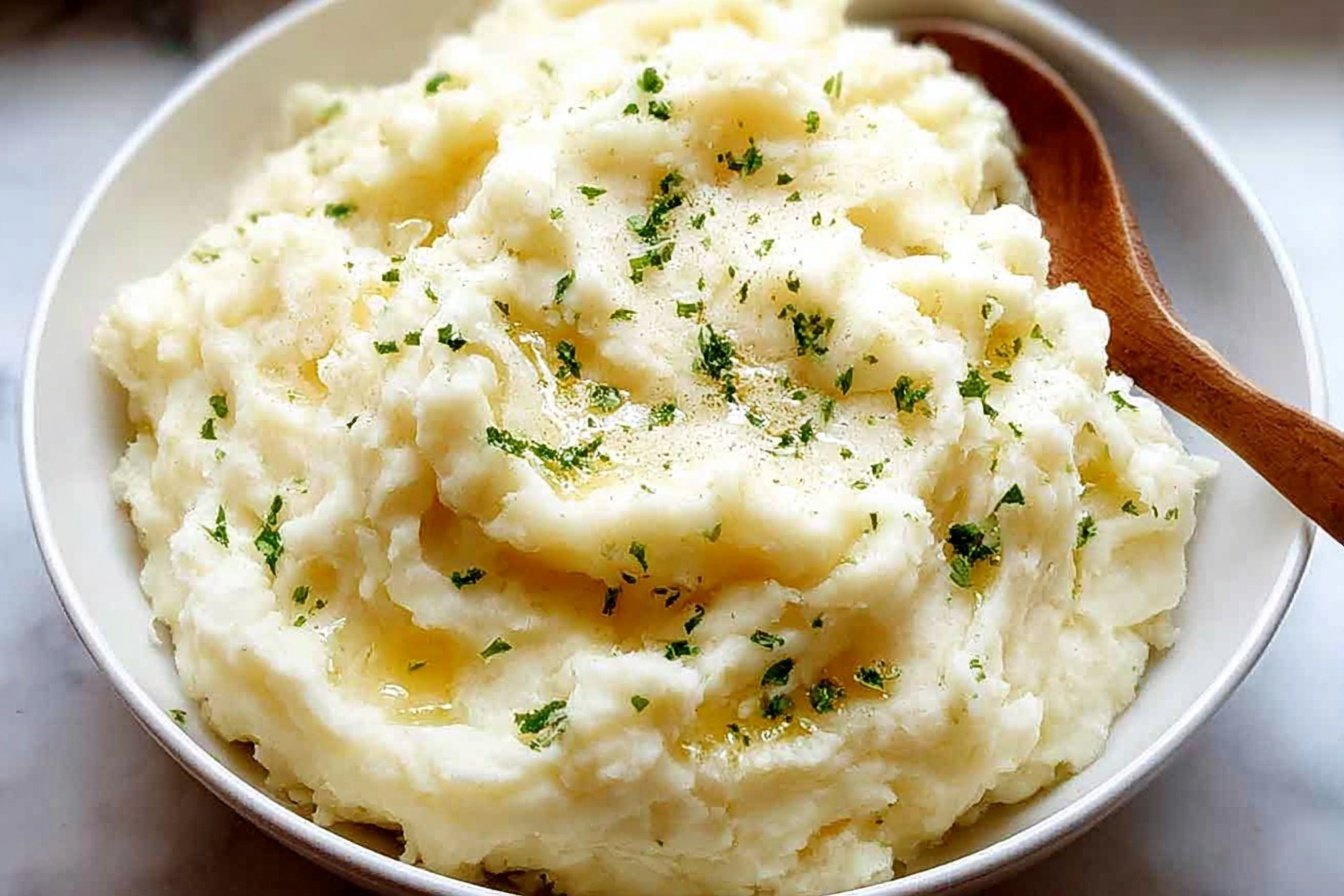
Why You’ll Love This Mashed Potatoes
There’s something truly special about a bowl of fluffy, buttery mashed potatoes gracing your dinner table. This recipe has become a beloved staple in my kitchen, and for good reason. Whether you’re preparing a weeknight family dinner or hosting a holiday gathering, this side dish delivers comfort and satisfaction every single time.
What makes this creamy mashed potatoes recipe stand out from the rest? Let me share why it deserves a permanent spot in your recipe collection:
- Ease of Preparation: With just 15 minutes of prep time and 20 minutes of cooking, you can have restaurant-quality mashed potatoes on the table in under 35 minutes. The straightforward steps make this recipe approachable for cooks of all skill levels, from beginners to seasoned home chefs. No complicated techniques or fancy equipment required!
- Nutritional Benefits: Each half-cup serving provides 5g of protein, 2g of fiber, and essential nutrients like potassium (798mg), vitamin C (11mg), and calcium (57mg). Potatoes are a wholesome source of carbohydrates that fuel your body while delivering satisfying comfort food goodness.
- Versatility: This recipe adapts beautifully to various dietary preferences and occasions. You can easily modify it for vegan guests using plant-based butter and dairy-free milk, or add mix-ins like cheese, herbs, and garlic for different flavor profiles. It pairs perfectly with everything from roasted chicken to grilled steak.
- Distinctive Flavor: The combination of real salted butter, warmed milk or cream, and optional garlic creates a rich, velvety texture that’s impossible to resist. Boiling garlic cloves with the potatoes infuses subtle flavor throughout, while hand-mashing preserves the perfect consistency.
This creamy mashed potatoes recipe delivers pure comfort in every bite, with a texture so smooth and buttery that your family will request it again and again!
For more hearty dinner ideas, check out this loaded baked potato chicken casserole that pairs wonderfully with classic sides.
Jump To
- 1. Why You’ll Love This Mashed Potatoes
- 2. Essential Ingredients for Mashed Potatoes
- 3. How to Prepare the Perfect Mashed Potatoes: Step-by-Step Guide
- 4. Dietary Substitutions to Customize Your Mashed Potatoes
- 5. Mastering Mashed Potatoes: Advanced Tips and Variations
- 6. How to Store Mashed Potatoes: Best Practices
- 7. FAQs: Frequently Asked Questions About Mashed Potatoes
- 8. Mashed Potatoes
Essential Ingredients for Mashed Potatoes
Creating the perfect bowl of mashed potatoes starts with selecting quality ingredients. Each component plays a vital role in achieving that luxurious texture and flavor we all crave. Here’s everything you’ll need to serve approximately 8-10 people:
Main Ingredients
- 4 pounds russet or Yukon gold potatoes – Russets create fluffy, light mashed potatoes due to their high starch content, while Yukon golds offer a naturally buttery flavor and creamier consistency. Choose firm potatoes without sprouts or green spots for best results.
- 3 cloves garlic (optional) – Boiling whole garlic cloves with the potatoes infuses a subtle, mellow garlic flavor throughout the dish. The cloves mash seamlessly into the potatoes for added depth.
- 1/3 cup melted salted butter – Real butter is essential for authentic richness and flavor. Salted butter enhances the overall taste, but you can use unsalted and adjust seasoning yourself.
- 1 cup milk or cream – Warming your dairy before adding prevents the mash from cooling too quickly. Heavy cream creates ultra-rich results, while whole milk offers a lighter option. Full-fat dairy yields the creamiest texture.
- Salt to taste – Proper seasoning brings out the natural potato flavor. Start with 1 teaspoon and adjust to your preference.
- Black pepper to taste – Fresh ground pepper adds a gentle kick that complements the buttery potatoes beautifully.
Special Dietary Options
- Vegan Alternative: Replace butter with plant-based butter or olive oil. Use unsweetened almond milk, oat milk, or vegetable broth instead of dairy milk for equally delicious results.
- Gluten-Free: This recipe is naturally gluten-free! Just verify any added seasonings or mix-ins are certified gluten-free.
- Lower-Calorie Option: Substitute Greek yogurt for some of the butter and use low-fat milk. You can also reduce the potato portion size while increasing vegetable content with cauliflower mash mixed in.
How to Prepare the Perfect Mashed Potatoes: Step-by-Step Guide
Making mashed potatoes from scratch might seem intimidating, but the process is surprisingly simple when you follow these clear steps. Let me walk you through creating the fluffiest, creamiest potatoes your family has ever tasted.
Step 1: Prepare the Potatoes
Start by peeling your potatoes completely. Russet potatoes have tough skins that should be removed, though you can leave some skin on Yukon golds if you prefer a rustic texture with extra nutrients. Cut the peeled potatoes into even quarters or 1-2 inch chunks. Uniform sizing ensures all pieces cook at the same rate, preventing some from becoming overcooked while others remain raw in the center.
Step 2: Boil Until Tender
Place the cut potatoes in a large pot and cover with cold, salted water. Starting with cold water allows the potatoes to heat evenly throughout. Add your garlic cloves if using for that subtle infused flavor. Bring the water to a boil over high heat, then reduce to medium and cook uncovered for about 15 minutes or until fork-tender.
How do you know when they’re done? A fork should slide easily into the potato with no resistance. Test several pieces to ensure even cooking. Overcooked potatoes can become waterlogged, so keep an eye on them during the final minutes.
Step 3: Drain and Steam-Dry
Once tender, drain the potatoes thoroughly in a colander. This step is crucial for achieving fluffy results. Return the potatoes to the warm pot and let them sit for about 5 minutes. Alternatively, place the pot back on the still-warm burner (turned off) to help excess moisture evaporate.
This steam-drying step removes water that would otherwise make your mashed potatoes dense and gummy instead of light and fluffy.
Step 4: Heat the Dairy
While the potatoes steam-dry, warm your milk or cream in a small saucepan or microwave until hot but not boiling. You want it steaming and warm to the touch. Cold dairy cools down your potatoes rapidly, making it harder to achieve that silky smooth consistency. Using warmed dairy keeps everything hot and helps the liquids absorb better into the potato starch.
Step 5: Mash and Add Butter
Transfer the potatoes back to the pot (if you removed them) or begin mashing right there. Add the melted butter over the potatoes. Using a potato masher or ricer, begin breaking down the potatoes by hand. Work in a gentle pressing motion rather than aggressive stirring.
Why hand mashing? Electric mixers, blenders, and food processors overwork the potato starch, releasing too much starch and creating a gluey, gummy texture. A potato masher gives you control over the consistency, while a ricer creates ultra-smooth, restaurant-style results.
Step 6: Gradually Add Warm Milk
Here’s where patience pays off. Pour the warmed milk or cream into the potatoes gradually while continuing to mash. Start with about half the milk, mash to incorporate, then add more as needed. You may not need the full cup depending on your preferred consistency.
The goal is to achieve your desired texture without over-saturating the potatoes. Some people prefer their mashed potatoes stiff enough to hold shape, while others like them soft and flowing. Adjust the liquid amount to match your preference.
Step 7: Season and Serve Hot
Season your mashed potatoes generously with salt and freshly ground black pepper. Start with about 1 teaspoon of salt, taste, and adjust as needed. Mix gently to distribute the seasonings evenly throughout.
Serve your mashed potatoes hot, straight from the pot. If you’re not ready to serve immediately, cover the pot and keep it warm over a pot of simmering water (double boiler method) or in a low-temperature oven. For more delicious pairing ideas, try this crockpot steak and potato bake for a complete meal solution.
According to the experts at Spend With Pennies, the key to perfect mashed potatoes lies in choosing the right potato variety and avoiding over-mixing. Following these professional tips ensures your dish turns out perfectly every time.

Dietary Substitutions to Customize Your Mashed Potatoes
One of the best things about homemade mashed potatoes is how easily they adapt to different dietary needs and flavor preferences. Whether you’re cooking for vegan guests, reducing calories, or simply wanting to try new flavors, these substitutions keep your potatoes delicious.
Protein and Main Component Alternatives
For those following plant-based diets, traditional butter and milk can easily be swapped without sacrificing creaminess. Vegan butter works beautifully as a direct substitute, offering similar richness and flavor. Coconut milk adds subtle sweetness and velvety texture, while unsweetened almond or oat milk provide neutral bases that let the potato flavor shine through.
For a protein boost, consider stirring in Greek yogurt or cottage cheese. These additions increase the protein content significantly while adding tangy depth. Cottage cheese creates an interesting texture that some families love, while Greek yogurt maintains smooth consistency with added health benefits.
Vegetable, Sauce, and Seasoning Modifications
The flavor possibilities for mashed potato variations are nearly endless. Here are some delicious additions to consider:
- Cheese Variations: Mix in shredded cheddar for classic comfort food, grated parmesan for Italian flair, or smoked gouda for sophisticated depth.
- Creamy Add-ins: Sour cream adds tanginess, while cream cheese creates extra richness. Start with 2-3 tablespoons per batch and adjust to taste.
- Herb Options: Fresh chives, green onions, parsley, or dill add brightness and color. Add fresh herbs just before serving to preserve their flavor.
- Garlic Variations: Roasted garlic offers sweet, mellow flavor compared to raw or boiled. Simply roast a head of garlic and squeeze the soft cloves into your finished mash.
Cooking your potatoes in chicken broth instead of water is another flavor secret. This technique infuses savory depth throughout the potatoes and reduces the amount of salt you’ll need to add later. You can also try replacing some of the milk with warmed chicken broth for a lighter version.
Mastering Mashed Potatoes: Advanced Tips and Variations
Once you’ve mastered the basic creamy mashed potatoes recipe, these advanced techniques and creative variations will take your side dish from ordinary to extraordinary.
Pro Cooking Techniques
For the smoothest possible texture, invest in a potato ricer. This tool forces cooked potatoes through small holes, creating rice-sized pieces that mash instantly into silky perfection. Food mills work similarly and can also remove any lumps or skin pieces.
Temperature matters more than you might think. Keep everything warm throughout the process. Cold butter straight from the refrigerator doesn’t incorporate smoothly. Room temperature or melted butter blends seamlessly, creating uniform texture.
Flavor Variations to Try
Transform your basic recipe into something spectacular with these tested variations:
| Variation | Key Add-ins | Best Served With |
|---|---|---|
| Garlic Herb | Roasted garlic, fresh rosemary, thyme | Roast beef, lamb chops |
| Loaded Baked | Sour cream, cheddar, bacon, chives | Grilled chicken, steak |
| Ranch Style | Ranch seasoning mix, cream cheese | Fried chicken, pork chops |
| Sour Cream & Chive | Sour cream, fresh chives, black pepper | Fish, poultry dishes |
Presentation Tips
Visual appeal matters, especially for holiday meals. Create an attractive well in the center of your serving bowl and fill it with a pat of butter or splash of gravy. Sprinkle fresh herbs like parsley or chives on top for a pop of color. For family-style serving, transfer mashed potatoes to a warmed serving dish to maintain temperature during the meal.
Make-Ahead Options
For stress-free entertaining, prepare your mashed potatoes ahead of time. Cook and mash completely, then cool to room temperature. Store in an airtight container in the refrigerator for up to 2 days. When ready to serve, spread in a greased casserole dish, dot with extra butter, and bake at 325°F for 35-40 minutes until heated through.
Nutritional information from Potato Goodness shows that potatoes provide essential vitamins and minerals, making them a healthy choice when prepared thoughtfully.
How to Store Mashed Potatoes: Best Practices
Proper storage keeps your leftover mashed potatoes fresh and delicious for future meals. Follow these guidelines to maintain quality and safety.
Refrigeration Guidelines
Store leftover mashed potatoes in an airtight container in the refrigerator for up to 3-4 days. Allow the potatoes to cool completely to room temperature before sealing to prevent condensation, which can make them watery. Press plastic wrap directly onto the surface of the potatoes before covering to minimize air exposure and prevent a skin from forming.
Freezing for Long-Term Storage
Yes, you can freeze mashed potatoes successfully! The key is proper preparation. Flatten the cooled potatoes in a freezer-safe bag, pressing out as much air as possible before sealing. This method saves freezer space and allows for faster thawing. Frozen mashed potatoes maintain quality for up to 3 months.
Reheating Methods
Restore your refrigerated or frozen mashed potatoes to creamy perfection using these techniques:
- Oven Method: Transfer to a buttered baking dish, cover with foil, and bake at 350°F for 15-20 minutes until hot. Add a splash of milk and stir before serving for refreshed creaminess.
- Stovetop Method: Place in a saucepan over low heat with 1 tablespoon of milk per cup of potatoes. Stir frequently until warmed through and smooth.
- Microwave Method: Heat in a covered dish, stirring every 2 minutes. Add milk as needed to restore consistency.
Meal Prep Considerations
Mashed potatoes work wonderfully for batch cooking. Prepare a large batch on weekends and portion into individual containers for quick weekday sides. Label with the date and use within the recommended storage timeframe. Consider making extra during holiday prep for easy leftovers management.
FAQs: Frequently Asked Questions About Mashed Potatoes
What are the best potatoes to use for mashed potatoes?
Russet or Idaho potatoes work best for mashed potatoes due to their high starch content, which creates a light, fluffy texture when cooked and mashed. Yukon Gold potatoes are a great alternative, offering a buttery flavor and smoother consistency with slightly less starch. For the creamiest results, choose firm potatoes without sprouts or green spots. Peel Russets and Idahos completely, as their skins are tough, but you can leave some skin on Yukon Golds for extra texture and nutrition. Always cut potatoes into even 1-2 inch chunks to ensure uniform cooking. Boil in salted water until fork-tender, about 15-20 minutes. This simple choice sets the foundation for perfect mashed potatoes every time. (98 words)
How do you make mashed potatoes creamy without them turning gummy?
To avoid gummy mashed potatoes, drain boiled potatoes thoroughly and let them steam-dry in the warm pot for 1-2 minutes to remove excess moisture. Use a potato masher, ricer, or food mill instead of a blender, mixer, or food processor, which overworks the starches and creates gluey texture. Add hot milk or cream gradually while mashing by hand, starting with ½ cup per 2 pounds of potatoes. Incorporate softened butter last for even distribution. Rice potatoes through a ricer for the smoothest results. Season with salt and white pepper to taste. This method keeps mashed potatoes velvety and lump-free. (112 words)
What dairy and butter should I use in mashed potatoes?
For rich mashed potatoes, use real salted butter—about ½ cup per 2 pounds of potatoes—for authentic flavor and creaminess; unsalted works if you control salt levels. Warm ¾ to 1 cup whole milk or heavy cream before adding to maintain potato heat and improve absorption, preventing a watery mash. Heat dairy in a saucepan or microwave until steaming, then stir in gradually. Full-fat options yield the best texture over low-fat milk. Avoid cold ingredients straight from the fridge. Test consistency by mashing a small batch first. This keeps your mashed potatoes luxurious and restaurant-quality. (104 words)
Can you make mashed potatoes ahead of time?
Yes, prepare mashed potatoes up to 2 days in advance. Cook, mash, and cool them completely to room temperature, then transfer to an airtight container and refrigerate. To reheat, spread evenly in a greased baking dish, dot with 2-3 tablespoons butter, cover with foil, and bake at 325°F for 20-30 minutes until hot (internal temp 165°F). Stir in a splash of warm milk if needed for creaminess. For larger batches, reheat on stovetop over low heat, stirring frequently. This method preserves flavor and texture, making it ideal for holidays or meal prep. Freezing extends storage up to 3 months. (108 words)
How do you freeze and reheat leftover mashed potatoes?
Freeze leftover mashed potatoes by spreading them flat in a freezer-safe bag or container, pressing out air to save space and speed thawing. They keep up to 3 months. Thaw overnight in the fridge. Reheat by placing in a saucepan with 1 tablespoon milk per cup of potatoes over low heat, stirring until smooth and warmed (about 5-10 minutes). Or microwave in a covered dish, stirring every 2 minutes. For oven method, bake at 350°F in a buttered dish for 15-20 minutes. Add fresh herbs or cheese post-thaw for revived flavor. Avoid repeated freezing to maintain quality. (109 words)

Mashed Potatoes
- Total Time: 35 minutes
- Yield: 10 servings
- Diet: Vegetarian, Gluten-Free
Description
🥔 Indulge in the creamiest, fluffiest mashed potatoes with rich buttery flavor and optional garlic boost for ultimate comfort food.
🍲 Perfect side for any meal, make-ahead and freezer-friendly with foolproof technique for holiday or weeknight ease!
Ingredients
– 4 pounds russet or Yukon gold potatoes
– 3 cloves garlic (optional)
– 1/3 cup melted salted butter
– 1 cup milk or cream
– Salt to taste
– Black pepper to taste
Instructions
1-Step 1: Prepare the Potatoes Start by peeling your potatoes completely. Russet potatoes have tough skins that should be removed, though you can leave some skin on Yukon golds if you prefer a rustic texture with extra nutrients. Cut the peeled potatoes into even quarters or 1-2 inch chunks. Uniform sizing ensures all pieces cook at the same rate, preventing some from becoming overcooked while others remain raw in the center.
2-Step 2: Boil Until Tender Place the cut potatoes in a large pot and cover with cold, salted water. Starting with cold water allows the potatoes to heat evenly throughout. Add your garlic cloves if using for that subtle infused flavor. Bring the water to a boil over high heat, then reduce to medium and cook uncovered for about 15 minutes or until fork-tender. How do you know when they’re done? A fork should slide easily into the potato with no resistance. Test several pieces to ensure even cooking. Overcooked potatoes can become waterlogged, so keep an eye on them during the final minutes.
3-Step 3: Drain and Steam-Dry Once tender, drain the potatoes thoroughly in a colander. This step is crucial for achieving fluffy results. Return the potatoes to the warm pot and let them sit for about 5 minutes. Alternatively, place the pot back on the still-warm burner (turned off) to help excess moisture evaporate. This steam-drying step removes water that would otherwise make your mashed potatoes dense and gummy instead of light and fluffy.
4-Step 4: Heat the Dairy While the potatoes steam-dry, warm your milk or cream in a small saucepan or microwave until hot but not boiling. You want it steaming and warm to the touch. Cold dairy cools down your potatoes rapidly, making it harder to achieve that silky smooth consistency. Using warmed dairy keeps everything hot and helps the liquids absorb better into the potato starch.
5-Step 5: Mash and Add Butter Transfer the potatoes back to the pot (if you removed them) or begin mashing right there. Add the melted butter over the potatoes. Using a potato masher or ricer, begin breaking down the potatoes by hand. Work in a gentle pressing motion rather than aggressive stirring. Why hand mashing? Electric mixers, blenders, and food processors overwork the potato starch, releasing too much starch and creating a gluey, gummy texture. A potato masher gives you control over the consistency, while a ricer creates ultra-smooth, restaurant-style results.
6-Step 6: Gradually Add Warm Milk Here’s where patience pays off. Pour the warmed milk or cream into the potatoes gradually while continuing to mash. Start with about half the milk, mash to incorporate, then add more as needed. You may not need the full cup depending on your preferred consistency. The goal is to achieve your desired texture without over-saturating the potatoes. Some people prefer their mashed potatoes stiff enough to hold shape, while others like them soft and flowing. Adjust the liquid amount to match your preference.
7-Step 7: Season and Serve Hot Season your mashed potatoes generously with salt and freshly ground black pepper. Start with about 1 teaspoon of salt, taste, and adjust as needed. Mix gently to distribute the seasonings evenly throughout. Serve your mashed potatoes hot, straight from the pot. If you’re not ready to serve immediately, cover the pot and keep it warm over a pot of simmering water (double boiler method) or in a low-temperature oven. For more delicious pairing ideas, try this crockpot steak and potato bake for a complete meal solution.
Notes
💧 Drain potatoes well and steam dry to prevent watery texture.
🧈 Warm milk and use real salted butter for best richness and smoothness.
👐 Mash by hand with a masher or ricer; avoid mixers to prevent gumminess.
- Prep Time: 15 minutes
- Cook Time: 20 minutes
- Category: Side Dish
- Method: Boil
- Cuisine: American
Nutrition
- Serving Size: 0.5 cup
- Calories: 209
- Sugar: 2g
- Sodium: 74mg
- Fat: 7g
- Saturated Fat: 4g
- Unsaturated Fat: 3g
- Trans Fat: 1g
- Carbohydrates: 34g
- Fiber: 2g
- Protein: 5g
- Cholesterol: 17mg
Keywords: best creamy mashed potatoes, mashed potatoes recipe, creamy mashed potatoes, easy mashed potatoes recipe