
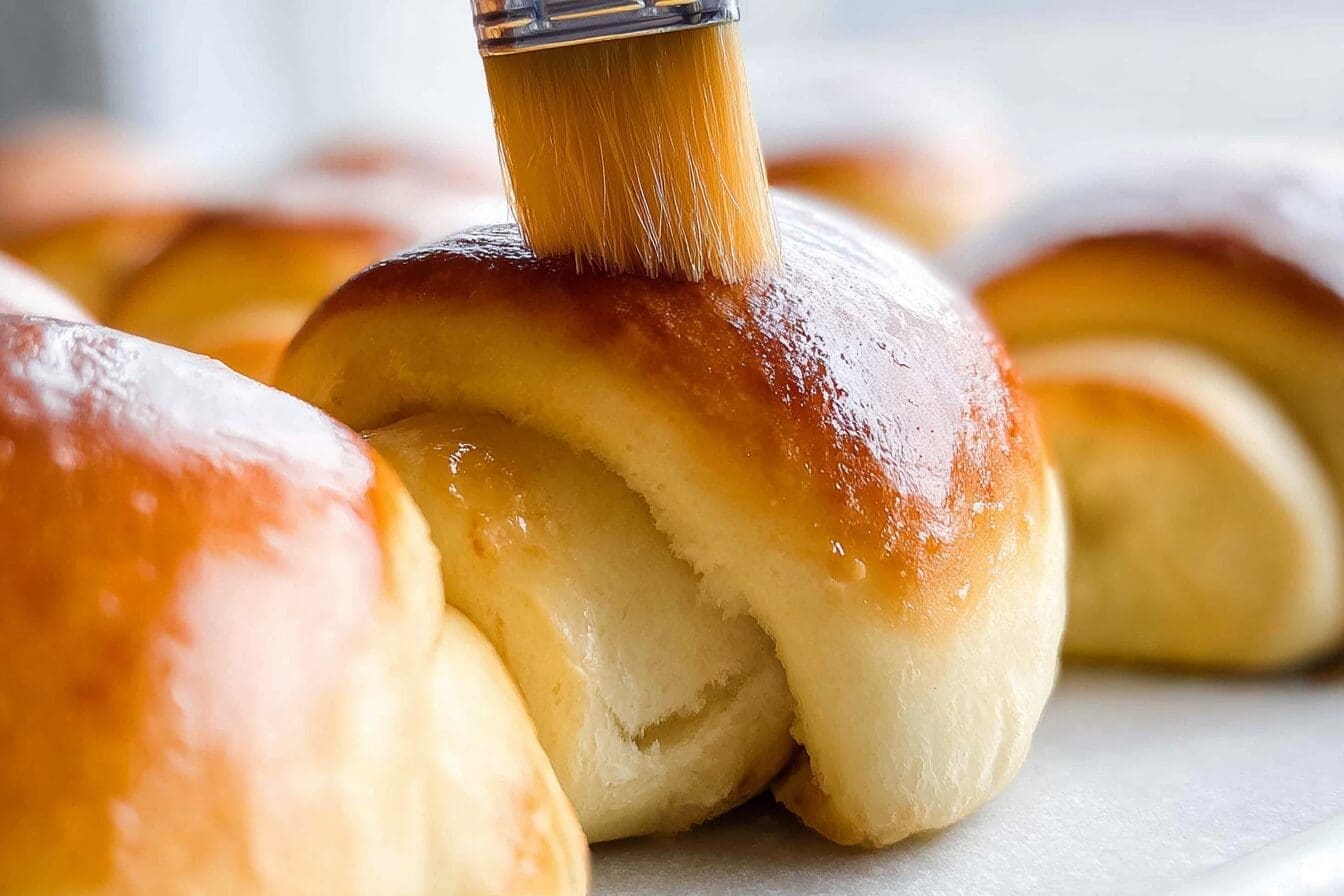
Why You’ll Love This Lion House Rolls
If you’re a fan of homemade bread, you’ll quickly see why Lion House Rolls stand out as a go-to recipe. They’re simple to whip up, making them perfect for those busy evenings when you want something homemade without spending hours in the kitchen. Plus, the soft and fluffy texture will have everyone coming back for seconds.
One of the best parts is how these rolls pack in some great health benefits. Made with wholesome ingredients, they provide essential nutrients that support energy levels and help keep things balanced. Whether you’re a busy parent or a baking enthusiast, these rolls fit right into your routine while offering that satisfying, comforting taste.
What really makes Lion House Rolls shine is their versatility in the kitchen. You can tweak them for different dietary needs, and they still turn out delicious every time. The ease of preparation means even beginners can succeed, adding to the joy of baking at home.
Beyond that, the flavor is what truly sets these apart. Each bite offers a delightful mix that feels just right for any meal. I’ve shared this recipe with friends, and it’s always a hit, bringing people together over fresh-baked goodness.
Key Features That Make Them Special
Let me break down what makes these rolls so appealing. First, the ease of preparation stands out simple steps and quick times make it ideal for anyone. Then, health benefits come from the nutritious ingredients, supporting overall wellness without skimping on taste.
- Ease of preparation: This Lion House Rolls recipe is simple and quick to make, perfect for busy days.
- Health benefits: Packed with wholesome ingredients, these rolls offer great nutritional value.
- Versatility: Lion House Rolls are highly adaptable to various dietary needs.
- Distinctive flavor: The unique blend of seasonings and fresh ingredients makes these rolls stand out.
To learn more about similar baking adventures, check out our Sweet Alabama Pecan Bread recipe for another easy treat that pairs wonderfully with meals.
Jump To
- 1. Why You’ll Love This Lion House Rolls
- 2. Essential Ingredients for Lion House Rolls
- 3. How to Prepare the Perfect Lion House Rolls: Step-by-Step Guide
- 4. Dietary Substitutions to Customize Your Lion House Rolls
- 5. Mastering Lion House Rolls: Advanced Tips and Variations
- 6. How to Store Lion House Rolls: Best Practices
- 7. FAQs: Frequently Asked Questions About Lion House Rolls
- 8. Lion House Rolls
Essential Ingredients for Lion House Rolls
Gathering the right ingredients is the first step to making perfect Lion House Rolls, and I always make sure to have everything measured out ahead of time. This keeps things fun and stress-free in the kitchen. Let’s dive into what you’ll need for this delightful recipe.
Remember, fresh ingredients can make all the difference, like using warm water to activate the yeast properly. I’ll share a quick tip: I love using bread flour for a lighter texture, as it gives the rolls that extra fluff everyone enjoys.
Main Ingredients List
Here’s the full list of ingredients you’ll need. I based this on the classic recipe I use, and it’s straightforward to follow.
- 2 cups warm water
- 2/3 cup instant nonfat dry milk powder
- 2 tablespoons active dry yeast
- 1/4 cup sugar
- 2 teaspoons salt
- 1/3 cup softened butter (approximately 5 1/3 tablespoons, plus extra for brushing after baking)
- 1 large egg
- 5 to 5 1/2 cups all-purpose flour (bread flour can be used for a lighter texture)
For special dietary options, you can easily adapt this recipe. If you’re going vegan, swap the milk powder with a plant-based alternative and use flax eggs instead. For gluten-free versions, choose a reliable gluten-free flour blend to keep the rolls light and airy. This flexibility means everyone can enjoy them!
| Ingredient Category | Options |
|---|---|
| Main | Use all-purpose flour as the base |
| Dietary Swap | Vegan: Almond milk for milk powder |
| Tip | Always check yeast freshness for best results |
For more on flour types, visit this helpful guide on Flour Nutrition Facts.
How to Prepare the Perfect Lion House Rolls: Step-by-Step Guide
Getting started with Lion House Rolls is easier than you might think, and I’ve walked through this process so many times in my own kitchen. The key is to take it one step at a time, ensuring everything rises just right. Let’s jump into the fun part!
First, activate the yeast by mixing it with warm water and a bit of sugar. Let it sit until it’s frothy this usually takes about 5-10 minutes and is crucial for that fluffy texture. For vegan or gluten-free twists, just swap in plant-based milk or gluten-free blends here.
Next, in a large bowl, combine the flour, sugar, salt, and other dry ingredients. This sets the base for your dough, and I like to add a personal touch by mixing in some herbs if I’m feeling creative. Then, add the yeast mixture, softened butter, and egg to form a smooth dough.
Detailed Steps for Success
Now, knead the dough on a floured surface until it’s elastic and smooth, which takes around 8-10 minutes. If you’re making it gluten-free, gentle folding works better to avoid tough results. After that, let the dough rise in a warm spot until it doubles in size patience here pays off.
Once risen, punch down the dough and shape it into rolls. Place them on a baking tray and let them rise again for 30-45 minutes. Finally, bake at 375°F for 15-20 minutes until they’re golden. I always brush them with a little butter right after for that extra shine.
- First Step: Activate the yeast as described.
- Second Step: Mix dry ingredients in a bowl.
- Third Step: Combine everything to form dough.
- Fourth Step: Knead thoroughly.
- Fifth Step: Let it rise.
- Sixth Step: Shape and rise again.
- Final Step: Bake to perfection.
For another baking idea, try our Rhubarb Muffins recipe, which uses similar techniques for great results.

Dietary Substitutions to Customize Your Lion House Rolls
One of the things I love most about Lion House Rolls is how easy they are to tweak for different needs. Whether you’re vegan or watching your gluten intake, these adjustments keep the rolls tasting amazing. Let’s explore some simple swaps that anyone can try.
For instance, swapping dairy milk with oat milk works wonders for a vegan version, and it doesn’t change the flavor much. You can also use flax eggs to replace the traditional egg, making it accessible for more diets. These changes ensure everyone at the table can enjoy the meal.
Options for Every Preference
Here are some specific modifications to consider. Start with protein alternatives like plant-based milk, and don’t forget about seasoning tweaks for added fun. For example, adding garlic powder can give a fresh twist while keeping things vegan-friendly.
- Swap dairy milk with oat, almond, or soy milk.
- Replace regular flour with gluten-free blends.
- Use flax or chia eggs as substitutes.
- Add herbs or spices for flavor variations.
With these tips, your Lion House Rolls can fit any occasion. Remember, a little experimentation goes a long way in the kitchen!
Mastering Lion House Rolls: Advanced Tips and Variations
Once you’re comfortable with the basics, leveling up your Lion House Rolls can be a real adventure. I remember the first time I tried adding herbs it transformed the rolls into something special for family dinners. These advanced tips will help you take your baking to the next level.
Start with pro techniques like using a stand mixer for kneading, which saves time and ensures even texture. You can also create a steamy oven environment for softer crusts, making each roll feel like it came from a professional bakery. Flavor variations are endless, from mixing in rosemary to adding cheese for a savory kick.
Creative Ideas to Try
For presentation, brush the rolls with melted butter and top with seeds before baking they’ll look as good as they taste. If you’re planning ahead, prepare the dough the night before to let flavors develop. Freezing options make it easy to have fresh rolls on hand anytime.
- Utilize a stand mixer for consistent kneading.
- Mix in herbs or cheeses for new flavors.
- Brush with butter for an attractive finish.
- Prepare ahead and freeze for convenience.
These methods have made my baking sessions more enjoyable, and I know they’ll do the same for you.
How to Store Lion House Rolls: Best Practices
Storing your Lion House Rolls properly keeps them fresh and tasty for longer, which is a game-changer for meal prep. I always make a big batch and store extras so we have them ready during the week. Let’s cover the basics to keep your rolls just right.
For short-term storage, keep them in an airtight container at room temperature. This works well for up to three days and maintains that soft texture. If you need them to last, freezing is your best friend just wrap them tightly before popping them in the freezer.
Tips for Longevity
When reheating, use a warm oven to bring back that fresh-baked feel without drying them out. For meal prep, divide into portions for easy grab-and-go options. It’s all about making your life simpler while enjoying homemade goodness.
- Store in an airtight container for up to 3 days.
- Freeze wrapped tightly for up to 3 months.
- Reheat in the oven for 5-10 minutes.
- Prepare batches for easy meal planning.
Learn more about powdered milk benefits, which can be part of your storage strategy, at Benefits of Powdered Milk.

FAQs: Frequently Asked Questions About Lion House Rolls
What type of yeast is best for making Lion House Rolls?
Lion House Rolls can be made with either active dry yeast or instant yeast. Active dry yeast requires proofing in warm water (about 110–115°F) to activate it before mixing with other ingredients. Instant yeast can be mixed directly into the dry ingredients without proofing. Using active dry yeast often results in a slightly longer rise time, but both yeasts will produce soft, fluffy rolls when used correctly.
How do I know if my yeast is still good for baking these rolls?
To check if your yeast is active, mix it with warm water (110–115°F) and a pinch of sugar, then let it sit for 5–10 minutes. If the yeast is good, it will foam and bubble, indicating it’s alive and ready to leaven the dough. No foam means the yeast is likely inactive and should be replaced to avoid dense rolls.
Can Lion House Rolls dough be frozen, and how should I reheat them?
Yes, you can freeze Lion House Rolls dough after shaping but before the second rise. Freeze the rolls on a baking sheet until solid, then store in an airtight container or freezer bag for up to three weeks. When ready to bake, let the rolls thaw and rise in a warm place until doubled in size before baking. After baking, reheat rolls in a warm oven wrapped in foil to maintain softness.
What’s the ideal water temperature for proofing yeast in this recipe?
The ideal water temperature for proofing yeast in Lion House Rolls is between 110°F and 115°F. Water that is too hot (above 120°F) can kill yeast, while cold water won’t activate it properly. Use a kitchen thermometer or test with the back of your hand to ensure the water feels comfortably warm but not hot.
Why didn’t my Lion House Rolls rise the second time, and how can I fix it?
If your rolls didn’t rise the second time, common causes include a cool environment, overproofing or underproofing during the first rise, or insufficient kneading. To fix this, place the rolls in a warmer spot (around 75–80°F) during the second rise, monitor proofing times carefully, and knead the dough thoroughly to develop gluten for good structure and rise.

Lion House Rolls
- Total Time: 2 hours 25 minutes
- Yield: 24 rolls
- Diet: Vegetarian
Description
🦁 Experience the joy of soft, fluffy homemade bread with Lion House Rolls, perfect for family meals and special occasions.
🍞 This recipe yields tender rolls with a rich, buttery flavor that pairs well with any dish.
Ingredients
– 2 cups warm water
– 2/3 cup instant nonfat dry milk powder
– 2 tablespoons active dry yeast
– 1/4 cup sugar
– 2 teaspoons salt
– 1/3 cup softened butter (approximately 5 1/3 tablespoons, plus extra for brushing after baking)
– 1 large egg
– 5 to 5 1/2 cups all-purpose flour (bread flour can be used for a lighter texture)
– Almond milk for milk powder (vegan option)
Instructions
1-First Step: Activate the yeast by mixing it with warm water and a bit of sugar. Let it sit until it’s frothy this usually takes about 5-10 minutes and is crucial for that fluffy texture. For vegan or gluten-free twists, just swap in plant-based milk or gluten-free blends here.
2-Second Step: In a large bowl, combine the flour, sugar, salt, and other dry ingredients. This sets the base for your dough, and I like to add a personal touch by mixing in some herbs if I’m feeling creative.
3-Third Step: Then, add the yeast mixture, softened butter, and egg to form a smooth dough.
4-Fourth Step: Now, knead the dough on a floured surface until it’s elastic and smooth, which takes around 8-10 minutes. If you’re making it gluten-free, gentle folding works better to avoid tough results.
5-Fifth Step: After that, let the dough rise in a warm spot until it doubles in size patience here pays off.
6-Sixth Step: Once risen, punch down the dough and shape it into rolls. Place them on a baking tray and let them rise again for 30-45 minutes.
7-Final Step: Finally, bake at 375°F for 15-20 minutes until they’re golden. I always brush them with a little butter right after for that extra shine.
Notes
🕰️ Allow dough to rise fully for soft, airy rolls.
🧈 Brushing with melted butter before and after baking enhances flavor and texture.
🌾 Use bread flour for a lighter and fluffier texture if desired.
- Prep Time: 20 minutes
- Rising time: 1 hour 45 minutes
- Cook Time: 20 minutes
- Category: Bread, Side Dish
- Method: Mixing, Kneading, Baking
- Cuisine: American
Nutrition
- Serving Size: 1 roll
Keywords: Lion House Rolls, Homemade Bread, Soft Rolls, Fluffy Bread