
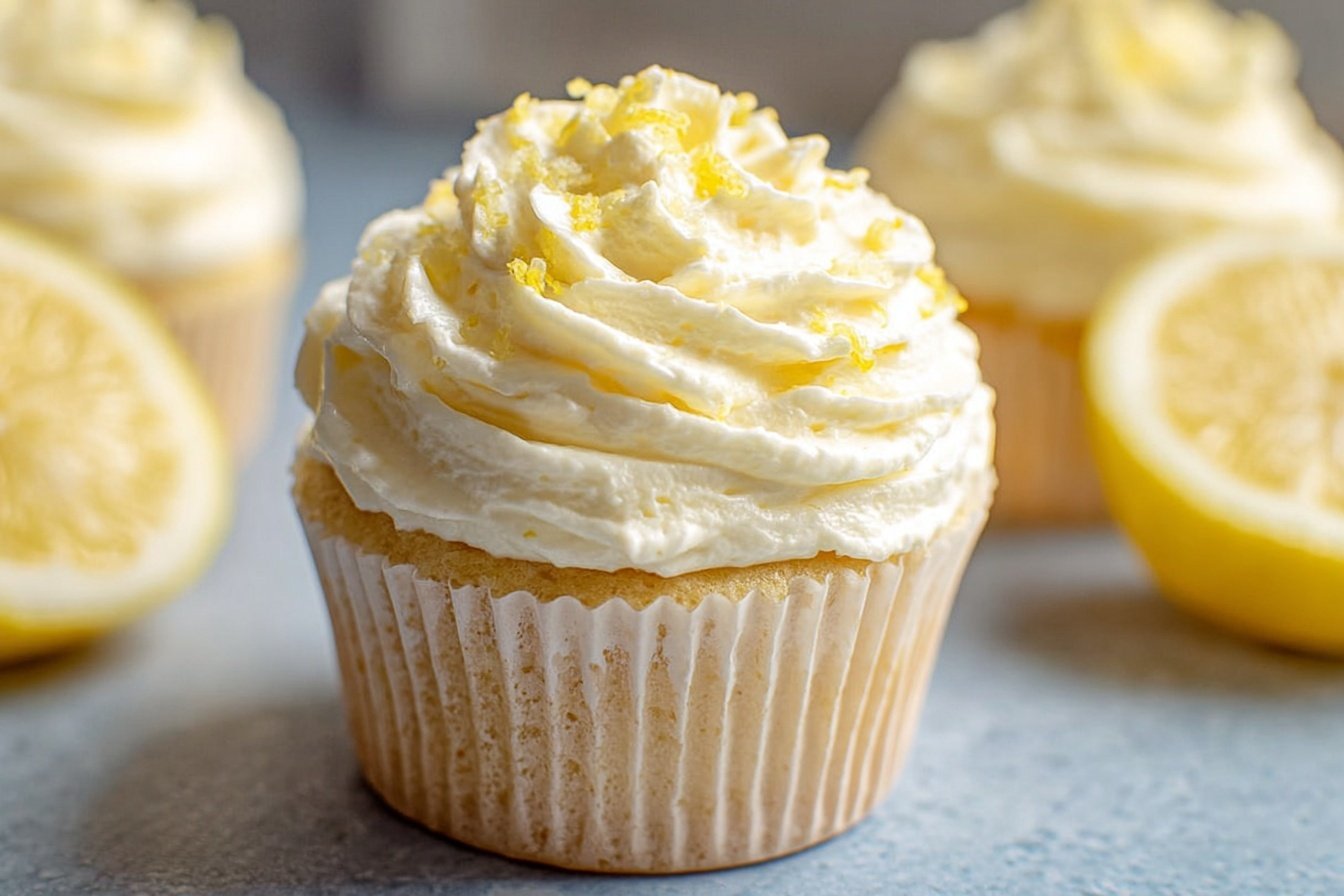
Why You Will Love This Lemon Buttercream Frosting
If you are looking for a bright, creamy, and easy topping that works on cakes, cupcakes, cookies, and more, this Lemon Buttercream Frosting is going to become a favorite fast. It has that sunny citrus flavor people love, plus the smooth, fluffy texture that makes buttercream frosting so fun to use.
- Easy to make: This lemon frosting comes together in just a few minutes with simple pantry staples. You do not need fancy tools or bakery experience, which makes it a great pick for busy parents, students, and working professionals.
- Bright flavor: Fresh lemon juice and lemon zest give this lemon buttercream a clean, fresh taste that stands out from plain vanilla frosting. The flavor is cheerful without being too sharp, so it works well on sweet treats of all kinds.
- Great for many desserts: Use this buttercream frosting for layer cakes, cupcakes, sugar cookies, and sheet cakes. It pipes well, spreads smoothly, and pairs beautifully with berry, vanilla, and vanilla-almond desserts.
- Simple ingredient swaps: This lemon frosting can be adjusted for different needs with plant-based butter or dairy-free cream. That makes it a flexible choice for bakers who want a recipe that fits their kitchen and diet goals.
Fresh citrus and creamy butter make a frosting that tastes homemade in the best way possible.
For a little extra baking inspiration, this frosting also pairs nicely with treats like lemon oatmeal cookies or a soft vanilla cake. If you enjoy lemon desserts, you may also like reading about the health perks of citrus on the benefits of lemons.
Jump To
- 1. Why You Will Love This Lemon Buttercream Frosting
- 2. Essential Ingredients for Lemon Buttercream Frosting
- 3. How to Prepare the Perfect Lemon Buttercream Frosting: Step-by-Step Guide
- 4. Dietary Substitutions to Customize Your Lemon Buttercream Frosting
- 5. Mastering Lemon Buttercream Frosting: Advanced Tips and Variations
- 6. How to Store Lemon Buttercream Frosting: Best Practices
- 7. FAQs: Frequently Asked Questions About Lemon Buttercream Frosting
- 8. Lemon Buttercream Frosting
Essential Ingredients for Lemon Buttercream Frosting
Before you start, gather everything you need. This ingredient list keeps the process smooth and helps the frosting whip up without stress.
Main Ingredients
- 1 cup unsalted butter (226g) – Softened butter creates the rich, creamy base for this lemon buttercream frosting and gives it that classic fluffy texture.
- 4 and 1/2 cups confectioners’ sugar (540g) – This sweetens the buttercream frosting and thickens it so it is spreadable and pipeable.
- 2 and 1/2 tablespoons fresh lemon juice – Fresh juice brings the tangy lemon frosting flavor and adds a bright citrus kick.
- 2 tablespoons heavy cream – Heavy cream helps the frosting turn silky, smooth, and easy to spread on cakes or cupcakes.
- 2 teaspoons lemon zest – Lemon zest gives the frosting extra aroma and a stronger fresh lemon taste.
- Pinch of salt, to taste – A little salt balances the sweetness and makes the lemon flavor taste more lively.
Special Dietary Options
- Vegan: Swap the butter for a plant-based butter stick and use a dairy-free cream alternative. The flavor stays bright and creamy.
- Gluten-free: This recipe is naturally gluten-free as written, since none of the ingredients contain wheat. Just check labels on the confectioners’ sugar and butter if cross-contact is a concern.
- Low-calorie: You can reduce the sugar a bit for a lighter frosting, though it will be softer. Another option is to use the frosting more lightly as a thin layer or decoration.
| Ingredient | What It Does |
|---|---|
| Butter | Builds the creamy base and gives the frosting structure |
| Confectioners’ sugar | Adds sweetness and helps the frosting hold its shape |
| Lemon juice | Brings fresh citrus flavor and tang |
| Heavy cream | Makes the texture smooth and fluffy |
| Lemon zest | Adds bright aroma and stronger lemon flavor |
| Salt | Balances the sweetness |
How to Prepare the Perfect Lemon Buttercream Frosting: Step-by-Step Guide
This lemon buttercream frosting recipe is quick, friendly, and forgiving. If your kitchen is warm or your butter is a little too soft, do not panic. A small tweak here or there usually brings it right back to fluffy frosting heaven.
Step 1: Start with room temperature butter
Place 1 cup unsalted butter in a large mixing bowl and let it soften until it is cool to the touch but easy to press with your finger. Room temperature butter mixes better with sugar and helps create a smooth buttercream frosting without lumps. If the butter is too cold, the frosting can look clumpy. If it is melted, the mixture may turn runny, so aim for soft, not greasy.
Step 2: Beat the butter until smooth
Using a hand mixer or stand mixer, beat the butter on medium speed for about 2 minutes. You want it to look pale, creamy, and light. This step adds air, which gives the frosting a fluffy texture. Scrape down the bowl once or twice so every bit gets mixed evenly.
Step 3: Add the confectioners’ sugar slowly
Turn the mixer to low and add the 4 and 1/2 cups confectioners’ sugar a little at a time. This keeps the sugar from puffing all over your counter like a powdery snowstorm. Once the sugar starts to blend in, you can increase the speed to medium. Beat until the mixture looks thick and smooth.
Step 4: Mix in the lemon flavor
Add the 2 and 1/2 tablespoons fresh lemon juice, 2 tablespoons heavy cream, 2 teaspoons lemon zest, and a pinch of salt. Beat again until the lemon buttercream frosting becomes creamy and airy. The lemon juice gives it tang, the zest adds a fresh citrus aroma, and the heavy cream softens the texture so it spreads beautifully.
Step 5: Check the texture
Now take a quick look at the frosting. If it seems too thick, add a tiny splash more cream, about 1 teaspoon at a time. If it is too soft, add a little more confectioners’ sugar, a spoonful at a time. This is where buttercream gets personal. Some people like it thick for piping, while others like it softer for spreading.
Step 6: Beat until fluffy and smooth
Mix the frosting for another 1 to 2 minutes until it looks silky and holds soft peaks. Stop and scrape the bowl again if needed. At this stage, the frosting should taste sweet, tangy, and buttery all at once. If you want a stronger lemon flavor, you can add a bit more zest, but do so slowly so the texture stays balanced.
Step 7: Adjust for cakes or cupcakes
For cakes, spread the frosting with an offset spatula for a smooth finish. For cupcakes, transfer the frosting to a piping bag and swirl it on top. This lemon buttercream frosting for cakes gives you a soft, bakery-style look, while lemon buttercream frosting for cupcakes makes each bite feel bright and cheerful. Either way, it works beautifully.
Step 8: Taste and make final tweaks
Taste the frosting and make a final adjustment if needed. Want more tang? Add a little more lemon juice. Want more sweetness? Add a spoonful of confectioners’ sugar. Want a softer finish? Add a tiny bit more cream. Small changes can make a big difference, so go slowly and keep mixing between additions.
If the frosting looks a little off at first, do not stress. Buttercream is usually easy to bring back with a few gentle adjustments.
For another sweet topping idea, you may enjoy this rich fudge icing recipe when you want something chocolatey instead of citrusy.

Dietary Substitutions to Customize Your Lemon Buttercream Frosting
Protein and Main Component Alternatives
Even though this recipe is a classic butter-based frosting, you can still make it fit different needs. If you want a dairy-free version, use a high-quality plant-based butter stick. Look for one that is firm and meant for baking, since soft tub spreads can make the frosting too loose. For the cream, use unsweetened coconut cream or another dairy-free cream substitute.
If you prefer a lighter frosting, reduce the butter slightly and add a bit more sugar for structure. Keep in mind that buttercream frosting needs fat to stay smooth, so going too low can make it less stable. For a less sweet version, cut the sugar by 1/2 cup and add the lemon zest slowly to keep the flavor bright.
Vegetable, Sauce, and Seasoning Modifications
Since this is a dessert frosting, there are no vegetables to swap in, but flavor changes can still make it fun. Add a little vanilla extract for a softer lemon flavor, or mix in a tiny touch of almond extract for a bakery-style twist. You can also use extra lemon zest if you want a more punchy citrus finish.
If you are making this for a spring party or special dessert table, try pairing it with berry cakes, coconut cupcakes, or a simple vanilla sheet cake. The flavor is flexible enough to sit nicely beside all kinds of sweet treats. That makes this lemon buttercream a handy recipe to keep in your back pocket.
Mastering Lemon Buttercream Frosting: Advanced Tips and Variations
Once you have made this frosting once or twice, you will probably start tweaking it to match your own style. That is part of the fun. A few small tricks can help your lemon frosting look smoother, taste brighter, and pipe like a dream.
Pro cooking techniques
Sift the confectioners’ sugar before mixing if you want an extra smooth finish. This helps remove lumps and gives the frosting a silkier texture. Also, beat the butter first before adding anything else. That extra whipping time adds air and makes the frosting lighter. If your kitchen is warm, chill the bowl for 10 minutes before final mixing to help the frosting firm up a bit.
Flavor variations
For a stronger citrus taste, add a little more zest or a tiny bit of lemon extract. For a softer, sweeter flavor, use a touch less juice and add a little extra cream. You can also fold in a few drops of natural yellow food coloring if you want that sunny bakery look. If you like tart desserts, this frosting is especially nice on vanilla cupcakes or on a pineapple sunshine cake.
Presentation tips
Pipe the frosting with a star tip for cupcakes, or spread it in smooth swirls on layer cakes. A little lemon zest sprinkled on top gives a pretty finish and hints at the flavor inside. Thin lemon peel curls also look lovely if you want a more polished dessert table presentation.
Make-ahead options
This frosting can be made a day or two ahead and stored in the fridge. Just bring it back to room temperature, then beat it again until fluffy before using. If you are baking for a birthday, baby shower, or family dinner, making it early can save a lot of time later.
How to Store Lemon Buttercream Frosting: Best Practices
Good storage keeps your lemon buttercream frosting tasting fresh and smooth. Since it contains butter and cream, it needs a little care, especially in warm weather.
Refrigeration
Store leftover frosting in an airtight container in the refrigerator for up to 1 week. Press plastic wrap directly onto the surface if you want to help prevent a crust from forming. Before using, let it sit at room temperature until soft enough to stir.
Freezing
For longer storage, freeze the frosting for up to 3 months. Place it in a freezer-safe container or freezer bag, then label it with the date. Thaw it overnight in the fridge before using it again. This is a great option if you like to bake in batches or prep ahead for birthdays and holidays.
Rewhipping
After thawing, beat the frosting for 1 to 2 minutes until it turns fluffy again. If it looks stiff, add 1 teaspoon of cream or milk at a time until the texture loosens up. A quick rewhip usually brings it right back to life.
Meal prep considerations
If you are making cupcakes or a cake ahead of time, you can frost them the same day and refrigerate them later. Just know that frosted treats are best at room temperature for about 1 day before chilling. Keep them covered so the frosting stays soft and does not pick up fridge smells.
FAQs: Frequently Asked Questions About Lemon Buttercream Frosting
Why does lemon buttercream frosting curdle and how do I fix it?
Lemon buttercream frosting curdles when lemon juice and zest add too much liquid, breaking the emulsion. To prevent this, use plenty of confectioners’ sugar to absorb moisture and incorporate heavy cream for stability and creaminess. If it curdles during mixing, stop and gradually add more sifted confectioners’ sugar (1/4 cup at a time) while beating on low speed. Chill the bowl for 10-15 minutes, then resume mixing. For best results, ensure butter is at room temperature (not melted) and add lemon ingredients slowly. This keeps the frosting smooth and pipeable. Always sift sugar to avoid lumps. (78 words)
Can I use lemon extract instead of fresh lemon juice and zest in buttercream frosting?
Fresh lemon juice and zest give the best bright, natural citrus flavor and aroma to lemon buttercream frosting, outperforming extracts which can taste artificial. If fresh lemons aren’t available, use 1-2 teaspoons of high-quality lemon extract per recipe, but start small and taste as you go. Combine with a bit of lemon zest if possible for authenticity. Extracts are shelf-stable and consistent, making them great for quick bakes, but they lack the oils in fresh zest. Stick to fresh for superior taste in cakes, cupcakes, or cookies. (92 words)
How do I thicken or thin lemon buttercream frosting if the consistency is off?
For thin lemon buttercream frosting, add 1/4 to 1/2 cup more sifted confectioners’ sugar gradually while mixing on low speed until it firms up and holds peaks. If too thick, incorporate 1 tablespoon of heavy cream or milk at a time, beating until silky. Room temperature butter prevents graininess—chill briefly if needed, then re-whip. Test by piping a swirl; it should hold shape without tearing. These tweaks maintain flavor balance and make it ideal for spreading or decorating 12-16 cupcakes. Avoid overmixing to prevent incorporating air bubbles. (98 words)
How long does lemon buttercream frosting last and what’s the best way to store it?
Homemade lemon buttercream frosting lasts up to 1 week in an airtight container in the fridge or 3 months in the freezer (in freezer bags). Thaw overnight in the fridge, then bring to room temperature and beat 1-2 minutes to fluff it up. If stiff, add 1 teaspoon heavy cream or milk. Label containers with dates. At room temp, frosted cakes or cupcakes hold for 1 day. Refrigerate longer-term to prevent spoilage from dairy and lemon acidity. Always cover to avoid drying out or absorbing odors. (94 words)
Is lemon buttercream frosting good for piping on cakes and cupcakes?
Yes, well-made lemon buttercream frosting pipes beautifully with its smooth, stable texture from balanced sugar, butter, and cream. Use a medium consistency—firm enough for stars or rosettes but soft for smooth sides. Chill frosted items 15 minutes before piping details to set. This recipe yields 2.5 cups, perfect for 12-16 cupcakes or a 9×13 cake; double for layers. Add gel coloring without texture issues. It works on sugar cookies too. Pipe with tips like 1M for swirls. Store piped items at room temp for a day, then refrigerate. (96 words)

Lemon Buttercream Frosting
- Total Time: 10 minutes
- Yield: 3 cups (enough for 24 cupcakes)
- Diet: Vegetarian
Description
🍋 Brighten cakes and cupcakes with zesty, silky lemon buttercream frosting bursting with fresh citrus tang.
🧁 Velvety smooth, pipeable perfection made in 10 minutes—ideal for summer treats or any dessert upgrade.
Ingredients
– 1 cup unsalted butter (226g)
– 4 and 1/2 cups confectioners’ sugar (540g)
– 2 and 1/2 tablespoons fresh lemon juice
– 2 tablespoons heavy cream
– 2 teaspoons lemon zest
– Pinch of salt, to taste
Instructions
Step 1: Start with room temperature butter Place 1 cup unsalted butter in a large mixing bowl and let it soften until it is cool to the touch but easy to press with your finger. Room temperature butter mixes better with sugar and helps create a smooth buttercream frosting without lumps. If the butter is too cold, the frosting can look clumpy. If it is melted, the mixture may turn runny, so aim for soft, not greasy.
Step 2: Beat the butter until smooth Using a hand mixer or stand mixer, beat the butter on medium speed for about 2 minutes. You want it to look pale, creamy, and light. This step adds air, which gives the frosting a fluffy texture. Scrape down the bowl once or twice so every bit gets mixed evenly.
Step 3: Add the confectioners’ sugar slowly Turn the mixer to low and add the 4 and 1/2 cups confectioners’ sugar a little at a time. This keeps the sugar from puffing all over your counter like a powdery snowstorm. Once the sugar starts to blend in, you can increase the speed to medium. Beat until the mixture looks thick and smooth.
Step 4: Mix in the lemon flavor Add the 2 and 1/2 tablespoons fresh lemon juice, 2 tablespoons heavy cream, 2 teaspoons lemon zest, and a pinch of salt. Beat again until the lemon buttercream frosting becomes creamy and airy. The lemon juice gives it tang, the zest adds a fresh citrus aroma, and the heavy cream softens the texture so it spreads beautifully.
Step 5: Check the texture Now take a quick look at the frosting. If it seems too thick, add a tiny splash more cream, about 1 teaspoon at a time. If it is too soft, add a little more confectioners’ sugar, a spoonful at a time. This is where buttercream gets personal. Some people like it thick for piping, while others like it softer for spreading.
Step 6: Beat until fluffy and smooth Mix the frosting for another 1 to 2 minutes until it looks silky and holds soft peaks. Stop and scrape the bowl again if needed. At this stage, the frosting should taste sweet, tangy, and buttery all at once. If you want a stronger lemon flavor, you can add a bit more zest, but do so slowly so the texture stays balanced.
Step 7: Adjust for cakes or cupcakes For cakes, spread the frosting with an offset spatula for a smooth finish. For cupcakes, transfer the frosting to a piping bag and swirl it on top. This lemon buttercream frosting for cakes gives you a soft, bakery-style look, while lemon buttercream frosting for cupcakes makes each bite feel bright and cheerful. Either way, it works beautifully.
Step 8: Taste and make final tweaks Taste the frosting and make a final adjustment if needed. Want more tang? Add a little more lemon juice. Want more sweetness? Add a spoonful of confectioners’ sugar. Want a softer finish? Add a tiny bit more cream. Small changes can make a big difference, so go slowly and keep mixing between additions.
Notes
🍋 Use freshly grated lemon zest and juice for the brightest, most vibrant citrus flavor.
🧂 Sift the confectioners’ sugar to prevent grainy lumps in your smooth frosting.
❄️ If frosting is too soft, chill for 15 minutes; re-whip to restore fluffiness.
- Prep Time: 10 minutes
- Category: Desserts
- Method: Mixer
- Cuisine: American
Nutrition
- Serving Size: 2 tablespoons
- Calories: 170 kcal
- Sugar: 20 g
- Sodium: 20 mg
- Fat: 10 g
- Saturated Fat: 6 g
- Unsaturated Fat: 4 g
- Trans Fat: 0 g
- Carbohydrates: 22 g
- Fiber: 0 g
- Protein: 0 g
- Cholesterol: 25 mg
Keywords: lemon buttercream, frosting recipe, cakes cupcakes, citrus icing