
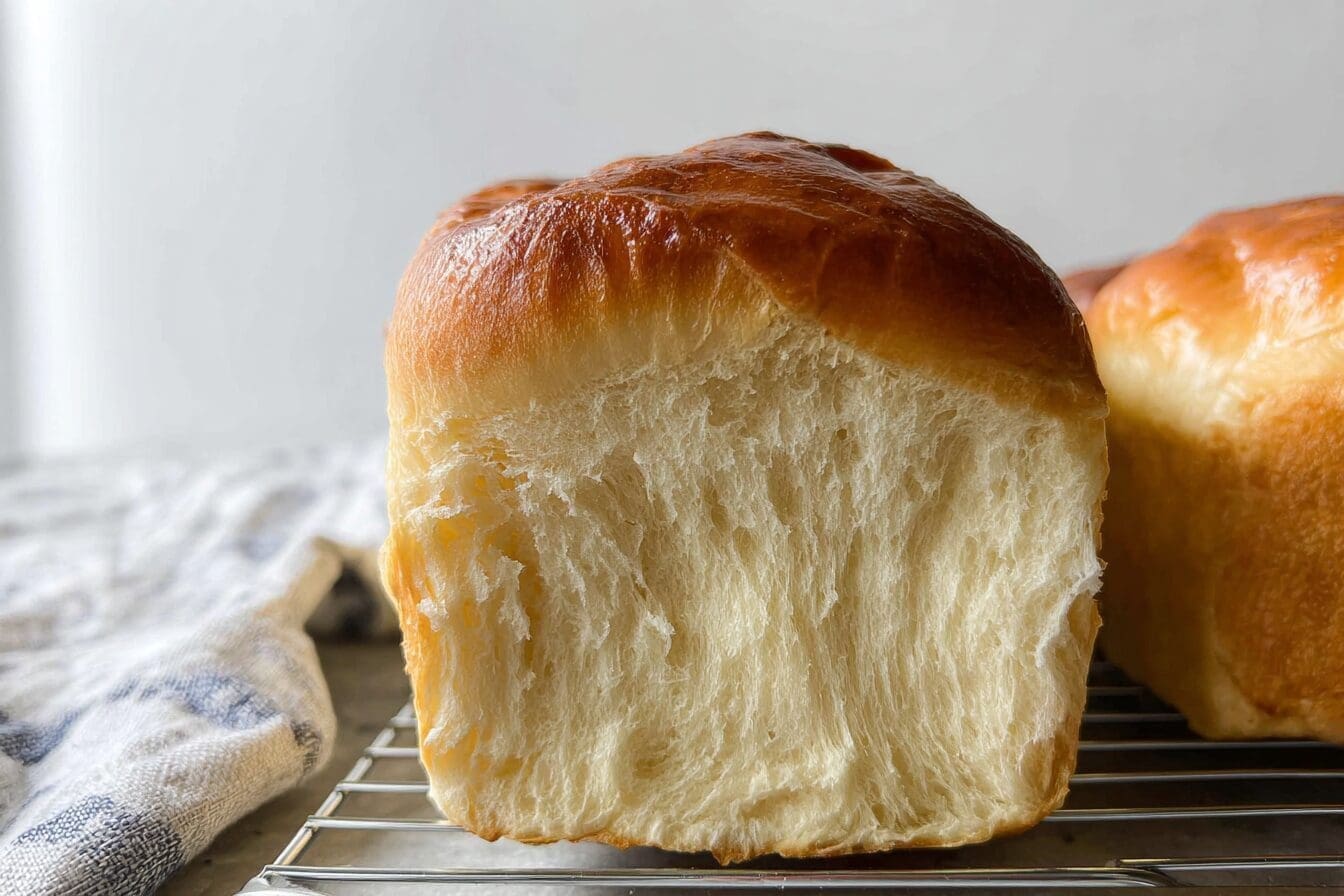
Why You’ll Love This Japanese Milk Bread
Japanese Milk Bread stands out for its soft, tender crumb that’s almost cloud-like, making it a favorite among home bakers of all skill levels. This recipe uses basic ingredients that blend together easily, so even if you’re new to baking, you can create something amazing. Picture fresh slices ready for your morning toast or sandwiches, all with minimal effort.
One reason to try this recipe is the simplicity involved, as it combines familiar items like flour, milk, and butter in a way that turns out professional results every time. Another plus is how it offers a gentle nutritional boost, with milk providing protein and calcium for a satisfying treat. You can also tweak it to fit various diets, like using plant-based options for a vegan version, all while keeping that signature softness.
From savory meals to sweet snacks, Japanese Milk Bread adapts to whatever you need, whether it’s a quick breakfast or a dinner side. Its creamy flavor from the milk and butter makes every bite enjoyable, ensuring it’s not just food but a joyful experience. For example, if you’re a busy parent, this bread is perfect for quick family meals, and it even pairs well with other easy recipes on our site like our blueberry cottage cheese breakfast bake.
- Ease of preparation keeps things straightforward, ideal for novice and experienced bakers alike.
- Health benefits come from wholesome ingredients that offer energy and nutrients without extra fuss.
- Versatility allows changes for dietary needs, ensuring everyone can enjoy it.
- Distinctive flavor provides a soft texture and creamy taste that’s perfect for any occasion.
To learn more, check out this Japanese Milk Bread Recipe by Flavor Bender for additional inspiration.
Jump To
- 1. Why You’ll Love This Japanese Milk Bread
- 2. Essential Ingredients for Japanese Milk Bread
- 3. How to Prepare the Perfect Japanese Milk Bread: Step-by-Step Guide
- 4. Dietary Substitutions to Customize Your Japanese Milk Bread
- 5. Mastering Japanese Milk Bread: Advanced Tips and Variations
- 6. How to Store Japanese Milk Bread: Best Practices
- 7. FAQs: Frequently Asked Questions About Japanese Milk Bread
- 8. Japanese Milk Bread
Essential Ingredients for Japanese Milk Bread
Gathering the right ingredients is key to making Japanese Milk Bread that turns out soft and delicious every time. This recipe focuses on simple, high-quality items that enhance the bread’s texture and flavor. Below is a complete list based on the traditional method, ensuring you have everything needed for success.
Tangzhong Ingredients
- 3 tablespoons water
- 3 tablespoons whole milk
- 3 tablespoons flour
Dough Ingredients
- 2 1/2 cups flour
- 2 tablespoons dry milk powder
- 1/4 cup granulated sugar
- 1 teaspoon table salt
- 1 tablespoon yeast
- 1/2 cup whole milk
- 1 large egg
- 4 tablespoons unsalted butter (melted)
| Ingredient Category | Purpose |
|---|---|
| Tangzhong base | Helps lock in moisture for longer freshness |
| Dough essentials | Builds structure and adds flavor |
These ingredients work together to create the bread’s unique qualities, as noted in reliable sources like The Chopping Block’s Tangzhong Guide. Remember, accurate measurements are crucial for the best results.
How to Prepare the Perfect Japanese Milk Bread: Step-by-Step Guide
Follow these clear steps to make Japanese Milk Bread that comes out perfectly soft and fluffy. Start by preparing the tangzhong, which is a simple paste that makes the bread stay moist longer. This method keeps the process straightforward and fun for any home baker.
- Prepare tangzhong by whisking together 3 tablespoons water, 3 tablespoons whole milk, and 3 tablespoons flour in a small saucepan until smooth.
- Cook over low heat, whisking constantly for 3 to 5 minutes until thickened and the whisk leaves clear lines on the pan bottom. Cool to lukewarm.
- Measure flour accurately. Combine tangzhong with all dough ingredients 2 1/2 cups flour, 2 tablespoons dry milk powder, 1/4 cup granulated sugar, 1 teaspoon table salt, 1 tablespoon yeast, 1/2 cup whole milk, 1 large egg, and 4 tablespoons unsalted butter (melted) and knead until smooth and elastic, about 15 minutes if using a stand mixer.
- Shape dough into a ball and let rest covered in a lightly greased bowl for 1 to 1 1/2 hours until puffy but not necessarily doubled in size.
- Gently deflate the dough and divide into four equal pieces (170 to 175 grams each).
- Flatten each piece into a 5 by 8-inch rectangle, fold the short ends toward each other, flatten to about 3 by 6 inches, then roll into a 4-inch log starting at a short end.
- Place logs seam side down, side by side in a lightly greased loaf pan. Cover and let rise 40 to 50 minutes until puffy.
- Near the end of rising, preheat oven to 350°F (175°C).
- Brush the loaf with milk or an egg wash made from 1 large egg whisked with 1 tablespoon cold water, then bake for 30 to 35 minutes until golden brown and the center reaches at least 190°F (88°C).
- Cool loaf in the pan briefly, then transfer to a rack to cool completely.
The total time for this recipe, including prep and baking, is about 3 hours and 25 minutes. For more tips on similar bakes, try our cheesy quick bread recipe for a savory twist.

Dietary Substitutions to Customize Your Japanese Milk Bread
Japanese Milk Bread is flexible, so you can adjust it for different diets while keeping its soft texture. For instance, swap whole milk with plant-based options to make it vegan, or use special flours for gluten-free needs. These changes help everyone enjoy the bread without losing its charm.
Start with the basics like replacing whole milk with soy or almond milk for a dairy-free version. You can also try adding flavors such as herbs to mix things up. Here’s a quick breakdown of options to consider.
- Replace whole milk with plant-based milks like soy, almond, or oat.
- Use gluten-free flour blends instead of regular flour.
- Substitute butter with coconut oil or vegan alternatives.
- Add mashed sweet potatoes for extra moisture and a fun twist.
- Incorporate herbs like rosemary or spices like cinnamon for new flavors.
This approach ensures the bread remains tasty and approachable for all.
Mastering Japanese Milk Bread: Advanced Tips and Variations
Once you master the basics of Japanese Milk Bread, you can experiment with techniques to elevate your baking game. Using a stand mixer helps knead the dough evenly, leading to that perfect elastic feel. The tangzhong method is key as it keeps the bread moist and fresh longer than usual.
Techniques and Flavor Ideas
Try adding matcha powder for a green tea flavor that pairs well with tea time. You can also mix in sweet red bean paste for a traditional touch. For shaping, roll the dough into fun forms like braids to make your loaf stand out at gatherings.
- Use a stand mixer for even kneading and better texture.
- Add flavors like matcha or cinnamon to create unique versions.
- Shape dough into rolls or logs for appealing presentations.
- Prepare dough ahead and refrigerate it for deeper flavors.
Remember, the tangzhong technique is what gives Japanese Milk Bread its signature softness, as it pre-cooks the flour to lock in moisture.
How to Store Japanese Milk Bread: Best Practices
Proper storage helps Japanese Milk Bread stay soft and fresh for days, making it a great make-ahead option. Keep it in an airtight container to avoid drying out, and consider freezing for longer use. These steps ensure your bread remains enjoyable whether you’re eating it right away or saving it.
- Store in an airtight container at room temperature for up to 3 days.
- Freeze slices in resealable bags for up to a month to keep them ready.
- Reheat in a toaster or oven at low heat to bring back that fresh feel.
- Plan for meal prep by baking multiple loaves and storing them for convenience.
This method works well for all dietary variations, too.
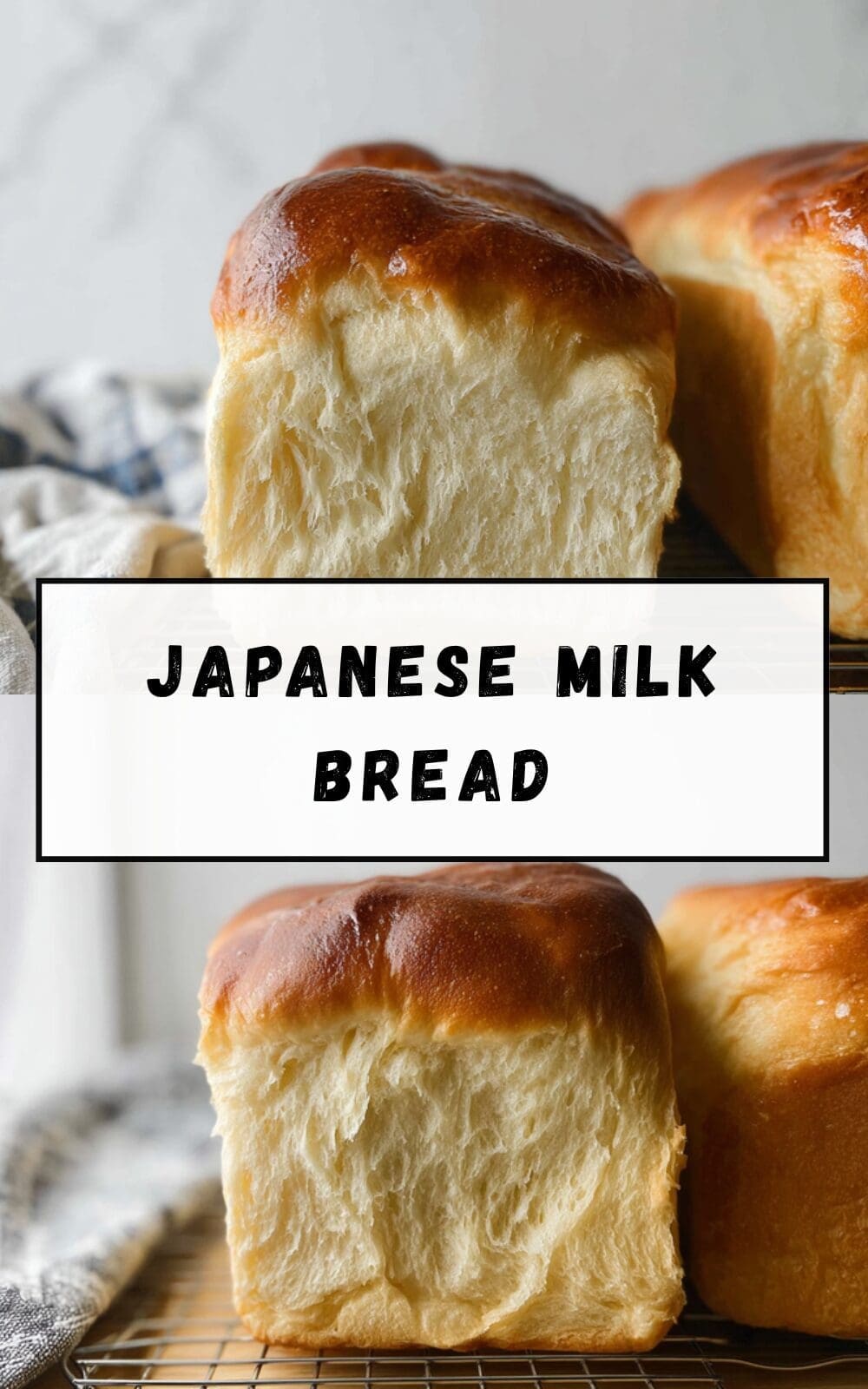
FAQs: Frequently Asked Questions About Japanese Milk Bread
What is tangzhong and why is it used in Japanese milk bread?
Tangzhong is a cooked mixture of flour and water or milk that is heated until thickened, creating a paste. In Japanese milk bread, it helps the dough retain moisture by pre-gelatinizing the starches, resulting in a soft, fluffy texture and bread that stays fresh longer.
How do I achieve the perfect soft and fluffy texture in Japanese milk bread?
To get the characteristic softness, use the tangzhong method by cooking part of the flour with milk before mixing the dough. Also, knead the dough until smooth and elastic, let it rise adequately, and bake at around 350°F (175°C) until golden. Avoid overbaking to keep it moist.
What is the best way to store Japanese milk bread to keep it fresh?
Wrap the bread tightly in plastic wrap or place it in an airtight container at room temperature. It will stay fresh for 5 to 7 days. For longer storage, slice the bread and freeze it in a sealed freezer bag, then thaw slices as needed.
Can I make Japanese milk bread without an egg wash, and how will it affect the crust?
Yes, you can skip the egg wash if you prefer a softer, less shiny crust. The crust will be lighter in color and less glossy but still tender. For a golden, shiny crust, brush the loaf with a beaten egg mixed with water before baking.
How long does it take to bake Japanese milk bread, and how do I know when it’s done?
Bake Japanese milk bread for 30 to 35 minutes at 350°F (175°C). It’s done when the crust is golden brown and the internal temperature reaches about 190°F (88°C). You can also tap the bottom of the loaf; it should sound hollow if fully baked.
Japanese Milk Bread
- Total Time: 3 hours 25 minutes
- Yield: 1 loaf (about 8 slices) 1x
- Diet: Vegetarian
Description
🥛 This Japanese Milk Bread recipe features a soft, pillowy texture that stays fresh longer thanks to the tangzhong method.
🍞 Made with simple ingredients, it’s perfect for sandwiches or enjoying fresh from the oven with a tender crumb.
Ingredients
3 tablespoons water
3 tablespoons whole milk
3 tablespoons flour
2 1/2 cups flour
2 tablespoons dry milk powder
1/4 cup granulated sugar
1 teaspoon table salt
1 tablespoon yeast
1/2 cup whole milk
1 large egg
4 tablespoons unsalted butter (melted)
Instructions
1-Prepare tangzhong: by whisking together 3 tablespoons water, 3 tablespoons whole milk, and 3 tablespoons flour in a small saucepan until smooth.
2-Cook: over low heat, whisking constantly for 3 to 5 minutes until thickened and the whisk leaves clear lines on the pan bottom. Cool to lukewarm.
3-Measure flour accurately. Combine tangzhong with all dough ingredients 2 1/2 cups flour, 2 tablespoons dry milk powder, 1/4 cup granulated sugar, 1 teaspoon table salt, 1 tablespoon yeast, 1/2 cup whole milk, 1 large egg, and 4 tablespoons unsalted butter (melted) and knead until smooth and elastic, about 15 minutes if using a stand mixer.
4-Shape dough: into a ball and let rest covered in a lightly greased bowl for 1 to 1 1/2 hours until puffy but not necessarily doubled in size.
5-Gently deflate the dough and divide into four equal pieces (170 to 175 grams each).
6-Flatten each piece into a 5 by 8-inch rectangle, fold the short ends toward each other, flatten to about 3 by 6 inches, then roll into a 4-inch log starting at a short end.
7-Place logs seam side down, side by side in a lightly greased loaf pan. Cover and let rise 40 to 50 minutes until puffy.
8-Near the end of rising, preheat oven to 350°F (175°C).
9-Brush the loaf with milk or an egg wash made from 1 large egg whisked with 1 tablespoon cold water, then bake for 30 to 35 minutes until golden brown and the center reaches at least 190°F (88°C).
10-Cool loaf in the pan briefly, then transfer to a rack to cool completely.
Notes
🧈 The tangzhong method helps retain moisture, keeping the bread soft and fresh longer.
⏳ Be patient with rising times to achieve the best texture and fluffiness.
🥄 Use an egg wash for a shiny, golden crust or milk for a softer, matte finish.
- Prep Time: 45 minutes
- Rising Time: 1 hour 30 minutes
- Cook Time: 35 minutes
- Category: Bread
- Method: Tangzhong method, Kneading, Baking
- Cuisine: Japanese
Nutrition
- Serving Size: 1 slice
- Calories: 180 calories
- Sugar: 5 grams
- Sodium: 180 mg
- Fat: 5 grams
- Saturated Fat: 3 grams
- Unsaturated Fat: 2 grams
- Trans Fat: 0 grams
- Carbohydrates: 28 grams
- Fiber: 1 gram
- Protein: 5 grams
- Cholesterol: 35 mg
Keywords: Japanese milk bread, tangzhong bread, soft bread, homemade bread