
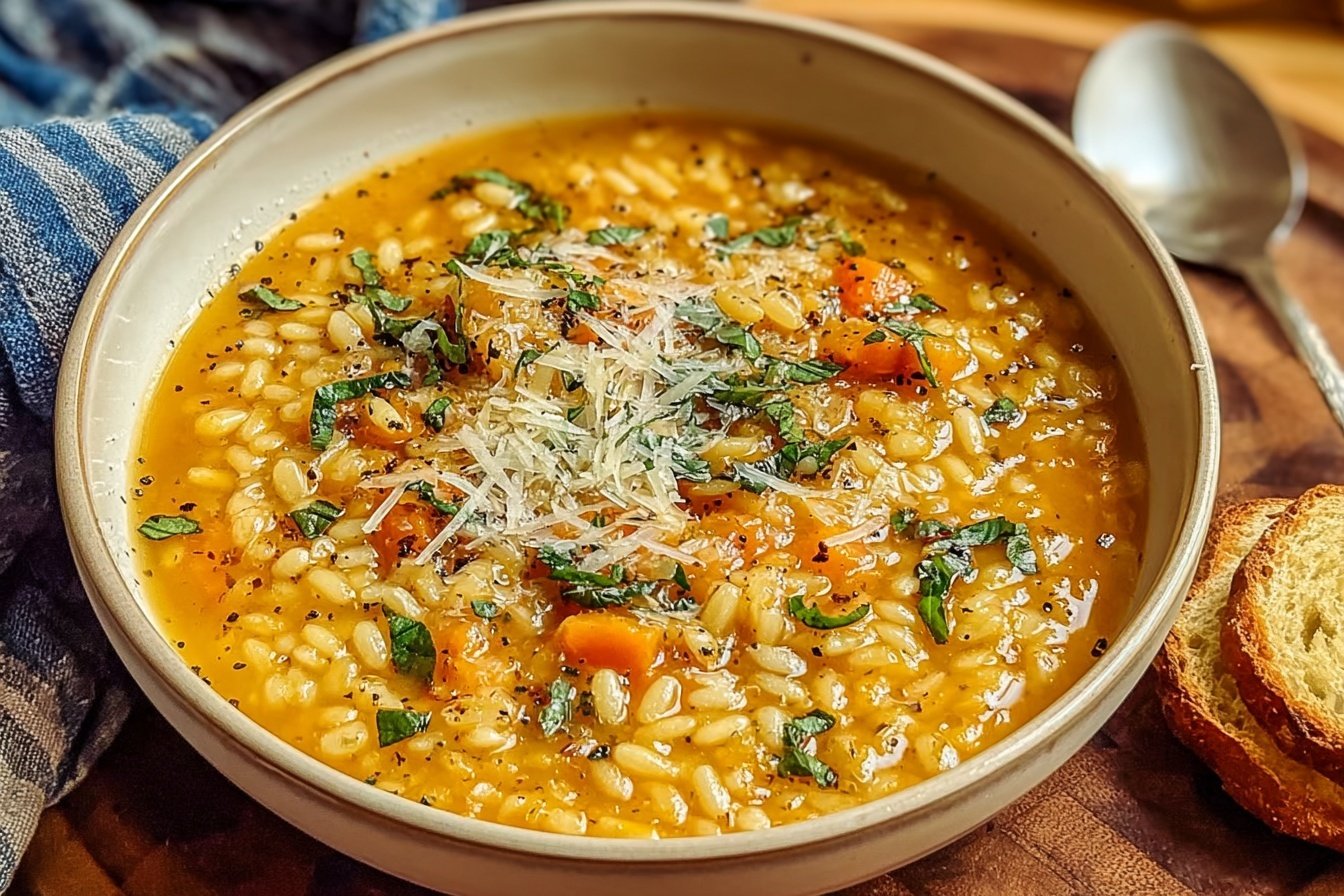
Why You’ll Love This Italian Penicillin Soup
Italian Penicillin Soup is the kind of meal that feels like a warm blanket on a tired day. It is also known as Italian Nonna’s Penicillin Soup or Chicken Pastina Soup, and it brings together simple ingredients in a way that feels both nourishing and comforting. If you have ever wanted a cozy bowl that tastes like it came straight from an Italian kitchen, this is the one.
- Easy to make: This Italian Penicillin Soup comes together in about 55 minutes total, with only 20 minutes of prep. Most of the work is just chopping vegetables and letting the pot simmer.
- Good for busy days and sick days: With chicken, broth, carrots, celery, onion, garlic, and a little pastina, this soup is light but filling. It is a soothing choice when someone in the house is under the weather.
- Flexible for different needs: You can make it heartier by doubling the pastina, or keep it lighter by using the smaller amount. It also works well with leftover chicken, rotisserie chicken, or simple pantry swaps.
- Full of comforting flavor: The mix of olive oil, butter, Parmesan rind, rosemary, thyme, and sweet carrots gives the soup a deep, cozy taste that feels old-fashioned in the best way.
One spoonful of Italian Penicillin Soup is the kind of comfort that makes a long day feel a little easier.
If you love simple soups with a homemade feel, you may also enjoy a bowl of cabbage roll soup for another cozy dinner idea.
Jump To
- 1. Why You’ll Love This Italian Penicillin Soup
- 2. Essential Ingredients for Italian Penicillin Soup
- 3. How to Prepare the Perfect Italian Penicillin Soup: Step-by-Step Guide
- 4. Italian Penicillin Soup Nutrition and Timing
- 5. Dietary Substitutions to Customize Your Italian Penicillin Soup
- 6. Mastering Italian Penicillin Soup: Advanced Tips and Variations
- 7. How to Store Italian Penicillin Soup
- 8. FAQs: Frequently Asked Questions About Italian Penicillin Soup
- 9. Italian Penicillin Soup
Essential Ingredients for Italian Penicillin Soup
This recipe serves about 8 to 10 people, making it a great choice for family dinner, meal prep, or sharing with someone who needs a little care. Every ingredient has a role in building the soup’s gentle flavor and comforting texture. Here is a clear ingredient list with the exact measurements you will need.
Main ingredients
- 2 tablespoons extra virgin olive oil
- 1 tablespoon butter
- 1 large onion, diced small
- 1 large shallot, finely chopped
- 4 stalks celery, diced small
- 1 large yellow bell pepper, diced small
- 4 medium cloves garlic, minced
- 8 cups low-sodium chicken broth, or more if needed
- 1 pound carrots, diced small
- 1 parmesan rind, optional
- 1 1/2 teaspoons kosher salt, or more to taste
- 1/3 cup uncooked pastina, tiny pasta such as acini di pepe, orzo, stelline, or farfalline
- 2 1/2 to 3 cups rotisserie or leftover chicken
- Grated Parmesan, for serving
- Finely chopped fresh rosemary and/or fresh thyme leaves, for garnish
Why each ingredient matters
Extra virgin olive oil and butter create a rich base that helps soften the onion, shallot, celery, and bell pepper. The garlic adds warmth, while the carrots bring natural sweetness and that lovely golden color. Chicken broth forms the heart of the soup, and the Parmesan rind gives the pot extra depth before being removed.
Pastina is the tiny pasta that makes this dish feel so comforting without making it heavy. The chicken adds protein and turns the soup into a meal, while grated Parmesan and fresh herbs finish each bowl with salty, fragrant flavor. For more broth-based comfort food ideas, you might like this creamy crock pot potato soup recipe too.
Special dietary options
- Vegan: Use vegetable broth, skip the chicken, and add white beans or chickpeas for protein. Nutritional yeast can stand in for Parmesan flavor.
- Gluten-free: Swap the pastina for a gluten-free tiny pasta or use rice-shaped gluten-free pasta if needed.
- Low-calorie: Use less butter, keep the broth low-sodium, and reduce the Parmesan topping if you want a lighter bowl.
How to Prepare the Perfect Italian Penicillin Soup: Step-by-Step Guide
Making Italian Penicillin Soup is simple, but a few small details help it turn out especially comforting. The vegetables simmer until tender, part of the soup gets blended for a silky texture, and the pastina cooks right in the broth so it absorbs all that flavor. The end result is a cozy bowl that tastes like care in a spoon.
First step: build the flavor base
Set a large Dutch oven or soup pot over medium heat. Add 2 tablespoons extra virgin olive oil, 1 tablespoon butter, 1 large diced onion, 1 finely chopped shallot, 4 diced celery stalks, and 1 diced yellow bell pepper. Cook for 4 to 5 minutes, stirring now and then, until the onions look translucent and the vegetables begin to soften.
This step is where the soup starts to smell amazing. The mix of onion, shallot, celery, and pepper creates a sweet, savory base that makes the broth taste fuller later on.
Second step: add the garlic
Stir in 4 medium cloves garlic, minced, and cook for 2 more minutes. Keep the heat at medium so the garlic softens without browning too fast. You want it fragrant, not bitter.
If you are using fresh rosemary or thyme later, you can also set it aside now so it is ready for serving.
Third step: simmer the vegetables
Pour in 8 cups low-sodium chicken broth, then add 1 pound diced carrots, 1 parmesan rind if using, and 1 1/2 teaspoons kosher salt. Bring the pot to a boil, then lower the heat and simmer uncovered for 20 to 25 minutes. The vegetables should become tender, and the broth will take on a beautiful golden hue from the carrots and bell pepper.
Carrots do more than add sweetness here. They help give Italian Penicillin Soup its rich color and cozy, homemade look.
For a great overview of chicken’s role in a balanced diet, you can also read WebMD’s guide to the health benefits of chicken.
Fourth step: blend part of the soup
Remove the parmesan rind and set it aside or discard it. Use a slotted spoon to reserve about 2 cups of the diced vegetables. Then puree the remaining broth and vegetables until smooth using an immersion blender right in the pot, or carefully transfer it to a regular blender in batches. This creates a creamy base while still leaving some texture in the finished soup.
If you prefer a chunkier soup, blend only part of the broth. If you like it silkier, blend more of the vegetables until the texture feels right for you.
Fifth step: cook the pastina
Add 1/3 cup uncooked pastina to the blended soup. Bring it back to a boil, then lower the heat and simmer uncovered according to the package directions. For acini di pepe, this is often around 9 minutes. Stir occasionally so the tiny pasta does not stick together.
Pastina expands as it cooks, so do not worry if it looks like a small amount at first. It will soak up broth and thicken the soup naturally as it sits.
Sixth step: return the chicken and reserved vegetables
Stir in the reserved vegetables and 2 1/2 to 3 cups rotisserie or leftover chicken. Cover the pot and let it rest for 20 minutes. This resting time helps the flavors come together and gives the pastina a chance to finish softening in the broth.
Taste the soup and add more salt if needed. If it seems too thick, add a splash more broth until it reaches the texture you like.
Final step: serve and garnish
Ladle the soup into bowls and top with grated Parmesan, finely chopped fresh rosemary, fresh thyme leaves, and a little black pepper if you like. Serve it hot for the most comforting experience.
The recipe makes about 8 to 10 servings and takes about 55 minutes from start to finish, with 20 minutes of prep and 35 minutes of cooking.
Italian Penicillin Soup Nutrition and Timing
This soup is satisfying without being too heavy, which is one reason so many families turn to it when they want a nourishing meal. The mix of vegetables, chicken, and a modest amount of pasta keeps each bowl balanced and comforting. Here is a quick look at the nutrition and timing.
| Category | Amount per Serving |
|---|---|
| Calories | 142 |
| Carbohydrates | 14g |
| Protein | 10g |
| Fat | 6g |
| Saturated Fat | 2g |
| Polyunsaturated Fat | 1g |
| Monounsaturated Fat | 3g |
| Trans Fat | 0.05g |
| Cholesterol | 15mg |
| Sodium | 471mg |
| Potassium | 471mg |
| Fiber | 2g |
| Sugar | 4g |
| Vitamin A | 7725 IU |
| Vitamin C | 39mg |
| Calcium | 41mg |
| Iron | 1mg |
The nutritional values make this a smart choice for home cooks who want comfort food with real ingredients. The broth, vegetables, and chicken give it staying power, while the pastina keeps each bite soft and soothing.

Dietary Substitutions to Customize Your Italian Penicillin Soup
This soup is easy to adapt, which is part of what makes it such a useful recipe for busy families and different eating styles. Whether you need to swap the protein, change the pasta, or work around what is already in your pantry, there are plenty of simple options.
Protein and main component alternatives
If you do not have rotisserie chicken, leftover chicken breasts or thighs work just as well. You can also use cooked turkey, especially after a holiday meal. For a vegetarian version, skip the chicken completely and add white beans, chickpeas, or even extra diced vegetables for body.
If you want a richer taste without meat, keep the Parmesan rind in the broth while it simmers. Just remember to remove it before blending. That little step adds a nice savory depth that feels very close to the classic version.
Vegetable, sauce, and seasoning modifications
You can swap the yellow bell pepper for red or orange bell pepper if that is what you have. Baby carrots can be diced finely for faster prep, and if you prefer a stronger herb note, use Italian seasoning instead of rosemary and thyme. A pinch of red pepper flakes can add gentle heat for anyone who likes a little kick.
If you are watching sodium, choose low-sodium broth and season at the end. For a creamier texture, blend a little more of the soup, while a chunkier version simply needs less blending. The beauty of Italian Penicillin Soup is that it can match your taste and your schedule.
Mastering Italian Penicillin Soup: Advanced Tips and Variations
Once you have made this soup a few times, a handful of small tricks can help you get even better results. These details are not hard, but they make the final bowl taste more balanced and comforting.
Pro cooking techniques
Do not rush the vegetable base. Letting the onion, shallot, celery, and bell pepper soften first builds a sweeter flavor from the start. Also, remember that pastina continues to absorb liquid after the heat is off, so the soup will thicken as it rests. If you want a looser texture, keep extra broth nearby and stir some in before serving.
Another good tip is to reserve some of the diced vegetables before blending. That gives the soup more texture and makes each spoonful feel more homemade. It is a small move, but it makes the bowl more satisfying.
Flavor variations
Fresh rosemary and thyme give the soup a classic Italian feel, but you can also try parsley, basil, or a small amount of oregano. If you love a deeper savory note, keep the Parmesan rind in the pot while the broth simmers. For a brighter finish, add a squeeze of lemon juice right before serving.
Some cooks like to add extra garlic or more carrots for sweetness. Others prefer more chicken for a heartier meal. Because this recipe is so flexible, it is easy to make it feel like your own family version.
Presentation tips
Serve the soup in warm bowls so it stays cozy longer. A spoonful of grated Parmesan on top melts slightly into the broth and makes the bowl look inviting. Fresh rosemary or thyme leaves add a pretty green finish and a fresh smell right before the first bite.
If you are serving guests, set out extra black pepper and Parmesan at the table. That way, everyone can finish their bowl the way they like it.
Make-ahead options
You can chop the vegetables ahead of time and store them in the fridge until you are ready to cook. The soup base also reheats well if you want to make it earlier in the day and finish with pastina later. If you are planning for a busy week, this is a great recipe to double.
For another easy meal that works well in a weekly rotation, you might enjoy this simple pasta salad recipe from the site.
How to Store Italian Penicillin Soup
Italian Penicillin Soup stores well, which makes it a helpful recipe for meal prep and leftovers. Since the pastina keeps soaking up liquid, the texture changes a bit over time, but that is easy to fix with a splash of broth.
Refrigeration
Let the soup cool fully before placing it in an airtight container. Store it in the refrigerator for up to 4 days. If the soup thickens, stir in a little extra broth or water when reheating.
Freezing
This soup freezes decently for up to 3 months. For the best texture, freeze the broth and chicken separately from the pastina if possible. That way, the pasta stays softer when you reheat it. Label each container with the date so you can keep track of freshness.
Reheating
Reheat on the stovetop over medium heat for 5 to 10 minutes, or warm it in the microwave in 1-minute bursts, stirring between each round. Always heat leftovers to 165°F for safety. If the soup has thickened too much, add broth until it loosens back up.
Meal prep considerations
If you plan to make it ahead for lunches or freezer meals, leave the pastina slightly undercooked so it does not become too soft later. That small detail helps keep the soup pleasant even after storage.
FAQs: Frequently Asked Questions About Italian Penicillin Soup
What is Italian penicillin soup?
Italian penicillin soup, also known as chicken pastina soup, is a comforting broth-based dish from Italian-American home cooking. It’s nicknamed “penicillin” for its healing qualities during colds, similar to chicken noodle soup. The recipe starts with a flavorful chicken broth made from bone-in chicken thighs, enriched with a Parmesan rind, garlic, carrots, onion, celery, shallot, and yellow bell pepper. Tiny pastina pasta is added last, expanding as it cooks to create a hearty yet light soup. Serve it hot with fresh rosemary or thyme garnish and grated Parmesan. One batch yields about 6 servings, perfect for family meals. It’s simple to make in under an hour on the stovetop, using everyday ingredients for a soothing remedy.
What is pastina and what types work in Italian penicillin soup?
Pastina is a category of very small Italian pasta shapes, meaning “little pasta,” all under a quarter-inch in size. Common varieties include acini di pepe (peppercorn-sized balls), orzo (rice-like grains), stelline (little stars), and farfalline (mini bow ties). Any type works well in Italian penicillin soup—use ⅓ cup uncooked per recipe for 6 servings, though you can double it for heartier texture. The pasta looks sparse when dry but swells significantly during cooking, absorbing broth for perfect consistency. Check your package for exact cooking times, typically 7-9 minutes after adding to simmering broth. This versatility makes the soup adaptable to what’s in your pantry.
How do you cook pastina in Italian penicillin soup?
To cook pastina in Italian penicillin soup, first simmer your chicken broth with vegetables and chicken until flavorful, about 30 minutes, then purée part of it for creaminess. Add ⅓ cup uncooked pastina directly to the hot broth and stir. Cook for the time listed on the package—around 9 minutes for acini di pepe or stelline—until al dente. Stir occasionally to prevent sticking. The pasta expands and thickens the soup naturally. Remove chicken thighs, shred the meat, and return it to the pot. Let rest 5-10 minutes off heat for better absorption. Taste and adjust salt. This method keeps the soup light yet filling without overcooking.
Can you freeze or reheat Italian penicillin soup?
Yes, Italian penicillin soup freezes decently for up to 3 months—cool completely, portion into freezer bags, and label with date. Thaw overnight in the fridge; note the pastina may soften slightly but retains good flavor. For best results, freeze broth and cooked chicken separately, adding fresh pastina when reheating. It reheats excellently on the stovetop over medium heat for 5-10 minutes or in the microwave in 1-minute bursts, stirring between. If thickened, thin with chicken broth or water. Avoid repeated freezing. Store leftovers in the fridge up to 4 days in an airtight container. Always reheat to 165°F for safety.
Can you make Italian penicillin soup without chicken or with substitutions?
Absolutely, make a vegetarian Italian penicillin soup by skipping chicken thighs and using vegetable broth instead. Boost umami with extra Parmesan rind and a splash of soy sauce or nutritional yeast. Omit chicken for vegan—use plant-based broth. Main veggies stay the same: 1 pound carrots, onion, shallot, celery, yellow bell pepper, and garlic. Pastina amount remains ⅓ cup. For low-carb, swap pastina for cauliflower rice or ditalini. Add fresh herbs like rosemary or thyme at the end. A Parmesan rind is optional but recommended for depth—remove before blending. This flexibility keeps the soup’s comforting essence intact for dietary needs.
Italian Penicillin Soup
- Total Time: 55 minutes
- Yield: 8-10 servings
- Diet: High-Protein
Description
🍲 Heal with Nonna’s penicillin soup—creamy pureed veggies, tender chicken, and tiny pastina for soothing, soul-warming comfort when under the weather.
🐔 Nutrient-dense, high-protein Italian classic ready in 55 minutes—freezer-friendly batches for easy, feel-better meals anytime.
Ingredients
– 2 tablespoons extra virgin olive oil
– 1 tablespoon butter
– 1 large onion, diced small
– 1 large shallot, finely chopped
– 4 stalks celery, diced small
– 1 large yellow bell pepper, diced small
– 4 medium cloves garlic, minced
– 8 cups low-sodium chicken broth, or more if needed
– 1 pound carrots, diced small
– 1 parmesan rind, optional
– 1 1/2 teaspoons kosher salt, or more to taste
– 1/3 cup uncooked pastina, tiny pasta such as acini di pepe, orzo, stelline, or farfalline
– 2 1/2 to 3 cups rotisserie or leftover chicken
– Grated Parmesan, for serving
– Finely chopped fresh rosemary and/or fresh thyme leaves, for garnish
Instructions
1-First step: build the flavor base Set a large Dutch oven or soup pot over medium heat. Add 2 tablespoons extra virgin olive oil, 1 tablespoon butter, 1 large diced onion, 1 finely chopped shallot, 4 diced celery stalks, and 1 diced yellow bell pepper. Cook for 4 to 5 minutes, stirring now and then, until the onions look translucent and the vegetables begin to soften.
2-Second step: add the garlic Stir in 4 medium cloves garlic, minced, and cook for 2 more minutes. Keep the heat at medium so the garlic softens without browning too fast. You want it fragrant, not bitter.
3-Third step: simmer the vegetables Pour in 8 cups low-sodium chicken broth, then add 1 pound diced carrots, 1 parmesan rind if using, and 1 1/2 teaspoons kosher salt. Bring the pot to a boil, then lower the heat and simmer uncovered for 20 to 25 minutes. The vegetables should become tender, and the broth will take on a beautiful golden hue from the carrots and bell pepper.
4-Fourth step: blend part of the soup Remove the parmesan rind and set it aside or discard it. Use a slotted spoon to reserve about 2 cups of the diced vegetables. Then puree the remaining broth and vegetables until smooth using an immersion blender right in the pot, or carefully transfer it to a regular blender in batches. This creates a creamy base while still leaving some texture in the finished soup.
5-Fifth step: cook the pastina Add 1/3 cup uncooked pastina to the blended soup. Bring it back to a boil, then lower the heat and simmer uncovered according to the package directions. For acini di pepe, this is often around 9 minutes. Stir occasionally so the tiny pasta does not stick together.
6-Sixth step: return the chicken and reserved vegetables Stir in the reserved vegetables and 2 1/2 to 3 cups rotisserie or leftover chicken. Cover the pot and let it rest for 20 minutes. This resting time helps the flavors come together and gives the pastina a chance to finish softening in the broth. Taste the soup and add more salt if needed. If it seems too thick, add a splash more broth until it reaches the texture you like.
7-Final step: serve and garnish Ladle the soup into bowls and top with grated Parmesan, finely chopped fresh rosemary, fresh thyme leaves, and a little black pepper if you like. Serve it hot for the most comforting experience.
Notes
🍝 Choose tiny pastina like acini di pepe; it expands—follow package time precisely.
🧀 Parmesan rind adds rich depth—remove before blending for smooth texture.
🥕 Dice carrots finely or use baby carrots for faster cooking.
- Prep Time: 20 minutes
- Rest: 20 minutes
- Cook Time: 35 minutes
- Category: Soups
- Method: Stovetop
- Cuisine: Italian
Nutrition
- Serving Size: 1 serving
- Calories: 142 kcal
- Sugar: 4 g
- Sodium: 471 mg
- Fat: 6 g
- Saturated Fat: 2 g
- Unsaturated Fat: 4 g
- Trans Fat: 0 g
- Carbohydrates: 14 g
- Fiber: 2 g
- Protein: 10 g
- Cholesterol: 15 mg
Keywords: chicken pastina soup, nonna penicillin, italian soup, pastina