
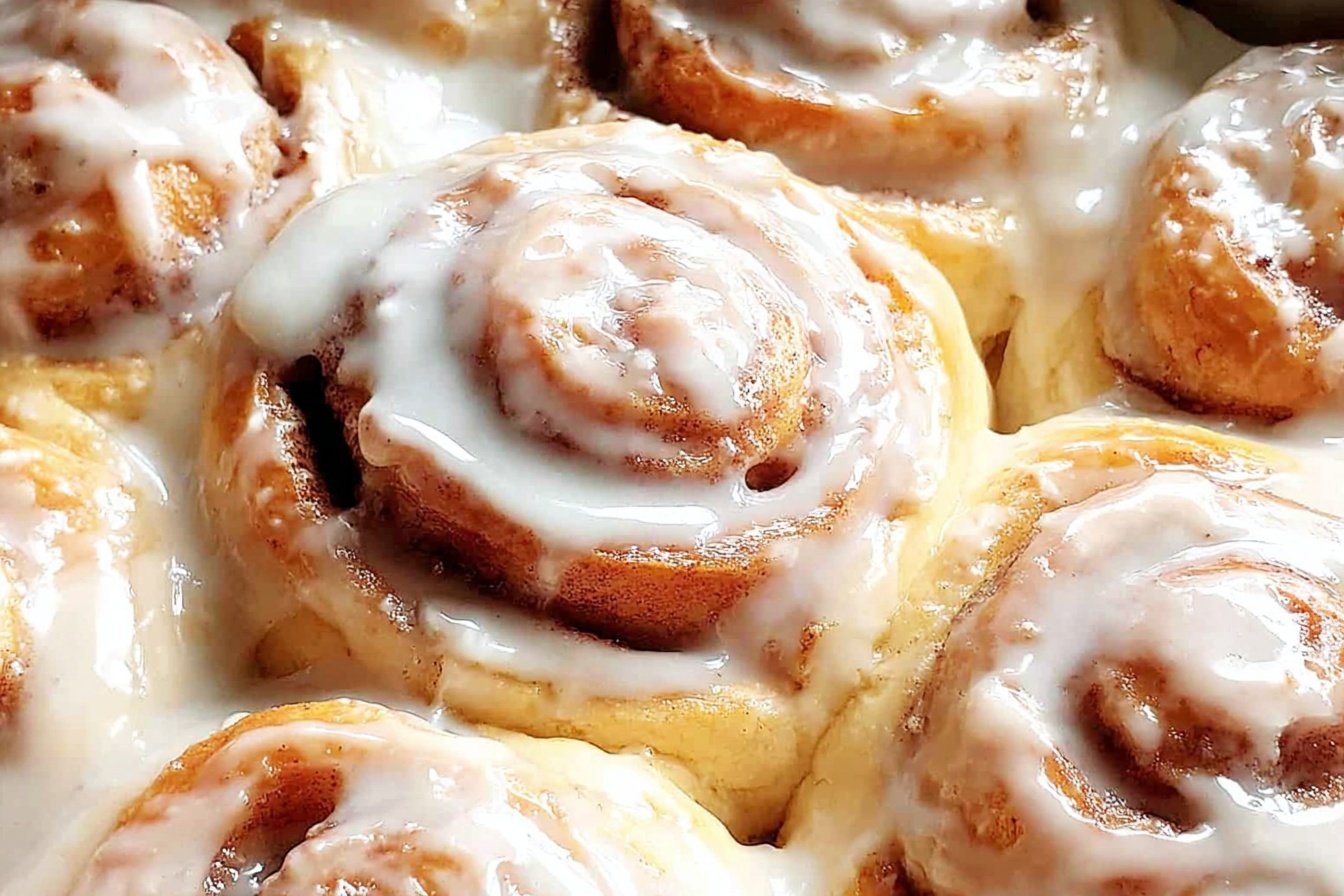
Why You’ll Love This Homemade Cinnamon Rolls
If you’ve ever dreamed of making soft, gooey cinnamon rolls that bring your family running to the table, this recipe is just what you need I’ll walk you through every step so you feel confident, whether you’re a seasoned baker or just getting started. These homemade cinnamon rolls deliver bakery-quality results right from your kitchen, and the best part is how approachable this recipe truly is.
Here’s what makes this recipe so special:
- Ease of Preparation: Despite their impressive appearance, these rolls come together with straightforward steps and basic ingredients you likely already have. The dough comes together in a stand mixer, and the total time from start to finish is under two hours. Even beginners can achieve fluffy, professional-looking results with the clear guidance provided.
- Irresistible Flavor and Texture: The combination of warm cinnamon, rich brown sugar, and buttery filling creates that classic gooey swirl everyone craves. The secret ingredient heavy cream poured over the unbaked rolls produces a caramelized bottom layer that makes these rolls unforgettable. Topped with creamy maple or vanilla frosting, every bite melts in your mouth.
- Versatility for Every Occasion: These rolls work beautifully for holiday mornings, weekend brunches, or special celebrations. They can be prepared ahead and refrigerated overnight for stress-free entertaining, making them perfect for busy hosts who still want to impress their guests.
- Make-Ahead Convenience: Life gets busy, and this recipe understands that. You can prepare the dough, shape the rolls, and refrigerate them overnight for fresh-baked goodness in the morning. The dough also freezes beautifully, so you can always have homemade cinnamon rolls ready for unexpected guests or lazy Sunday mornings.
Jump To
- 1. Why You’ll Love This Homemade Cinnamon Rolls
- 2. Essential Ingredients for Homemade Cinnamon Rolls
- 3. How to Prepare the Perfect Homemade Cinnamon Rolls: Step-by-Step Guide
- 4. Dietary Substitutions to Customize Your Homemade Cinnamon Rolls
- 5. Mastering Homemade Cinnamon Rolls: Advanced Tips and Variations
- 6. How to Store Homemade Cinnamon Rolls: Best Practices
- 7. FAQs: Frequently Asked Questions About Homemade Cinnamon Rolls
- 8. Homemade Cinnamon Rolls
Essential Ingredients for Homemade Cinnamon Rolls
Gathering the right ingredients is the foundation of any successful baking project. This recipe uses simple pantry staples, but each one plays a crucial role in creating those perfectly soft, pillowy rolls with the signature gooey filling.
Dough Ingredients
- 1 cup warm milk (115 degrees Fahrenheit) Provides the liquid base and activates the yeast. The temperature is critical: too hot kills the yeast, too cold and it won’t bloom properly. 2% milk or whole milk works best, but non-dairy alternatives like almond or coconut milk can also be used.
- 2 1/2 teaspoons instant dry yeast The leavening agent that makes the dough rise and creates that light, airy texture. Instant yeast doesn’t require dissolving, but blooming it in warm milk ensures it’s active before mixing.
- 2 large eggs at room temperature Add structure, richness, and help bind the dough together. Room temperature eggs incorporate more evenly than cold ones.
- 1/3 cup salted butter (melted or very softened, not over 110 degrees Fahrenheit) Contributes tenderness and flavor. Keeping the butter temperature controlled prevents it from cooking the eggs or killing the yeast.
- 1/2 cup granulated sugar Feeds the yeast and adds just enough sweetness to the dough without competing with the filling.
- 1 teaspoon salt Balances the sweetness and strengthens the gluten structure in the dough.
- 4 1/2 cups bread flour (divided) Creates a chewier, fluffier texture due to its higher protein content. All-purpose flour works too, but bread flour produces superior results for cinnamon rolls from scratch.
Filling Ingredients
- 1/2 cup salted butter (almost melted) The base of the filling that creates gooey, buttery layers. Softened butter spreads easily without tearing the dough.
- 1 cup packed brown sugar Provides deep molasses flavor and creates that signature caramelized texture when baked.
- 2 tablespoons cinnamon The warm spice that defines these rolls. Fresh cinnamon delivers the best flavor.
- 1/2 cup heavy cream (for pouring over risen rolls) The secret ingredient that makes these rolls incredibly moist and creates a caramelized bottom. Alternatives include half-and-half, coffee creamer, evaporated milk, or coconut cream.
Frosting Ingredients
- 6 ounces cream cheese (softened) Creates a tangy, creamy base for the frosting that balances the sweet filling.
- 1/3 cup salted butter (softened) Adds richness and helps achieve a spreadable consistency.
- 2 cups powdered sugar Sweetens and thickens the frosting to the perfect spreading consistency.
- 1/2 tablespoon maple extract or vanilla extract Enhances the flavor profile. Maple adds a warm, autumnal note while vanilla is classic and universally loved.
Special Dietary Options
Vegan: Substitute plant-based milk (almond, oat, or soy), vegan butter, flax eggs (2 tablespoons ground flaxseed mixed with 6 tablespoons water), and dairy-free cream cheese for frosting.
Gluten-Free: Use a high-quality gluten-free all-purpose flour blend designed for yeast baking. Results may be slightly denser than traditional rolls.
Lower-Calorie: Reduce sugar in the filling by half, use low-fat cream cheese for frosting, and skip the heavy cream pour-over for a lighter version.
How to Prepare the Perfect Homemade Cinnamon Rolls: Step-by-Step Guide
Creating homemade cinnamon rolls may seem intimidating, but breaking it down into manageable steps makes the process enjoyable and foolproof. Follow these detailed instructions, and you’ll have bakery-quality rolls fresh from your oven in about an hour and forty-five minutes.
Step 1: Activate the Yeast
Pour 1 cup of warm milk (115 degrees Fahrenheit) into the bowl of your stand mixer. Sprinkle 2 1/2 teaspoons of instant dry yeast over the surface of the milk. Let this mixture sit for 3-4 minutes until it becomes frothy and bubbly on the surface. This step confirms your yeast is alive and ready to work. If you see no foam after 5 minutes, your yeast may be expired start fresh with new yeast.
Step 2: Mix the Wet Ingredients
Add 2 room temperature eggs, 1/3 cup melted or very softened salted butter, and 1/2 cup granulated sugar to the yeast mixture. Mix with the beater blade on low speed until everything is combined, about 30 seconds. The mixture should look slightly frothy and well-blended. Room temperature eggs are essential here cold eggs can seize the butter and create an uneven mixture. To quickly bring eggs to room temperature, place them in a bowl of warm water for 5 minutes before cracking.
Step 3: Add Dry Ingredients and Rest
Add 1 teaspoon of salt and 4 cups of bread flour to the wet mixture. Mix with the beater blade just until combined don’t overmix at this stage. The dough will look shaggy and rough. Let the mixture rest for 5 minutes. This resting period allows the flour to hydrate and the gluten to begin developing, making the kneading process more effective.
Step 4: Knead the Dough
Remove the beater blade and attach the dough hook to your stand mixer. Knead the dough on medium speed for 5-7 minutes. While kneading, gradually add up to 1/2 cup more flour only if needed. The finished dough should be elastic, smooth, and slightly tacky to the touch. It should pass the windowpane test you can stretch a small piece thin enough to see light through it without tearing. Keep in mind that the dough should remain somewhat sticky; adding too much flour results in dense, dry rolls.
Step 5: First Rise
Spray a large bowl with cooking spray and transfer the dough into it. Cover with a clean kitchen towel or wax paper. Place the bowl in a warm, draft-free spot and let the dough rise until doubled in size, approximately 30 minutes. If your kitchen is cold, you can create a warm environment by briefly warming your oven to 100 degrees Fahrenheit, turning it off, and placing the covered bowl inside. Proper rising is essential for achieving those fluffy layers that make easy homemade cinnamon rolls so irresistible.
Step 6: Prepare the Filling
While the dough rises, prepare the cinnamon filling. Mix 1/2 cup almost-melted salted butter with 1 cup packed brown sugar and 2 tablespoons of cinnamon in a medium bowl. Stir until smooth and spreadable. The mixture should have the consistency of a thick paste. If your kitchen is warm, you may need to refrigerate it briefly to firm it up slightly.
Step 7: Roll and Fill the Dough
Once the dough has doubled, punch it down gently to release excess air. Transfer it to a lightly floured surface and roll it into a rectangle approximately 24 inches by 15 inches. Keep the thickness even throughout about 1/4 inch thick works best. Spread the cinnamon filling evenly over the entire surface of the dough, leaving a small 1/4-inch border on one long edge. This border helps seal the roll when you’re done.
Step 8: Shape and Cut the Rolls
Starting from the long side opposite your clean border, roll the dough tightly in a jelly-roll fashion. Pinch the seam to seal it closed. Using unflavored dental floss or a sharp knife, cut the log into 12 even slices. Dental floss works wonderfully because it doesn’t squish the rolls like a knife might simply slide the floss under the dough, cross the ends over the top, and pull tight to make a clean cut. Arrange the slices in a greased 9×13 inch baking pan.
Step 9: Second Rise
Cover the pan and let the rolls rise for 20 minutes while you preheat your oven to 375 degrees Fahrenheit. The rolls should puff up slightly but won’t double in size during this shorter rise. Don’t skip this step it ensures the rolls bake up light rather than dense.
Step 10: Add the Secret Ingredient
Warm 1/2 cup of heavy cream until it’s warm to the touch not hot. Pour it evenly over the risen rolls, allowing it to soak into the dough and pool slightly at the bottom of the pan. This step is what creates that signature gooey caramel bottom and keeps the rolls incredibly moist. As noted in expert baking resources, this technique transforms ordinary cinnamon rolls into something truly extraordinary.
Step 11: Bake the Rolls
Bake the rolls at 375 degrees Fahrenheit for 25 minutes until lightly golden and cooked through. Check them at the 20-minute mark if they’re browning too quickly, cover loosely with aluminum foil for the remaining bake time. The internal temperature of the center roll should reach 190 degrees Fahrenheit for perfectly baked results.
Step 12: Make the Frosting
While the rolls cool, prepare the frosting. Combine 6 ounces of softened cream cheese and 1/3 cup softened salted butter in a bowl. Beat with a hand mixer until smooth and creamy. Add 1/2 tablespoon of maple extract or vanilla extract and 2 cups of powdered sugar. Beat until fluffy and spreadable, about 2-3 minutes.
Step 13: Frost and Serve
Spread the frosting over the cooled rolls for a classic finish, or spread it while they’re still warm for a softer, more melty topping that seeps into the swirls. Serve immediately and enjoy!

Dietary Substitutions to Customize Your Homemade Cinnamon Rolls
Protein and Main Component Alternatives
For those with dietary restrictions or ingredient availability issues, several substitutions work well in this recipe. The eggs can be replaced with flax eggs (2 tablespoons ground flaxseed mixed with 6 tablespoons water, let sit for 5 minutes) for a vegan option, though this may slightly alter the texture. For the cream cheese frosting, dairy-free alternatives like cashew-based cream cheese or vegan cream cheese products work surprisingly well. Plant-based butter substitutes can replace traditional butter throughout the recipe just choose one designed for baking.
If bread flour isn’t available, all-purpose flour produces softer rolls, though they may be slightly less chewy. For a protein boost, some bakers add 2 tablespoons of vital wheat gluten to all-purpose flour to mimic bread flour’s properties. Those watching their sugar intake can reduce the brown sugar in the filling by half and substitute the granulated sugar with a sugar alternative that measures 1:1 in baking.
Vegetable, Sauce, and Seasoning Modifications
While traditional cinnamon rolls don’t contain vegetables, creative variations can incorporate nutritious additions. Finely grated carrots or zucchini (squeezed of excess moisture) can be added to the dough for extra moisture and subtle sweetness about 1/2 cup works well. The cinnamon in the filling pairs beautifully with other warm spices like nutmeg, cardamom, or ginger for a more complex flavor profile.
For the heavy cream pour-over, alternatives include half-and-half for a lighter version, evaporated milk for richness, coconut cream for a tropical twist, or even coffee creamer for added flavor. Each substitution brings its own unique character to the final product while maintaining that essential moisture.
According to research on cinnamon, this beloved spice offers potential health benefits including anti-inflammatory properties and blood sugar regulation, making these rolls a more wholesome indulgence than many realize.
Mastering Homemade Cinnamon Rolls: Advanced Tips and Variations
Once you’ve mastered the basic homemade cinnamon rolls recipe, you can explore advanced techniques and creative variations to keep things exciting. These tips help ensure consistent success and inspire new flavor adventures.
Pro Cooking Techniques
- Temperature Control: Use an instant-read thermometer to verify your milk temperature. Yeast dies above 140 degrees Fahrenheit but remains dormant below 95 degrees. The sweet spot of 110-115 degrees Fahrenheit ensures activation.
- Kneading Consistency: The dough should clean the sides of the bowl but still stick slightly to the bottom. If it’s completely clean, you’ve added too much flour.
- Proofing Environment: Create a proofing box by placing a pan of hot water in the oven with your covered dough. The humidity and warmth speed up rising time.
- Rise Timing: Watch the dough, not the clock. Rise times vary based on kitchen temperature and humidity. The dough is ready when it’s doubled and a finger indentation remains.
Flavor Variations
The beauty of cinnamon rolls lies in their adaptability. Try adding 1/2 cup chopped pecans or walnuts to the filling for crunch. For a citrus twist, add 1 tablespoon of fresh orange zest to the dough and substitute orange juice for the heavy cream pour-over. Chocolate lovers can spread Nutella over the dough before adding the cinnamon filling.
Presentation Tips
For bakery-style presentation, bake the rolls in a round cake pan for a pull-apart effect. Drizzle frosting in a back-and-forth pattern for professional-looking results. Garnish with a sprinkle of cinnamon, chopped nuts, or a light dusting of powdered sugar. Serve warm on a beautiful platter the frosting should be slightly melty and the aroma irresistible.
Make-Ahead Options
For busy mornings, prepare the rolls completely, cover tightly, and refrigerate overnight. Bring them to room temperature for 30 minutes before adding the heavy cream and baking. Alternatively, freeze shaped rolls before the second rise. Thaw overnight in the refrigerator, then rise and bake as directed. For another delicious make-ahead breakfast option, check out this blueberry cottage cheese breakfast bake that’s perfect for feeding a crowd.
How to Store Homemade Cinnamon Rolls: Best Practices
Proper storage keeps your homemade cinnamon rolls tasting fresh and delicious for days, though they rarely last that long!
Refrigeration
For short-term storage, place completely cooled rolls in an airtight container or cover the baking pan tightly with plastic wrap. Store at room temperature for up to 2 days or refrigerate for up to 5 days. The frosting may firm up in the refrigerator simply let the rolls come to room temperature for 15-20 minutes before serving, or microwave individual rolls for 15-20 seconds for that fresh-baked warmth.
Freezing
For longer storage, freeze baked rolls for up to 3 months. Cool completely, then wrap individually or in groups of 2-3 in plastic wrap and place in a freezer bag. Remove as much air as possible to prevent freezer burn. Thaw overnight in the refrigerator or at room temperature for 2-3 hours. Reheat in a 350 degrees Fahrenheit oven for 8-10 minutes or microwave individual rolls for 20-30 seconds.
Reheating
The best reheating method depends on whether the rolls are frosted. Unfrosted rolls reheat beautifully in a 350 degrees Fahrenheit oven for 5-7 minutes. For frosted rolls, tent with foil and warm at 325 degrees Fahrenheit for 10-12 minutes. The foil prevents the frosting from browning too quickly while heating the rolls through.
Meal Prep Considerations
For planned-ahead brunches or celebrations, prepare the rolls to the second rise stage, cover tightly with plastic wrap, and refrigerate overnight. In the morning, add the heavy cream and bake as directed. This method produces the freshest results. Similarly, you might enjoy preparing this sweet Alabama pecan bread alongside your rolls for a complete brunch spread.
FAQs: Frequently Asked Questions About Homemade Cinnamon Rolls
What goes into cinnamon roll filling?
Cinnamon roll filling starts with three simple ingredients: softened butter, brown sugar, and ground cinnamon. Mix 1/2 cup softened butter with 1 cup packed brown sugar and 2-3 tablespoons cinnamon until smooth and spreadable. Spread this evenly over your rolled-out dough, leaving a small border. For extra texture, fold in 1/2 cup raisins, chopped pecans, or walnuts. This creates the signature gooey, spiced swirl. Avoid overfilling to prevent leaks during baking. Pro tip: Use dark brown sugar for deeper molasses flavor, and room-temperature butter ensures easy spreading without tearing the dough. This filling bakes into caramelized layers that pair perfectly with cream cheese icing. (92 words)
How do you make overnight cinnamon rolls?
Prepare your homemade cinnamon rolls up to the shaping stage: roll out dough, add filling, roll up, slice, and place in a greased pan. Cover tightly with plastic wrap and refrigerate overnight. In the morning, check if they’ve doubled in size. If puffed, let sit 30 minutes at room temp to warm up. If not risen, proof at room temperature for 45-60 minutes until doubled. Bake at 350°F for 20-25 minutes. This method fits busy schedules, yielding fresh rolls with minimal morning effort. Brush with warm heavy cream before baking for extra softness. (98 words)
Can you freeze cinnamon roll dough before baking?
Yes, freeze unbaked cinnamon rolls for up to 3 months. Shape rolls after slicing, place on a parchment-lined pan, and freeze solid for 1-2 hours. Transfer to a freezer bag, squeezing out air. To bake, thaw overnight in the fridge. Let rise at room temperature for 1-2 hours until doubled. Pour warm heavy cream over them, then bake at 350°F for 22-27 minutes until golden. This preserves fresh-baked taste—ideal for holidays. Label bags with date; avoid refreezing thawed dough. Thawing slowly prevents dense texture. (92 words)
Why aren’t my homemade cinnamon rolls fluffy?
Flat cinnamon rolls often stem from inactive yeast or poor rising. Test yeast by blooming it in warm (110°F) milk with sugar—if no foam in 5-10 minutes, it’s dead; replace it. Use bread flour (higher protein) for better structure over all-purpose. Knead dough 8-10 minutes until smooth and elastic. Proof in a warm spot (75-85°F); cold drafts kill rise. Over-rolling thins dough—aim for 1/4-inch thickness. Don’t skip the second rise. For fluffiest results, add 1/4 cup potato flakes to dough. Bake immediately after rising to avoid deflation. (96 words)
Can you make cinnamon rolls without heavy cream?
Absolutely, skip heavy cream for dairy-free or lighter rolls, though they’ll be less gooey. Pour 1/2 cup warm alternatives like whole milk, half-and-half, evaporated milk, coconut cream, or coffee creamer over rolls before baking at 350°F. Warm it first (touch-temperature, not hot) to avoid shocking the dough and halting rise. This step creates steam for tenderness without sogginess. Without it, rolls bake faster (18-22 minutes). For vegan options, use plant-based creamers. Test doneness with a toothpick—center should be soft but not doughy. Adjust icing for balance. (98 words)

Homemade Cinnamon Rolls
- Total Time: 1 hour 45 minutes
- Yield: 12 rolls
- Diet: Vegetarian
Description
🥐 Gooey homemade cinnamon rolls with gooey cinnamon filling and cream cheese frosting – fluffy, soft copycat bliss!
🧈 Heavy cream soak creates caramel bottoms; indulgent breakfast treat ready in under 2 hours!
Ingredients
– 1 cup warm milk (115 degrees Fahrenheit)
– 2 1/2 teaspoons instant dry yeast
– 2 large eggs at room temperature
– 1/3 cup salted butter (melted or very softened, not over 110 degrees Fahrenheit)
– 1/2 cup granulated sugar
– 1 teaspoon salt
– 4 1/2 cups bread flour (divided)
– 1/2 cup salted butter (almost melted)
– 1 cup packed brown sugar
– 2 tablespoons cinnamon
– 1/2 cup heavy cream (for pouring over risen rolls)
– 6 ounces cream cheese (softened)
– 1/3 cup salted butter (softened)
– 2 cups powdered sugar
– 1/2 tablespoon maple extract or vanilla extract
Instructions
1-Step 1: Activate the Yeast Pour 1 cup of warm milk (115 degrees Fahrenheit) into the bowl of your stand mixer. Sprinkle 2 1/2 teaspoons of instant dry yeast over the surface of the milk. Let this mixture sit for 3-4 minutes until it becomes frothy and bubbly on the surface. This step confirms your yeast is alive and ready to work. If you see no foam after 5 minutes, your yeast may be expired start fresh with new yeast.
2-Step 2: Mix the Wet Ingredients Add 2 room temperature eggs, 1/3 cup melted or very softened salted butter, and 1/2 cup granulated sugar to the yeast mixture. Mix with the beater blade on low speed until everything is combined, about 30 seconds. The mixture should look slightly frothy and well-blended. Room temperature eggs are essential here cold eggs can seize the butter and create an uneven mixture. To quickly bring eggs to room temperature, place them in a bowl of warm water for 5 minutes before cracking.
3-Step 3: Add Dry Ingredients and Rest Add 1 teaspoon of salt and 4 cups of bread flour to the wet mixture. Mix with the beater blade just until combined don’t overmix at this stage. The dough will look shaggy and rough. Let the mixture rest for 5 minutes. This resting period allows the flour to hydrate and the gluten to begin developing, making the kneading process more effective.
4-Step 4: Knead the Dough Remove the beater blade and attach the dough hook to your stand mixer. Knead the dough on medium speed for 5-7 minutes. While kneading, gradually add up to 1/2 cup more flour only if needed. The finished dough should be elastic, smooth, and slightly tacky to the touch. It should pass the windowpane test you can stretch a small piece thin enough to see light through it without tearing. Keep in mind that the dough should remain somewhat sticky; adding too much flour results in dense, dry rolls.
5-Step 5: First Rise Spray a large bowl with cooking spray and transfer the dough into it. Cover with a clean kitchen towel or wax paper. Place the bowl in a warm, draft-free spot and let the dough rise until doubled in size, approximately 30 minutes. If your kitchen is cold, you can create a warm environment by briefly warming your oven to 100 degrees Fahrenheit, turning it off, and placing the covered bowl inside. Proper rising is essential for achieving those fluffy layers that make easy homemade cinnamon rolls so irresistible.
6-Step 6: Prepare the Filling While the dough rises, prepare the cinnamon filling. Mix 1/2 cup almost-melted salted butter with 1 cup packed brown sugar and 2 tablespoons of cinnamon in a medium bowl. Stir until smooth and spreadable. The mixture should have the consistency of a thick paste. If your kitchen is warm, you may need to refrigerate it briefly to firm it up slightly.
7-Step 7: Roll and Fill the Dough Once the dough has doubled, punch it down gently to release excess air. Transfer it to a lightly floured surface and roll it into a rectangle approximately 24 inches by 15 inches. Keep the thickness even throughout about 1/4 inch thick works best. Spread the cinnamon filling evenly over the entire surface of the dough, leaving a small 1/4-inch border on one long edge. This border helps seal the roll when you’re done.
8-Step 8: Shape and Cut the Rolls Starting from the long side opposite your clean border, roll the dough tightly in a jelly-roll fashion. Pinch the seam to seal it closed. Using unflavored dental floss or a sharp knife, cut the log into 12 even slices. Dental floss works wonderfully because it doesn’t squish the rolls like a knife might simply slide the floss under the dough, cross the ends over the top, and pull tight to make a clean cut. Arrange the slices in a greased 9×13 inch baking pan.
9-Step 9: Second Rise Cover the pan and let the rolls rise for 20 minutes while you preheat your oven to 375 degrees Fahrenheit. The rolls should puff up slightly but won’t double in size during this shorter rise. Don’t skip this step it ensures the rolls bake up light rather than dense.
10-Step 10: Add the Secret Ingredient Warm 1/2 cup of heavy cream until it’s warm to the touch not hot. Pour it evenly over the risen rolls, allowing it to soak into the dough and pool slightly at the bottom of the pan. This step is what creates that signature gooey caramel bottom and keeps the rolls incredibly moist. As noted in expert baking resources, this technique transforms ordinary cinnamon rolls into something truly extraordinary.
11-Step 11: Bake the Rolls Bake the rolls at 375 degrees Fahrenheit for 25 minutes until lightly golden and cooked through. Check them at the 20-minute mark if they’re browning too quickly, cover loosely with aluminum foil for the remaining bake time. The internal temperature of the center roll should reach 190 degrees Fahrenheit for perfectly baked results.
12-Step 12: Make the Frosting While the rolls cool, prepare the frosting. Combine 6 ounces of softened cream cheese and 1/3 cup softened salted butter in a bowl. Beat with a hand mixer until smooth and creamy. Add 1/2 tablespoon of maple extract or vanilla extract and 2 cups of powdered sugar. Beat until fluffy and spreadable, about 2-3 minutes.
13-Step 13: Frost and Serve Spread the frosting over the cooled rolls for a classic finish, or spread it while they’re still warm for a softer, more melty topping that seeps into the swirls. Serve immediately and enjoy!
Notes
🌡️ Warm milk to exactly 115°F to activate yeast without killing it.
🧈 Keep dough slightly tacky – don’t overflour for softest rolls.
✂️ Use unflavored dental floss to cut rolls cleanly without squishing.
- Prep Time: 30 minutes
- Rise: 50 minutes
- Cook Time: 25 minutes
- Category: Breakfast
- Method: Oven
- Cuisine: American
Nutrition
- Serving Size: 1 roll
- Calories: 618
- Sugar: 47g
- Sodium: 427mg
- Fat: 28g
- Saturated Fat: 17g
- Unsaturated Fat: 11g
- Trans Fat: 0g
- Carbohydrates: 85g
- Fiber: 1g
- Protein: 7g
- Cholesterol: 109mg
Keywords: homemade cinnamon rolls, copycat cinnamon rolls, gooey cinnamon rolls, cream cheese cinnamon rolls