
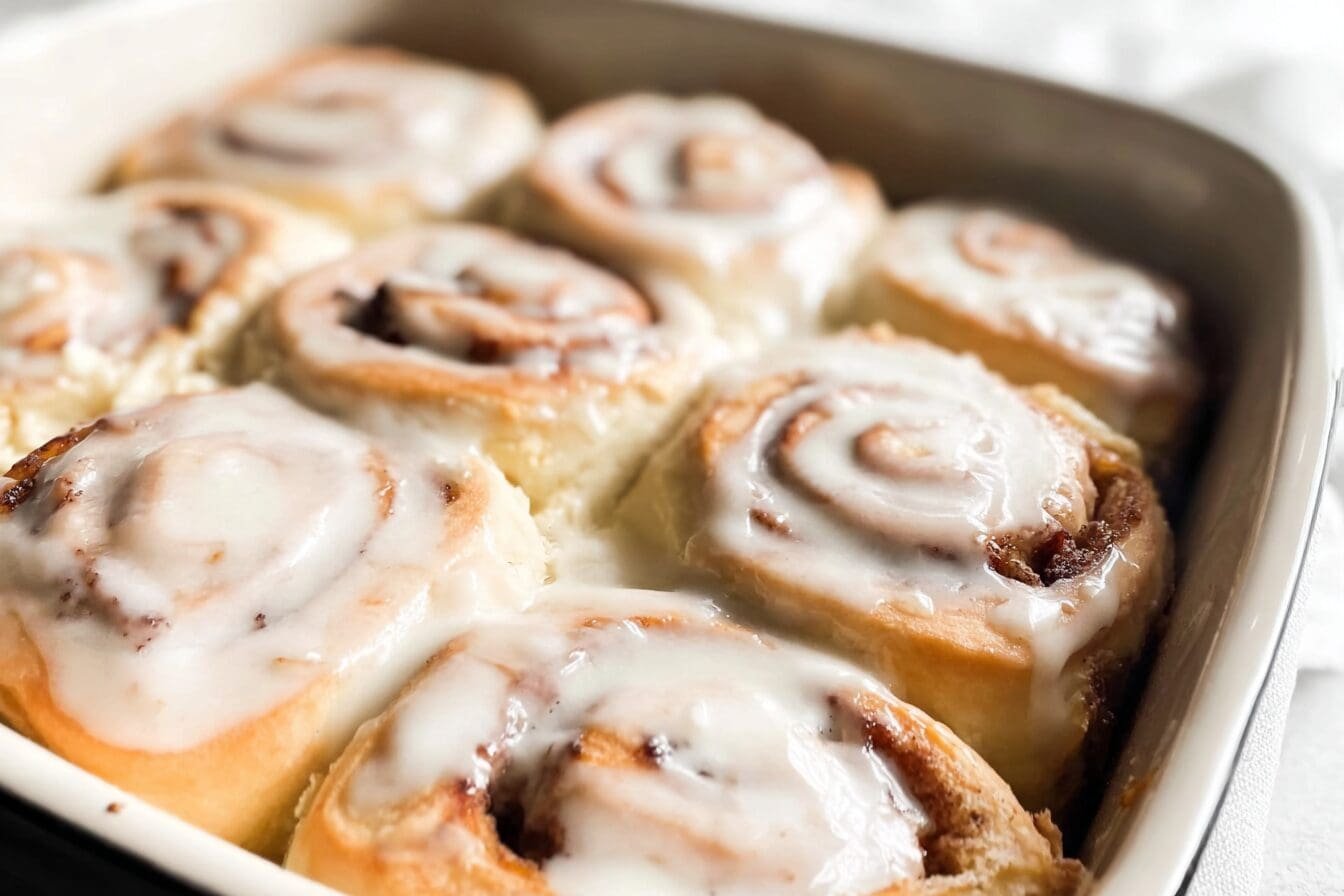
Why You’ll Love This Homemade Cinnamon Rolls
Homemade cinnamon rolls bring a cozy warmth to your kitchen, making them a favorite treat for home bakers of all levels. This recipe is designed with ease in mind, allowing even beginners to whip up soft, delicious rolls without spending all day in the kitchen. You’ll appreciate the balance of simple steps and rewarding results that fit into your busy routine.
One of the biggest draws is its health benefits, as you can tweak the ingredients to suit different needs. For instance, choosing whole ingredients helps add fiber and lets you reduce sugars for a lighter option. Plus, the rich cinnamon spice offers its own perks, like supporting digestion and adding a natural boost to your day.
Beyond that, these rolls shine in their versatility. You can easily swap items to meet dietary preferences, such as making them vegan or gluten-free, while keeping that classic fluffy texture. Whether you’re baking for a family breakfast or a quick snack, this homemade cinnamon rolls recipe adapts to create memorable moments around the table.
Benefits in Detail
- Ease of preparation: Great for busy parents or students, this recipe cuts down on complexity with straightforward instructions that lead to tasty outcomes fast.
- Health benefits: Tailor it with fiber-rich options and less sugar to make a smarter choice for diet-conscious folks or seniors.
- Versatility: It’s simple to adjust for baking enthusiasts exploring new flavors or working professionals needing quick tweaks.
- Distinctive flavor: The warm cinnamon paired with soft dough creates a comforting treat that’s perfect for food lovers and newlyweds alike.
To learn more about similar comforting bakes, check out our blueberry cottage cheese breakfast bake for another easy morning favorite.
Jump To
- 1. Why You’ll Love This Homemade Cinnamon Rolls
- 2. Essential Ingredients for Homemade Cinnamon Rolls
- 3. How to Prepare the Perfect Homemade Cinnamon Rolls: Step-by-Step Guide
- 4. Dietary Substitutions to Customize Your Homemade Cinnamon Rolls
- 5. Mastering Homemade Cinnamon Rolls: Advanced Tips and Variations
- 6. How to Store Homemade Cinnamon Rolls: Best Practices
- 7. FAQs: Frequently Asked Questions About Homemade Cinnamon Rolls
- 8. Homemade Cinnamon Rolls
Essential Ingredients for Homemade Cinnamon Rolls
Gathering the right ingredients is the first step to perfect homemade cinnamon rolls. This section lists everything you need, divided by category for clarity. Remember, using fresh items helps ensure your rolls turn out soft and flavorful every time.
Below is a comprehensive list based on the exact recipe. Each item includes precise measurements to make shopping and measuring straightforward. This setup allows you to follow along without any guesswork, whether you’re a beginner or an experienced baker.
For the Dough
- 2 and 3/4 cups all-purpose flour
- 1/4 cup granulated sugar
- 1/2 teaspoon salt
- 3/4 cup whole milk
- 3 tablespoons unsalted butter
- 2 and 1/4 teaspoons instant yeast
- 1 large egg, at room temperature
For the Filling
- 3 tablespoons unsalted butter, softened
- 1/3 cup packed light or dark brown sugar
- 1 tablespoon ground cinnamon
For the Cream Cheese Icing
- 4 ounces full-fat cream cheese, softened
- 2 tablespoons unsalted butter
- 2/3 cup confectioners’ sugar
- 1 teaspoon pure vanilla extract
This structured list covers all ingredients needed, making it easy to prepare. For more baking inspiration, explore our sweet Alabama pecan bread recipe, which pairs well with these rolls.
How to Prepare the Perfect Homemade Cinnamon Rolls: Step-by-Step Guide
Making homemade cinnamon rolls from scratch is simpler than you might think, especially with this clear guide. Start by setting up your workspace to keep everything organized and fun this is a great way to involve the family or enjoy a relaxing evening bake. Warm the milk to the right temperature to activate the yeast, setting the stage for fluffy results.
Begin with mixing the yeast into the warm milk and a bit of sugar, waiting for it to foam up. This step is key for that light, airy dough we all love. As you knead, you’ll feel the dough come together, which is so satisfying and builds your baking confidence over time.
Step-by-Step Breakdown
- First, prepare your workspace and gather all ingredients. Warm the milk to about 110°F (43°C) to activate the yeast properly.
- Second, in a large bowl, mix active dry yeast with warm milk and a teaspoon of sugar. Let it sit for 5-10 minutes until foamy.
- Third, add flour, eggs, softened butter, remaining sugar, and salt into the yeast mixture. Knead the dough for 8-10 minutes until smooth and elastic. Adjust flour for consistency.
- Fourth, cover the dough with a damp cloth and let it rise in a warm place for 1-2 hours until doubled in size. For vegan or gluten-free versions, monitor rise as timings may vary.
- Fifth, roll out the dough on a floured surface into a rectangle. Evenly spread softened butter and sprinkle the cinnamon and brown sugar filling over the dough.
- Sixth, starting from one edge, roll the dough tightly into a log. Cut into 12 equal pieces and place them in a greased baking dish.
- Seventh, cover again and allow the rolls to proof for 30-45 minutes. Preheat your oven to 350°F (175°C) during this time.
- Final, bake for 20-25 minutes until golden brown. Cool slightly before drizzling with icing or glaze. Serve warm for best flavor. Throughout the steps, adapt ingredients and proofing times for dietary needs such as vegan or gluten-free ingredients.
For more tips on baking basics, visit easy cinnamon rolls from scratch to see how others tackle similar recipes.

Dietary Substitutions to Customize Your Homemade Cinnamon Rolls
Adapting homemade cinnamon rolls for different diets is straightforward and keeps the fun in baking. Whether you’re aiming for a vegan twist or something lighter, these changes help maintain the rolls’ tasty appeal. Start by considering your main ingredients and how swaps can enhance the flavor without much effort.
For protein and main components, try these options to suit various needs. You can also modify vegetables, sauces, and seasonings to add a personal touch. These adjustments ensure everyone at the table enjoys a bite, no matter their preferences.
Substitution Ideas
- Protein and main component alternatives: Substitute eggs with flax or chia seeds mixed with water for vegan baking. Use plant-based milks like oat, almond, or soy in place of dairy milk.
- Vegetable, sauce, and seasoning modifications: Replace butter with coconut oil or vegan margarine to accommodate dairy-free diets. Incorporate alternative spices like nutmeg or cardamom to add variety. Use maple syrup or agave nectar as an alternative sweetener to refine sugar.
These substitutions keep the recipe flexible and delicious.
Mastering Homemade Cinnamon Rolls: Advanced Tips and Variations
Once you’re comfortable with the basics, take your homemade cinnamon rolls to the next level with some pro techniques. Using a stand mixer can make kneading easier and ensure a consistent texture, which is ideal for busy schedules. A cold ferment in the fridge overnight adds depth to the flavor, making your rolls even more irresistible.
Experiment with flavor variations to keep things exciting add chopped nuts or dried fruit for a fun twist. Presentation matters too, so try garnishing with icing or powdered sugar for that wow factor. Don’t forget make-ahead options like preparing dough ahead and freezing rolls for later.
Expert Advice
| Technique | Benefit |
|---|---|
| Use a stand mixer | Ensures even kneading and smooth dough |
| Cold ferment | Develops richer flavors overnight |
| Add-ins like nuts | Customizes taste for variety |
If you’re new to baking yeast-based treats, don’t worry this easy recipe breaks everything down so you’ll feel confident and enjoy soft, mouthwatering cinnamon rolls without the long wait.
How to Store Homemade Cinnamon Rolls: Best Practices
Proper storage keeps your homemade cinnamon rolls fresh and tasty for days. After baking, let them cool a bit before storing to lock in moisture. This step helps maintain that soft texture everyone loves, making it simple to enjoy them later in the week.
Consider refrigeration for short-term needs or freezing for longer storage. Reheating is easy and restores that just-baked warmth. With these tips, you can prep ahead for busy mornings or unexpected guests.
Storage Options
- Refrigeration: Store baked cinnamon rolls in an airtight container at room temperature for up to 2 days or refrigerate for up to 5 days to maintain freshness.
- Freezing: Wrap individual rolls tightly in plastic wrap and place in a freezer-safe bag for up to 3 months. Thaw overnight in the refrigerator before reheating.
- Reheating: Warm rolls gently in the microwave or oven to restore softness without drying out. Add a sprinkle of water and cover loosely for moisture retention.
- Meal prep considerations: Bake rolls in batches and freeze or refrigerate portions to accommodate busy schedules while ensuring delicious homemade cinnamon rolls are always available.
For insights on cinnamon’s health perks, check out 10 proven benefits of cinnamon to enhance your baking knowledge.

FAQs: Frequently Asked Questions About Homemade Cinnamon Rolls
How long should I let cinnamon roll dough rise for soft and fluffy results?
For soft and fluffy cinnamon rolls, allow the dough to rise until it nearly doubles in size, typically about 60–90 minutes at room temperature. This single rise time is enough for the yeast to activate and develop air pockets in the dough. Avoid rushing this step or the rolls may turn out dense. Place the dough in a warm, draft-free spot, such as inside a turned-off oven with the light on, to create an ideal rising environment.
Can I use active dry yeast instead of instant yeast in cinnamon rolls?
Yes, active dry yeast can be used as a substitute for instant yeast in a 1:1 ratio. However, active dry yeast needs to be dissolved in warm water first and may require a longer rising time since it activates more slowly. Expect the dough to take extra time to double in size, so plan accordingly to avoid under-proofed rolls.
What kind of milk should I use to make the best cinnamon roll dough?
Whole milk is best for making cinnamon roll dough because it adds richness and helps create a tender crumb. Buttermilk can also be used without altering the recipe, lending a slight tang and extra softness. Lower-fat or nondairy milks may work but can affect dough texture, and nonfat milk is not recommended as it can lead to dry rolls.
How can I prevent my cinnamon rolls from baking unevenly or puffing up too much in the center?
To avoid uneven rising or puffing, avoid rolling the dough too tightly when shaping your rolls. Also, use a pan size that comfortably fits the rolls without overcrowding. If centers puff up during baking, gently press them down with the back of a spoon while still hot to even the surface. Proper spacing and shaping ensure consistent baking.
Is it possible to prepare cinnamon roll dough in advance or freeze the rolls before baking?
Yes, cinnamon roll dough can be prepared ahead by shaping the rolls, covering them tightly, and refrigerating overnight. Before baking, allow them to rise at room temperature until puffy. Rolls can also be frozen at several stages: shaped and unrisen, partially baked and cooled, or fully baked. Each freezing method requires different thawing and baking steps to maintain texture and flavor.

Homemade Cinnamon Rolls
- Total Time: 3 hours
- Yield: 12 rolls 1x
Description
🍥 Enjoy soft, fluffy cinnamon rolls made from scratch with simple ingredients and easy steps.
🍯 This recipe delivers warm, fragrant rolls topped with creamy vanilla-cream cheese icing, perfect for breakfast or dessert.
Ingredients
2 and 3/4 cups all-purpose flour
1/4 cup granulated sugar
1/2 teaspoon salt
3/4 cup whole milk
3 tablespoons unsalted butter
2 and 1/4 teaspoons instant yeast
1 large egg, at room temperature
3 tablespoons unsalted butter, softened
1/3 cup packed light or dark brown sugar
1 tablespoon ground cinnamon
4 ounces full-fat cream cheese, softened
2 tablespoons unsalted butter
2/3 cup confectioners’ sugar
1 teaspoon pure vanilla extract
Instructions
1-First, prepare your workspace and gather all ingredients. Warm the milk to about 110°F (43°C) to activate the yeast properly.
2-Second, in a large bowl, mix active dry yeast with warm milk and a teaspoon of sugar. Let it sit for 5-10 minutes until foamy.
3-Third, add flour, eggs, softened butter, remaining sugar, and salt into the yeast mixture. Knead the dough for 8-10 minutes until smooth and elastic. Adjust flour for consistency.
4-Fourth, cover the dough with a damp cloth and let it rise in a warm place for 1-2 hours until doubled in size. For vegan or gluten-free versions, monitor rise as timings may vary.
5-Fifth, roll out the dough on a floured surface into a rectangle. Evenly spread softened butter and sprinkle the cinnamon and brown sugar filling over the dough.
6-Sixth, starting from one edge, roll the dough tightly into a log. Cut into 12 equal pieces and place them in a greased baking dish.
7-Seventh, cover again and allow the rolls to proof for 30-45 minutes. Preheat your oven to 350°F (175°C) during this time.
8-Final, bake for 20-25 minutes until golden brown. Cool slightly before drizzling with icing or glaze. Serve warm for best flavor. Throughout the steps, adapt ingredients and proofing times for dietary needs such as vegan or gluten-free ingredients.
Notes
🍞 Make sure to knead dough well for fluffy rolls.
⏳ Allow ample rising time for best texture.
❄️ Rolls can be frozen before baking; thaw and bake when ready.
- Prep Time: 20 minutes
- Rising time: 2 hours 15 minutes
- Cook Time: 25 minutes
- Category: Breakfast
- Method: Baking
- Cuisine: American
Nutrition
- Serving Size: 1 roll
Keywords: Cinnamon rolls, Homemade cinnamon rolls, Easy cinnamon rolls, Cream cheese icing