
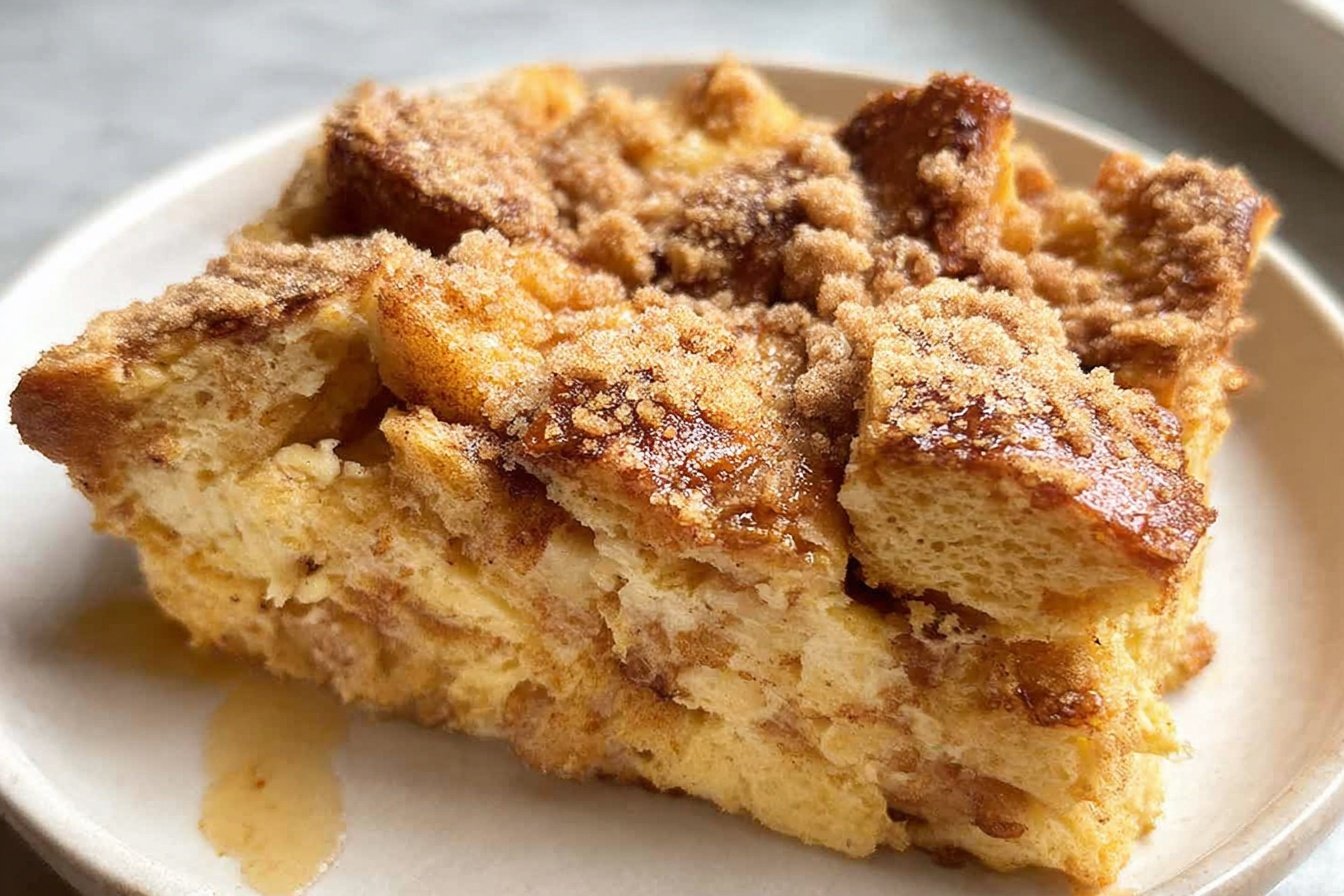
Why You’ll Love This French Toast Casserole
There’s something truly magical about waking up to a warm, cinnamon-scented breakfast that’s already ready to enjoy. This French Toast Casserole brings all the comfort of classic French toast but with a fraction of the effort. Whether you’re feeding a hungry family on a busy weekend or hosting a holiday brunch, this recipe delivers on every front.
When you start by cubing the bread and melting butter with brown sugar for the base, you’re already on your way to making a dish that feels like a warm hug on a chilly morning. The caramel-like layer at the bottom creates an irresistible sweetness that soaks into every bite.
Key Benefits of This Recipe
- Ease of preparation: With just 10 minutes of prep time and simple ingredients you likely already have in your kitchen, this easy French toast casserole comes together without any complicated steps. No standing over a hot stove flipping individual slices just assemble, bake, and serve.
- Make-ahead convenience: This make ahead French toast casserole is a game-changer for busy mornings. You can assemble everything the night before, pop it in the refrigerator, and simply bake it in the morning. It’s perfect for holiday mornings when you want to spend time with family rather than cooking.
- Versatility for everyone: Whether you need a dairy-free version, gluten-free adaptation, or want to experiment with different breads and flavors, this breakfast casserole adapts beautifully to various dietary needs and preferences.
- Irresistible flavor profile: The combination of buttery brown sugar caramel, warm cinnamon, and vanilla-infused custard creates layers of flavor that make this dish stand out from ordinary French toast recipes. Each bite offers crispy edges, soft custardy centers, and a sweet caramel finish.
Quick Overview: This French Toast Casserole serves 8-10 people, takes just 40 minutes total (10 prep + 30 cook), and delivers only 382 calories per serving with 9g of protein to start your day right.
Jump To
- 1. Why You’ll Love This French Toast Casserole
- 2. How to Prepare the Perfect French Toast Casserole: Step-by-Step Guide
- 3. Dietary Substitutions to Customize Your French Toast Casserole
- 4. Mastering French Toast Casserole: Advanced Tips and Variations
- 5. How to Store French Toast Casserole: Best Practices
- 6. FAQs: Frequently Asked Questions About French Toast Casserole
- 7. French Toast Casserole
How to Prepare the Perfect French Toast Casserole: Step-by-Step Guide
Creating the perfect baked French toast doesn’t require professional skills just a few simple steps and quality ingredients. The beauty of this French toast casserole recipe lies in its simplicity, allowing even novice cooks to achieve impressive results every single time.
Ingredients You’ll Need
Before you begin, gather all your ingredients. Using day-old or slightly stale bread is the secret to achieving the perfect texture fresh bread tends to become too soggy when soaked in the custard mixture.
- ½ loaf of French bread (about 8 oz), cut into cubes
- ½ cup butter
- 1 cup packed brown sugar
- 6 eggs
- 2 cups milk
- 2 teaspoons vanilla extract
- 2 teaspoons cinnamon, divided
- 1 tablespoon brown sugar for topping
- Powered sugar for topping, optional
Step One: Prepare Your Baking Dish and Oven
Start by preheating your oven to 425 degrees Fahrenheit. This higher temperature helps create that beautiful golden-brown crust while ensuring the inside cooks through completely. While the oven heats, butter a 13×9 inch baking pan thoroughly. Don’t skip this step the butter prevents sticking and adds flavor to the edges of your casserole.
Step Two: Create the Caramel Base
In a small saucepan over medium heat, melt the ½ cup butter. Once melted, stir in the 1 cup packed brown sugar and continue stirring until the mixture becomes smooth and glossy. This usually takes about 2-3 minutes. You’ll know it’s ready when the sugar has completely dissolved and the mixture looks like a smooth caramel sauce.
Pour this luscious mixture evenly into the bottom of your prepared baking pan. The caramel will create a sticky, sweet layer that caramelizes beautifully during baking, forming a delicious topping when the casserole is served.
Step Three: Add the Bread Layer
Scatter the bread cubes evenly over the brown sugar mixture in the baking pan. Take a moment to distribute them uniformly this ensures every serving gets an equal amount of bread and custard. If you’re using day-old French bread that’s been cubed and dried overnight, you’ll notice it feels slightly firm to the touch, which is exactly what you want for optimal sauce absorption.
For those who love variety, this recipe works beautifully with other breads too. Sourdough adds a subtle tang, brioche brings extra richness, and Italian bread provides a sturdy texture that holds up well during baking.
Step Four: Prepare the Custard Mixture
In a medium bowl, whisk together the 6 eggs, 2 cups milk, 2 teaspoons vanilla extract, and 1 teaspoon cinnamon. Whisk vigorously until the mixture is completely smooth and no streaks of egg remain. The custard should look uniform in color with tiny bubbles on the surface from the whisking action.
This vanilla and cinnamon-infused custard is what transforms ordinary bread into something extraordinary. If you’re curious about cinnamon uses, pairings, and recipes, you’ll discover how this warm spice enhances everything from breakfast dishes to desserts.
Step Five: Combine and Soak
Pour the custard mixture evenly over the bread cubes in the baking pan. Use a spatula or the back of a spoon to gently press down on the bread, ensuring every cube gets thoroughly saturated with the custard. This step is crucial dry spots mean chewy, unpleasant bites in your finished casserole.
Let the mixture sit for about 5 minutes before baking. This brief resting period allows the bread to absorb more of the custard, resulting in a creamier, more consistent texture throughout.
Step Six: Add the Finishing Touches
Sprinkle the remaining 1 teaspoon cinnamon and 1 tablespoon brown sugar evenly over the top of the casserole. This creates a beautiful spiced topping that caramelizes during baking, adding both visual appeal and an extra layer of flavor. The sugar will create slight crunch while the cinnamon infuses the top with warmth.
Step Seven: Bake to Golden Perfection
Place the baking pan in your preheated oven and bake for 25-30 minutes. You’ll know your French Toast Casserole is done when the top turns a beautiful golden brown and the custard has set completely. A knife inserted into the center should come out clean, similar to testing a cake.
Keep an eye on the casserole during the last few minutes of baking. If the top is browning too quickly, you can loosely tent it with aluminum foil for the remaining time.
Step Eight: Serve and Enjoy
Once baked, let the casserole rest for about 5 minutes before serving. This allows the caramel layer to set slightly, making it easier to serve. For an extra touch of sweetness and visual appeal, sprinkle with powdered sugar just before serving. Slice into squares and serve warm.
This dish pairs wonderfully with fresh berries, a drizzle of maple syrup, or a dollop of whipped cream. For a complete breakfast spread, consider serving it alongside something savory like this ham and cheese hash brown casserole for a perfect balance of sweet and savory.
Nutritional Information Per Serving
| Nutrient | Amount |
|---|---|
| Calories | 382 |
| Carbohydrates | 48g |
| Protein | 9g |
| Fat | 17g |
| Saturated Fat | 9g |
| Cholesterol | 159mg |
| Sodium | 328mg |
| Potassium | 198mg |
| Sugar | 32g |
| Vitamin A | 630IU |
| Calcium | 131mg |
| Iron | 1.8mg |

Dietary Substitutions to Customize Your French Toast Casserole
One of the best things about this breakfast casserole is how easily it adapts to different dietary needs and preferences. Whether you’re cooking for someone with allergies, following a specific diet, or simply wanting to try something different, these substitutions help you create a customized version that still tastes amazing.
Protein and Main Component Alternatives
The eggs and bread form the foundation of this casserole, but both can be modified based on your needs:
For gluten-free diets: Simply swap the French bread for gluten-free French bread. Many brands now offer excellent gluten-free options that mimic the texture and taste of traditional bread. Cut and prepare it the same way just remember that gluten-free bread may need slightly less soaking time as it tends to be more absorbent.
For reduced egg options: If you need to reduce the egg content, you can use a combination of whole eggs and egg whites. Try using 4 whole eggs plus 4 egg whites to lower the cholesterol while maintaining the binding properties that eggs provide.
Dairy-Free Modifications
Making this recipe dairy-free is straightforward with these simple swaps:
- Butter substitute: Replace the ½ cup butter with equal parts coconut oil or dairy-free butter alternative. Coconut oil adds a subtle tropical note that pairs surprisingly well with the cinnamon, while dairy-free butter maintains a more traditional flavor profile.
- Milk substitute: The 2 cups of regular milk can be replaced with almond milk, coconut milk, or soy milk in a 1:1 ratio. Each brings its own subtle flavor almond milk is neutral, coconut milk adds richness, and soy milk provides protein while keeping the custard creamy.
When using plant-based milks, choose unsweetened varieties to avoid making the casserole overly sweet, especially since the brown sugar already provides significant sweetness.
Bread Alternatives for Different Flavors
While French bread creates the classic texture, experimenting with other breads can transform the flavor profile of your overnight French toast casserole:
- Sourdough: Offers a tangy flavor that cuts through the sweetness, creating a more complex taste profile
- Brioche: Adds extra richness and buttery notes, making the casserole feel more indulgent
- Italian bread: Provides a sturdy texture that holds up well during the soaking process
- Challah: Creates an exceptionally rich, tender result perfect for special occasions
For a lighter breakfast option that’s equally delicious, try this blueberry cottage cheese breakfast bake, which offers a high-protein alternative with a fruity twist.
Mastering French Toast Casserole: Advanced Tips and Variations
Once you’ve mastered the basic French toast recipe, you can start experimenting with techniques and variations that take your casserole from good to extraordinary. These insider tips come from years of testing and will help you achieve consistent, restaurant-quality results.
Pro Cooking Techniques
The bread-drying secret: For the absolute best texture, cube your bread and let it dry overnight on the counter. This removes excess moisture and allows the bread to soak up more custard without becoming mushy. If you’re short on time, spread the cubes on a baking sheet and toast them in a 350°F oven for 10-15 minutes until slightly crisp on the outside.
The overnight method: Assembling your casserole the night before does more than save time it actually improves the final result. The extended soaking time allows the flavors to penetrate every cube of bread, and the refrigerated rest helps the custard set more evenly during baking. Simply cover the unbaked casserole tightly with plastic wrap and refrigerate for up to 24 hours before baking.
Creative Flavor Variations
The basic recipe serves as a wonderful canvas for countless variations:
- Apple cinnamon: Add 1-2 diced apples to the bread layer and increase the cinnamon to 3 teaspoons. The apples soften during baking, creating pockets of fruity sweetness throughout.
- Berry bliss: Fold 1 cup of fresh or frozen blueberries, raspberries, or sliced strawberries into the bread mixture before adding the custard. The berries burst during baking, creating natural sauce pockets.
- Chocolate lovers: Sprinkle ½ cup of chocolate chips between the bread and custard layers for melty chocolate surprises in every bite.
- Nutty crunch: Add ½ cup of chopped pecans or walnuts to the topping for textural contrast and nutty flavor that complements the caramel notes.
For more inspiration, check out these creative French toast casserole recipes that showcase just how versatile this breakfast dish can be.
Presentation Tips
How you present your casserole can make it feel even more special:
- Dust generously with powdered sugar using a fine-mesh sieve for an even, snow-like coating
- Add fresh fruit arrangements sliced strawberries, blueberries, or banana rounds arranged artfully on top
- Drizzle with maple syrup in a decorative pattern just before serving
- Serve with a side of fresh whipped cream and a sprinkle of cinnamon
Make-Ahead Options for Busy Schedules
The flexibility of this recipe makes it ideal for meal planning:
Fully prepared method: Bake the casserole completely, cool, and refrigerate for up to 3 days or freeze for up to 3 months. Reheat individual portions in the microwave for 1-2 minutes or the entire casserole at 350°F for 20-30 minutes.
Assembly-only method: Prepare everything but don’t bake. Cover tightly and refrigerate overnight. In the morning, add the cinnamon-sugar topping and bake as directed. This method gives you the freshest taste with morning convenience.
How to Store French Toast Casserole: Best Practices
Proper storage ensures your easy French toast casserole stays fresh and delicious whether you’re saving leftovers or planning meals ahead. Understanding the best methods for refrigeration, freezing, and reheating helps you enjoy this breakfast favorite any day of the week.
Refrigeration Guidelines
After baking, allow your casserole to cool completely at room temperature this usually takes about 1-2 hours. Once cooled, cover the baking dish tightly with aluminum foil or transfer portions to airtight containers. Properly stored, your French Toast Casserole will keep in the refrigerator for up to 3-4 days.
For the best taste and texture, consume refrigerated portions within this timeframe. The bread may continue to soften over time, so day-old leftovers will have a more pudding-like consistency than fresh-baked casserole.
Freezing for Long-Term Storage
Your French Toast Casserole freezes exceptionally well, making it perfect for meal prep:
- After baking: Cool the casserole completely on a wire rack
- Wrap tightly: Use plastic wrap directly on the surface, then cover with heavy-duty aluminum foil or place in a freezer bag
- Label and date: Write the date on the package frozen casserole stays fresh for up to 3 months
- Portion option: For single servings, cut into individual portions before freezing for easier reheating
Reheating for Best Results
From frozen: Thaw in the refrigerator for 24 hours before reheating. Once thawed, reheat at 350°F uncovered for about 30 minutes until heated through. The internal temperature should reach 165°F for food safety.
From refrigerated: Reheat individual portions in the microwave for 1-2 minutes, or warm the entire casserole in a 350°F oven for 15-20 minutes. Covering with foil during the first half of reheating helps prevent the top from over-browning.
Meal Prep Considerations
For efficient batch cooking, consider making two casseroles at once one to enjoy immediately and one to freeze. Use disposable aluminum pans for the freezer casserole to make storage and reheating even more convenient. This strategy gives you a homemade breakfast ready any morning with just reheating required.
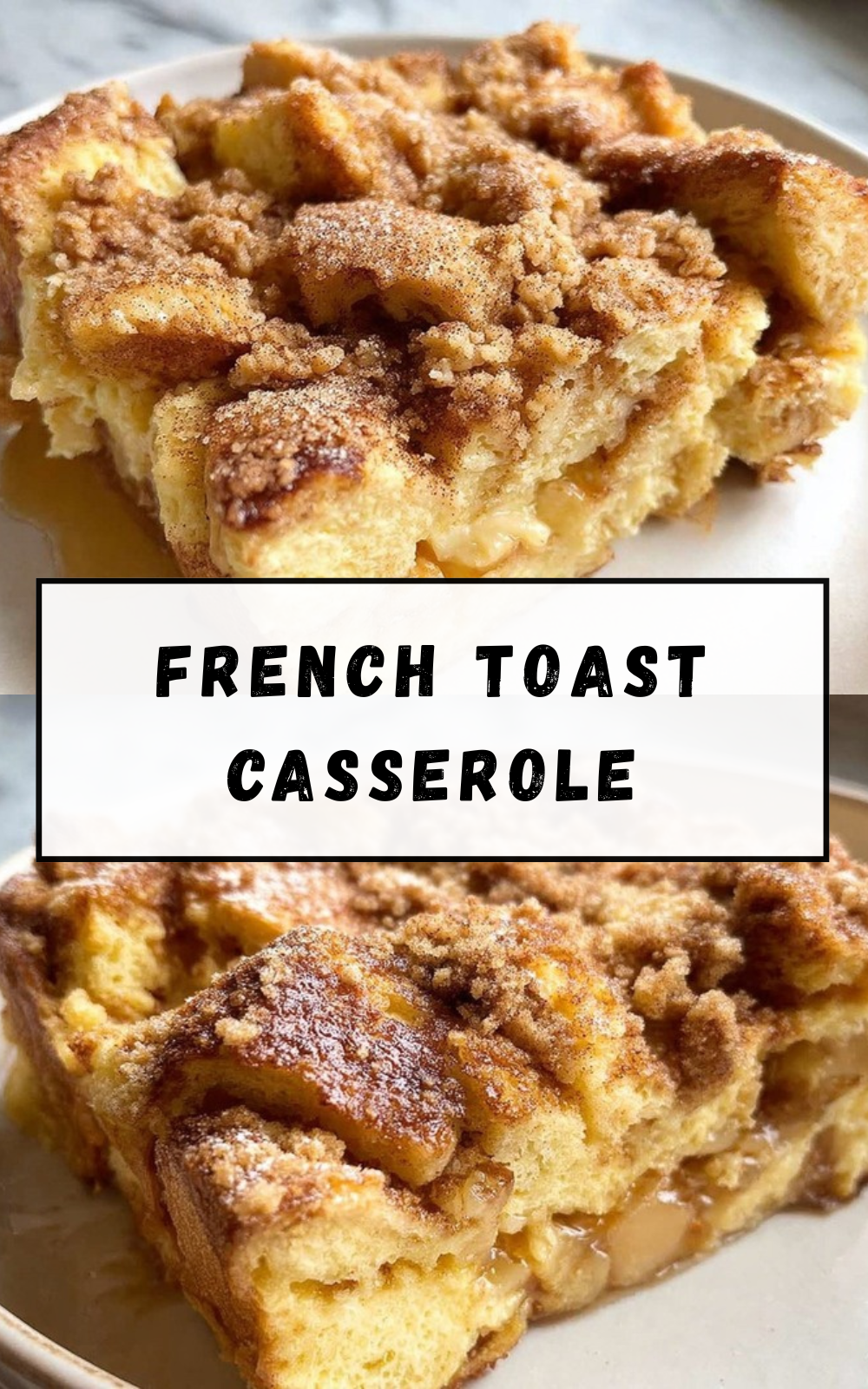
FAQs: Frequently Asked Questions About French Toast Casserole
What bread works best for French toast casserole?
The best bread for French toast casserole is day-old or slightly stale French bread, as it absorbs the custard mixture without falling apart or making the dish soggy. Cut it into 1-inch cubes for even soaking. Sourdough offers a tangy flavor, brioche adds richness, and Italian bread provides a sturdy texture—avoid fresh, soft loaves like sandwich bread. Use about 12-16 cups of cubed bread for a 9×13-inch dish serving 8-12 people. Toast the cubes lightly in the oven at 350°F for 10 minutes first to dry them out more, improving texture. This simple swap prevents mushiness and creates crispy edges after baking.
Can you make French toast casserole ahead of time?
Yes, French toast casserole is perfect for overnight prep. Assemble by cubing bread, whisking 8 eggs with 2 cups milk, 1/2 cup heavy cream, 1/2 cup sugar, vanilla, and cinnamon, then pouring over bread in a greased 9×13 dish. Cover and refrigerate up to 24 hours. In the morning, let it sit at room temperature for 30 minutes, then bake at 350°F for 45-55 minutes until golden and set (internal temp 160°F). This method saves time for brunches or holidays, allowing flavors to meld. Add streusel topping before baking for extra crunch. Serves 8-10 easily.
Can French toast casserole be frozen?
Absolutely, French toast casserole freezes well for up to 3 months. Bake fully as directed, cool completely on a wire rack, then wrap tightly in plastic wrap followed by heavy-duty foil or place in a freezer bag. Label with date. Thaw in the fridge overnight (about 24 hours). Reheat uncovered at 350°F for 25-35 minutes until heated through, or microwave individual portions. For best results, freeze in disposable aluminum pans. This makes it ideal for meal prep—portion into singles for quick breakfasts. Avoid refreezing thawed casserole to maintain texture.
How do you make gluten-free or dairy-free French toast casserole?
Adapt French toast casserole easily for gluten-free or dairy-free diets. Use gluten-free bread like Udi’s or Canyon Bakehouse French-style loaves, cubed and dried. For dairy-free, swap butter for coconut oil or vegan butter, milk for almond or oat milk (2 cups total), and heavy cream for full-fat coconut milk. Keep eggs unless veganizing further with flax eggs (1 tbsp ground flax + 3 tbsp water per egg). Follow standard recipe: soak overnight, bake at 350°F for 45-50 minutes. Top with maple syrup and fresh berries. Yields 8 servings; test for allergies as coconut can be strong. Always check labels for cross-contamination.
Why is my French toast casserole soggy and how to fix it?
Soggy French toast casserole usually results from fresh, moist bread or excess liquid. Fix by using stale or oven-dried bread cubes (bake at 350°F for 10-15 minutes). Reduce milk by 1/4 cup or increase bake time to 55-60 minutes at 350°F, tenting foil if browning too fast. Ensure bread soaks 20-30 minutes minimum before baking, pressing down to submerge. Drain excess liquid if needed. For crispier results, broil 2-3 minutes at end. Common in humid climates—let assembled dish sit uncovered in fridge overnight to dry slightly. This tweak yields perfect custardy centers with golden tops for 8-12 servings.

French Toast Casserole
- Total Time: 40 minutes
- Yield: 6 servings
- Diet: Vegetarian
Description
🍞 Caramelized French toast casserole that’s easy to make ahead – fluffy, sweet breakfast bliss for busy mornings!
🥛 Crowd-pleasing family favorite with simple prep – bake fresh or overnight soak for ultimate flavor!
Instructions
1-Step One: Prepare Your Baking Dish and Oven
Start by preheating your oven to 425 degrees Fahrenheit. This higher temperature helps create that beautiful golden-brown crust while ensuring the inside cooks through completely. While the oven heats, butter a 13×9 inch baking pan thoroughly. Don’t skip this step the butter prevents sticking and adds flavor to the edges of your casserole.
2-Step Two: Create the Caramel Base
In a small saucepan over medium heat, melt the ½ cup butter. Once melted, stir in the 1 cup packed brown sugar and continue stirring until the mixture becomes smooth and glossy. This usually takes about 2-3 minutes. You’ll know it’s ready when the sugar has completely dissolved and the mixture looks like a smooth caramel sauce.
Pour this luscious mixture evenly into the bottom of your prepared baking pan. The caramel will create a sticky, sweet layer that caramelizes beautifully during baking, forming a delicious topping when the casserole is served.
3-Step Three: Add the Bread Layer
Scatter the bread cubes evenly over the brown sugar mixture in the baking pan. Take a moment to distribute them uniformly this ensures every serving gets an equal amount of bread and custard. If you’re using day-old French bread that’s been cubed and dried overnight, you’ll notice it feels slightly firm to the touch, which is exactly what you want for optimal sauce absorption.
For those who love variety, this recipe works beautifully with other breads too. Sourdough adds a subtle tang, brioche brings extra richness, and Italian bread provides a sturdy texture that holds up well during baking.
4-Step Four: Prepare the Custard Mixture
In a medium bowl, whisk together the 6 eggs, 2 cups milk, 2 teaspoons vanilla extract, and 1 teaspoon cinnamon. Whisk vigorously until the mixture is completely smooth and no streaks of egg remain. The custard should look uniform in color with tiny bubbles on the surface from the whisking action.
This vanilla and cinnamon-infused custard is what transforms ordinary bread into something extraordinary. If you’re curious about cinnamon uses, pairings, and recipes, you’ll discover how this warm spice enhances everything from breakfast dishes to desserts.
5-Step Five: Combine and Soak
Pour the custard mixture evenly over the bread cubes in the baking pan. Use a spatula or the back of a spoon to gently press down on the bread, ensuring every cube gets thoroughly saturated with the custard. This step is crucial dry spots mean chewy, unpleasant bites in your finished casserole.
Let the mixture sit for about 5 minutes before baking. This brief resting period allows the bread to absorb more of the custard, resulting in a creamier, more consistent texture throughout.
6-Step Six: Add the Finishing Touches
Sprinkle the remaining 1 teaspoon cinnamon and 1 tablespoon brown sugar evenly over the top of the casserole. This creates a beautiful spiced topping that caramelizes during baking, adding both visual appeal and an extra layer of flavor. The sugar will create slight crunch while the cinnamon infuses the top with warmth.
7-Step Seven: Bake to Golden Perfection
Place the baking pan in your preheated oven and bake for 25-30 minutes. You’ll know your French Toast Casserole is done when the top turns a beautiful golden brown and the custard has set completely. A knife inserted into the center should come out clean, similar to testing a cake.
Keep an eye on the casserole during the last few minutes of baking. If the top is browning too quickly, you can loosely tent it with aluminum foil for the remaining time.
8-Step Eight: Serve and Enjoy
Once baked, let the casserole rest for about 5 minutes before serving. This allows the caramel layer to set slightly, making it easier to serve. For an extra touch of sweetness and visual appeal, sprinkle with powdered sugar just before serving. Slice into squares and serve warm.
This dish pairs wonderfully with fresh berries, a drizzle of maple syrup, or a dollop of whipped cream. For a complete breakfast spread, consider serving it alongside something savory like this ham and cheese hash brown casserole for a perfect balance of sweet and savory.
Notes
🍞 Cube and dry French bread overnight for perfect texture and sauce absorption.
⏰ Assemble the night before, refrigerate covered, and bake fresh in the morning.
🥛 Use dairy-free butter and milk substitutes for a vegan version.
- Prep Time: 10 minutes
- Cook Time: 30 minutes
- Category: Breakfast
- Method: Oven
- Cuisine: American
Nutrition
- Serving Size: 1 serving
- Calories: 382
- Sugar: 32g
- Sodium: 328mg
- Fat: 17g
- Saturated Fat: 9g
- Unsaturated Fat: 8g
- Trans Fat: 0g
- Carbohydrates: 48g
- Fiber: 2g
- Protein: 9g
- Cholesterol: 159mg
Keywords: french toast casserole, make ahead breakfast, easy french toast, overnight breakfast casserole