
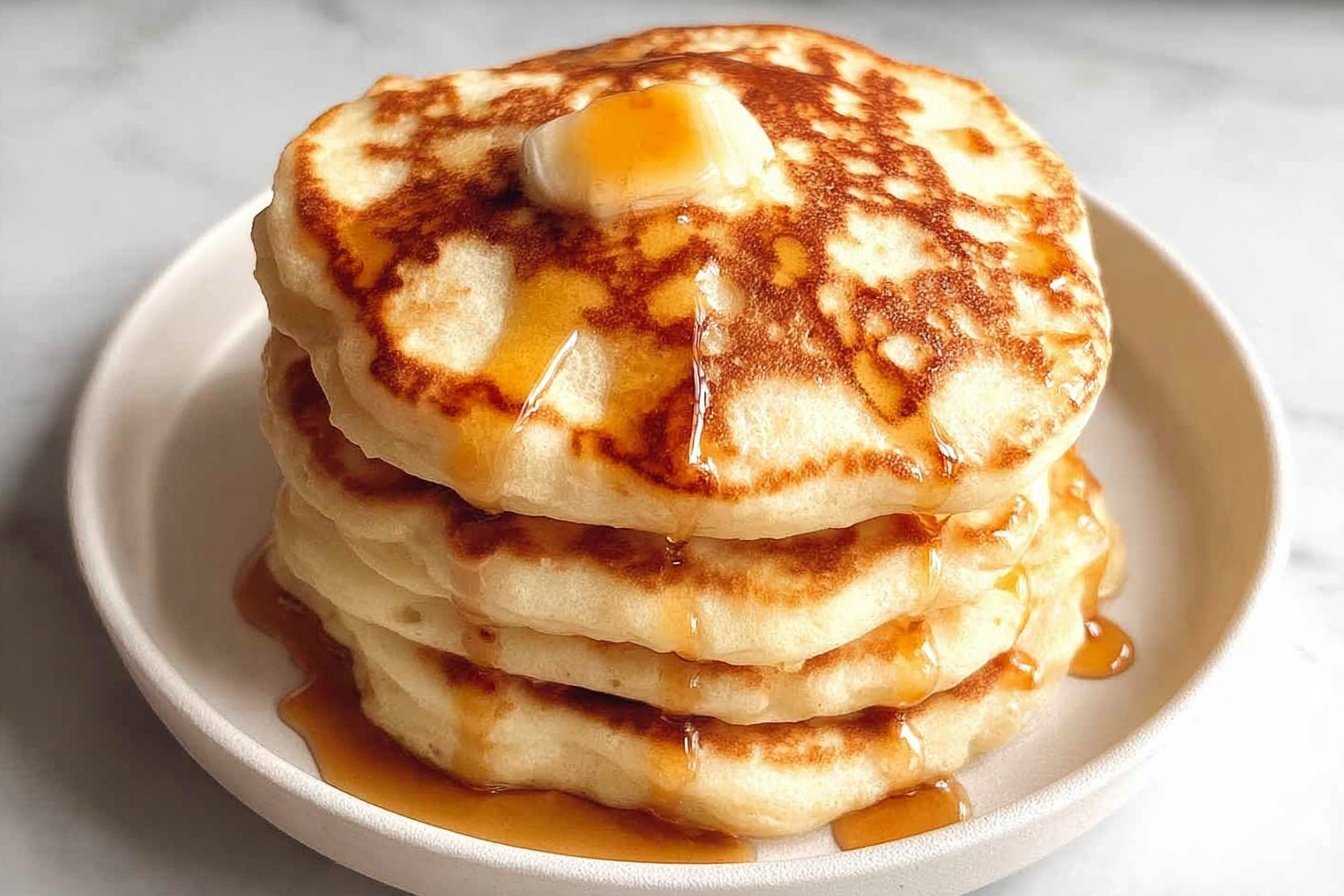
Why You’ll Love This Fluffy Eggless Pancakes
Running out of eggs doesn’t mean you have to skip pancake breakfast. In fact, these fluffy eggless pancakes might become your new go-to recipe, whether you have eggs in the fridge or not. I discovered this recipe one Sunday morning when my kids were begging for pancakes and I realized I was completely out of eggs. What started as a desperate kitchen experiment turned into a family favorite that we now make regularly.
This recipe delivers everything you want in a pancake, without a single egg in sight:
- Ease of preparation: This recipe comes together in about 10 minutes of prep time, plus another 10 minutes for the crucial batter rest. The ingredients are basic pantry staples you likely already have at home, making it perfect for those mornings when you want something special without a grocery run.
- Health benefits: Without eggs, these pancakes are naturally lower in cholesterol, making them a heart-healthy breakfast option. At only 390 calories per serving of three pancakes, they fit well into a balanced diet while still satisfying your comfort food cravings.
- Versatility: Whether you’re cooking for someone with egg allergies, following a vegetarian diet, or simply out of eggs, this recipe adapts beautifully. You can easily make it vegan by swapping dairy milk for plant-based alternatives, and the base recipe works wonderfully with all sorts of add-ins.
- Distinctive flavor: The combination of vanilla extract and melted butter creates a rich, comforting taste that pairs perfectly with maple syrup, fresh fruit, or whatever toppings your family loves. These pancakes have a tender crumb and light texture that rivals any traditional pancake recipe.
If you enjoy easy breakfast recipes like our blueberry cottage cheese breakfast bake, you’ll appreciate how simple and satisfying these pancakes are to make.
Jump To
- 1. Why You’ll Love This Fluffy Eggless Pancakes
- 2. Essential Ingredients for Fluffy Eggless Pancakes
- 3. How to Prepare the Perfect Fluffy Eggless Pancakes: Step-by-Step Guide
- 4. Dietary Substitutions to Customize Your Fluffy Eggless Pancakes
- 5. Mastering Fluffy Eggless Pancakes: Advanced Tips and Variations
- 6. How to Store Fluffy Eggless Pancakes: Best Practices
- 7. FAQs: Frequently Asked Questions About Fluffy Eggless Pancakes
- 8. Fluffy Eggless Pancakes
Essential Ingredients for Fluffy Eggless Pancakes
The beauty of this recipe lies in its simplicity. You probably have most of these ingredients in your kitchen right now, and each one plays an important role in creating those perfectly fluffy pancakes you’re after.
Main Ingredients
- 2 cups all-purpose flour – This forms the foundation of your pancakes, providing structure and that classic pancake texture we all love.
- 2 tablespoons sugar – Just enough sweetness to balance the flavors without making these pancakes overly sweet, perfect for adding your favorite toppings.
- 1 tablespoon baking powder – This is your secret weapon for fluffiness. It creates air bubbles in the batter, giving you that light, airy texture. Always choose aluminum-free baking powder to avoid any metallic aftertaste.
- Pinch of salt – A small amount enhances all the other flavors and balances the sweetness.
- 2 cups milk – The liquid base that brings everything together. Whole milk creates richer pancakes, but any milk works fine.
- 2 tablespoons water – This extra liquid helps achieve the perfect batter consistency without making it too heavy.
- 1 teaspoon vanilla extract – Adds warmth and depth to the flavor profile, making these pancakes feel special.
- 4 tablespoons melted butter – Provides richness and helps create that beautiful golden-brown exterior when cooking.
Special Dietary Options
For those with dietary restrictions, here are some easy swaps:
- Vegan option: Replace dairy milk with almond milk, oat milk, or soy milk, and swap the butter for coconut oil or a vegan butter alternative. The pancakes remain just as fluffy and delicious.
- Gluten-free option: Use a 1:1 gluten-free flour blend in place of regular flour. The texture might be slightly different, but they’ll still be tasty.
- Lower calorie option: Use low-fat milk and reduce the butter to 2 tablespoons. You can also skip the sugar if you prefer to sweeten with fruit toppings instead.
How to Prepare the Perfect Fluffy Eggless Pancakes: Step-by-Step Guide
Making these pancakes is straightforward, but following each step carefully ensures the best results. Trust me, that 10-minute rest time for the batter makes all the difference between flat, disappointing pancakes and tall, fluffy ones that impress everyone at the breakfast table.
Step One: Gather and Measure Your Ingredients
Start by measuring out all your ingredients. Accurate measurements matter more in eggless baking because you don’t have eggs to provide structure and binding. Use measuring cups and spoons, and for the flour, spoon it into your measuring cup rather than scooping directly, which can pack the flour and lead to using too much. This simple technique helps you avoid runny batter.
Have two bowls ready, one for dry ingredients and one for wet ingredients. A large mixing bowl works best for the dry ingredients since you’ll eventually combine everything in it. A medium bowl or even a large measuring cup works well for the wet ingredients.
Step Two: Mix the Dry Ingredients
In your large bowl, combine the 2 cups of all-purpose flour, 2 tablespoons of sugar, 1 tablespoon of baking powder, and that pinch of salt. Whisk these together until they’re well combined. This step ensures the baking powder and salt are evenly distributed throughout the flour, which gives you consistent results in every pancake.
Take a moment to check your baking powder. If it’s been sitting in your pantry for more than six months, it might have lost some of its leavening power. Fresh baking powder is key to getting those fluffy results you’re after.
Step Three: Combine the Wet Ingredients
In your second bowl, pour in 2 cups of milk, 2 tablespoons of water, and 1 teaspoon of vanilla extract. Add your 4 tablespoons of melted butter last, but here’s an important tip: let that melted butter cool slightly before adding it to the milk mixture. If you pour hot butter directly into cold milk, it can cause curdling, and while it won’t ruin your pancakes, it doesn’t look as nice.
Give everything a good whisk until the butter is fully incorporated into the liquid. The mixture should look smooth and slightly creamy.
Step Four: Bring It All Together
Now comes the part where many home cooks go wrong. Pour your wet ingredients into the dry ingredients and mix gently. I cannot stress this enough: do not overmix. Stir just until you don’t see any visible dry flour. A few lumps in the batter are completely fine and actually desirable.
Overmixing develops gluten in the flour, which leads to tough, chewy pancakes instead of tender, fluffy ones. When you see no more dry flour, stop mixing. Your batter will look slightly lumpy, and that’s exactly what you want.
The batter should be thick but still pourable. If it seems too thick, you can add a tablespoon of extra milk to thin it out. But remember, a thicker batter usually produces fluffier pancakes.
Step Five: The Crucial Rest Period
This is the step you should not skip. Let your batter rest at room temperature for 10 minutes. During this time, the flour absorbs the liquid and the batter thickens naturally. The baking powder also begins working, creating tiny air bubbles throughout the batter.
Think of this rest time as your secret weapon. Without eggs to provide structure, your batter needs this time to develop the right consistency. Those 10 minutes are what separate flat, sad pancakes from tall, fluffy ones. Use this time to preheat your pan or griddle over medium heat.
Step Six: Cook to Golden Perfection
Heat your non-stick pan or griddle over medium heat. You want it hot enough to cook the pancakes through, but not so hot that the outsides burn before the insides are done. Medium to medium-low heat works best for most stovetops.
Grease the pan with a little butter, oil, or cooking spray. Butter gives the best flavor and helps create that beautiful golden-brown color, but oil works too if you prefer.
Pour about 1/4 cup of batter per pancake onto your heated pan. You can spread it slightly with the back of your measuring cup or spoon if needed, but a gentle pour usually gives you a nice round shape.
Step Seven: Watch for the Signs
Cook the first side for about 2 minutes. You’ll know it’s time to flip when you see bubbles forming on the surface and the edges starting to look set and slightly dry. Wait until those bubbles have fully formed and some have started popping.
Flip carefully with a spatula and cook the second side for another 1 to 2 minutes. The second side usually cooks faster than the first. Your pancake is done when the middle feels fluffy and springs back lightly when touched.
Step Eight: Serve and Enjoy
Transfer your cooked pancakes to a plate and serve warm with whatever toppings make you happy. Maple syrup is classic, but fresh berries, whipped cream, chocolate chips, or a dusting of powdered sugar all work beautifully.
If you’re making a big batch, keep the cooked pancakes warm in a 200°F oven while you finish cooking the rest of the batter.
For more breakfast inspiration similar to this recipe, check out this helpful eggless pancakes guide that offers additional tips and variations.

Dietary Substitutions to Customize Your Fluffy Eggless Pancakes
One of the best things about this recipe is how adaptable it is. Whether you’re cooking for allergies, dietary preferences, or simply using what you have on hand, these substitutions help you create pancakes that work for your specific needs.
Protein and Main Component Alternatives
If you want to boost the protein content of your pancakes, there are several easy options. Adding a scoop of protein powder to the dry ingredients increases the protein without changing the texture much. Use unflavored or vanilla protein powder for the best taste results.
Greek yogurt can replace some of the milk for extra protein and a tangy flavor. Use 1/2 cup of Greek yogurt plus 1.5 cups of milk to maintain the right batter consistency. The yogurt also makes the pancakes slightly more filling.
For those avoiding dairy entirely, plant-based milk alternatives work perfectly. Almond milk, oat milk, and soy milk all produce good results. Oat milk tends to create slightly creamier pancakes, while almond milk keeps them lighter. Soy milk provides the most protein of the non-dairy options.
Vegetable, Sauce, and Seasoning Modifications
You can sneak some vegetables into these pancakes without anyone noticing. Grated zucchini works wonderfully. Just squeeze out the excess moisture before adding about 1/2 cup to your batter. The pancakes stay moist and gain extra nutrients.
Sweet potato or pumpkin puree can replace some of the liquid for a fall-inspired version. Use 1/2 cup of puree and reduce the milk to 1.5 cups. Add cinnamon and nutmeg for warm, cozy flavors perfect for autumn mornings.
For savory pancake lovers, reduce the sugar to 1 tablespoon and add herbs like chives, parsley, or dill. These savory versions pair well with sour cream or a fried egg on top.
If you enjoy baked goods like our rhubarb muffins, you might appreciate adding fruit variations to your pancakes as well.
Mastering Fluffy Eggless Pancakes: Advanced Tips and Variations
Once you’ve mastered the basic recipe, you can start experimenting with different flavors and techniques to make these pancakes even more special. Here are some pro tips and creative variations to try.
Pro Cooking Techniques
Temperature control is everything when making pancakes. If your first pancake comes out too dark or not cooked through, don’t worry. That first pancake is essentially a test, helping you dial in the perfect heat setting. Adjust your burner up or down based on how that first one turns out.
Use a ladle or measuring cup to pour your batter for consistent pancake sizes. A 1/4 cup measure gives you standard-sized pancakes, while a 1/3 cup creates larger, diner-style ones. Consistent sizing ensures even cooking across all your pancakes.
Don’t press down on your pancakes with the spatula while they cook. It’s tempting, but pressing deflates those beautiful air bubbles and makes the pancakes dense. Let them cook undisturbed until it’s time to flip.
Flavor Variations
The base recipe is delicious, but these variations add excitement to your breakfast routine:
- Banana pancakes: Mash one ripe banana and mix it with your wet ingredients. Reduce the milk by about 1/4 cup to account for the extra moisture. These have a subtle banana flavor and natural sweetness.
- Chocolate chip pancakes: Fold in 1/2 cup of chocolate chips after the batter has rested. Semi-sweet or dark chocolate chips work best for a breakfast treat.
- Fruit-filled pancakes: Add 1 cup of diced fresh or frozen fruit just before cooking. Blueberries are classic, but strawberries, raspberries, or even diced apples work beautifully.
- Cinnamon spice: Add 1 teaspoon of cinnamon and 1/4 teaspoon of nutmeg to your dry ingredients for warm, spicy pancakes that taste like autumn.
Presentation Tips
A beautiful stack of pancakes deserves a beautiful presentation. Start with a warm plate, which helps keep the pancakes hot longer. Stack them with a small pat of butter between each layer for extra richness.
Top with fresh berries arranged artfully around the stack, a dusting of powdered sugar, and a drizzle of maple syrup. A sprig of mint or a few edible flowers adds a restaurant-quality touch.
For family breakfasts, set up a toppings bar with various options and let everyone customize their own. It makes breakfast interactive and fun, especially for kids.
Make-Ahead Options
Busy mornings call for make-ahead solutions. You can prepare the dry ingredients the night before and store them in an airtight container. In the morning, just add the wet ingredients and you’re ready to go.
The batter can also be made ahead and stored in the refrigerator for up to 24 hours. The texture might be slightly different, but it still produces good pancakes. If the batter thickens too much overnight, add a splash of milk to loosen it before cooking.
For the ultimate convenience, cook a double batch on the weekend and freeze the extras. They reheat beautifully and make weekday breakfasts a breeze.
To learn more about the nutritional benefits of incorporating pancakes into a balanced diet, visit this resource on pancake nutrition facts.
How to Store Fluffy Eggless Pancakes: Best Practices
Proper storage keeps your leftover pancakes tasting fresh and makes meal prep worthwhile. Whether you’re saving them for tomorrow’s breakfast or next month’s quick meal, these guidelines help maintain quality.
Refrigeration
Store cooked pancakes in an airtight container in the refrigerator for up to 5 days. Place parchment paper between layers if you’re stacking them to prevent sticking. Let the pancakes cool completely before storing, as warm pancakes create condensation that makes them soggy.
Freezing
For longer storage, freeze your pancakes. Arrange them in a single layer on a baking sheet and freeze until solid, about 2 hours. Then transfer to a freezer-safe bag or container. This two-step process prevents the pancakes from freezing together in a clump.
Frozen pancakes stay good for up to 3 months. Label the container with the date so you remember when you made them.
Reheating
The best reheating method depends on how much time you have:
| Method | Time | Best For |
|---|---|---|
| Toaster | 1-2 minutes | Quick single servings, crispy edges |
| Microwave | 20-30 seconds | Soft texture, multiple pancakes |
| Oven | 5 minutes at 350°F | Large batches, even heating |
| Pan | 1 minute per side | Restoring fresh-cooked taste |
Meal Prep Considerations
If you love meal prepping, consider making a double batch every weekend. The pancakes freeze so well that you can have homemade breakfast ready in minutes all week long. Portion them out in individual servings for grab-and-go convenience.
For busy families, frozen pancakes are a lifesaver on hectic mornings. Kids can grab them straight from the freezer and pop them in the toaster, making breakfast self-serve and stress-free for parents.
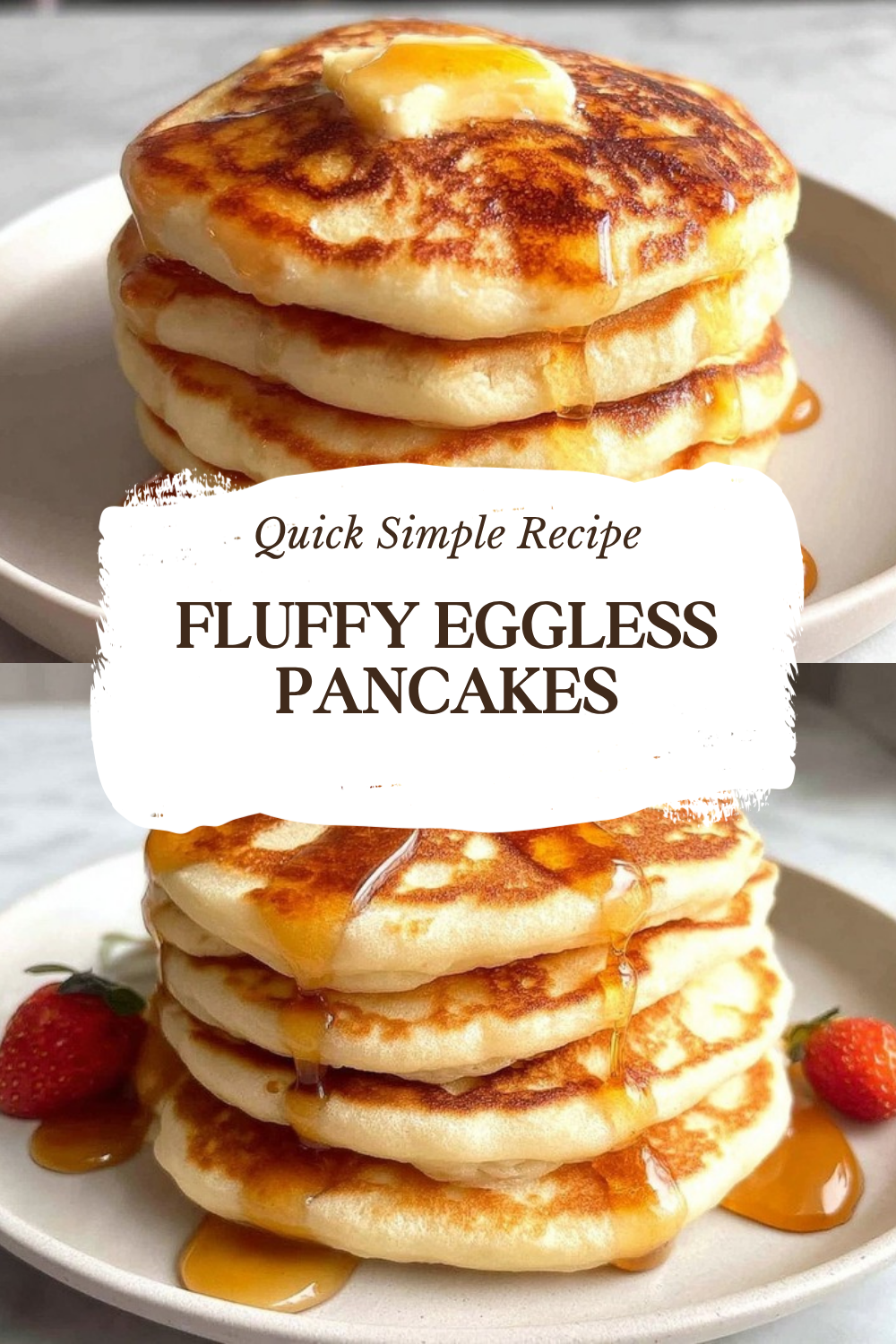
FAQs: Frequently Asked Questions About Fluffy Eggless Pancakes
Can you make fluffy pancakes without eggs?
Yes, fluffy pancakes without eggs are easy to make and taste just as good. The key is a simple batter rest: mix dry ingredients (2 cups flour, 2 tsp baking powder, pinch of salt, 2 tbsp sugar) with wet ones (1.5 cups milk, 2 tbsp melted butter, 1 tsp vanilla). Let it sit for 10 minutes to thicken naturally—no egg substitutes needed. Cook on medium heat until bubbles form, then flip. This yields light, airy pancakes in under 30 minutes. Perfect for egg allergies or vegan swaps (use plant milk). Serve with syrup or fruit for breakfast. Yields 8-10 pancakes. (72 words)
How do you make eggless pancakes fluffy?
To get fluffy eggless pancakes, rest the batter for 10 minutes after mixing. This lets flour absorb liquid and thicken it, trapping air for rise. Use 2 tsp aluminum-free baking powder for lift without metallic taste. Mix until no dry flour shows—lumps are fine, overmixing deflates air. Cool melted butter slightly before adding to prevent curdling. Cook on medium-low heat: pour 1/4 cup batter per pancake, flip when edges dry and bubbles pop. Stack and serve hot. Results in tall, soft stacks every time. (89 words)
Why are my eggless pancakes flat or runny?
Flat or runny eggless pancakes usually mean thin batter from too much liquid, under-measured flour, or skipping the rest. Measure flour by spooning into cup and leveling (don’t scoop). Use exactly 1.5 cups milk for 2 cups flour. Rest batter 10 minutes to set. If still runny, add 1-2 tbsp more flour. High heat causes uneven cooking—stick to medium, preheat pan with butter. Test first pancake; adjust as needed. These fixes turn failures into fluffy successes without eggs. (85 words)
How do you store leftover eggless pancakes?
Store cooked eggless pancakes in an airtight container in the fridge for up to 5 days—they reheat well without sogginess. For longer, freeze in a single layer on a tray, then bag for up to 3 months. Reheat in toaster, microwave (20-30 seconds), or oven at 350°F for 5 minutes. Avoid stacking warm pancakes to prevent sticking. They stay fluffy thanks to the rested batter. Great for meal prep; top with fresh berries when serving. Pro tip: portion batter and freeze uncooked for quick future batches. (92 words)
Can you add fruit or chocolate chips to eggless pancakes?
Yes, fold in mix-ins right before cooking for eggless pancakes. Add 1/2 cup chocolate chips, 1 cup diced berries/blueberries, or 1 mashed banana to rested batter. Gently fold to distribute without deflating air. Fruit releases moisture, so cook slightly longer on medium heat. For banana, reduce milk by 1/4 cup. These additions keep pancakes fluffy and add flavor bursts. Link to our banana pancake variation or berry topping guide for more ideas. Family favorite that satisfies sweet cravings egg-free. (84 words)
Fluffy Eggless Pancakes
- Total Time: 30 minutes
- Yield: 12 pancakes (4 servings)
- Diet: Vegetarian, Egg-Free
Description
🥞 Tall fluffy pancakes without eggs – light, airy breakfast treat safe for egg allergies!
🍯 Easy batter rests 10 minutes for perfect rise – ready in 20 minutes with endless toppings!
Ingredients
– 2 cups all-purpose flour
– 2 tablespoons sugar
– 1 tablespoon baking powder
– Pinch of salt
– 2 cups milk
– 2 tablespoons water
– 1 teaspoon vanilla extract
– 4 tablespoons melted butter
Instructions
1-Step One: Gather and Measure Your Ingredients Start by measuring out all your ingredients. Accurate measurements matter more in eggless baking because you don’t have eggs to provide structure and binding. Use measuring cups and spoons, and for the flour, spoon it into your measuring cup rather than scooping directly, which can pack the flour and lead to using too much. This simple technique helps you avoid runny batter. Have two bowls ready, one for dry ingredients and one for wet ingredients. A large mixing bowl works best for the dry ingredients since you’ll eventually combine everything in it. A medium bowl or even a large measuring cup works well for the wet ingredients.
2-Step Two: Mix the Dry Ingredients In your large bowl, combine the 2 cups of all-purpose flour, 2 tablespoons of sugar, 1 tablespoon of baking powder, and that pinch of salt. Whisk these together until they’re well combined. This step ensures the baking powder and salt are evenly distributed throughout the flour, which gives you consistent results in every pancake. Take a moment to check your baking powder. If it’s been sitting in your pantry for more than six months, it might have lost some of its leavening power. Fresh baking powder is key to getting those fluffy results you’re after.
3-Step Three: Combine the Wet Ingredients In your second bowl, pour in 2 cups of milk, 2 tablespoons of water, and 1 teaspoon of vanilla extract. Add your 4 tablespoons of melted butter last, but here’s an important tip: let that melted butter cool slightly before adding it to the milk mixture. If you pour hot butter directly into cold milk, it can cause curdling, and while it won’t ruin your pancakes, it doesn’t look as nice. Give everything a good whisk until the butter is fully incorporated into the liquid. The mixture should look smooth and slightly creamy.
4-Step Four: Bring It All Together Now comes the part where many home cooks go wrong. Pour your wet ingredients into the dry ingredients and mix gently. I cannot stress this enough: do not overmix. Stir just until you don’t see any visible dry flour. A few lumps in the batter are completely fine and actually desirable. Overmixing develops gluten in the flour, which leads to tough, chewy pancakes instead of tender, fluffy ones. When you see no more dry flour, stop mixing. Your batter will look slightly lumpy, and that’s exactly what you want. The batter should be thick but still pourable. If it seems too thick, you can add a tablespoon of extra milk to thin it out. But remember, a thicker batter usually produces fluffier pancakes.
5-Step Five: The Crucial Rest Period This is the step you should not skip. Let your batter rest at room temperature for 10 minutes. During this time, the flour absorbs the liquid and the batter thickens naturally. The baking powder also begins working, creating tiny air bubbles throughout the batter. Think of this rest time as your secret weapon. Without eggs to provide structure, your batter needs this time to develop the right consistency. Those 10 minutes are what separate flat, sad pancakes from tall, fluffy ones. Use this time to preheat your pan or griddle over medium heat.
6-Step Six: Cook to Golden Perfection Heat your non-stick pan or griddle over medium heat. You want it hot enough to cook the pancakes through, but not so hot that the outsides burn before the insides are done. Medium to medium-low heat works best for most stovetops. Grease the pan with a little butter, oil, or cooking spray. Butter gives the best flavor and helps create that beautiful golden-brown color, but oil works too if you prefer. Pour about 1/4 cup of batter per pancake onto your heated pan. You can spread it slightly with the back of your measuring cup or spoon if needed, but a gentle pour usually gives you a nice round shape.
7-Step Seven: Watch for the Signs Cook the first side for about 2 minutes. You’ll know it’s time to flip when you see bubbles forming on the surface and the edges starting to look set and slightly dry. Wait until those bubbles have fully formed and some have started popping. Flip carefully with a spatula and cook the second side for another 1 to 2 minutes. The second side usually cooks faster than the first. Your pancake is done when the middle feels fluffy and springs back lightly when touched.
8-Step Eight: Serve and Enjoy Transfer your cooked pancakes to a plate and serve warm with whatever toppings make you happy. Maple syrup is classic, but fresh berries, whipped cream, chocolate chips, or a dusting of powdered sugar all work beautifully. If you’re making a big batch, keep the cooked pancakes warm in a 200°F oven while you finish cooking the rest of the batter. For more breakfast inspiration similar to this recipe, check out this helpful eggless pancakes guide that offers additional tips and variations.
Notes
⏱️ Rest batter 10 minutes – essential for maximum fluffiness without eggs.
🧈 Cool melted butter slightly before adding to milk to prevent curdling.
🔥 Cook on medium-low heat; flip only when bubbles pop for even cooking.
- Prep Time: 10 minutes
- Rest: 10 minutes
- Cook Time: 10 minutes
- Category: Breakfast
- Method: Stovetop
- Cuisine: American
Nutrition
- Serving Size: 3 pancakes
- Calories: 390
- Sugar: 9g
- Sodium: 441mg
- Fat: 11g
- Saturated Fat: 7g
- Unsaturated Fat: 5g
- Trans Fat: 1g
- Carbohydrates: 52g
- Fiber: 2g
- Protein: 10g
- Cholesterol: 40mg
Keywords: fluffy eggless pancakes, pancakes without eggs, easy fluffy pancakes, egg free pancake recipe