
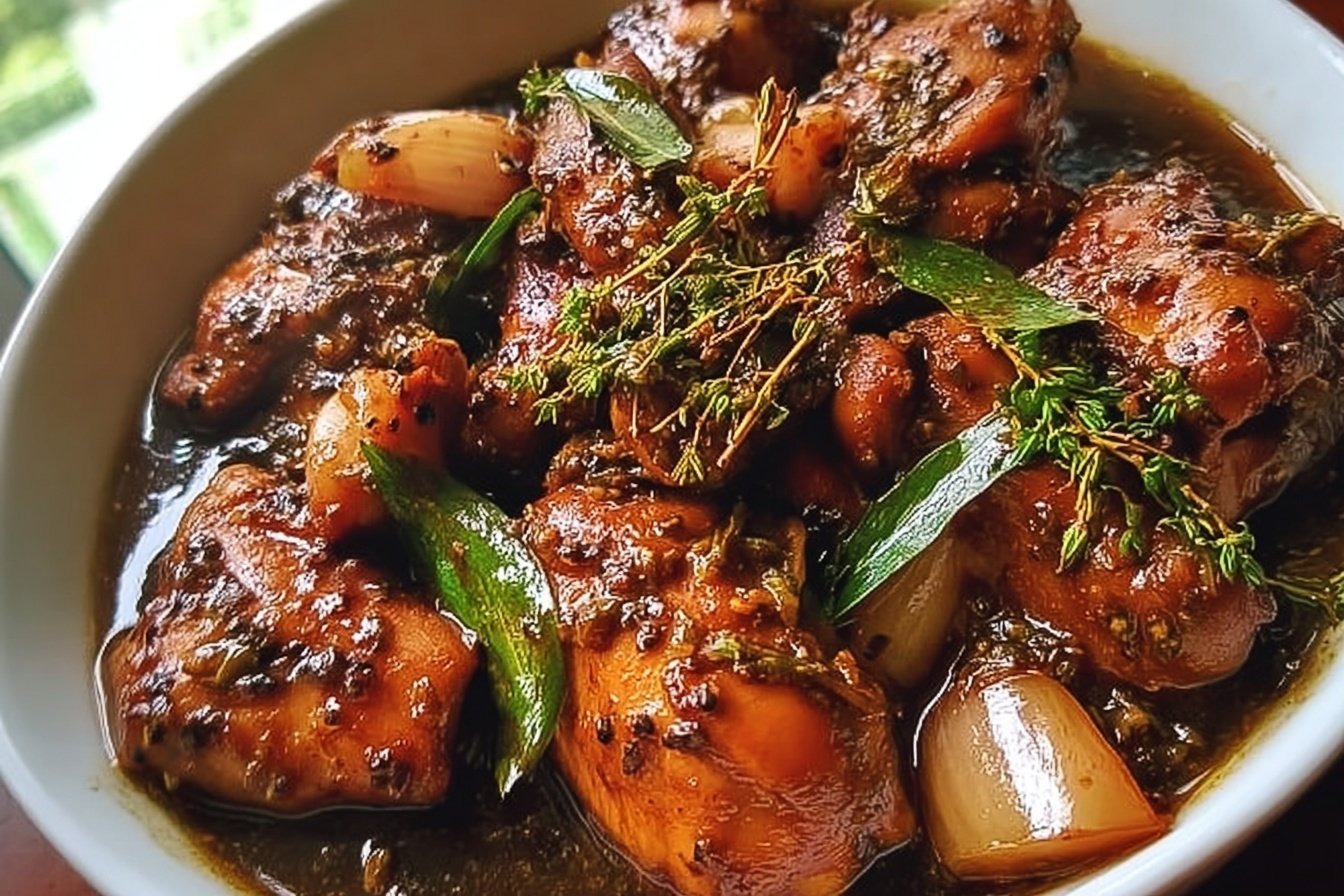
Why You’ll Love This Filipino Chicken Adobo
Filipino Chicken Adobo is the kind of dinner that tastes like you spent all day cooking, even though it comes together with simple pantry ingredients and a pretty easy process. The chicken gets marinated, seared, then simmered in a tangy, savory sauce until it turns glossy and rich. It is the perfect kind of meal for busy nights when you still want something that feels homemade and comforting.
- Easy to make: This chicken adobo recipe uses just a handful of everyday ingredients, and most of the cooking happens in one skillet. That makes cleanup easier, which is a win for home cooks, students, and working parents.
- Great for balanced meals: Boneless skinless chicken thighs bring plenty of protein, and the sauce is built with garlic, vinegar, and soy sauce for big flavor without a lot of fuss. According to the National Chicken Council’s nutrition and health information, chicken is a smart choice for meals that are both satisfying and versatile.
- Flexible for many eaters: This Filipino adobo can fit different needs with a few simple swaps. You can adjust the sugar, swap the vinegar carefully, or pair it with rice, vegetables, or lighter sides depending on your goals.
- Bold, unforgettable flavor: The mix of soy sauce, white vinegar, garlic, onion, black peppercorns, brown sugar, and bay leaves gives Filipino Chicken Adobo its signature sweet, salty, tangy bite. The sauce finishes thick and jammy, so every piece gets coated in that deep, savory glaze.
If you love a dinner that tastes even better the next day, this is your kind of recipe. The flavor settles in, the sauce gets richer, and leftovers turn into something worth looking forward to.
Jump To
- 1. Why You’ll Love This Filipino Chicken Adobo
- 2. Essential Ingredients for Filipino Chicken Adobo
- 3. How to Prepare the Perfect Filipino Chicken Adobo: Step-by-Step Guide
- 4. Protein and Main Component Alternatives
- 5. Vegetable, Sauce, and Seasoning Modifications
- 6. Mastering Filipino Chicken Adobo: Advanced Tips and Variations
- 7. How to Store Filipino Chicken Adobo: Best Practices
- 8. FAQs: Frequently Asked Questions About Filipino Chicken Adobo
- 9. Filipino Chicken Adobo
Essential Ingredients for Filipino Chicken Adobo
This authentic Filipino chicken adobo uses simple ingredients, but each one matters. The marinade gives the chicken its deep flavor, while the simmering sauce turns sticky, glossy, and packed with that classic adobo punch. Below is the full ingredient list for this traditional Filipino chicken adobo recipe, with exact measurements so you can cook it without guesswork.
Main ingredients
- 750g (1.5 lb) boneless, skinless chicken thigh fillets, about 5 to 6 pieces, for juicy meat that stays tender while the sauce reduces
- 3 garlic cloves, minced, for the marinade and a deep savory base
- 1/3 cup (85ml) all-purpose or light soy sauce, for salty umami flavor
- 1/3 cup plus 2 tbsp white vinegar, for the tangy signature adobo taste
- 4 bay leaves, fresh or dried, for earthy aroma and classic Filipino adobo flavor
- 2 tbsp oil, vegetable, canola, or peanut, separated, for searing and sautéing
- 3 garlic cloves, minced, for cooking and layering more flavor
- 1 small brown onion, diced, for sweetness and balance
- 1 1/2 cups (375 ml) water, to build the braising liquid
- 2 tbsp brown sugar, white sugar acceptable, to soften the sharpness and help create the glaze
- 1 tbsp whole black peppercorns or 2 tsp coarse cracked pepper, for warmth and that classic peppery bite
- 2 green onions or scallions, sliced for garnish, optional, for freshness and color
Special dietary options
- Vegan: Swap the chicken for extra-firm tofu, king oyster mushrooms, or soy chunks. Use tamari or coconut aminos if needed, then adjust the simmer time so the texture stays firm.
- Gluten-free: Use gluten-free soy sauce or tamari instead of regular soy sauce. The rest of the ingredients in this adobo recipe are naturally gluten-free.
- Low-calorie: Use a little less sugar, trim extra fat from the chicken, and serve with steamed vegetables or cauliflower rice instead of a large portion of white rice.
| Ingredient | Amount | Purpose |
|---|---|---|
| Chicken thigh fillets | 750g (1.5 lb) | Juicy protein base |
| Soy sauce | 1/3 cup (85ml) | Salty umami flavor |
| White vinegar | 1/3 cup plus 2 tbsp | Classic tang |
| Brown sugar | 2 tbsp | Balances acidity and helps glaze |
| Black peppercorns | 1 tbsp | Warm peppery finish |
How to Prepare the Perfect Filipino Chicken Adobo: Step-by-Step Guide
This easy chicken adobo Filipino style comes together in a few simple stages. The key is to let the chicken soak up the marinade first, then brown it quickly, and finally simmer everything until the sauce turns thick and shiny. If you are new to Filipino adobo, do not worry. The method is straightforward, and the skillet does most of the work.
First step: Mix the marinade and let the chicken rest
Place the chicken thigh fillets in a bowl or zip-top bag. Add 3 minced garlic cloves, 1/3 cup (85ml) soy sauce, 1/3 cup plus 2 tbsp white vinegar, and 4 bay leaves. Toss everything well so the chicken is coated on all sides. Let it marinate for at least 20 minutes at room temperature, or cover and refrigerate it overnight if you want deeper flavor.
This first step is where the authentic Filipino chicken adobo flavor starts building. The vinegar sharpens the sauce, the soy sauce brings salt and depth, and the bay leaves add a subtle herbal note. If you are planning ahead for a busy night, marinating early is a smart move because it saves time later and helps the chicken taste richer. For a stronger adobo taste, give the chicken a few turns in the marinade while it rests.
Second step: Sear the chicken for flavor
Heat 1 tbsp oil in a skillet over high heat. Remove the chicken from the marinade, but keep the marinade nearby because you will use it again. Sear the chicken for about 1 minute per side, just until it gets a little color, then set it aside.
This quick sear adds extra flavor to Filipino Chicken Adobo without fully cooking the meat. It also helps the final sauce cling better. Do not crowd the pan, because that can make the chicken steam instead of brown. If you are cooking for a larger group, sear in batches so each piece gets a good surface crust.
For another simple chicken dinner idea, you might also like the balsamic chicken breast recipe on my site. It is a different flavor profile, but it has that same easy weeknight comfort.
Third step: Build the sauce base
In the same skillet, add the remaining 1 tbsp oil. Sauté 3 minced garlic cloves and 1 small diced brown onion for about 1 1/2 minutes, just until fragrant and lightly softened. Then pour in the reserved marinade, 1 1/2 cups (375 ml) water, 2 tbsp brown sugar, and 1 tbsp whole black peppercorns or 2 tsp coarse cracked pepper.
Let that mixture simmer for 5 minutes. This short simmer helps the raw garlic mellow out, gives the onion time to soften, and starts the sauce in the right direction. The peppercorns create gentle heat, and the brown sugar helps balance the vinegar so the flavor lands in that sweet, salty, tangy zone that makes Filipino adobo so loved.
Fourth step: Simmer the chicken until tender
Add the chicken back to the pan, smooth side down. Let it simmer uncovered for 20 to 25 minutes, turning the pieces once around the 15-minute mark. The sauce will slowly reduce and darken while the chicken finishes cooking.
Keep an eye on the pan during this stage. Filipino Chicken Adobo should not boil wildly. A steady simmer gives you tender chicken and a sauce that becomes thick and syrupy instead of bitter. If you are using bone-in thighs or wings, add about 3/4 cup extra water and cook longer so the meat has time to become tender. If you prefer a lower-sodium version, use light soy sauce and serve the dish with extra rice or vegetables to balance the saltiness.
Final step: Reduce, glaze, and serve
When the sauce looks thick and jam-like, check the chicken for doneness. If the sauce still seems thin, remove the chicken, let the sauce reduce a little more, then return the chicken to coat. Spoon the glossy sauce over each piece and garnish with sliced green onions if you want a fresh finish. Serve Filipino Chicken Adobo over hot rice so nothing goes to waste.
The finished dish should have a thick glaze that clings to the chicken and pools a little on the rice. That is exactly what you want. It is savory, tangy, a little sweet, and deeply comforting. If you are serving guests or feeding hungry kids, this is the kind of meal that usually gets quiet at the table because everyone is too busy eating.
Cook the sauce slowly at the end. That final reduction is what turns a good adobo recipe into a great one.
Protein and Main Component Alternatives
Filipino Chicken Adobo is best known for boneless skinless chicken thighs, but you still have room to work with what you have on hand. If your fridge looks a little bare, or if you are cooking for different eating styles, these swaps can help.
- Chicken breasts: Use them only if you want a leaner option. Cook them separately so they do not dry out, then coat them in the reduced sauce at the end.
- Bone-in thighs: Great for deeper flavor. Add extra water and extend the simmer time so the meat becomes tender.
- Chicken drumsticks: Budget-friendly and hearty, though they need more time to cook through.
- Chicken wings: Good for parties or appetizers. The glaze sticks nicely to the skin.
- Tofu or mushrooms: Best for a plant-based version. Press tofu well and brown it before simmering briefly in the sauce.
If you enjoy chicken dinners with a saucy finish, you may also like the smothered chicken and rice recipe. It has a cozy, family-style feel that works well on busy nights.
Vegetable, Sauce, and Seasoning Modifications
The classic Filipino adobo sauce is built on vinegar, soy sauce, garlic, onion, black pepper, and bay leaves. Still, small changes can help it fit your pantry or your preferences better.
Vegetable swaps
- Add green beans during the last 10 minutes for a one-pan meal.
- Serve with steamed broccoli, bok choy, or cabbage on the side.
- Stir in sliced bell peppers near the end if you want a little sweetness.
Sauce adjustments
- If vinegar feels strong, start with slightly less and add more after tasting.
- If you want a sweeter glaze, add a touch more brown sugar.
- If the sauce is too salty, add a splash more water and simmer again.
Seasoning changes
- Use whole black peppercorns for subtle heat.
- Use coarse cracked pepper if you want more direct pepper flavor.
- Keep the garlic generous. It is one of the reasons Filipino chicken adobo tastes so good.
Leftover sauce also works beautifully in fried rice. Toss it with cooked rice, chopped adobo, garlic, and greens for a fast lunch that does not feel like leftovers at all.
Mastering Filipino Chicken Adobo: Advanced Tips and Variations
Once you have made Filipino Chicken Adobo once or twice, a few small tricks can make it even better. These are the details that help the sauce turn rich, the chicken stay tender, and the overall flavor hit just right.
Pro cooking techniques
- Use a wide skillet so the sauce reduces faster.
- Do not skip the sear, even though it is quick. That little bit of browning adds depth.
- Watch the sauce closely near the end so it does not burn during the final reduction.
- If the chicken starts sticking, lower the heat and add a splash of water.
Flavor variations
- Add a little chili for heat if you like a spicier adobo recipe.
- Mix in coconut milk at the end for a softer, creamier version.
- Use white sugar if that is what you have, though brown sugar gives a deeper taste.
- Try a few drops of fish sauce for extra savoriness, but keep it light.
Presentation tips
- Serve the chicken over steamed rice and spoon plenty of sauce on top.
- Top with sliced green onions for color and freshness.
- Use a shallow bowl if you want the glossy sauce to show off.
Make-ahead options
This recipe is a gift to anyone who likes planning ahead. You can marinate the chicken overnight, cook it the next day, and let the flavors settle even more before serving. In fact, many people think Filipino adobo tastes even better after a rest in the fridge.
If make-ahead chicken dinners are your thing, you may also enjoy the chicken pot pie pasta recipe. It is rich, filling, and great for meal planning.
How to Store Filipino Chicken Adobo: Best Practices
One of the best parts of Filipino Chicken Adobo is how well it keeps. The tangy, savory sauce holds up nicely, which makes this a smart recipe for leftovers and meal prep.
Refrigeration
Store leftover chicken adobo in an airtight container in the refrigerator for up to 4 days. Keep the chicken and sauce together so the meat stays moist. If possible, let it cool before sealing the container so condensation does not water down the glaze.
Freezing
You can freeze Filipino chicken adobo for up to 3 months. Place cooled chicken and sauce in a freezer-safe container or bag, leaving a little room for expansion. Thaw it overnight in the fridge before reheating.
Reheating
Warm leftovers gently on the stovetop over low heat. Add a splash of water if the sauce has thickened too much. Stir once or twice so the glaze loosens and coats the chicken again. The microwave works too, but low heat on the stove gives better texture.
Meal prep considerations
For batch cooking, make a double portion and portion it with rice and vegetables. The sauce also makes a great base for fried rice the next day, especially if you chop up the chicken and add greens. It is a smart way to stretch one cooking session into multiple meals.

FAQs: Frequently Asked Questions About Filipino Chicken Adobo
What chicken is best for Filipino chicken adobo?
Boneless, skinless chicken thighs are ideal for Filipino chicken adobo because their fat content helps the sauce reduce into a rich, syrupy glaze during cooking. Chicken breasts lack this fat, so the sauce won’t thicken properly if substituted— it may turn watery. If using breasts, cook them separately, then reduce the sauce with added oil to a glaze and coat the chicken before serving. Bone-in thighs, drumsticks, or wings work too; just add 3/4 cup extra water and simmer 30 minutes longer for tender results. Aim for 2 pounds of chicken to serve 4-6 people. This keeps the dish authentic and flavorful.
What kind of vinegar do I use for chicken adobo?
Use white distilled vinegar for its neutral, clean acidity that balances the soy sauce and garlic in Filipino chicken adobo without overpowering flavors. You can swap it for rice wine vinegar, white wine vinegar, or apple cider vinegar, but start with less (about 3/4 of the amount) and taste as you go since acidity varies. Avoid strong types like balsamic or malt vinegar, which alter the traditional tangy profile. For a 2-pound chicken recipe, 1/2 cup vinegar is standard—add it after browning the chicken to prevent toughness. Let the sauce simmer uncovered to meld flavors.
How do I thicken the sauce for Filipino chicken adobo?
The sauce starts watery but thickens naturally in the final 5-10 minutes of simmering as it reduces to a glossy glaze. Don’t rush it—remove the chicken pieces, then simmer the sauce alone over medium heat until syrupy, stirring occasionally. If needed, add 1-2 teaspoons of cornstarch slurry (mixed with water) for faster thickening without altering taste. Avoid flour, as it can make the sauce cloudy. For best results, use a wide pan to increase surface area for evaporation. This method yields about 1-1.5 cups of sauce for 2 pounds of chicken, perfect for spooning over rice.
Can I marinate chicken adobo overnight?
Yes, marinate the chicken for at least 20 minutes at room temperature for good flavor infusion, but overnight in the fridge (up to 24 hours) deepens the savory taste from soy sauce, vinegar, garlic, and peppercorns. Pat the chicken dry before browning to avoid steaming. Use a zip-top bag or bowl, tossing occasionally. Whole peppercorns are key here for subtle heat bursts—crush lightly if you prefer less chew. This step tenderizes the meat and builds complexity. After marinating, cook as directed: brown, add liquids, simmer 25-30 minutes covered, then uncover to reduce.
What do I serve with Filipino chicken adobo?
Pair Filipino chicken adobo with steamed white rice to soak up the tangy, savory sauce—it’s a classic combo for 4 servings using 2 cups uncooked rice. Add garlic fried rice for extra flavor, or keep it light with steamed broccoli or green beans. Leftovers? Strain and save the sauce for adobo fried rice (sauté rice with garlic, onions, and sauce) or as a marinade base. Store cooked adobo in an airtight container in the fridge for up to 4 days or freeze for 3 months. Reheat gently on the stovetop with a splash of water to revive the glaze. Serves 4-6 generously.

Filipino Chicken Adobo
- Total Time: 45 minutes
- Yield: 4 servings
Description
🍗 Immerse in tangy, savory Filipino chicken adobo where bold soy-vinegar sauce creates juicy, glaze-coated thighs.
🌿 Authentic flavor punch from simple ingredients – ready in 45 minutes for weeknight dinners or gatherings!
Ingredients
– 750g (1.5 lb) boneless, skinless chicken thigh fillets for juicy meat that stays tender while the sauce reduces
– 3 garlic cloves, minced for the marinade and a deep savory base
– 1/3 cup (85ml) all-purpose or light soy sauce for salty umami flavor
– 1/3 cup plus 2 tbsp white vinegar for the tangy signature adobo taste
– 4 bay leaves, fresh or dried for earthy aroma and classic Filipino adobo flavor
– 2 tbsp oil, vegetable, canola, or peanut, separated for searing and sautéing
– 3 garlic cloves, minced for cooking and layering more flavor
– 1 small brown onion, diced for sweetness and balance
– 1 1/2 cups (375 ml) water to build the braising liquid
– 2 tbsp brown sugar, white sugar acceptable to soften the sharpness and help create the glaze
– 1 tbsp whole black peppercorns or 2 tsp coarse cracked pepper for warmth and that classic peppery bite
– 2 green onions or scallions, sliced for garnish, optional for freshness and color
Instructions
1-First step: Mix the marinade and let the chicken rest Place the chicken thigh fillets in a bowl or zip-top bag. Add 3 minced garlic cloves, 1/3 cup (85ml) soy sauce, 1/3 cup plus 2 tbsp white vinegar, and 4 bay leaves. Toss everything well so the chicken is coated on all sides. Let it marinate for at least 20 minutes at room temperature, or cover and refrigerate it overnight if you want deeper flavor.
2-Second step: Sear the chicken for flavor Heat 1 tbsp oil in a skillet over high heat. Remove the chicken from the marinade, but keep the marinade nearby because you will use it again. Sear the chicken for about 1 minute per side, just until it gets a little color, then set it aside.
3-Third step: Build the sauce base In the same skillet, add the remaining 1 tbsp oil. Sauté 3 minced garlic cloves and 1 small diced brown onion for about 1 1/2 minutes, just until fragrant and lightly softened. Then pour in the reserved marinade, 1 1/2 cups (375 ml) water, 2 tbsp brown sugar, and 1 tbsp whole black peppercorns or 2 tsp coarse cracked pepper. Let that mixture simmer for 5 minutes.
4-Fourth step: Simmer the chicken until tender Add the chicken back to the pan, smooth side down. Let it simmer uncovered for 20 to 25 minutes, turning the pieces once around the 15-minute mark. The sauce will slowly reduce and darken while the chicken finishes cooking.
5-Final step: Reduce, glaze, and serve When the sauce looks thick and jam-like, check the chicken for doneness. If the sauce still seems thin, remove the chicken, let the sauce reduce a little more, then return the chicken to coat. Spoon the glossy sauce over each piece and garnish with sliced green onions if you want a fresh finish. Serve Filipino Chicken Adobo over hot rice so nothing goes to waste.
Notes
🍗 Use chicken thighs for best flavor and glazing; avoid breasts.
🫘 Stick to all-purpose or light soy sauce for authentic taste.
🔥 Monitor sauce during reduction to prevent burning.
- Prep Time: 10 minutes
- Marinate: 20 minutes
- Cook Time: 35 minutes
- Category: Main Dish
- Method: Braised
- Cuisine: Filipino
Nutrition
- Serving Size: 1 serving
- Calories: 350
- Sugar: 7g
- Sodium: 1458mg
- Fat: 15g
- Saturated Fat: 3g
- Unsaturated Fat: 12g
- Trans Fat: 0g
- Carbohydrates: 13g
- Fiber: 1g
- Protein: 39g
- Cholesterol: 178mg
Keywords: filipino chicken adobo, bold flavor, adobo recipe, chicken thighs