
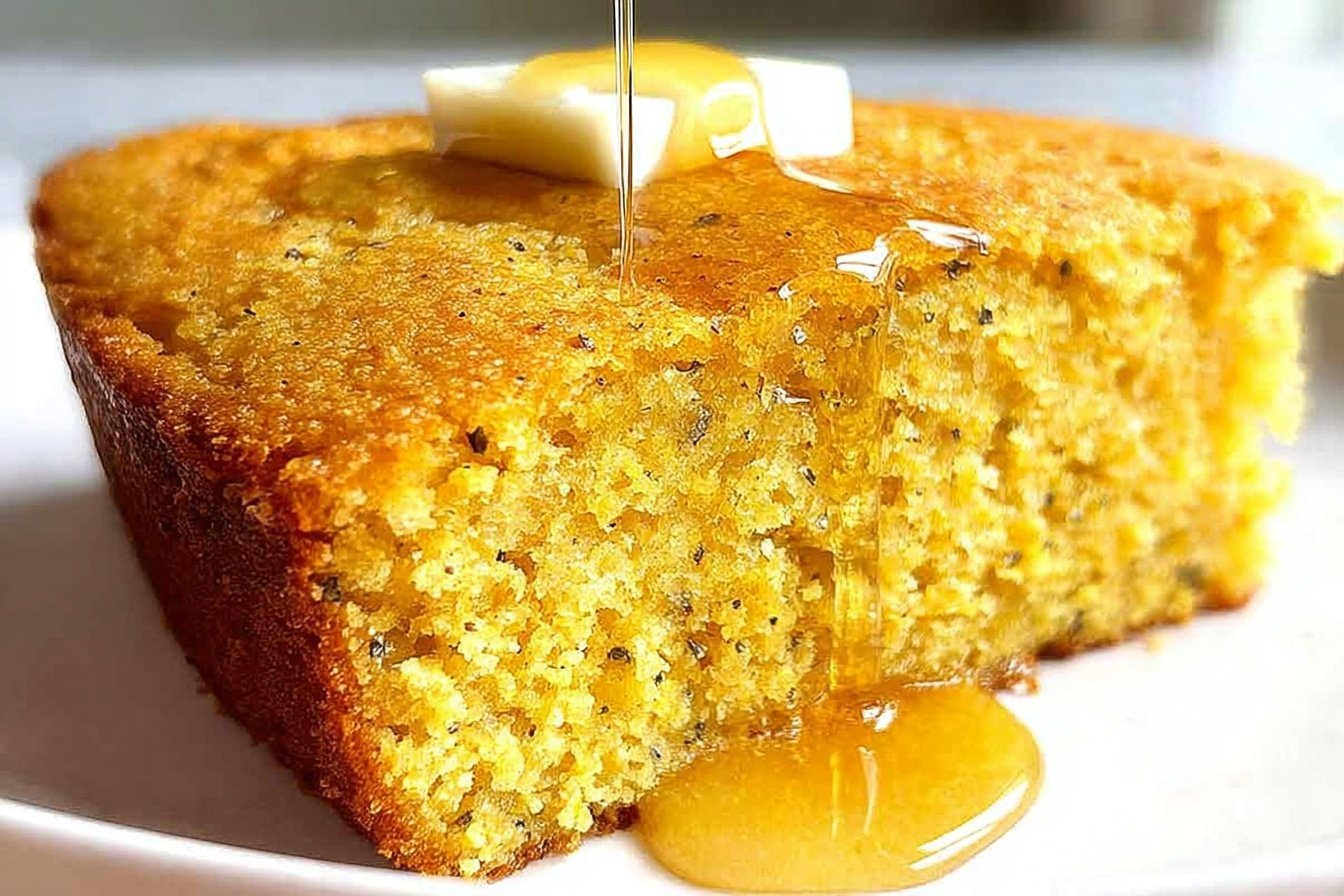
Why You’ll Love This Cornbread
If you’ve ever struggled with dry, crumbly cornbread that falls apart before it reaches your plate, this recipe will change everything. My absolute favorite cornbread delivers the perfect balance of moist, tender crumb and golden, slightly crisp edges. It’s the kind of side dish that steals the show at any meal, from weeknight dinners to holiday gatherings.
This homemade cornbread stands out for so many reasons. Whether you’re a beginner in the kitchen or a seasoned baker, this recipe delivers consistent, delicious results every single time. Here’s why this recipe deserves a permanent spot in your collection:
- Ease of preparation: This cornbread comes together in just one bowl with simple ingredients you likely already have in your pantry. From start to finish, you’re looking at about 35 minutes, with only 5-7 minutes of hands-on prep time. No mixer is needed, just a whisk and a spoon. The straightforward method makes it perfect for busy weeknights when you want something homemade without the fuss.
- Health benefits: Unlike many store-bought mixes loaded with preservatives, this homemade version uses real, wholesome ingredients. Cornmeal provides fiber and essential minerals like iron and magnesium. Using buttermilk adds calcium and protein, while controlling the amount of sugar and butter allows you to make informed choices about what goes into your body. According to nutrition experts, cornmeal also contains antioxidants that support overall health.
- Versatility: This recipe adapts beautifully to various dietary preferences and flavor profiles. Serve it alongside a hearty bowl of goulash, or pair it with your favorite soup. It works as a breakfast treat with honey butter, a lunch side, or a dinner accompaniment. The base recipe welcomes endless add-ins, from jalapeños to fresh corn kernels to shredded cheese.
- Distinctive flavor: The combination of fine cornmeal and all-purpose flour creates that classic cornbread taste with a texture that’s tender yet substantial. Brown sugar and honey add just enough sweetness without making it taste like cake, while melted butter creates rich depth. The buttermilk contributes a subtle tang that balances everything perfectly.
Jump To
- 1. Why You’ll Love This Cornbread
- 2. Essential Ingredients for Cornbread
- 3. How to Prepare the Perfect Cornbread: Step-by-Step Guide
- 4. Dietary Substitutions to Customize Your Cornbread
- 5. Mastering Cornbread: Advanced Tips and Variations
- 6. How to Store Cornbread: Best Practices
- 7. FAQs: Frequently Asked Questions About Cornbread
- 8. Cornbread
Essential Ingredients for Cornbread
Creating the perfect cornbread starts with understanding each ingredient’s role. This recipe uses simple pantry staples that work together to create that ideal texture and flavor. Here’s everything you’ll need:
Main Ingredients:
- 1 cup (120g) fine cornmeal – The heart of any cornbread, cornmeal provides that distinctive gritty texture and sweet, corn flavor. Fine-ground cornmeal creates a smoother, more tender crumb compared to coarse varieties.
- 1 cup (125g) all-purpose flour – This provides structure and helps the cornbread rise properly. The combination of cornmeal and flour produces a balanced texture that holds together without becoming dense.
- 1 teaspoon baking powder – This leavening agent creates lift and gives the cornbread its light, airy texture. Without it, your cornbread would be flat and heavy.
- 1/2 teaspoon baking soda – Working alongside the baking powder, baking soda reacts with the buttermilk’s acidity to create additional rise and that beautiful golden color.
- 1/8 teaspoon salt – A small amount enhances all the other flavors and prevents the cornbread from tasting flat. It balances the sweetness and brings out the corn’s natural flavor.
- 1/2 cup (113g) unsalted butter, melted and slightly cooled – Butter adds richness and creates a tender crumb. Melting it ensures even distribution throughout the batter, and using unsalted butter gives you control over the salt level.
- 1/3 cup (67g) packed light or dark brown sugar – Brown sugar adds moisture and a subtle caramel note that white sugar lacks. The molasses content creates a deeper, more complex sweetness.
- 2 tablespoons honey – Honey contributes natural sweetness and helps create that beautiful golden crust. It also keeps the cornbread moist for longer.
- 1 large egg, at room temperature – The egg binds everything together and adds structure. Room temperature eggs incorporate more easily into the batter.
- 1 cup (240ml) buttermilk, at room temperature – Buttermilk’s acidity reacts with the baking soda for lift, while its thickness creates a rich, creamy texture that regular milk cannot match.
Special Dietary Options:
- Vegan: Replace the butter with melted coconut oil or vegetable oil, use a flax egg (1 tablespoon ground flaxseed mixed with 3 tablespoons water), and substitute buttermilk with plant milk mixed with 1 tablespoon vinegar.
- Gluten-free: Swap the all-purpose flour for a 1:1 gluten-free flour blend. The cornmeal is naturally gluten-free, but check labels to ensure no cross-contamination.
- Low-calorie: Reduce the brown sugar to 1/4 cup, use only 1 tablespoon of honey, and consider swapping half the butter for unsweetened applesauce.
How to Prepare the Perfect Cornbread: Step-by-Step Guide
Making this cornbread is straightforward, but a few key techniques ensure the best results. Follow these detailed steps, and you’ll have a beautiful, golden loaf ready to enjoy in no time.
First Step: Gather and Prep Your Ingredients
Before you begin mixing, gather all your ingredients and measure them out. This mise en place approach prevents scrambling mid-recipe and ensures accuracy. Preheat your oven to 400°F (200°C). This higher temperature creates that desirable crispy crust while keeping the inside moist.
If you haven’t already, melt your butter and let it cool slightly. Hot butter can cook the egg when mixed together, so aim for warm, not scorching. Take your egg and buttermilk out of the refrigerator about 30 minutes before baking. Room temperature ingredients blend more smoothly and create a better texture in the finished cornbread.
Prepare your baking pan. An 8×8 inch square pan or a 9-inch round cake pan works beautifully. You can also use a cast iron skillet for that authentic Southern touch with extra crispy edges. Grease your pan generously with butter or cooking spray. If using a cast iron skillet, you can place it in the oven while it preheats for an even crispier crust.
Second Step: Mix the Dry Ingredients
In a large mixing bowl, combine all your dry ingredients. Add the fine cornmeal, all-purpose flour, baking powder, baking soda, and salt. Use a whisk to blend everything together thoroughly. This step ensures the leavening agents and salt are evenly distributed throughout the flour mixture, preventing any bitter spots in your finished cornbread.
Whisking your dry ingredients together for about 30 seconds makes a noticeable difference in the final texture. Take the time to do this step well.
If your cornmeal has been sitting in your pantry for a while, check for any lumps. Sifting or whisking breaks these up and ensures a smooth batter. The fine cornmeal should blend seamlessly with the flour, creating a uniform mixture that will produce consistent results.
Third Step: Combine the Wet Ingredients
In a separate medium bowl or large measuring cup, whisk together the wet ingredients. Start with the melted butter, then add the brown sugar, honey, egg, and buttermilk. Whisk until everything is well combined and the mixture looks smooth and slightly thick.
The brown sugar may not dissolve completely, and that’s perfectly fine. Those tiny specks will melt during baking. Make sure to break up any large clumps of brown sugar before adding the liquid ingredients. The honey might stick to your measuring spoon, so try coating it with a thin layer of oil first or measure it after the butter.
Whisk the wet mixture for about 1 minute until it becomes uniform. The egg should be fully incorporated, and you shouldn’t see any streaks of buttermilk or butter separating. This emulsion helps create a consistent batter that bakes evenly.
Fourth Step: Bring Everything Together
Now comes the crucial moment. Pour the wet ingredients into the bowl with the dry ingredients. Using a wooden spoon or spatula, gently fold the mixture together until just combined. The key here is not to overmix.
Overmixing develops gluten in the flour, which leads to tough, dense cornbread. You want to stir just until no dry flour is visible. A few small lumps in the batter are completely fine and will disappear during baking. The entire mixing process should take no more than 20-30 strokes.
| Batter Consistency | What It Means |
|---|---|
| Thin and pourable | Add 1-2 tablespoons more cornmeal |
| Thick like cake batter | Perfect consistency |
| Very thick and stiff | Add 1-2 tablespoons buttermilk |
The batter should be thick but still pourable. It will spread slightly when you pour it into the pan but won’t be runny like pancake batter.
Final Step: Bake and Serve
Pour the batter into your prepared baking pan, using a spatula to spread it evenly. Tap the pan gently on the counter once or twice to release any large air bubbles. Place the pan in your preheated 400°F oven.
Bake for 18-22 minutes. The cornbread is done when the top is golden brown and a toothpick inserted into the center comes out clean or with just a few moist crumbs. The edges should be pulling away slightly from the sides of the pan.
Remove the pan from the oven and let the cornbread cool for about 10 minutes before slicing. This resting period allows the structure to set so the cornbread doesn’t crumble when cut. For the best experience, serve warm with butter and honey.

Dietary Substitutions to Customize Your Cornbread
Not everyone eats the same way, and that’s perfectly fine. This cornbread recipe adapts well to various dietary needs and preferences. Here are some reliable substitutions that maintain delicious results.
Protein and Main Component Alternatives
The egg in this recipe provides binding and structure. For those avoiding eggs, several alternatives work well. A flax egg (1 tablespoon ground flaxseed mixed with 3 tablespoons water, left to sit for 5 minutes) creates a similar binding effect. Applesauce can also replace eggs; use 1/4 cup unsweetened applesauce per egg, though this adds a slight sweetness and moisture.
For the buttermilk, which provides acidity for the baking soda and creates tenderness, you have options. If you don’t have buttermilk on hand, make your own by adding 1 tablespoon of white vinegar or lemon juice to 1 cup of regular milk. Let it sit for 5-10 minutes until it thickens slightly. For dairy-free needs, use any plant milk (soy, almond, oat) with the same vinegar method.
The butter can be swapped for other fats. Coconut oil works beautifully and adds a subtle tropical note. Vegetable oil creates an even more moist result but lacks the buttery richness. For a lighter version, try using half butter and half Greek yogurt.
Vegetable, Sauce, and Seasoning Modifications
The beauty of this cornbread lies in how well it accepts additions and modifications. For a savory twist that pairs wonderfully with spicy dishes, reduce the sugar to 2 tablespoons and add 1/2 cup shredded cheddar cheese and 2-3 chopped green onions.
Sweet corn kernels add texture and natural sweetness. Use 1/2 cup fresh, frozen, or canned corn (drained) folded into the batter. For a spicy kick, add 1-2 diced jalapeños, or for fall flavors, try 1/2 teaspoon cinnamon and a pinch of nutmeg.
Those watching their sugar intake can reduce the brown sugar to 2 tablespoons and skip the honey. The cornbread will be less sweet but still delicious. Stevia or other sugar substitutes work as well, though they may slightly affect the browning.
Mastering Cornbread: Advanced Tips and Variations
Once you’ve mastered the basic recipe, you can start experimenting with techniques and flavors. These tips help take your cornbread from good to exceptional.
Pro Cooking Techniques
The type of pan you use affects the final result significantly. Cast iron skillets create the crispiest edges because they retain heat so well. Preheating the skillet with butter or oil in the oven creates an instant sizzle when you pour in the batter, resulting in a crunchy, buttery crust. This technique is mentioned in expert cornbread recipes and makes a noticeable difference.
Don’t open the oven door during baking. The temperature fluctuation can cause the cornbread to sink or develop an uneven texture. If you need to check doneness, do it quickly at the minimum baking time.
Room temperature ingredients matter more than you might think. Cold buttermilk can cause the melted butter to solidify into little droplets, creating an uneven texture. Cold eggs don’t incorporate as smoothly. Take the extra 30 minutes to let everything come to room temperature.
Flavor Variations
For a Southwestern flair, add 1 cup frozen corn kernels, 1/2 cup diced green chiles, and 1 cup shredded Monterey Jack cheese. This version pairs perfectly with chili or tacos.
Sweet lovers might enjoy adding 1/2 cup fresh blueberries or 1/3 cup dried cranberries. The berries burst during baking, creating pockets of fruity sweetness. For a breakfast-style cornbread, increase the honey to 1/4 cup and add 1/2 teaspoon cinnamon.
Presentation Tips
Serve cornbread warm whenever possible. Cut squares or wedges depending on your pan shape. A dusting of powdered sugar adds a nice touch for sweeter versions. A drizzle of honey butter (mix softened butter with honey at a 2:1 ratio) elevates any cornbread.
For holidays or special occasions, bake individual servings in a muffin tin. These personal cornbread muffins look impressive on a buffet table and make portion control easy.
Make-Ahead Options
You can mix the dry ingredients up to a week in advance and store them in an airtight container. The wet ingredients can be combined the night before and refrigerated. Bring them to room temperature before mixing with the dry ingredients.
For busy entertaining, bake the cornbread a day ahead. Wrap it well and reheat at 350°F for 10 minutes before serving. It will taste almost as fresh as the day it was made.
How to Store Cornbread: Best Practices
Proper storage keeps your cornbread fresh and delicious for days. Understanding how to store it correctly prevents waste and ensures you can enjoy leftovers at their best.
Refrigeration
For short-term storage, wrap leftover cornbread tightly in plastic wrap or aluminum foil, or place it in an airtight container. At room temperature, cornbread stays fresh for about 2 days. Beyond that, refrigeration extends its life to 5-7 days.
Before refrigerating, let the cornbread cool completely. Warm cornbread creates condensation in the container, leading to a soggy texture. Store cut pieces with the cut side down on a piece of parchment paper to minimize drying.
Freezing
For longer storage, freezing works wonderfully. Wrap the entire loaf or individual slices tightly in plastic wrap, then add a layer of aluminum foil or place in a freezer bag. Properly stored, cornbread keeps in the freezer for up to 3 months.
Label your package with the date. Thaw frozen cornbread overnight in the refrigerator or at room temperature for 2-3 hours. Individual slices thaw faster than a whole loaf.
Reheating
The best way to reheat cornbread is in the oven. Wrap it in foil and warm at 350°F for 10-15 minutes. This method restores moisture and texture better than microwaving.
For individual slices, a toaster oven works well. You can also microwave a slice for 15-20 seconds, though the texture becomes slightly softer. Adding a small pat of butter before reheating helps maintain moisture.
Meal Prep Considerations
If you’re planning to use cornbread for meal prep, consider making muffins instead of a loaf. They’re easier to portion and freeze individually. Wrap each muffin separately, then store them together in a large freezer bag.
Cornbread makes an excellent base for stuffing or dressing later in the week. Make a double batch, enjoy half fresh, and use the rest for a completely different meal later. It also crumbles beautifully over salads or into breakfast casseroles.
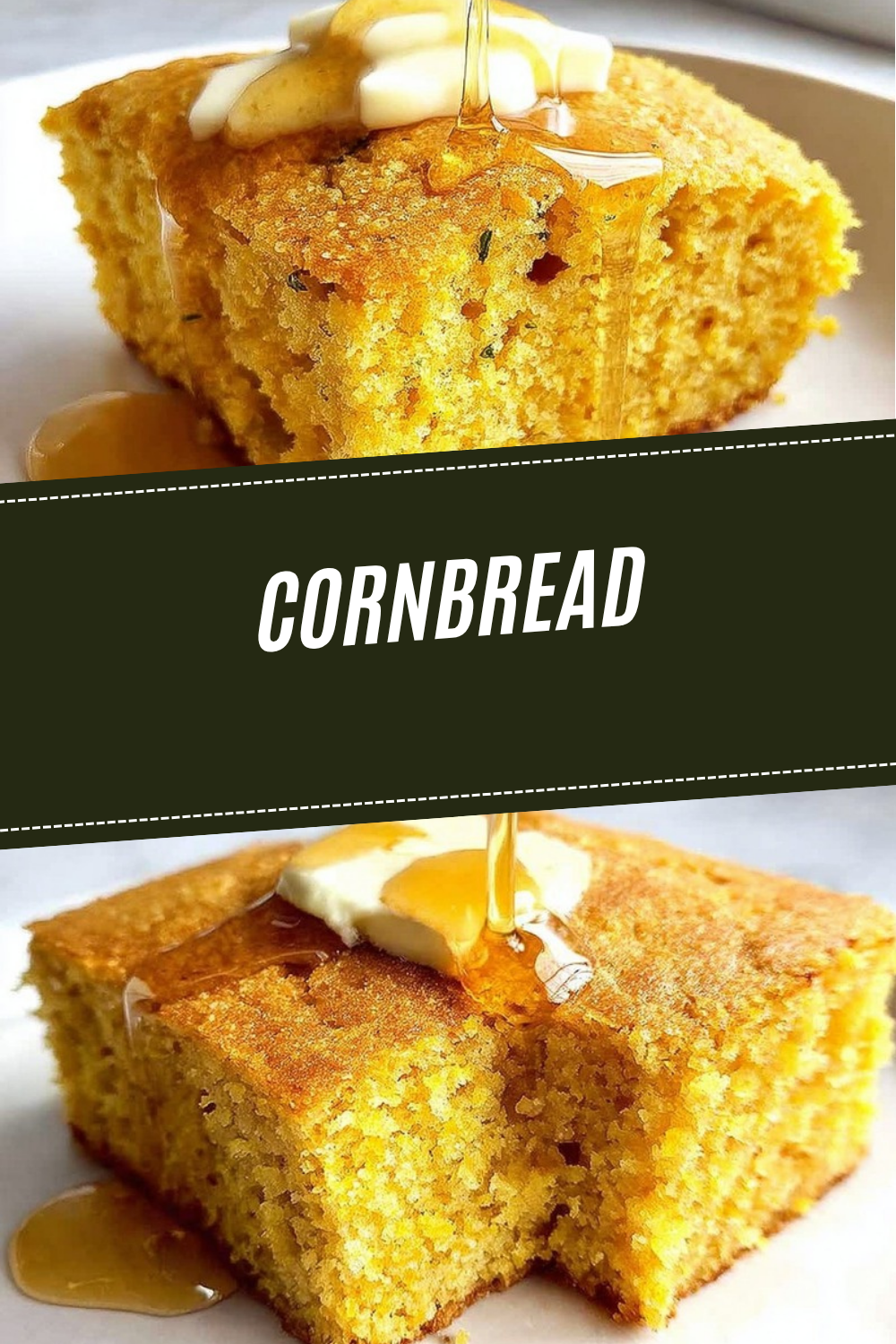
FAQs: Frequently Asked Questions About Cornbread
What kind of cornmeal is best for cornbread?
Fine-ground cornmeal works best for tender, moist cornbread with a smooth texture, but medium or coarse cornmeal adds a heartier, crunchier bite. Both yellow cornmeal, which gives a golden color and classic flavor, and white cornmeal, for a milder taste, are great choices. Avoid stone-ground if you want less grit. Look for 100% cornmeal without flour additives for authentic results. Measure 1 to 1.5 cups per standard recipe, sifting if clumpy. Stone-grind options from brands like Bob’s Red Mill shine in Southern-style recipes. Test a small batch to match your texture preference—fine for beginners, coarse for tradition. Pair with all-purpose flour at a 1:1 ratio for balanced rise. This choice impacts crumb: fine yields cake-like, coarse mimics polenta. Always store in an airtight container to prevent staleness.
Can you bake cornbread in a cast iron skillet?
Yes, a preheated 9- or 10-inch cast iron skillet is ideal for cornbread, creating a crispy, golden crust from the hot metal. Grease it heavily with 2-4 tablespoons of butter or oil, heat in a 425°F oven for 5-10 minutes, then pour in batter. Bake 20-25 minutes until golden and a toothpick comes out clean. The skillet’s heat retention promotes even browning and that signature edge crunch. For best results, use room-temperature batter and avoid overmixing. This method suits classic Southern cornbread. Clean by scraping while warm, no soap needed. Compared to a baking dish, skillets yield 8-10 wedges easily. Pro tip: Add bacon fat to grease for smoky flavor. It’s forgiving for beginners and scales for crowds—double batter for larger 12-inch skillets, adjusting time by 5 minutes.
What can I add to cornbread batter for more flavor?
Boost your cornbread with 1 cup fresh or canned corn kernels for sweetness and chew, 1-2 chopped jalapeños for heat, or 1 cup shredded cheddar cheese for gooey pockets. Sweet options include 1 cup blueberries or ½ cup dried cranberries with chopped walnuts. Savory twists: ½ cup crumbled cooked bacon or green onions. Fold additions into batter gently after mixing wet and dry ingredients. Avoid overfilling—keep total add-ins under 1.5 cups per standard recipe to prevent sinking. For cheese, use sharp varieties that melt well. Test spice levels with seeds removed from peppers. These elevate basic batter into Jalapeño Cheddar or Blueberry Cornbread. Bake as usual; add-ins may extend time by 2-3 minutes. Pair with chili or BBQ for meals. Experiment seasonally—peppers in summer, cranberries in fall.
How do you make cornbread muffins?
Use your favorite cornbread batter recipe and divide into a greased 12-cup muffin tin, filling each ¾ full. Bake at 425°F for 15-20 minutes until tops are golden and spring back when touched—a toothpick test works too. Yields 12 standard muffins. Preheat the tin for crispier edges, like skillet style. Cool in pan 5 minutes, then transfer to a rack. Muffins freeze well: wrap individually in plastic, store in bags up to 3 months, thaw and reheat at 350°F for 10 minutes. They’re portable for picnics or breakfast. Add cheese or corn as in skillet versions. Batter consistency matters—thicker holds shape better. Standard recipe (1 cup cornmeal, 1 cup flour, 1 egg, 1 cup milk) scales perfectly. Nutrition bonus: one muffin is about 150 calories. Serve with honey butter.
How do you store cornbread to keep it fresh?
Store cooled cornbread at room temperature in an airtight container or wrapped in foil for up to 2 days—beyond that, it dries out. For longer freshness, refrigerate slices in a zip-top bag up to 5 days; reheat in a 350°F oven for 10 minutes or toaster for crispness. Freeze whole loaves or muffins: wrap tightly in plastic then foil, or use freezer bags, lasting 2-3 months. Thaw overnight in fridge, then warm. Avoid plastic wrap alone as it traps moisture, leading to sogginess. Cut only what you need to minimize air exposure. High-fat add-ins like cheese extend fridge life. Pro tip: Include a paper towel in storage bags to absorb humidity. Revive stale pieces by sprinkling water and toasting. This preserves texture—crumbly exterior, moist inside. Check for mold before eating; discard if off-smelling.
Cornbread
- Total Time: 33 minutes
- Yield: 9 servings
- Diet: Vegetarian
Description
🌽 Delight in the sweetest, most tender cornbread with a golden crust and moist crumb that pairs perfectly with soups, chili, or BBQ.
🥄 Buttermilk magic makes it fluffy and flavorful, ready in under 35 minutes for your new go-to side dish!
Ingredients
– 1 cup (120g) fine cornmeal
– 1 cup (125g) all-purpose flour
– 1 teaspoon baking powder
– 1/2 teaspoon baking soda
– 1/8 teaspoon salt
– 1/2 cup (113g) unsalted butter, melted and slightly cooled
– 1/3 cup (67g) packed light or dark brown sugar
– 2 tablespoons honey
– 1 large egg, at room temperature
– 1 cup (240ml) buttermilk, at room temperature
Instructions
1-First Step: Gather and Prep Your Ingredients Before you begin mixing, gather all your ingredients and measure them out. This mise en place approach prevents scrambling mid-recipe and ensures accuracy. Preheat your oven to 400°F (200°C). This higher temperature creates that desirable crispy crust while keeping the inside moist. If you haven’t already, melt your butter and let it cool slightly. Hot butter can cook the egg when mixed together, so aim for warm, not scorching. Take your egg and buttermilk out of the refrigerator about 30 minutes before baking. Room temperature ingredients blend more smoothly and create a better texture in the finished cornbread. Prepare your baking pan. An 8×8 inch square pan or a 9-inch round cake pan works beautifully. You can also use a cast iron skillet for that authentic Southern touch with extra crispy edges. Grease your pan generously with butter or cooking spray. If using a cast iron skillet, you can place it in the oven while it preheats for an even crispier crust.
2-Second Step: Mix the Dry Ingredients In a large mixing bowl, combine all your dry ingredients. Add the fine cornmeal, all-purpose flour, baking powder, baking soda, and salt. Use a whisk to blend everything together thoroughly. This step ensures the leavening agents and salt are evenly distributed throughout the flour mixture, preventing any bitter spots in your finished cornbread. If your cornmeal has been sitting in your pantry for a while, check for any lumps. Sifting or whisking breaks these up and ensures a smooth batter. The fine cornmeal should blend seamlessly with the flour, creating a uniform mixture that will produce consistent results.
3-Third Step: Combine the Wet Ingredients In a separate medium bowl or large measuring cup, whisk together the wet ingredients. Start with the melted butter, then add the brown sugar, honey, egg, and buttermilk. Whisk until everything is well combined and the mixture looks smooth and slightly thick. The brown sugar may not dissolve completely, and that’s perfectly fine. Those tiny specks will melt during baking. Make sure to break up any large clumps of brown sugar before adding the liquid ingredients. The honey might stick to your measuring spoon, so try coating it with a thin layer of oil first or measure it after the butter. Whisk the wet mixture for about 1 minute until it becomes uniform. The egg should be fully incorporated, and you shouldn’t see any streaks of buttermilk or butter separating. This emulsion helps create a consistent batter that bakes evenly.
4-Fourth Step: Bring Everything Together Now comes the crucial moment. Pour the wet ingredients into the bowl with the dry ingredients. Using a wooden spoon or spatula, gently fold the mixture together until just combined. The key here is not to overmix. Overmixing develops gluten in the flour, which leads to tough, dense cornbread. You want to stir just until no dry flour is visible. A few small lumps in the batter are completely fine and will disappear during baking. The entire mixing process should take no more than 20-30 strokes. The batter should be thick but still pourable. It will spread slightly when you pour it into the pan but won’t be runny like pancake batter.
5-Final Step: Bake and Serve Pour the batter into your prepared baking pan, using a spatula to spread it evenly. Tap the pan gently on the counter once or twice to release any large air bubbles. Place the pan in your preheated 400°F oven. Bake for 18-22 minutes. The cornbread is done when the top is golden brown and a toothpick inserted into the center comes out clean or with just a few moist crumbs. The edges should be pulling away slightly from the sides of the pan. Remove the pan from the oven and let the cornbread cool for about 10 minutes before slicing. This resting period allows the structure to set so the cornbread doesn’t crumble when cut. For the best experience, serve warm with butter and honey.
Notes
🔥 Use a cast iron skillet for the crispiest edges and authentic Southern texture.
🥛 Ensure buttermilk and egg are at room temperature for maximum rise and tenderness.
🍯 Don’t overmix the batter to keep the cornbread light and fluffy.
- Prep Time: 10 minutes
- Cook Time: 23 minutes
- Category: Bread
- Method: Bake
- Cuisine: American
Nutrition
- Serving Size: 1 slice
- Calories: 229
- Sugar: 13g
- Sodium: 196mg
- Fat: 10g
- Saturated Fat: 6g
- Unsaturated Fat: 4g
- Trans Fat: 0g
- Carbohydrates: 31g
- Fiber: 1g
- Protein: 4g
- Cholesterol: 44mg
Keywords: cornbread recipe, favorite cornbread, moist cornbread, sweet cornbread