
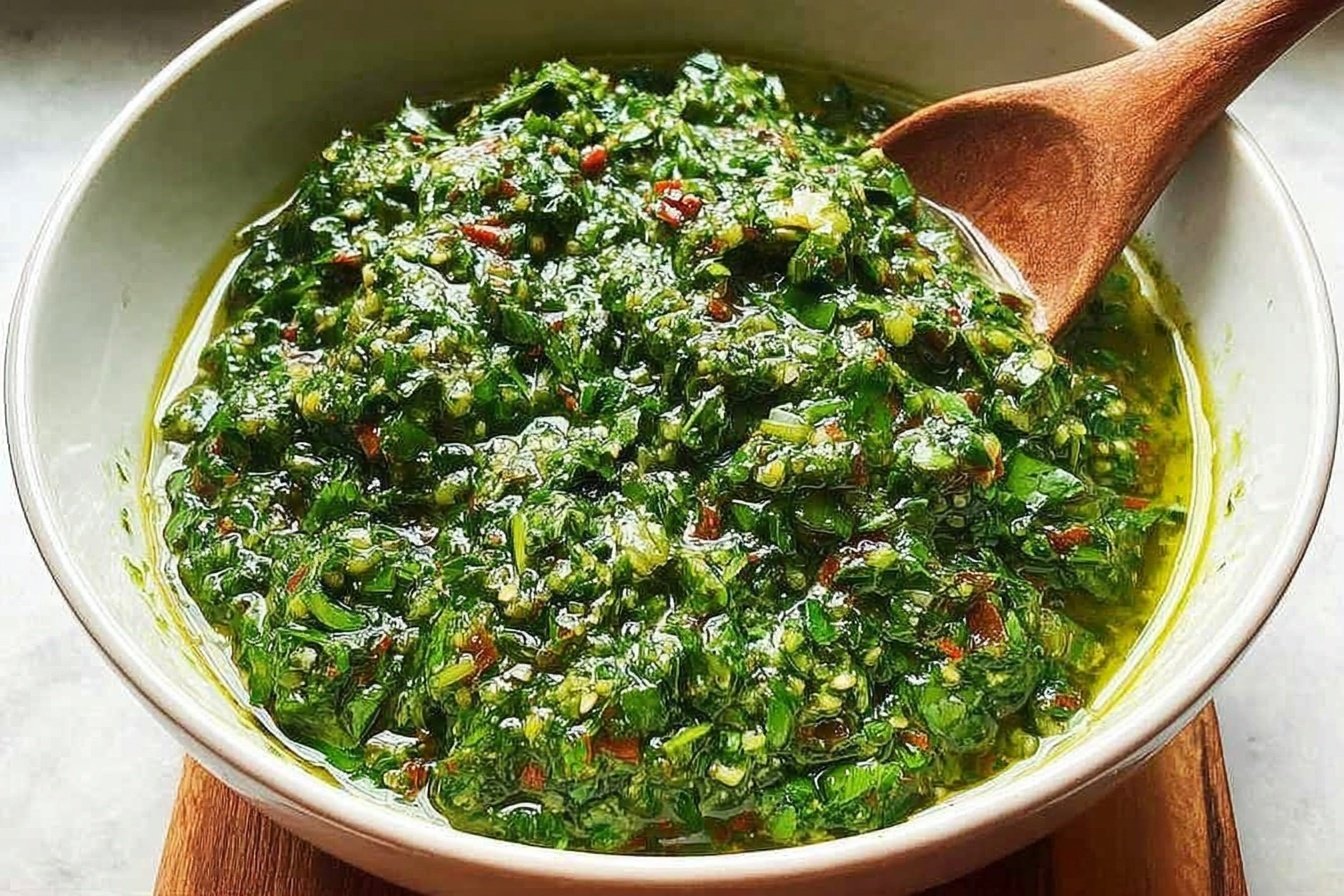
Why You’ll Love This Chimichurri Sauce
If you haven’t tried making your own chimichurri sauce yet, give it a shot it only takes a few minutes, and it’s a fantastic way to brighten up everything from grilled chicken to roasted veggies. This classic Argentine herb blend brings a burst of fresh, tangy flavor to your table with minimal effort and maximum taste.
Here’s why this chimichurri sauce deserves a permanent spot in your recipe collection:
- Ease of preparation: This recipe comes together in under 10 minutes with no cooking required. Simply chop, whisk, and stir that’s all it takes to create a restaurant-quality condiment at home. The straightforward process makes it perfect for busy weeknights or last-minute entertaining.
- Health benefits: Made primarily with fresh parsley and extra-virgin olive oil, this sauce delivers antioxidants and healthy fats without added sugar or preservatives. It’s naturally low-calorie, vegan, gluten-free, and packed with vitamins from fresh herbs. For more on the impressive health benefits of parsley, you’ll find this humble herb does wonders for your body.
- Versatility: This chimichurri sauce works beautifully beyond traditional steak. Drizzle it over fish, toss it with roasted vegetables, use it as a marinade, or even spoon it onto sandwiches and grain bowls. It adapts easily to whatever you’re cooking, making it one of the most useful condiments in your kitchen.
- Distinctive flavor: The combination of garlic, oregano, red pepper flakes, and white wine vinegar creates a bold, zesty profile that cuts through rich proteins and adds brightness to simple dishes. It’s the kind of flavor that makes people ask for your secret ingredient.
Jump To
- 1. Why You’ll Love This Chimichurri Sauce
- 2. Essential Ingredients for Chimichurri Sauce
- 3. How to Prepare the Perfect Chimichurri Sauce: Step-by-Step Guide
- 4. Dietary Substitutions to Customize Your Chimichurri Sauce
- 5. Mastering Chimichurri Sauce: Advanced Tips and Variations
- 6. How to Store Chimichurri Sauce: Best Practices
- 7. FAQs: Frequently Asked Questions About Chimichurri Sauce
- 8. Chimichurri Sauce
Essential Ingredients for Chimichurri Sauce
One of the best things about chimichurri sauce is its short, simple ingredient list. You probably have most of these items in your pantry already. Here’s everything you need to make this vibrant Argentine green sauce:
Main Ingredients
- 1 cup fresh parsley, finely chopped by hand The star of the show, fresh parsley provides the vibrant green color and herbaceous base. Flat-leaf (Italian) parsley works best for its robust flavor and tender leaves. Avoid curly parsley, which can taste grassy and tough.
- 4 cloves garlic, minced Fresh garlic adds that signature punch and aromatic depth. Mince it finely so the flavor distributes evenly throughout the sauce.
- 1 teaspoon dried oregano This dried herb brings an earthy, slightly peppery note that complements the fresh parsley beautifully.
- 1/2 teaspoon red pepper flakes Add a gentle warmth without overwhelming heat. Adjust up or down based on your spice preference.
- 1/2 teaspoon smoked paprika This optional addition introduces a subtle smokiness that pairs wonderfully with grilled foods.
- 1/4 cup white wine vinegar The acid component that gives chimichurri its signature tang. White wine vinegar offers a brighter, cleaner flavor compared to red wine vinegar.
- 1/2 cup extra-virgin olive oil The base that carries all the flavors and gives the sauce its luscious texture. Use a good-quality oil for the best taste. Olive oil’s health benefits make this sauce as nourishing as it is delicious.
- 1 teaspoon sea salt Enhances all the other flavors and helps preserve the fresh herbs.
Special Dietary Options
This chimichurri sauce recipe naturally accommodates several dietary needs:
- Vegan: This recipe is already 100% plant-based with no modifications needed.
- Gluten-free: All ingredients are naturally gluten-free, making this sauce safe for those with celiac disease or gluten sensitivity.
- Low-calorie: At roughly 50-60 calories per tablespoon, this sauce adds big flavor without a heavy caloric load.
- Keto-friendly: The high fat content from olive oil and minimal carbs make this perfect for ketogenic diets.
How to Prepare the Perfect Chimichurri Sauce: Step-by-Step Guide
Making chimichurri sauce at home is incredibly straightforward. Follow these simple steps, and you’ll have a fresh, flavorful condiment ready in minutes.
Step 1: Gather and Prep Your Ingredients
Before you start, measure out all your ingredients and have them ready to go. This mise en place approach makes the process smooth and stress-free. Pull out a medium mixing bowl, a whisk, and a sharp knife and cutting board for chopping the parsley.
Start by washing your fresh parsley thoroughly and patting it dry with paper towels or a clean kitchen towel. Remove the thick stems you want mostly leaves with some tender stems for the best texture. Then, finely chop the parsley by hand. This is an important step, so take your time with it.
Pro tip: Always chop your parsley by hand rather than using a food processor. A machine can bruise the herbs and turn them into a paste, which changes the texture and flavor of your chimichurri sauce. Hand-chopping keeps the herb pieces distinct and the flavor bright.
Step 2: Mince the Garlic
Peel your garlic cloves and mince them as finely as possible. You want tiny, even pieces that will distribute throughout the sauce rather than big chunks. If you have a garlic press, you can use it, but hand-mincing works just as well and gives you more control over the texture.
Some cooks like to add a pinch of salt to their garlic and smash it into a paste using the side of their knife. This technique releases more of the garlic’s oils and creates a smoother integration in the final sauce.
Step 3: Create the Liquid Base
In your mixing bowl, combine the extra-virgin olive oil and white wine vinegar. Add the sea salt, dried oregano, red pepper flakes, and smoked paprika. Whisk everything together vigorously until well combined.
The vinegar and oil will naturally separate over time this is completely normal and doesn’t affect the flavor. Just give it a quick stir before serving if this happens.
Step 4: Add the Fresh Herbs and Garlic
Now for the moment your chimichurri sauce really comes alive. Stir in your finely chopped parsley and minced garlic. Use a spoon to fold everything together, making sure the herbs are evenly distributed throughout the oil and vinegar mixture.
At this point, take a small taste. Does it need more salt? A little more vinegar for tang? Perhaps an extra pinch of red pepper flakes for heat? Adjust the seasonings to your personal preference. Remember, chimichurri is meant to be bold and flavorful, so don’t be shy with the seasonings.
Step 5: Let the Flavors Meld
While you can serve chimichurri sauce immediately, it tastes even better if you let it rest. Cover the bowl and refrigerate for at least 30 minutes before serving. This resting period allows the dried oregano and red pepper flakes to hydrate and the garlic flavor to mellow and infuse throughout.
For the best results, make your chimichurri a few hours ahead or even the day before. The flavors continue to develop and deepen over time.
Step 6: Serve and Enjoy
When you’re ready to serve, give your chimichurri sauce a good stir. If it’s been refrigerated, let it sit at room temperature for about 10 minutes the olive oil will have solidified slightly in the cold, and bringing it to room temperature restores its smooth, pourable consistency.
Spoon generously over grilled meats, roasted vegetables, or whatever dish you’re serving. This recipe yields about 1 cup, enough for 4-6 servings depending on how generously you use it.
Serving Suggestions
The traditional way to enjoy chimichurri sauce is drizzled over grilled steak, and for good reason it’s absolutely delicious that way. But this versatile condiment shines in many other applications:
- Marinate chicken, pork, or lamb for 30 minutes to overnight before grilling or roasting
- Drizzle over grilled or roasted fish like salmon, halibut, or shrimp
- Spoon over roasted potatoes, sweet potatoes, or other root vegetables
- Use as a dip for crusty bread or empanadas
- Toss with cooked grains like quinoa, rice, or farro for an herby grain salad
- Add as a finishing sauce to soups or stews for a pop of fresh flavor
For a complete meal idea, pair your chimichurri-topped protein with balsamic chicken breast for a flavorful weeknight dinner that comes together quickly.

Dietary Substitutions to Customize Your Chimichurri Sauce
While traditional chimichurri sauce is already quite flexible for various dietary needs, you might want to make adjustments based on ingredient availability or personal preferences. Here are some helpful substitutions to know about.
Herb and Flavor Alternatives
The classic recipe calls for parsley as the main herb, but you have options:
- Cilantro: Substitute some or all of the parsley with fresh cilantro for a brighter, more citrusy flavor profile. This works especially well if you’re serving chimichurri with Mexican or Asian-inspired dishes.
- Basil: Mixing in some fresh basil adds a sweet, aromatic note that pairs beautifully with grilled vegetables or chicken.
- Mint: A small amount of fresh mint brings a cool, refreshing element that’s interesting with lamb or Middle Eastern dishes.
For the vinegar component, white wine vinegar gives the cleanest, brightest flavor. However, you can substitute with red wine vinegar for a slightly deeper taste, apple cider vinegar for a fruitier note, or even fresh lemon juice in a pinch.
Spice Level Modifications
Adjust the heat level to suit your taste:
- Milder version: Reduce or omit the red pepper flakes entirely. The sauce will still have plenty of flavor from the garlic and herbs.
- Spicier version: Increase the red pepper flakes to 1 teaspoon or more. You can also add a minced fresh jalapeno or serrano pepper for a different kind of heat.
- Smoky variation: Increase the smoked paprika to 1 teaspoon or add a small amount of chipotle powder for a deeper smoky flavor.
Mastering Chimichurri Sauce: Advanced Tips and Variations
Once you’ve mastered the basic chimichurri sauce recipe, you can take it to the next level with these expert tips and creative variations.
Pro Cooking Techniques
The quality of your chimichurri sauce depends heavily on your technique. Here are some professional-level tips:
Always use the freshest herbs you can find. Parsley that’s been sitting in your refrigerator for a week won’t have the same vibrant flavor as freshly purchased herbs. Look for bright green, perky leaves with no yellowing or wilting.
When chopping, use a sharp knife and a rocking motion. Dull knives bruise herbs, releasing bitter compounds and turning them dark. Change your cutting direction frequently to ensure even, consistent cuts.
Don’t be tempted to blend everything in a food processor. While it’s faster, the machine can over-process the herbs into a puree rather than a sauce with distinct herb pieces. The texture is an important part of authentic chimichurri.
Creative Flavor Variations
Try these interesting twists on the classic recipe:
| Variation | Additions | Best Paired With |
|---|---|---|
| Roasted Red Pepper Chimichurri | 1/2 cup roasted red peppers, diced | Grilled sausages, chicken |
| Citrus Chimichurri | 1 tablespoon lemon or orange zest | Fish, seafood, vegetables |
| Cilantro-Lime Chimichurri | Replace parsley with cilantro, use lime juice | Tacos, grilled corn, chicken |
| Spicy Chimichurri | Add 1 minced jalapeno | Steak, burgers, hearty proteins |
Make-Ahead and Meal Prep Strategies
Chimichurri sauce is perfect for meal prep. Make a double or triple batch on the weekend and use it throughout the week to quickly add flavor to simple meals. Having a jar in the refrigerator means you’re always just a spoonful away from turning a plain piece of grilled chicken or roasted vegetables into something special.
For entertaining, chimichurri is a host’s dream. Make it a day ahead so the flavors have time to develop, and you have one less thing to prepare on the day of your gathering. Just bring it to room temperature before serving.
This sauce also makes a wonderful homemade gift. Pack it in a pretty jar, tie with a ribbon, and include serving suggestions on a gift tag. It’s a thoughtful present for the food lovers in your life.
How to Store Chimichurri Sauce: Best Practices
Proper storage keeps your chimichurri sauce fresh and flavorful for as long as possible. Here’s everything you need to know about storing this versatile condiment.
Refrigeration Guidelines
Store your chimichurri sauce in an airtight container in the refrigerator. Glass jars with tight-fitting lids work best because they don’t absorb odors and are easy to clean. Mason jars are perfect for this purpose.
Properly stored, chimichurri sauce will keep for up to 4 days in the refrigerator. The vinegar acts as a natural preservative, helping to extend the shelf life. However, the fresh herbs will gradually lose their bright color and perky texture over time.
One thing to note: the olive oil will solidify when cold. This is completely normal and doesn’t affect the quality. Simply let the jar sit at room temperature for 10-15 minutes before serving, or give it a vigorous stir to break up the solidified oil.
Freezing for Longer Storage
For longer storage, chimichurri freezes beautifully. Pour the sauce into ice cube trays and freeze until solid. Once frozen, pop the cubes out and store them in a freezer bag for up to 3 months.
This method is incredibly convenient you can thaw just one or two cubes at a time as needed. Thaw in the refrigerator overnight or at room temperature for about 30 minutes.
Some people find that freezing can slightly dull the fresh herb flavor, so if you’re planning to freeze a large batch, consider adding a small handful of fresh parsley after thawing to brighten it back up.
Signs Your Chimichurri Has Gone Bad
Always use clean utensils when scooping out chimichurri to avoid introducing bacteria. Before using leftover sauce, check for these warning signs:
- Off or sour smell beyond the expected vinegar tang
- Visible mold growing on the surface
- Unusual slimy texture
- Herbs that have turned dark brown or black
When in doubt, throw it out. Chimichurri is inexpensive and quick to make, so it’s not worth risking foodborne illness over a few days’ worth of sauce.
FAQs: Frequently Asked Questions About Chimichurri Sauce
What is chimichurri sauce?
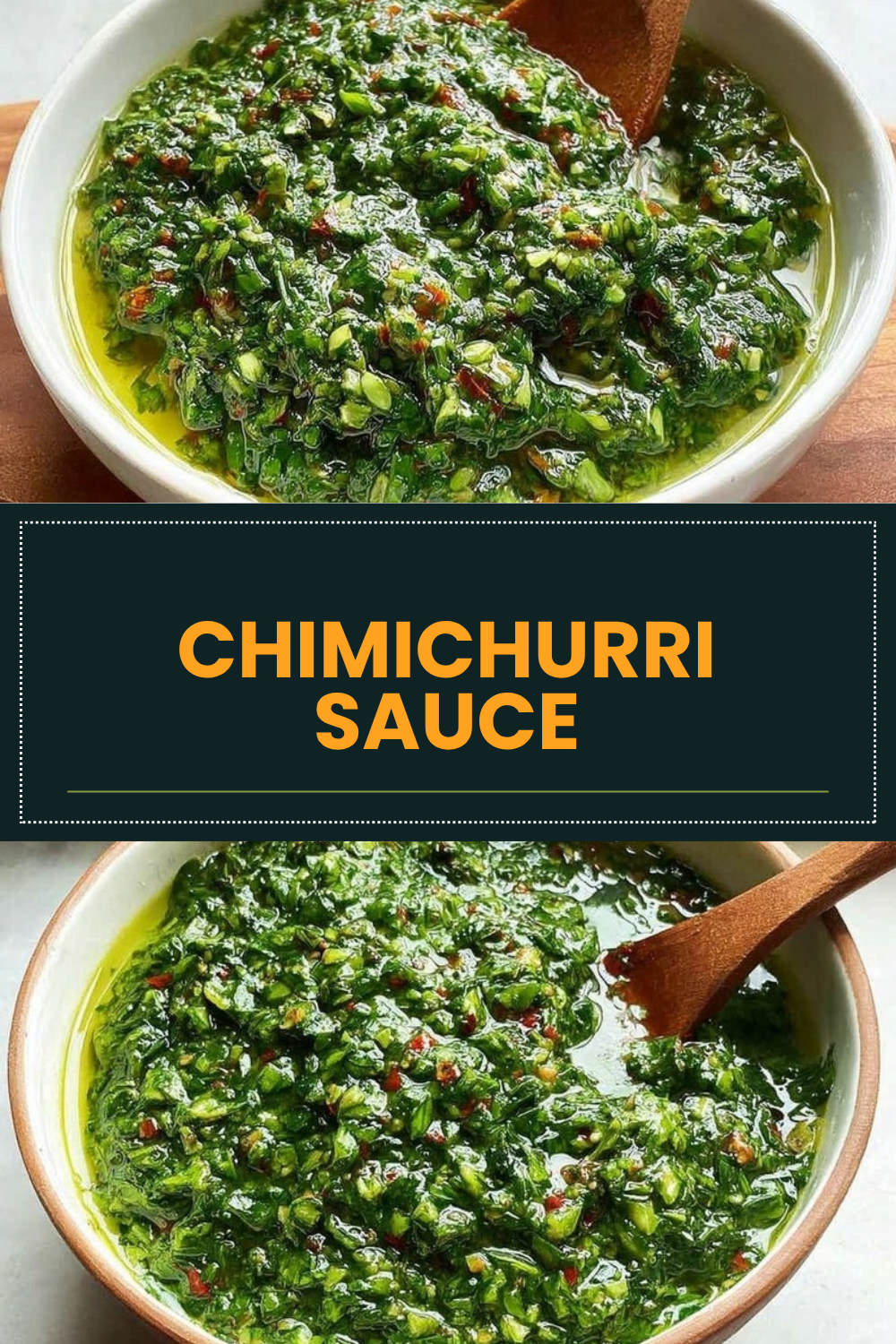
Chimichurri sauce is a vibrant, herbaceous condiment from Argentina and Uruguay, known for its fresh, tangy flavor. It’s made primarily from finely chopped parsley, garlic, oregano, red pepper flakes, olive oil, and vinegar. This uncooked sauce adds a zesty kick to grilled meats like steak, chicken, and lamb, but also works on fish, vegetables, or as a marinade. Unlike pesto, it has no nuts or cheese, keeping it light and versatile. In South American cuisine, it’s a staple at asados (barbecues), drizzled over hot-off-the-grill cuts. At home, prepare a batch in minutes to brighten everyday meals—its bold garlic and herb notes cut through rich proteins perfectly. Store it properly, and it lasts up to a week in the fridge.
What ingredients are in chimichurri sauce?
Traditional chimichurri sauce calls for these simple pantry staples: 1 cup fresh parsley (stems removed, finely chopped), 4 garlic cloves (minced), 1 teaspoon dried oregano, ½ teaspoon red pepper flakes (adjust for heat), ½ cup extra-virgin olive oil, ¼ cup red or white wine vinegar, and 1 teaspoon sea salt. Optional additions like smoked paprika or fresh cilantro add depth. For a red version, include roasted red peppers or tomatoes. Use fresh herbs for the best bright flavor—dried parsley won’t cut it. This 7-ingredient list yields about 1 cup, enough for 4-6 servings. Measure loosely for authenticity; taste and tweak salt or vinegar as needed. All ingredients are widely available and keep costs under $5.
How do you make chimichurri sauce?
Making chimichurri sauce takes under 10 minutes with no cooking required. Finely chop 1 cup fresh parsley and mince 4 garlic cloves. In a bowl, whisk together ½ cup extra-virgin olive oil, ¼ cup red wine vinegar, 1 teaspoon sea salt, 1 teaspoon dried oregano, and ½ teaspoon red pepper flakes. Stir in the parsley and garlic. Let it sit 15-30 minutes for flavors to meld, or use immediately. For a smoother texture, pulse in a food processor but avoid over-blending to keep it chunky. Taste and adjust seasoning—more vinegar for tang, flakes for spice. Pro tip: Make it a day ahead for even better taste. This foolproof recipe serves 4-6 and pairs perfectly with grilled steak.
How long does chimichurri sauce last?
Homemade chimichurri sauce lasts 4-7 days in an airtight container in the fridge, thanks to the vinegar’s preservative power. The olive oil may solidify when cold—stir or let it warm to room temp before using. For longer storage, freeze in ice cube trays for up to 3 months; pop out cubes and thaw as needed for single servings. Signs it’s gone bad: off smell, mold, or separation with sliminess. Always use clean utensils to avoid contamination. Freezing preserves the fresh herb vibrancy better than refrigerating long-term. A fresh batch uses minimal ingredients, so whip up small amounts weekly. This makes it ideal for meal prep—thaw a cube to top eggs, veggies, or tacos anytime.
What can I use chimichurri sauce on besides steak?
Chimichurri sauce shines beyond steak on chicken, pork, lamb, fish like salmon, shrimp, or tofu for a vegan twist. Drizzle over roasted vegetables, baked potatoes, or boiled eggs for breakfast. Mix into pasta, rice bowls, or grain salads for herbaceous flair. Use as a marinade (let proteins soak 30 minutes to overnight), sandwich spread, or pizza topping. It elevates empanadas, burgers, and even avocado toast. For 100 calories per 2-tablespoon serving, it’s a low-carb flavor booster packed with antioxidants from parsley. Experiment: blend milder for kids or spicier with extra flakes. Link it to grilled veggies recipes for more ideas—its acidity balances fatty or charred foods perfectly.
Chimichurri Sauce
- Total Time: 40 minutes
- Yield: 1 cup (8 servings)
- Diet: Vegan
Description
🌿 Bursting with fresh herbs, garlic, and zesty vinegar – this chimichurri sauce transforms grilled meats and veggies into a flavor explosion!
🇦🇷 Authentic Argentine blend ready in 10 minutes: healthy, vegan, versatile for steaks, salads, or dips anytime.
Ingredients
– 1 cup fresh parsley
– 4 cloves garlic
– 1 teaspoon dried oregano
– 1/2 teaspoon red pepper flakes
– 1/2 teaspoon smoked paprika
– 1/4 cup white wine vinegar
– 1/2 cup extra-virgin olive oil
– 1 teaspoon sea salt
Instructions
1-Step 1: Gather and Prep Your Ingredients Before you start, measure out all your ingredients and have them ready to go. This mise en place approach makes the process smooth and stress-free. Pull out a medium mixing bowl, a whisk, and a sharp knife and cutting board for chopping the parsley. Start by washing your fresh parsley thoroughly and patting it dry with paper towels or a clean kitchen towel. Remove the thick stems you want mostly leaves with some tender stems for the best texture. Then, finely chop the parsley by hand. This is an important step, so take your time with it.
2-Step 2: Mince the Garlic Peel your garlic cloves and mince them as finely as possible. You want tiny, even pieces that will distribute throughout the sauce rather than big chunks. If you have a garlic press, you can use it, but hand-mincing works just as well and gives you more control over the texture. Some cooks like to add a pinch of salt to their garlic and smash it into a paste using the side of their knife. This technique releases more of the garlic’s oils and creates a smoother integration in the final sauce.
3-Step 3: Create the Liquid Base In your mixing bowl, combine the extra-virgin olive oil and white wine vinegar. Add the sea salt, dried oregano, red pepper flakes, and smoked paprika. Whisk everything together vigorously until well combined. The vinegar and oil will naturally separate over time this is completely normal and doesn’t affect the flavor. Just give it a quick stir before serving if this happens.
4-Step 4: Add the Fresh Herbs and Garlic Now for the moment your chimichurri sauce really comes alive. Stir in your finely chopped parsley and minced garlic. Use a spoon to fold everything together, making sure the herbs are evenly distributed throughout the oil and vinegar mixture. At this point, take a small taste. Does it need more salt? A little more vinegar for tang? Perhaps an extra pinch of red pepper flakes for heat? Adjust the seasonings to your personal preference. Remember, chimichurri is meant to be bold and flavorful, so don’t be shy with the seasonings.
5-Step 5: Let the Flavors Meld While you can serve chimichurri sauce immediately, it tastes even better if you let it rest. Cover the bowl and refrigerate for at least 30 minutes before serving. This resting period allows the dried oregano and red pepper flakes to hydrate and the garlic flavor to mellow and infuse throughout. For the best results, make your chimichurri a few hours ahead or even the day before. The flavors continue to develop and deepen over time.
6-Step 6: Serve and Enjoy When you’re ready to serve, give your chimichurri sauce a good stir. If it’s been refrigerated, let it sit at room temperature for about 10 minutes the olive oil will have solidified slightly in the cold, and bringing it to room temperature restores its smooth, pourable consistency. Spoon generously over grilled meats, roasted vegetables, or whatever dish you’re serving. This recipe yields about 1 cup, enough for 4-6 servings depending on how generously you use it.
Notes
🔪 Chop parsley by hand for the best texture – skip the food processor!
🍷 Use white wine vinegar for a brighter, tangier flavor.
❄️ Freeze in ice cube trays for up to 3 months; thaw as needed.
- Prep Time: 10 minutes
- Rest time: 30 minutes
- Category: Sauces & Condiments
- Method: No-Cook
- Cuisine: Argentine
Nutrition
- Serving Size: 2 tablespoons
- Calories: 120 kcal
- Sugar: 0 g
- Sodium: 300 mg
- Fat: 13 g
- Saturated Fat: 2 g
- Unsaturated Fat: 11 g
- Trans Fat: 0 g
- Carbohydrates: 1 g
- Fiber: 1 g
- Protein: 1 g
- Cholesterol: 0 mg
Keywords: chimichurri sauce, Argentine chimichurri, fresh herb sauce, steak sauce recipe