
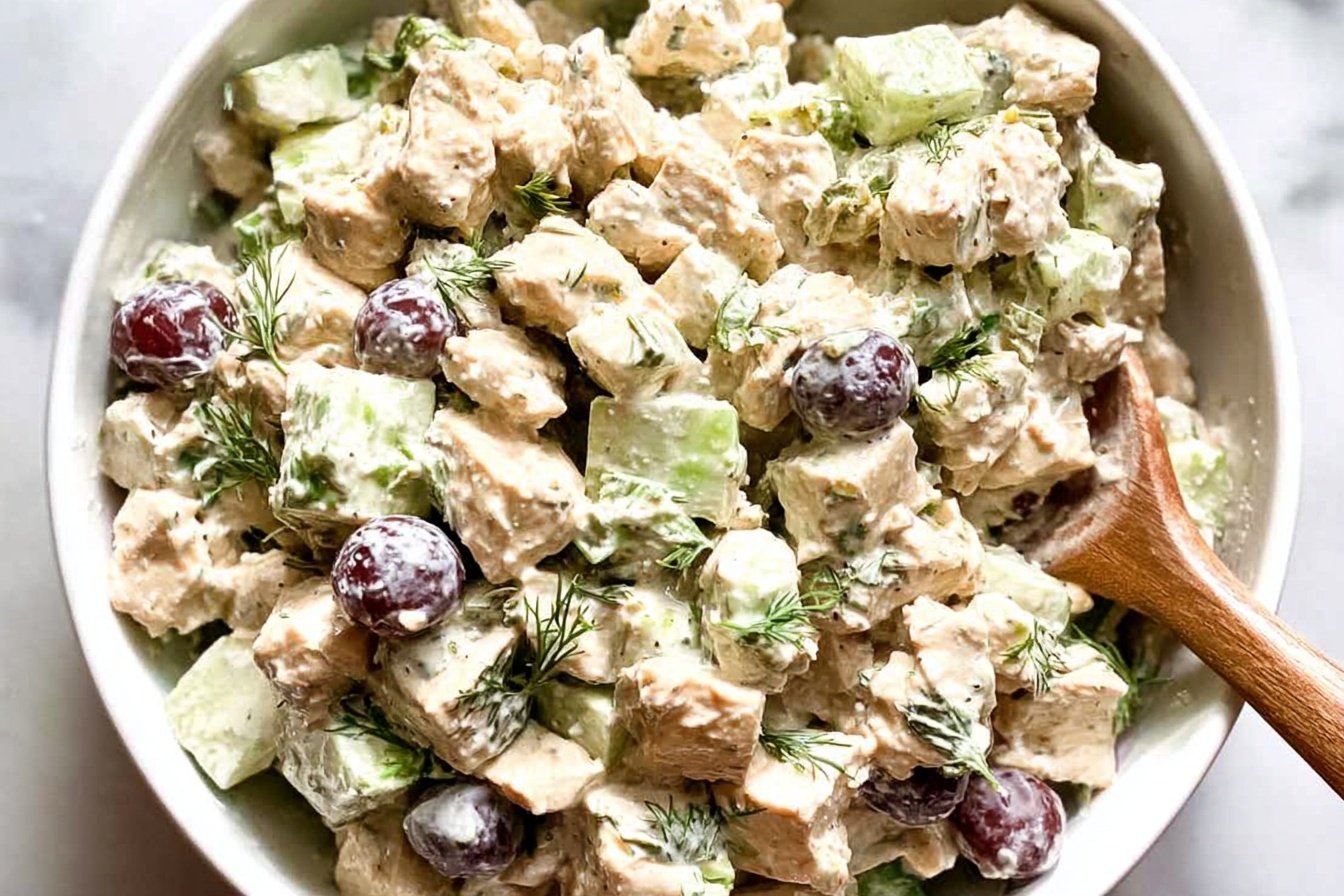
Why You’ll Love This Chicken Salad
There’s something truly satisfying about a well-made chicken salad that brings comfort and joy to any meal. Whether you’re meal prepping for busy weekdays or hosting a casual gathering, this classic recipe delivers on every front. This chicken salad strikes the perfect balance between creamy, crunchy, and savory, making it a go-to dish for home cooks everywhere.
For a quick weeknight meal, toss together shredded rotisserie chicken, diced celery, and a touch of mayo, then add your favorite herbs or a handful of nuts for extra flavor and crunch. This versatile dish works as a sandwich filling, a topping for fresh greens, or a dip for crackers when friends stop by unexpectedly.
Key Benefits of This Recipe
- Ease of Preparation: Ready in just 15 minutes with minimal chopping and mixing, this chicken salad requires no cooking if you use leftover or rotisserie chicken. Simply combine ingredients in a bowl and serve perfect for busy parents or working professionals.
- Health Benefits: Packed with 15g of protein per serving, this salad supports muscle health and keeps you feeling full longer. The addition of celery and green onion adds fiber and essential vitamins while remaining low in carbohydrates at just 1g per serving.
- Versatility: Adapt this recipe to suit any dietary preference swap mayo for Greek yogurt, serve on lettuce wraps for a low-carb option, or add grapes and nuts for sweetness and crunch. The base recipe welcomes countless variations.
- Distinctive Flavor: The combination of Dijon mustard, seasoned salt, and fresh dill creates a tangy, herb-infused taste that sets this chicken salad apart from bland deli versions. Each bite delivers a satisfying mix of textures and seasonings.
Jump To
- 1. Why You’ll Love This Chicken Salad
- 2. Essential Ingredients for Chicken Salad
- 3. How to Prepare the Perfect Chicken Salad: Step-by-Step Guide
- 4. Dietary Substitutions to Customize Your Chicken Salad
- 5. Mastering Chicken Salad: Advanced Tips and Variations
- 6. How to Store Chicken Salad: Best Practices
- 7. FAQs: Frequently Asked Questions About Chicken Salad
- 8. Chicken Salad
Essential Ingredients for Chicken Salad
Creating the perfect chicken salad starts with gathering quality ingredients in the right proportions. Each component plays a specific role in building flavor, texture, and nutritional value. Here’s everything you’ll need to make this classic recipe.
Main Ingredients List
- 2 cups cooked chopped or shredded chicken The star of the dish, providing protein and hearty texture; use leftover roasted chicken or rotisserie for convenience.
- ½ cup mayonnaise Creates the creamy base that binds all ingredients together; full-fat mayo delivers the richest flavor.
- 1 rib celery, diced Adds essential crunch and mild flavor; fresh celery also contributes vitamins A and K.
- 1 green onion, thinly sliced Provides a mild onion flavor without overpowering the dish; green onions add color and freshness.
- 1 teaspoon Dijon mustard Brings tangy depth and helps emulsify the dressing; regular mustard works as a substitute.
- ¼ teaspoon seasoned salt (adjust to taste) Delivers a balanced blend of salt and spices; start with less and add more as needed.
- ⅛ teaspoon black pepper (adjust to taste) Adds subtle heat and enhances other flavors; freshly ground pepper offers the best taste.
- 1 teaspoon chopped fresh dill or ¼ teaspoon dried dill (optional) Infuses bright, herbal notes; fresh dill provides more vibrant flavor.
Optional Additions for Extra Flavor
- 1 cup chopped red grapes or peeled apple Adds natural sweetness and juicy texture; grapes work beautifully for a fruity twist.
- 2 tablespoons chopped nuts (pecans or almonds) Contributes crunchy texture and nutty flavor; toast nuts lightly for enhanced taste.
Special Dietary Options
For those with specific dietary needs, this chicken salad adapts easily:
- Lighter Version: Replace half the mayonnaise with plain Greek yogurt to reduce calories and add protein.
- Low-Carb Option: Serve on lettuce leaves or cucumber slices instead of bread for a carb-conscious meal.
- Gluten-Free: All core ingredients are naturally gluten-free; just ensure any bread or crackers served alongside are certified gluten-free.
How to Prepare the Perfect Chicken Salad: Step-by-Step Guide
Making chicken salad requires no special skills just a few simple steps and quality ingredients. Follow this detailed guide to achieve restaurant-quality results in your own kitchen.
Step 1: Prepare Your Chicken
Start with properly cooked and cooled chicken. If using leftover cooked chicken from a previous meal, make sure it has been stored safely in the refrigerator. Chop the cooked and cooled chicken into bite-sized pieces, about ½ inch in size, using a sharp knife and cutting board. Uniform pieces ensure every bite contains a perfect balance of chicken and creamy dressing.
For the best texture, shred some pieces while leaving others chunky. This variation creates interest in each spoonful. If you’re using rotisserie chicken, remove the skin and pull the meat from the bones before chopping. A small rotisserie chicken typically yields about 2-3 cups of meat, perfect for this recipe.
Step 2: Prepare the Vegetables
While the chicken is the main ingredient, the vegetables provide essential crunch and flavor. Wash your celery rib thoroughly under cold water, then dice it into small, even pieces about ¼ inch works well. Smaller pieces distribute better throughout the salad and ensure every bite has a bit of crunch.
Next, prepare your green onion. Trim the root end and any wilted tips, then thinly slice both the white and green portions. The white part delivers more onion flavor, while the green tops add color and a milder taste. If you prefer a stronger onion presence, substitute with finely diced red onion or fresh chives.
Step 3: Mix the Base
In a medium bowl, combine your prepared chicken, mayonnaise, diced celery, and sliced green onion. Add the Dijon mustard, seasoned salt, black pepper, and dill if using. Mix everything together using a spoon or spatula, folding gently to coat all ingredients evenly without smashing the chicken pieces.
The mayonnaise should completely coat the chicken and vegetables, creating a cohesive mixture. If the salad seems too dry, add more mayonnaise one tablespoon at a time. Conversely, if it appears too wet, add a bit more chicken or drain excess liquid before serving.
Step 4: Season and Taste
Taste and adjust seasoning if necessary. This crucial step ensures your chicken salad has the perfect flavor balance. You might need more seasoned salt depending on how the chicken was originally prepared rotisserie chicken often requires less additional salt than plain poached chicken.
Consider these flavor adjustments:
- Need more tang? Add an extra teaspoon of Dijon mustard.
- Want more freshness? Increase the fresh dill or add a squeeze of lemon juice.
- Prefer more zest? A dash of garlic powder or paprika adds depth.
Step 5: Add Optional Mix-Ins
If you’re adding grapes, apples, or nuts, fold them in gently after the base is well-mixed. For grapes, quarter them or halve smaller ones to distribute the sweetness evenly. Apples should be peeled, cored, and diced into small pieces Granny Smith apples work beautifully for tart contrast.
When adding nuts, consider toasting them lightly in a dry skillet for 2-3 minutes until fragrant. This step enhances their flavor and adds an extra layer of complexity to your chicken salad. Pecans and almonds pair exceptionally well with the creamy dressing.
Step 6: Chill Before Serving
For the best flavor, refrigerate your chicken salad for at least 30 minutes before serving. This resting period allows the flavors to meld together and the seasoning to penetrate the chicken. Cover the bowl with plastic wrap or transfer to an airtight container.
While you can serve it immediately, the chilled version offers a more developed taste profile. If you’re short on time, even a brief 10-minute rest in the refrigerator makes a noticeable difference.
Step 7: Serve Your Creation
Present your chicken salad in a way that suits your occasion:
- Sandwich Style: Pile onto rolls, croissants, or your favorite bread for a hearty sandwich. Lightly toasting the bread adds warmth and texture contrast.
- Salad Plate: Serve over a bed of fresh lettuce, spinach, or mixed greens for a lighter presentation.
- Appetizer Option: Offer with crackers as a dip or spread for parties and gatherings.
- Wrap Alternative: Spoon into large lettuce leaves or tortilla wraps for a portable meal.

Dietary Substitutions to Customize Your Chicken Salad
Protein and Main Component Alternatives
While chicken remains the traditional choice, this salad welcomes several protein substitutions to accommodate different preferences or what you have on hand. Consider these alternatives when looking to switch things up or accommodate dietary needs.
Canned Chicken: When fresh cooked chicken isn’t available, canned chicken offers a convenient substitute. Drain it well and flake with a fork before mixing. The texture differs slightly but works perfectly in a pinch.
Turkey: Leftover turkey from holiday meals makes an excellent substitute for chicken. The flavor profile remains similar, though turkey tends to be leaner and slightly drier, so you may need additional mayonnaise.
Canned Tuna: For a seafood twist, substitute canned tuna for chicken. Drain thoroughly and use the same proportions. This creates a classic tuna salad with similar creamy appeal.
Chickpeas: For a plant-based option, mashed chickpeas mimic the texture of shredded chicken. Add extra seasonings and a touch more mayo to achieve the right consistency. This version works beautifully for vegetarian diets.
Vegetable, Sauce, and Seasoning Modifications
The beauty of chicken salad lies in its adaptability. Switch up the vegetables, sauces, and seasonings based on what’s in season or what your family prefers.
Vegetable Swaps: While celery provides the classic crunch, diced bell peppers, water chestnuts, or shredded carrots offer interesting alternatives. Each brings its own flavor and nutritional benefits.
Mayonnaise Alternatives: For a lighter version, replace half the mayonnaise with plain Greek yogurt. This substitution reduces calories while adding protein. Full-fat Greek yogurt maintains the creamy texture better than low-fat versions.
Herb Variations: Fresh dill creates the classic flavor, but don’t hesitate to experiment. Fresh parsley, tarragon, or basil each bring unique characteristics. Dried herbs work when fresh isn’t available just use about one-quarter of the amount called for fresh.
Seasoning Twists: Beyond seasoned salt and pepper, consider adding garlic powder, onion powder, paprika, or even a dash of hot sauce. A splash of lemon juice brightens the flavors, while a touch of honey can balance acidity.
Mastering Chicken Salad: Advanced Tips and Variations
Once you’ve mastered the basic recipe, explore these advanced techniques and creative variations to take your chicken salad to new heights. These tips will help you achieve professional-quality results every time.
Pro Cooking Techniques
For the best texture, use a combination of white and dark meat. White meat provides lean protein while dark meat adds richness and moisture. If you’re cooking chicken specifically for salad, poach boneless breasts in seasoned water for 15-20 minutes until cooked through. Let the meat cool in the poaching liquid to retain moisture.
When mixing, use a folding motion rather than stirring vigorously. This technique preserves the texture of the chicken pieces and prevents the salad from becoming mushy. A rubber spatula works best for this gentle mixing method.
Flavor Variations to Try
Transform your chicken salad into entirely new dishes with these creative flavor combinations:
| Variation | Add-Ins | Best Served On |
|---|---|---|
| Curry Chicken Salad | 1 tsp curry powder, ¼ cup golden raisins, 2 tbsp chopped cashews | Croissant or naan bread |
| Buffalo Chicken Salad | 2 tbsp buffalo sauce, ¼ cup blue cheese crumbles, extra celery | Celery sticks or wrap |
| Mediterranean Style | ¼ cup feta, 2 tbsp sun-dried tomatoes, ¼ cup kalamata olives | Pita bread or greens |
| Waldorf Style | 1 cup grapes, ½ cup walnuts, 2 tbsp honey | Croissant or bed of greens |
Presentation Tips
How you present your chicken salad elevates the eating experience. For a elegant luncheon, serve in hollowed-out tomato cups or avocado halves. For casual gatherings, present in a rustic wooden bowl surrounded by assorted crackers and breads.
Pro tip: Garnish with fresh herbs, a sprinkle of paprika, or a few whole grapes on the side. These touches add visual appeal and give diners a preview of the flavors inside.
Make-Ahead Options
Chicken salad makes an excellent make-ahead dish. Prepare the base up to three days in advance, storing it covered in the refrigerator. Add delicate ingredients like nuts or fresh herbs just before serving to maintain their texture and flavor.
For meal prep, portion the salad into individual containers. This approach works perfectly for meal prep throughout the week, giving you grab-and-go lunches ready in seconds.
How to Store Chicken Salad: Best Practices
Proper storage keeps your chicken salad fresh and safe for consumption. Follow these guidelines to maintain quality and prevent foodborne illness.
Refrigeration Guidelines
Store chicken salad in an airtight container in the refrigerator for up to 5 days. Use glass or plastic containers with tight-fitting lids to prevent air exposure and odor absorption from other foods. Before storing, press plastic wrap directly onto the surface to minimize air contact.
Always stir the salad before serving leftovers, as some separation may occur. If excess liquid pools on top, drain it off or stir it back in, depending on your preferred consistency.
Freezing Considerations
Freezing chicken salad requires careful consideration. According to food safety experts, mayonnaise-based salads don’t freeze well because the emulsion breaks down upon thawing. The texture becomes watery and grainy, significantly affecting quality.
However, you can freeze cooked chicken separately for up to 3 months. Portion diced chicken into freezer bags, remove air, and flatten for space-efficient storage. Thaw overnight in the refrigerator before making fresh salad.
Food Safety Tips
- Never leave chicken salad at room temperature for more than 2 hours.
- If outdoor temperatures exceed 90°F, reduce this to 1 hour.
- Use clean utensils when serving to prevent contamination.
- Label containers with preparation dates for easy tracking.
- When in doubt about freshness, discard the salad.
FAQs: Frequently Asked Questions About Chicken Salad
How long does chicken salad last in the fridge?
Homemade chicken salad typically lasts 3 to 5 days when stored properly in an airtight container in the refrigerator at 40°F (4°C) or below. Factors like fresh ingredients and mayonnaise quality affect shelf life—avoid leaving it at room temperature for more than 2 hours (1 hour if above 90°F). Check for spoilage signs: off smell, slimy texture, or mold. For safety, label containers with dates and consume sooner if using hard-boiled eggs or celery, which can speed up bacterial growth. USDA guidelines recommend discarding after 5 days to prevent foodborne illness. Tip: Portion into smaller containers to minimize air exposure and extend freshness. Always thaw frozen portions in the fridge, not counter.
Can I use rotisserie chicken for chicken salad?
Yes, rotisserie chicken works great for chicken salad—it’s tender, flavorful, and saves time on cooking. Remove skin for less fat, or keep it for extra taste. Shred or chop 2-3 cups (about one small rotisserie bird) into bite-sized pieces. Dark meat adds moisture and richness compared to white meat, but mix both for balance. Let it cool fully before mixing to avoid wilting other ingredients. Pro tip: Drain any juices to prevent a watery salad. This shortcut yields restaurant-quality results; many recipes call for it specifically. Store-bought rotisserie stays fresh 3-4 days in the fridge, so use within that window for best quality.
What can I add to chicken salad for more flavor?
Customize your chicken salad with these popular add-ins for texture and taste: Chopped grapes or apples (1/2 cup) for sweetness and crunch; toasted pecans, almonds, or walnuts (1/4 cup) for nuttiness; celery or red onion (1/2 cup diced) for crispness. For heat, stir in buffalo sauce, sriracha, or chopped jalapeños (1-2 tsp). Other favorites include sweet relish (2 tbsp), hard-boiled eggs (2 chopped), or dried cranberries. Start with 1/4 cup total add-ins per 3 cups chicken to avoid overpowering the base. Mix gently and chill 1 hour for flavors to meld. These tweaks make it versatile for sandwiches, wraps, or lettuce cups—experiment based on your pantry.
Can you freeze chicken salad?
You can freeze chicken salad, but results vary—mayonnaise-based versions separate upon thawing, becoming watery or grainy. Best for plain chicken mixtures without mayo; add creamy dressing after thawing. Portion into freezer bags (flatten for space), removing air, and freeze up to 1-2 months at 0°F (-18°C). Thaw overnight in the fridge, stir well, and drain excess liquid. Avoid freezing if it contains lettuce, celery, or eggs, as they get mushy. For better texture, use Greek yogurt instead of mayo before freezing. Quick test: Freeze a small batch first. Revive with fresh herbs or a squeeze of lemon. Not ideal long-term, but handy for meal prep.
How many calories are in chicken salad?
A standard 1/2-cup serving of classic chicken salad (with mayo, celery, onion) has about 250-350 calories, depending on ingredients: 3 oz chicken (140 cal), 2 tbsp mayo (190 cal), plus veggies (negligible). Opt for light mayo or Greek yogurt to drop to 180-250 calories. Rotisserie chicken adds 10-20 cal from seasoning. Nuts or grapes bump it by 50-100 cal per 1/4 cup. Track with apps like MyFitnessPal for precision. Nutrition perks: 20g protein, vitamins A/C from veggies. Make it healthier with avocado (healthy fats, 120 cal/tbsp) or no mayo (vinaigrette dressing). Pairs well with whole-grain bread for balanced 400-cal sandwiches—great for weight management.
Chicken Salad
- Total Time: 15 minutes
- Yield: 4 servings
- Diet: Gluten-Free
Description
🥗 Classic chicken salad bursting with creamy mayo, crisp celery, and fresh dill – quick 15-minute lunch that’s versatile and delicious!
🍗 High-protein, customizable with grapes or nuts – perfect for sandwiches, wraps, or crackers any day!
Ingredients
– 2 cups cooked chopped or shredded chicken for protein and hearty texture
– ½ cup mayonnaise for creamy base
– 1 rib celery, diced for crunch and mild flavor
– 1 green onion, thinly sliced for mild onion flavor
– 1 teaspoon Dijon mustard for tangy depth
– ¼ teaspoon seasoned salt (adjust to taste) for balanced seasoning
– ⅛ teaspoon black pepper (adjust to taste) for subtle heat
– 1 teaspoon chopped fresh dill or ¼ teaspoon dried dill (optional) for herbal notes
– 1 cup chopped red grapes or peeled apple for sweetness and juicy texture
– 2 tablespoons chopped nuts (pecans or almonds) for crunchy texture and nutty flavor
Instructions
1-Step 1: Prepare Your Chicken Start with properly cooked and cooled chicken. If using leftover cooked chicken from a previous meal, make sure it has been stored safely in the refrigerator. Chop the cooked and cooled chicken into bite-sized pieces, about ½ inch in size, using a sharp knife and cutting board. Uniform pieces ensure every bite contains a perfect balance of chicken and creamy dressing. For the best texture, shred some pieces while leaving others chunky. This variation creates interest in each spoonful. If you’re using rotisserie chicken, remove the skin and pull the meat from the bones before chopping. A small rotisserie chicken typically yields about 2-3 cups of meat, perfect for this recipe.
2-Step 2: Prepare the Vegetables While the chicken is the main ingredient, the vegetables provide essential crunch and flavor. Wash your celery rib thoroughly under cold water, then dice it into small, even pieces about ¼ inch works well. Smaller pieces distribute better throughout the salad and ensure every bite has a bit of crunch. Next, prepare your green onion. Trim the root end and any wilted tips, then thinly slice both the white and green portions. The white part delivers more onion flavor, while the green tops add color and a milder taste. If you prefer a stronger onion presence, substitute with finely diced red onion or fresh chives.
3-Step 3: Mix the Base In a medium bowl, combine your prepared chicken, mayonnaise, diced celery, and sliced green onion. Add the Dijon mustard, seasoned salt, black pepper, and dill if using. Mix everything together using a spoon or spatula, folding gently to coat all ingredients evenly without smashing the chicken pieces. The mayonnaise should completely coat the chicken and vegetables, creating a cohesive mixture. If the salad seems too dry, add more mayonnaise one tablespoon at a time. Conversely, if it appears too wet, add a bit more chicken or drain excess liquid before serving.
4-Step 4: Season and Taste Taste and adjust seasoning if necessary. This crucial step ensures your chicken salad has the perfect flavor balance. You might need more seasoned salt depending on how the chicken was originally prepared rotisserie chicken often requires less additional salt than plain poached chicken. Consider these flavor adjustments:* Need more tang? Add an extra teaspoon of Dijon mustard.* Want more freshness? Increase the fresh dill or add a squeeze of lemon juice.* Prefer more zest? A dash of garlic powder or paprika adds depth.
5-Step 5: Add Optional Mix-Ins If you’re adding grapes, apples, or nuts, fold them in gently after the base is well-mixed. For grapes, quarter them or halve smaller ones to distribute the sweetness evenly. Apples should be peeled, cored, and diced into small pieces Granny Smith apples work beautifully for tart contrast. When adding nuts, consider toasting them lightly in a dry skillet for 2-3 minutes until fragrant. This step enhances their flavor and adds an extra layer of complexity to your chicken salad. Pecans and almonds pair exceptionally well with the creamy dressing.
6-Step 6: Chill Before Serving For the best flavor, refrigerate your chicken salad for at least 30 minutes before serving. This resting period allows the flavors to meld together and the seasoning to penetrate the chicken. Cover the bowl with plastic wrap or transfer to an airtight container. While you can serve it immediately, the chilled version offers a more developed taste profile. If you’re short on time, even a brief 10-minute rest in the refrigerator makes a noticeable difference.
7-Step 7: Serve Your Creation Present your chicken salad in a way that suits your occasion:* Sandwich Style: Pile onto rolls, croissants, or your favorite bread for a hearty sandwich. Lightly toasting the bread adds warmth and texture contrast.* Salad Plate: Serve over a bed of fresh lettuce, spinach, or mixed greens for a lighter presentation.* Appetizer Option: Offer with crackers as a dip or spread for parties and gatherings.* Wrap Alternative: Spoon into large lettuce leaves or tortilla wraps for a portable meal.
Notes
🍗 Use leftover rotisserie or grilled chicken for maximum flavor and convenience.
🌿 Substitute green onion with chives or finely diced red onion for variety.
❄️ Refrigerate in an airtight container up to 5 days; stir before serving – do not freeze mixed salad.
- Prep Time: 15 minutes
- Category: Salads
- Method: No Cook
- Cuisine: American
Nutrition
- Serving Size: ½ cup
- Calories: 206
- Sugar: 1g
- Sodium: 362mg
- Fat: 16g
- Saturated Fat: 3g
- Unsaturated Fat: 13g
- Trans Fat: 0g
- Carbohydrates: 1g
- Fiber: 1g
- Protein: 15g
- Cholesterol: 48mg
Keywords: classic chicken salad, creamy chicken salad, easy lunch salad, chicken salad sandwich