
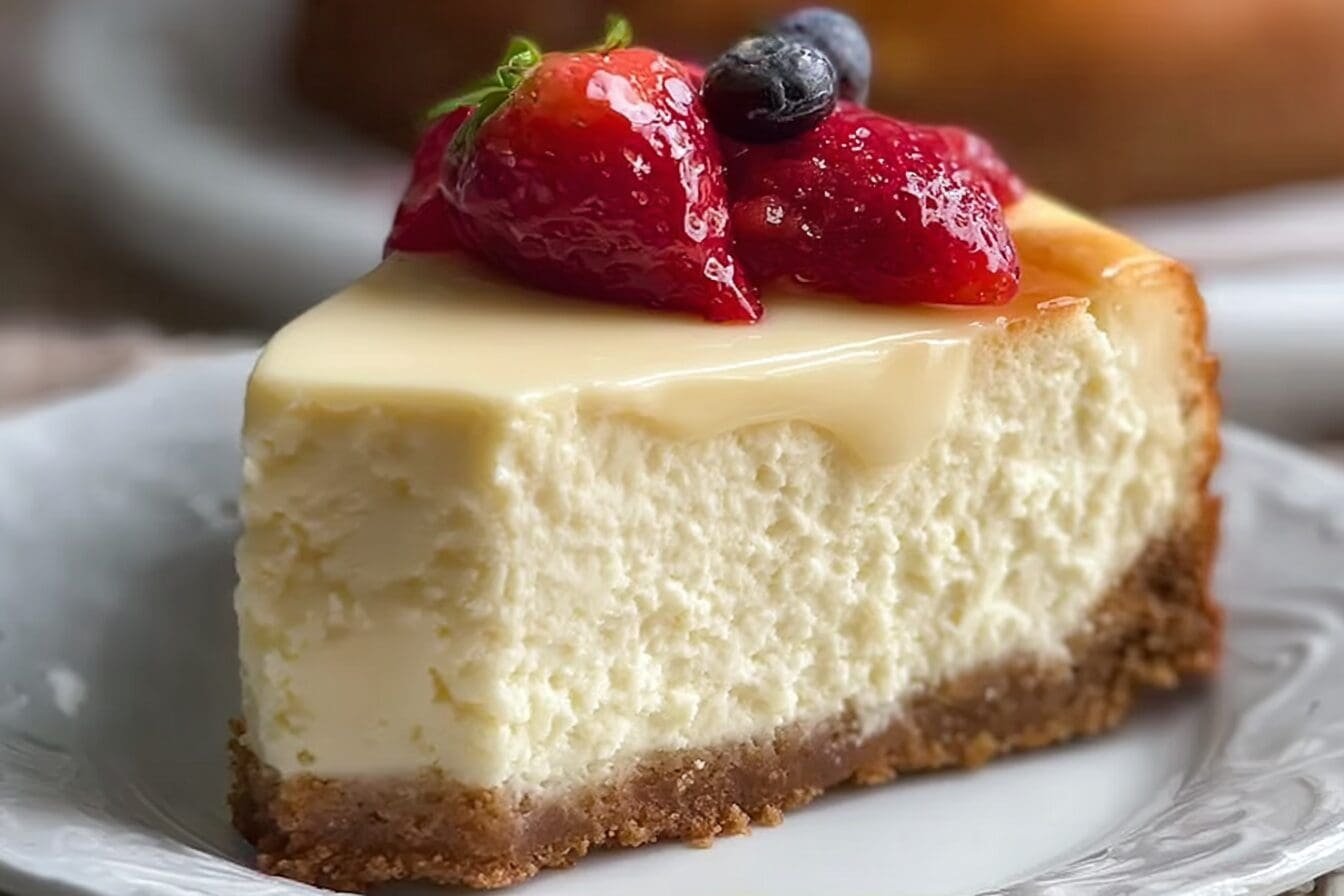
Why You’ll Love This Cheesecake Recipes
There’s something undeniably special about a perfectly made cheesecake. Its rich, creamy texture and subtle sweetness make it a beloved dessert for all occasions. This cheesecake recipe for a smooth and creamy dessert will quickly become a favorite in your collection for several compelling reasons.
Ease of preparation: This cheesecake recipe is simple and quick to prepare, requiring minimal ingredients and straightforward steps. Whether you’re a beginner or an experienced baker, you can have a delicious cheesecake ready in under an hour. The process is approachable and doesn’t require any special equipment beyond a standard springform pan.
Health benefits: Made with healthier ingredient choices, this cheesecake provides a balanced treat option. It includes nutritional advantages such as lower sugar content and options for incorporating protein-rich or low-fat components, promoting wellness without sacrificing flavor. With some simple substitutions, you can create a dessert that fits into various dietary plans.
Versatility: Adaptable for various dietary preferences, this cheesecake recipe can easily be modified for vegan, gluten-free, or low-calorie diets. Its flexible nature makes it suitable for different occasions and health needs. Whether you’re serving it at a holiday gathering or as a simple weeknight treat, this recipe delivers consistently delicious results.
Distinctive flavor: Featuring a unique blend of ingredients and a creamy texture, this cheesecake stands out with its rich yet subtle taste that appeals to all palates. Its flavor profile is enhanced by carefully chosen spices or toppings that elevate the experience. The balance of sweet and tangy notes creates a sophisticated dessert that satisfies without being overly sweet.
If you enjoy creative cheesecake variations, you might also like our cinnamon roll honeybun cheesecake, which combines classic flavors in a delightful twist.
Jump To
- 1. Why You’ll Love This Cheesecake Recipes
- 2. Essential Ingredients for Cheesecake Recipes
- 3. How to Prepare the Perfect Cheesecake Recipes: Step-by-Step Guide
- 4. Dietary Substitutions to Customize Your Cheesecake Recipes
- 5. Mastering Cheesecake Recipes: Advanced Tips and Variations
- 6. How to Store Cheesecake Recipes: Best Practices
- 7. FAQs: Frequently Asked Questions About Cheesecake Recipes
- 8. Cheesecake Recipes
Essential Ingredients for Cheesecake Recipes
The secret to a perfect cheesecake lies in using quality ingredients and precise measurements. Each component plays a crucial role in creating the texture and flavor that make cheesecake so irresistible. Here’s what you’ll need to create this cheesecake recipe for a smooth and creamy dessert.
Graham Cracker Crust
- 1 ½ cups (170g) graham cracker crumbs
- 2 tablespoons sugar
- 1 tablespoon brown sugar
- 7 tablespoons melted butter
Cheesecake Filling
- 32 oz (910g) cream cheese softened to room temperature
- 1 cup (200g) sugar
- ⅔ cup (160g) sour cream
- 1 ½ teaspoons vanilla extract
- ⅛ teaspoon salt
- 4 large eggs lightly beaten and at room temperature
For those looking to customize this recipe, here are some special dietary options:
Special Dietary Options
- Vegan: Use plant-based cream cheese and egg replacers like flaxseed or aquafaba.
- Gluten-free: Substitute graham cracker crumbs with certified gluten-free crumbs or crushed nuts.
- Low-calorie: Opt for reduced-fat cream cheese, natural sweeteners, and a thin crust or crustless variation.
For the best results, use brick-style cream cheese rather than whipped or tub varieties, which contain air pockets and can affect the final texture of your cheesecake.
How to Prepare the Perfect Cheesecake Recipes: Step-by-Step Guide
Creating the perfect cheesecake might seem intimidating, but with these detailed instructions, you’ll achieve bakery-quality results at home. This cheesecake recipe for a smooth and creamy dessert breaks down the process into manageable steps that ensure success every time.
Preparing the Crust
- Preheat the oven: Start by preheating your oven to 325°F (160°C). This moderate temperature ensures even baking without overcooking the edges before the center sets.
- Mix crust ingredients: In a medium bowl, combine the graham cracker crumbs, 2 tablespoons sugar, 1 tablespoon brown sugar, and 7 tablespoons melted butter. Mix until all the crumbs are evenly coated with butter.
- Press into pan: Press the mixture firmly onto the bottom and sides of a 9-inch springform pan. Using the bottom of a measuring cup or glass can help create an even, compact crust that won’t crumble when sliced.
Making the Filling
- Beat cream cheese: In a large bowl, beat the 32 oz (910g) cream cheese until smooth without over-mixing. This is crucial for avoiding lumps in your final cheesecake.
- Add sugar: Add 1 cup (200g) sugar and mix until creamy. Continue scraping the bowl often to ensure all ingredients are well incorporated.
- Add remaining ingredients: Stir in ⅔ cup (160g) sour cream, 1 ½ teaspoons vanilla extract, and ⅛ teaspoon salt. Scrape the bowl often to ensure everything is well combined.
- Incorporate eggs: Add 4 large eggs one at a time on low speed, mixing just until combined. Overmixing at this stage can incorporate too much air, leading to cracking during baking.
Baking and Cooling
- Pour and bake: Pour the batter into the crust on a foil-lined cookie sheet. Bake for 50-60 minutes until the edges are slightly puffed and the center is jiggly but springs back to touch.
- Initial cooling: Cool the cheesecake on top of the oven for 10 minutes, then loosen the crust by running a knife around the pan edges. This helps prevent cracking as the cake contracts during cooling.
- Final cooling: Allow the cheesecake to cool for 1-2 hours to near room temperature, then refrigerate for at least 6 hours or overnight before removing the pan collar and serving.
| Stage | Temperature | Time | Visual Indicators |
|---|---|---|---|
| Preheating | 325°F (160°C) | – | Oven fully heated |
| Baking | 325°F (160°C) | 50-60 minutes | Edges puffed, center jiggly but springs back |
| Initial cooling | Room temperature | 10 minutes | On top of oven, run knife around edges |
| Full cooling | Room temperature | 1-2 hours | Cooled to near room temperature |
| Chilling | Refrigerator | 6+ hours or overnight | Completely set and firm |

Dietary Substitutions to Customize Your Cheesecake Recipes
One of the wonderful things about cheesecake recipes is their adaptability. With a few simple substitutions, you can customize this dessert to meet various dietary needs while maintaining that delicious creamy texture we all love.
Protein and Main Component Alternatives
- Dairy-free options: Use silken tofu or cashew cream as dairy-free bases for vegan cheesecakes. These alternatives create a surprisingly similar texture when properly prepared and seasoned.
- Egg substitutions: Substitute eggs with flaxseed meal mixed with water or commercial egg replacers for vegans or allergy-sensitive diets. Each large egg typically requires 1 tablespoon of flaxseed meal mixed with 3 tablespoons of water.
- Cream cheese alternatives: For those sensitive to dairy, try high-quality plant-based cream cheese alternatives available at most grocery stores. Some brands perform better in baking than others, so look for ones specifically labeled as suitable for baking.
Vegetable, Sauce, and Seasoning Modifications
- Fruit additions: Incorporate seasonal fruits like berries or citrus zest as natural flavor enhancers. Fresh fruit can be swirled into the batter before baking or used as a topping after the cheesecake has cooled.
- Sweetener alternatives: Use sugar alternatives such as honey or maple syrup for a different sweetener option. These liquid sweeteners may require slight adjustments to the recipe’s liquid content.
- Spice variations: Add spices like cinnamon, nutmeg, or cardamom to vary the flavor profile while accommodating diverse taste preferences. A pinch of sea salt can also enhance the overall flavor by bringing out the sweetness.
For a delightful variation on traditional cheesecake, try our pecan cheesecake pie, which combines the rich flavors of pecans with creamy cheesecake filling.
Mastering Cheesecake Recipes: Advanced Tips and Variations
Once you’ve mastered the basic cheesecake recipe, you might want to experiment with techniques and variations to elevate your dessert game. These advanced tips will help you create professional-quality cheesecakes that are sure to impress.
Pro Cooking Techniques
To achieve a silky smooth texture, bake the cheesecake in a water bath to regulate heat and prevent cracks. The gentle, even heat from the water bath creates a uniform texture throughout the cheesecake. If you don’t want to use a full water bath, place a pan of hot water on the rack below the cheesecake to add moisture to the oven.
Use room temperature ingredients to ensure proper incorporation. Cold ingredients can create lumps and affect the final texture. Plan ahead and set your cream cheese, eggs, and sour cream out about 30-60 minutes before you begin baking.
Avoid overmixing the batter, especially after adding the eggs. Overmixing incorporates air bubbles that can cause the cheesecake to puff up during baking and then collapse as it cools, leading to cracks. Mix on low speed just until ingredients are combined.
Flavor Variations
Experiment with adding chocolate, citrus zest, or coffee to the filling. For a chocolate cheesecake, melt 4-6 ounces of dark chocolate and blend it with the cream cheese before adding other ingredients. Lemon or orange zest adds brightness, while espresso powder enhances chocolate flavors.
Incorporate fruit compotes or nuts into the crust or topping for added taste and texture. A simple berry compote can be made by simmering fresh or frozen berries with a little sugar until thickened. Nut crusts using pecans, walnuts, or almonds add a sophisticated crunch and richness.
Presentation Tips
Serve individual portions in glass jars for a modern, portable dessert. These single-serving cheesecakes are perfect for parties and allow for creative layering with toppings.
Decorate with fresh fruit, edible flowers, or a dusting of powdered sugar for an elegant look. For special occasions, consider using a stencil to create patterns with cocoa powder or powdered sugar on top.
When serving, use a knife dipped in hot water and wiped clean between cuts for perfect, clean slices. This technique prevents the cheesecake from sticking to the knife and creating messy edges.
Make-Ahead Options
Cheesecakes can be prepared a day in advance and stored refrigerated. In fact, the flavor often improves after a day of chilling, as the ingredients have time to meld together.
For busy schedules, consider freezing portions and thawing before serving for fresh taste and convenience. Wrap individual slices tightly in plastic wrap and then in foil before freezing for up to 2 months.
How to Store Cheesecake Recipes: Best Practices
Proper storage is key to maintaining the quality and safety of your cheesecake. These storage tips will help you keep your dessert fresh and delicious for as long as possible.
Refrigeration
Store cheesecake in an airtight container in the refrigerator for up to 5 days to maintain freshness and texture. Cover the cheesecake with plastic wrap or foil to prevent it from absorbing odors from other foods in your refrigerator.
If your cheesecake has fruit toppings or delicate decorations, consider refrigerating it uncovered for an hour before covering to prevent condensation from making the topping soggy.
Freezing
Wrap cheesecake tightly in plastic wrap and aluminum foil, then freeze for up to 2 months. For individual portions, freeze slices separately on a baking sheet before wrapping them to prevent them from sticking together.
Thaw overnight in the refrigerator before serving. This slow thawing process helps maintain the creamy texture and prevents ice crystals from forming on the surface.
Reheating
Avoid reheating cheesecake to preserve texture; instead, serve chilled or at room temperature for optimal flavor. The delicate balance of ingredients in cheesecake can be affected by heat, which can cause the texture to become grainy or separated.
Meal Prep Considerations
When batch cooking, portion cheesecake slices and store individually to simplify serving and maintain quality. Pre-portioned slices are perfect for quick desserts or packing in lunches.
If you’re planning to serve cheesecake at an event, prepare it a day or two in advance to free up time on the day of the event. The cheesecake will only improve with a little extra time to set and develop its flavors.
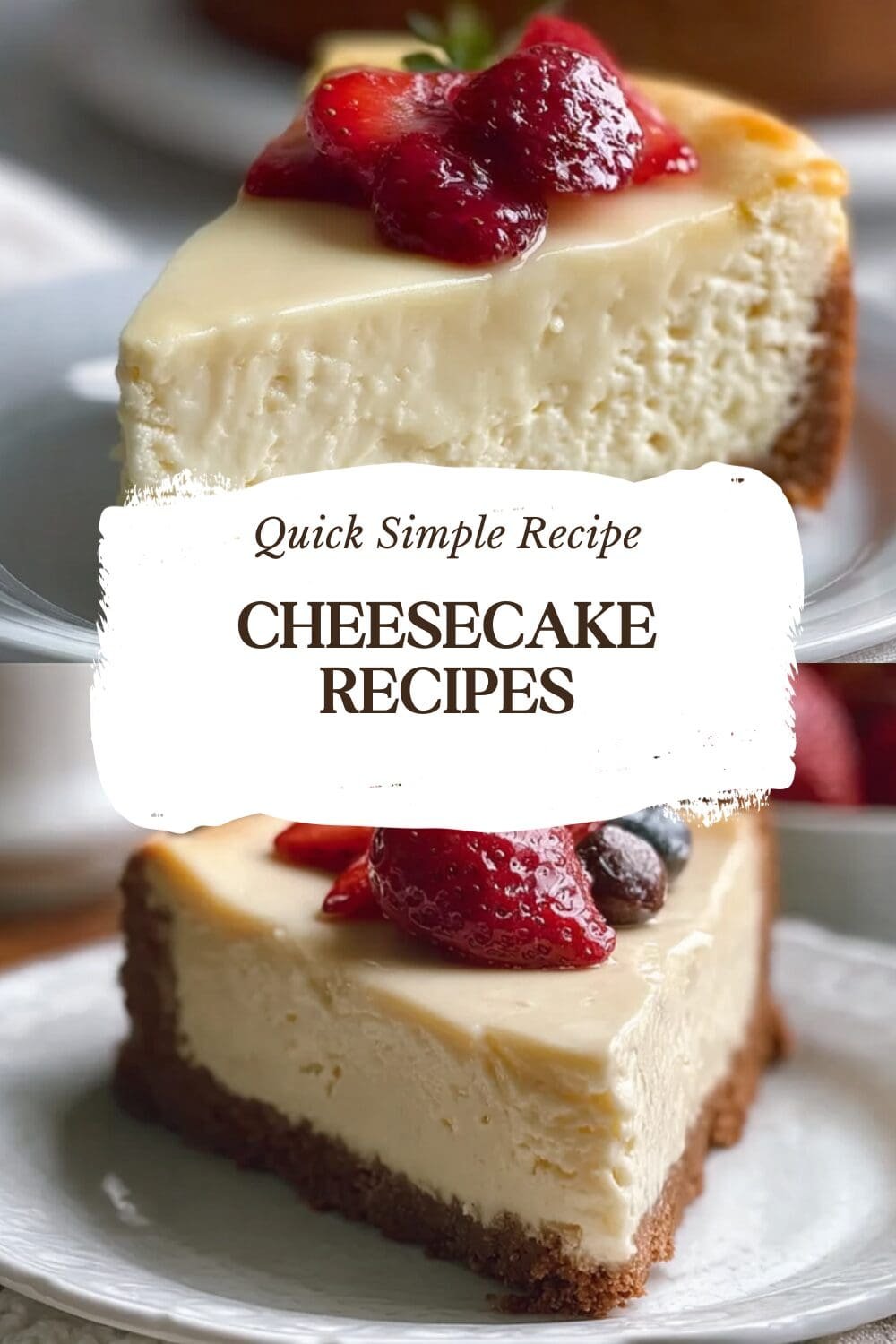
FAQs: Frequently Asked Questions About Cheesecake Recipes
How do I keep my cheesecake from cracking while it cools?
To avoid cracks, let the cheesecake cool gradually. First, leave it in the oven with the door slightly open for 10 minutes after baking. Then, run a knife gently around the edges of the pan to loosen the crust. Allow the cake to cool completely at room temperature before refrigerating. This slow cooling prevents sudden temperature changes that often cause cracking.
Can I bake cheesecake without using a water bath?
Yes, you can bake cheesecake without a water bath by baking at a low temperature (around 325°F) and following careful baking techniques. Use room temperature ingredients, avoid over-mixing the batter, and do not open the oven door during baking. These steps help produce a smooth, creamy cheesecake without cracks even without a water bath.
What’s the best way to store leftover cheesecake?
Store cheesecake in the refrigerator, tightly covered with plastic wrap or foil to prevent it from drying out or absorbing other odors. Avoid leaving it at room temperature for more than four hours to reduce the risk of spoilage. Proper refrigeration keeps the cheesecake fresh for up to 5 days.
Is it possible to freeze cheesecake and how should it be thawed?
Cheesecake freezes well if wrapped tightly in plastic wrap and then in foil after it has cooled and chilled. For best results, thaw it slowly overnight in the refrigerator. Avoid thawing at room temperature to maintain texture and flavor.
Can I make mini cheesecakes using a standard cheesecake recipe?
Yes, you can make mini cheesecakes by adjusting the baking time. Use muffin tins or mini springform pans and check doneness earlier than usual — start looking around 20-25 minutes depending on oven and size. Mini cheesecakes often bake faster, so watch for a slightly jiggly center before removing from the oven.
Cheesecake Recipes
- Total Time: 7 hours
- Yield: 12 servings 1x
- Diet: Vegetarian
Description
🍰 This Cheesecake Recipe ensures a smooth and creamy texture, making it a perfect indulgent dessert for any occasion.
🌟 Using simple ingredients and thoughtful techniques, this recipe delivers rich flavor and a flawless finish every time.
Ingredients
1 ½ cups (170g) graham cracker crumbs
2 tablespoons sugar
1 tablespoon brown sugar
7 tablespoons melted butter
32 oz (910g) cream cheese softened to room temperature
1 cup (200g) sugar
⅔ cup (160g) sour cream
1 ½ teaspoons vanilla extract
⅛ teaspoon salt
4 large eggs lightly beaten and at room temperature
Instructions
1-Preheat the oven: Start by preheating your oven to 325°F (160°C). This moderate temperature ensures even baking without overcooking the edges before the center sets.
2-Mix crust ingredients: In a medium bowl, combine the graham cracker crumbs, 2 tablespoons sugar, 1 tablespoon brown sugar, and 7 tablespoons melted butter. Mix until all the crumbs are evenly coated with butter.
3-Press into pan: Press the mixture firmly onto the bottom and sides of a 9-inch springform pan. Using the bottom of a measuring cup or glass can help create an even, compact crust that won’t crumble when sliced.
4-Beat cream cheese: In a large bowl, beat the 32 oz (910g) cream cheese until smooth without over-mixing. This is crucial for avoiding lumps in your final cheesecake.
5-Add sugar: Add 1 cup (200g) sugar and mix until creamy. Continue scraping the bowl often to ensure all ingredients are well incorporated.
6-Add remaining ingredients: Stir in ⅔ cup (160g) sour cream, 1 ½ teaspoons vanilla extract, and ⅛ teaspoon salt. Scrape the bowl often to ensure everything is well combined.
7-Incorporate eggs: Add 4 large eggs one at a time on low speed, mixing just until combined. Overmixing at this stage can incorporate too much air, leading to cracking during baking.
8-Pour and bake: Pour the batter into the crust on a foil-lined cookie sheet. Bake for 50-60 minutes until the edges are slightly puffed and the center is jiggly but springs back to touch.
9-Initial cooling: Cool the cheesecake on top of the oven for 10 minutes, then loosen the crust by running a knife around the pan edges. This helps prevent cracking as the cake contracts during cooling.
10-Final cooling: Allow the cheesecake to cool for 1-2 hours to near room temperature, then refrigerate for at least 6 hours or overnight before removing the pan collar and serving.
Notes
🍶 Use room temperature ingredients to ensure smooth batter and prevent cracking.
🥚 Lightly beat eggs before adding to avoid overmixing and cracking.
❄️ Cool gradually and avoid opening the oven to maintain even baking and a perfect texture.
- Prep Time: 20 minutes
- Chilling time: 6 hours or overnight
- Cook Time: 50-60 minutes
- Category: Dessert
- Method: Baking
- Cuisine: American
Nutrition
- Serving Size: 1 slice
- Calories: 500
- Sugar: 24 grams
- Sodium: 450 mg
- Fat: 36 grams
- Saturated Fat: 22 grams
- Unsaturated Fat: Not specified
- Trans Fat: 0 grams
- Carbohydrates: 32 grams
- Fiber: 0 grams
- Protein: 8 grams
- Cholesterol: 179 mg
Keywords: Cheesecake, Creamy, Dessert, Classic