
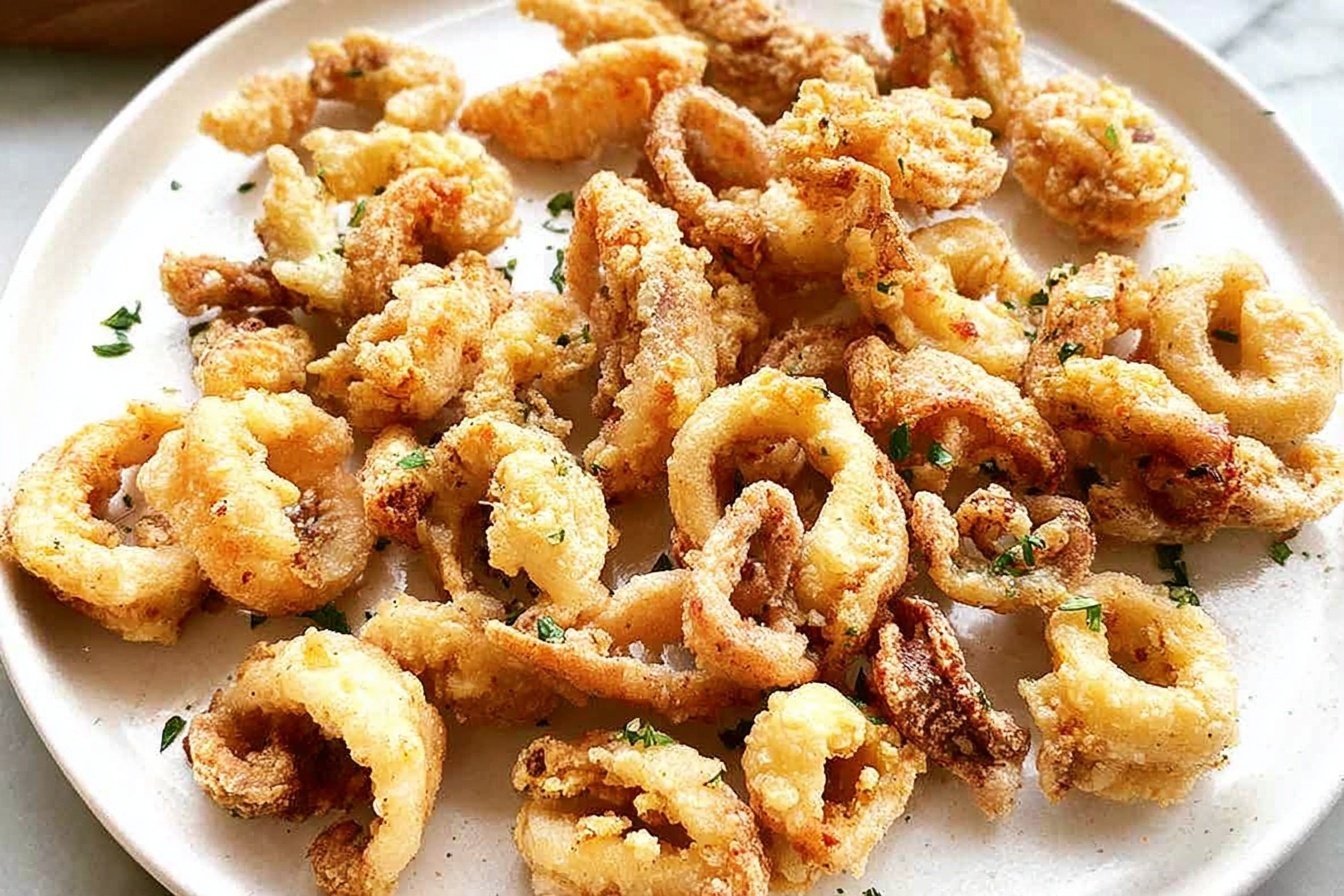
Why You’ll Love This Calamari
There’s something truly magical about perfectly cooked calamari that keeps you coming back for more. Whether you’ve enjoyed it at a seaside restaurant or your local Italian spot, making crispy fried calamari rings at home is easier than you might think. This recipe delivers restaurant-quality results with minimal effort, making it a fantastic addition to your cooking repertoire.
Here’s why this fried calamari recipe deserves a spot in your weekly meal rotation:
- Ease of preparation: With just 15 minutes of prep time and a quick 2-minute fry, you’ll have golden, crispy squid rings on the table faster than ordering takeout. The straightforward technique means even beginner cooks can achieve perfect results on the first try.
- Health benefits: Squid provides an excellent source of lean protein with about 18 grams per 3-ounce serving. It’s packed with Vitamin B12 for nerve health and selenium for immune support. While it does contain cholesterol, the low mercury levels make it a safer seafood choice for most people.
- Versatility: This crispy calamari works as an appetizer, main course, or salad topper. Serve it with marinara sauce, aioli, or a squeeze of fresh lemon. You can also adapt the seasoning blend to match your favorite flavors.
- Distinctive flavor: The combination of a light, crispy coating and tender, sweet squid meat creates an irresistible contrast. When cooked properly, calamari has a delicate, slightly sweet taste that pairs beautifully with the savory, crunchy exterior.
Beyond the delicious results, cooking calamari at home gives you complete control over ingredients and freshness. You can adjust seasonings to your liking and skip the heavy breading often found at restaurants. Plus, it’s a fun way to introduce your family to new proteins and expand your culinary horizons.
Jump To
- 1. Why You’ll Love This Calamari
- 2. Essential Ingredients for Calamari
- 3. How to Prepare the Perfect Calamari: Step-by-Step Guide
- 4. Protein and Main Component Alternatives
- 5. Vegetable, Sauce, and Seasoning Modifications
- 6. Mastering Calamari: Advanced Tips and Variations
- 7. How to Store Calamari: Best Practices
- 8. FAQs: Frequently Asked Questions About Calamari
- 9. Calamari
Essential Ingredients for Calamari
Creating the perfect crispy fried calamari rings starts with quality ingredients. Here’s everything you’ll need to make this recipe a success:
Main Ingredients
- 1 pound fresh or thawed squid tubes and tentacles – The star of the show, squid should smell clean and ocean-fresh, not fishy. Look for firm, translucent flesh without discoloration.
- 1 cup all-purpose flour – Creates the base for a light, crispy coating. The flour adheres to the squid and provides structure for the crunch.
- 1/2 cup cornstarch – Added to the flour mixture for extra crispiness. Cornstarch helps create that restaurant-style crunch that stays light rather than heavy.
- 1 teaspoon salt – Essential for seasoning the coating and bringing out the natural sweetness of the squid.
- 1/2 teaspoon black pepper – Adds a subtle heat and depth of flavor to complement the mild squid.
- 1/2 teaspoon garlic powder – Infuses the coating with savory flavor without the risk of burning fresh garlic in the hot oil.
- 1/2 teaspoon paprika – Contributes a warm, slightly smoky flavor and gives the finished calamari a beautiful golden color.
- 2 large eggs, beaten – Acts as the binding agent that helps the flour mixture stick to the squid rings.
- 1/2 cup buttermilk (optional) – Adding this to the egg mixture creates an even crispier coating and helps tenderize the squid.
- Vegetable or canola oil for frying – Use an oil with a high smoke point. You’ll need enough to fill your pot or deep fryer with 2-3 inches of oil.
For Serving
- Lemon wedges – A squeeze of fresh acid brightens the rich, fried flavors and cuts through any heaviness.
- Marinara sauce or aioli – Classic dipping sauces that complement the crispy calamari perfectly.
- Fresh parsley, chopped – A sprinkle of herbs adds color and a fresh flavor note to the finished dish.
Special Dietary Options
- Gluten-free: Replace all-purpose flour with a 1:1 gluten-free flour blend or rice flour for equally crispy results.
- Low-calorie: Instead of deep-frying, try grilling or air-frying the breaded calamari for a lighter version.
- Dairy-free: Skip the buttermilk or substitute with a plant-based alternative like unsweetened almond milk mixed with a teaspoon of lemon juice.
How to Prepare the Perfect Calamari: Step-by-Step Guide
Making crispy fried calamari rings at home is a straightforward process, but attention to detail makes all the difference. Follow these steps for perfectly tender squid with a golden, crunchy coating every time.
Step One: Clean and Prepare the Squid
If you purchased pre-cleaned squid tubes, you can skip ahead to slicing. For whole squid, proper cleaning ensures the best flavor and texture. Start by rinsing the whole squid under cold running water. Grip the head and tentacles firmly, then pull them away from the body tube in one smooth motion. The guts will come out attached to the head.
Cut off the head just below the eyes, keeping the tentacles intact. Locate the beak in the center of the tentacles and squeeze it out, discarding it. The tentacles are now ready to cook. Reach inside the tube and remove the clear, plastic-like quill, pulling it out completely. Scrape out any remaining bits and rinse the tube inside and out.
Pro tip: The thin, speckled skin on the outside of the tube can be left on or peeled off. Removing it gives a cleaner appearance, but leaving it on adds a bit of extra texture and color.
Slice the cleaned tubes into 1/2-inch rings for even cooking. Pat all pieces thoroughly dry with paper towels. This step is crucial because excess moisture leads to soggy, oily calamari.
Step Two: Set Up Your Dredging Station
Prepare your breading station before heating the oil. In a shallow dish or pie plate, whisk together the flour, cornstarch, salt, pepper, garlic powder, and paprika until well combined. In another shallow dish, beat the eggs with buttermilk if using.
This setup allows for efficient coating. You’ll dip each piece of squid into the egg mixture, then into the flour mixture, shaking off excess between each step. Work in batches to avoid overcrowding your dishes.
Step Three: Heat the Oil
Pour oil into a deep pot or Dutch oven to a depth of 2-3 inches. Heat over medium-high heat until the oil reaches 350°F. Use a deep-fry or instant-read thermometer for accuracy. If you don’t have a thermometer, test by dropping a small piece of bread into the oil. It should bubble vigorously and turn golden brown in about 60 seconds.
Maintaining the correct temperature is essential. Too cool, and the calamari will absorb oil and become greasy. Too hot, and the coating will burn before the squid cooks through.
Step Four: Coat and Fry the Calamari
Working with about 8-10 pieces at a time, dip the squid rings and tentacles into the egg mixture, allowing excess to drip off. Transfer to the flour mixture and turn to coat completely, pressing gently to help the coating adhere.
Carefully lower the coated squid into the hot oil, being mindful of splattering. Fry for 1-2 minutes until golden brown and crispy. The squid is done when the coating is evenly colored and the meat is opaque white.
Watch closely! Calamari cooks incredibly fast. Overcooking by even 30 seconds can turn tender rings rubbery and tough.
Remove the fried calamari with a slotted spoon or spider strainer and transfer to a wire rack set over a baking sheet. This allows excess oil to drain while keeping the coating crispy. Avoid draining on paper towels, which can make the bottom soggy.
Step Five: Season and Serve
While the calamari is still hot, sprinkle immediately with a little extra salt. The heat helps the salt adhere to the coating. Transfer to a serving platter, garnish with fresh parsley, and surround with lemon wedges.
Serve your crispy fried calamari rings right away while they’re at their best. Pair with warm marinara sauce or garlic aioli for dipping. A crisp white wine or light beer makes an excellent accompaniment.
For a simple weeknight meal inspired by Mediterranean flavors, serve the fried calamari alongside a fresh salad or over pasta with a light garlic and olive oil sauce.
Protein and Main Component Alternatives
While squid is the traditional choice for calamari, you can apply this same cooking technique to other proteins. These alternatives work well when you want the crispy, fried texture but prefer different flavors or can’t find fresh squid.
Shrimp as a Substitute
Shrimp makes an excellent alternative to squid rings. Use medium to large shrimp, peeled and deveined but with the tail left on for an attractive presentation. The sweet, tender meat cooks in the same short time frame as calamari. Follow the same coating and frying process, cooking for 2-3 minutes until pink and golden.
Shrimp offers a more familiar flavor for those new to seafood, making it a great option for family dinners where some might be hesitant about trying squid.
Scallops for a Luxurious Option
Sea scallops, cut in half horizontally to create flat rounds, mimic the shape of squid rings. Their naturally sweet, delicate flavor pairs wonderfully with the crispy coating. Because scallops are more expensive than squid, save this option for special occasions or when you want to impress guests.
Plant-Based Alternatives
For those avoiding seafood entirely, several plant-based options deliver satisfying results. Oyster mushrooms, with their natural shape and meaty texture, make a convincing fried calamari substitute. Cut them into strips, coat, and fry just like squid.
Thick slices of king oyster mushrooms also work well. Their dense texture holds up to frying, and they take on the flavors of your seasoning blend beautifully. For a completely different approach, try cutting firm tofu into rings and following the same coating process.
Vegetable, Sauce, and Seasoning Modifications
One of the beauties of this fried calamari recipe is how easily you can customize it to match your taste preferences or dietary needs. Here are some delicious variations to explore.
Seasoning Blend Variations
The basic flour coating can be enhanced with different spice combinations. For a Cajun-inspired version, add 1 teaspoon of Cajun seasoning to the flour mixture. The blend of paprika, cayenne, garlic, and herbs gives the calamari a spicy kick that pairs wonderfully with a cool remoulade sauce.
Italian flavors work beautifully with seafood. Add 1 teaspoon of dried oregano and 1/2 teaspoon of dried basil to the coating, and serve with a zesty tomato sauce. For an Asian twist, incorporate 1 teaspoon of five-spice powder and serve with a sweet chili dipping sauce.
Sauce Options Beyond Marinara
While marinara is the classic pairing, plenty of other sauces complement crispy calamari. A simple garlic aioli made with mayonnaise, minced garlic, lemon juice, and a pinch of saffron creates a luxurious dipping experience.
For a lighter option, try a bright lemon-caper sauce. Whisk together olive oil, fresh lemon juice, minced garlic, capers, and chopped parsley. Drizzle over the hot calamari just before serving.
Spicy food lovers will enjoy a sriracha-mayo dip. Combine mayonnaise with sriracha sauce to taste, adding a squeeze of lime for brightness. The cool, creamy sauce balances the hot, crispy calamari perfectly.
Vegetable Additions and Sides
Transform your fried calamari into a complete meal by adding vegetables. Sliced bell peppers, zucchini rounds, and onion rings can be coated and fried alongside the squid for a mixed seafood and vegetable fry.
For a lighter presentation, serve the crispy calamari over a bed of mixed greens with cherry tomatoes, cucumber, and a light vinaigrette. The combination of hot, crispy squid and cool, fresh vegetables creates a satisfying contrast. If you enjoy seafood dishes like this, you might also love our creamy crab and shrimp seafood bisque for another ocean-inspired meal.
Mastering Calamari: Advanced Tips and Variations
Once you’ve mastered the basic technique, these advanced tips and creative variations will take your fried calamari to the next level.
Pro Cooking Techniques
The most common mistake when making calamari is overcooking. Squid contains a lot of connective tissue that quickly becomes tough when exposed to heat for too long. The secret to tender results is either very quick cooking or very long, slow cooking. For fried calamari, stick to the quick method.
Temperature control is crucial for consistent results. Use a thermometer to maintain the oil at 350°F. Between batches, let the oil return to temperature before adding more squid. Adding too many pieces at once drops the temperature and results in greasy, undercooked calamari.
For extra crispy results, try the double-fry technique. Fry the coated calamari for 1 minute, remove and drain, then fry again for 30-45 seconds just before serving. This creates an incredibly crispy exterior that stays crunchy longer.
Flavor Variations
Experiment with different coatings for variety. Panko breadcrumbs create a lighter, airier crunch. For a cornmeal-crusted version, replace half the flour with fine cornmeal. This gives the calamari a Southern-style crunch with a slightly sweet corn flavor.
A tempura-style batter is another delicious option. Whisk together flour, cornstarch, baking powder, and ice-cold soda water to create a light, airy batter. Dip the squid and fry immediately for a delicate, crispy coating.
Presentation Tips
Make your fried calamari look as good as it tastes with thoughtful presentation. Serve on a warmed platter to keep the coating crispy. Garnish with lemon wedges and fresh herbs for color. For a restaurant-style presentation, serve in a paper-lined basket or on a wooden board.
Make-Ahead Options
While fried calamari is best served immediately, you can do some prep work ahead of time. Clean and slice the squid up to 24 hours in advance, storing it covered in the refrigerator. Mix the flour coating and store in an airtight container. When ready to serve, set up your dredging station and fry.
For parties, you can fry the calamari up to 2 hours ahead and keep it warm in a 200°F oven on a wire rack. Re-crisp for 1 minute in hot oil just before serving.
How to Store Calamari: Best Practices
Proper storage ensures you can enjoy your calamari at its best quality. Here’s everything you need to know about storing both raw squid and cooked leftovers.
Refrigeration Guidelines
Fresh or thawed raw squid should be used within 1-2 days of purchase. Store it in the coldest part of your refrigerator, typically the back of the bottom shelf. Keep it in its original packaging or wrap tightly in plastic wrap. Place on a plate or in a container to catch any drips.
Cooked fried calamari can be refrigerated for up to 3 days. Store in an airtight container with paper towels on the bottom to absorb excess moisture and oil. Place additional paper towels between layers if stacking.
Freezing Options
One of the great advantages of squid is that it freezes exceptionally well without losing quality. Fresh squid can be frozen for up to 3 months. Clean the squid first, then pat completely dry before wrapping tightly in plastic wrap and placing in a freezer bag. Remove as much air as possible before sealing.
Label with the date and use within the recommended timeframe. Thaw frozen squid overnight in the refrigerator before cooking.
Reheating Best Practices
Fried calamari is best enjoyed fresh, but leftovers can be revived. Avoid the microwave, which makes the coating soggy. Instead, reheat in a 400°F oven on a wire rack for 5-7 minutes until heated through and crispy again.
For quick reheating, you can also refry the calamari in 350°F oil for 30-45 seconds. This restores the crispy texture but adds additional oil, so use this method sparingly.
Meal Prep Considerations
If you’re planning to make calamari as part of your weekly meal prep, consider cooking it without the heavy breading. Grilled or sautéed squid stores and reheats better than fried. According to health experts, squid provides excellent nutritional benefits, making it a great protein to include in your weekly rotation.

FAQs: Frequently Asked Questions About Calamari
How do you clean fresh squid for cooking calamari?
Start by rinsing the whole squid under cold water. Pull the head and tentacles out of the body tube. Cut off the head just below the eyes, keeping the tentacles. Squeeze out and discard the beak from the center of the tentacles. Reach inside the tube and remove the clear, plastic-like quill. Pull out any remaining guts. Peel off the thin, speckled skin from the outside of the tube by starting at the wide opening and sliding it off. Rinse everything again. For calamari rings, slice the tube into 1/2-inch pieces; leave tentacles whole. Pat dry with paper towels before cooking. This process takes about 5 minutes per squid and ensures tender, grit-free results. Always wear gloves if handling ink sacs to avoid stains. (92 words)
What are the best cooking methods for calamari?
Calamari shines with quick, high-heat methods to keep it tender. Deep-fry rings and tentacles in 350°F oil for 1-2 minutes until golden, then drain on paper towels and season with salt, lemon, and marinara. Grill slices or whole tubes over medium-high heat for 1-2 minutes per side, brushing with olive oil and garlic. Sauté thin slices in a hot pan with butter, garlic, and white wine for 30-60 seconds. Stuff tubes with breadcrumbs, herbs, and cheese, then bake at 375°F for 15-20 minutes. Broil for a charred finish in under 3 minutes. Avoid overcooking to prevent chewiness—aim for opaque white flesh. Pair with aioli or chili sauce. (118 words)
Where is squid for calamari mainly caught in California?
Monterey Bay serves as the hub for California’s squid fishery, where most market squid (Doryteuthis opalescens) for calamari is harvested nightly. Boats also fish Half Moon Bay southward to Point Conception and northward to San Francisco. These areas attract squid schools drawn to lights from purse seine vessels. The fishery peaks summer through fall, yielding millions of pounds annually. Check Monterey Bay Aquarium’s Seafood Watch for current sustainability ratings. Local markets source fresh squid here, often arriving dockside the same day for optimal flavor in dishes like fried calamari. Supporting this fishery aids coastal communities. (102 words)
Why is squid fishing sustainable for calamari?
Squid populations rebound quickly due to their 11-14 month lifespan and massive spawning—females release up to 1,000 eggs per batch multiple times. This short cycle allows stocks to recover fast from high catches, unlike long-lived fish. California’s fishery uses purse seines that target schools efficiently without trawling bottoms, minimizing bycatch. Regulations cap quotas and monitor via dockside sampling. Monterey Bay stocks remain stable, with no overfishing signs per NOAA data. Choosing U.S.-sourced calamari supports this eco-friendly practice. Look for MSC-certified options for peace of mind. (96 words)
Are there health benefits or risks to eating calamari?
Calamari offers lean protein (18g per 3oz serving), plus selenium for immune support and B12 for nerve health. It’s low-calorie (90 per 3oz fried) with omega-3s for heart benefits, though frying adds fat. Risks include high cholesterol (230mg per serving), so limit if watching levels. It’s low-mercury due to short lifespan. Those with shellfish allergies should avoid it. Cook thoroughly to 145°F to kill bacteria. Pregnant people can eat up to 12oz weekly safely. Balance with veggies for a nutrient-packed meal like grilled calamari salad. Consult a doctor for personal concerns. (104 words)

Calamari
- Total Time: 25 minutes
- Yield: 4 servings
- Diet: Pescatarian
Description
🦑 Crispy fried calamari rings deliver tender squid in golden, crunchy coating – irresistible appetizer for seafood lovers!
🍤 Restaurant-quality crunch at home in 25 minutes – low-effort, high-reward snack with zesty lemon!
Ingredients
– 1 pound fresh or thawed squid tubes and tentacles
– 1 cup all-purpose flour
– 1/2 cup cornstarch
– 1 teaspoon salt
– 1/2 teaspoon black pepper
– 1/2 teaspoon garlic powder
– 1/2 teaspoon paprika
– 2 large eggs, beaten
– 1/2 cup buttermilk (optional)
– Vegetable or canola oil for frying
– Lemon wedges
– Marinara sauce or aioli
– Fresh parsley, chopped
Instructions
1-Step One: Clean and Prepare the Squid If you purchased pre-cleaned squid tubes, you can skip ahead to slicing. For whole squid, proper cleaning ensures the best flavor and texture. Start by rinsing the whole squid under cold running water. Grip the head and tentacles firmly, then pull them away from the body tube in one smooth motion. The guts will come out attached to the head. Cut off the head just below the eyes, keeping the tentacles intact. Locate the beak in the center of the tentacles and squeeze it out, discarding it. The tentacles are now ready to cook. Reach inside the tube and remove the clear, plastic-like quill, pulling it out completely. Scrape out any remaining bits and rinse the tube inside and out. Slice the cleaned tubes into 1/2-inch rings for even cooking. Pat all pieces thoroughly dry with paper towels. This step is crucial because excess moisture leads to soggy, oily calamari.
2-Step Two: Set Up Your Dredging Station Prepare your breading station before heating the oil. In a shallow dish or pie plate, whisk together the flour, cornstarch, salt, pepper, garlic powder, and paprika until well combined. In another shallow dish, beat the eggs with buttermilk if using. This setup allows for efficient coating. You’ll dip each piece of squid into the egg mixture, then into the flour mixture, shaking off excess between each step. Work in batches to avoid overcrowding your dishes.
3-Step Three: Heat the Oil Pour oil into a deep pot or Dutch oven to a depth of 2-3 inches. Heat over medium-high heat until the oil reaches 350°F. Use a deep-fry or instant-read thermometer for accuracy. If you don’t have a thermometer, test by dropping a small piece of bread into the oil. It should bubble vigorously and turn golden brown in about 60 seconds. Maintaining the correct temperature is essential. Too cool, and the calamari will absorb oil and become greasy. Too hot, and the coating will burn before the squid cooks through.
4-Step Four: Coat and Fry the Calamari Working with about 8-10 pieces at a time, dip the squid rings and tentacles into the egg mixture, allowing excess to drip off. Transfer to the flour mixture and turn to coat completely, pressing gently to help the coating adhere. Carefully lower the coated squid into the hot oil, being mindful of splattering. Fry for 1-2 minutes until golden brown and crispy. The squid is done when the coating is evenly colored and the meat is opaque white. Remove the fried calamari with a slotted spoon or spider strainer and transfer to a wire rack set over a baking sheet. This allows excess oil to drain while keeping the coating crispy. Avoid draining on paper towels, which can make the bottom soggy.
5-Step Five: Season and Serve While the calamari is still hot, sprinkle immediately with a little extra salt. The heat helps the salt adhere to the coating. Transfer to a serving platter, garnish with fresh parsley, and surround with lemon wedges. Serve your crispy fried calamari rings right away while they’re at their best. Pair with warm marinara sauce or garlic aioli for dipping. A crisp white wine or light beer makes an excellent accompaniment. For a simple weeknight meal inspired by Mediterranean flavors, serve the fried calamari alongside a fresh salad or over pasta with a light garlic and olive oil sauce.
Notes
💧 Pat squid completely dry before dredging to achieve ultra-crispy coating.
🌡️ Maintain oil at 350°F and fry in small batches to prevent sogginess.
🍋 Serve fresh out of fryer with lemon squeeze for bright flavor boost.
- Prep Time: 15 minutes
- Cook Time: 10 minutes
- Category: Appetizers
- Method: Deep Fry
- Cuisine: Mediterranean
Nutrition
- Serving Size: ¼ lb
- Calories: 300
- Sugar: 0g
- Sodium: 500mg
- Fat: 15g
- Saturated Fat: 2g
- Unsaturated Fat: 13g
- Trans Fat: 0g
- Carbohydrates: 20g
- Fiber: 1g
- Protein: 20g
- Cholesterol: 250mg
Keywords: crispy fried calamari, squid rings recipe, fried squid calamari, calamari appetizer rings