
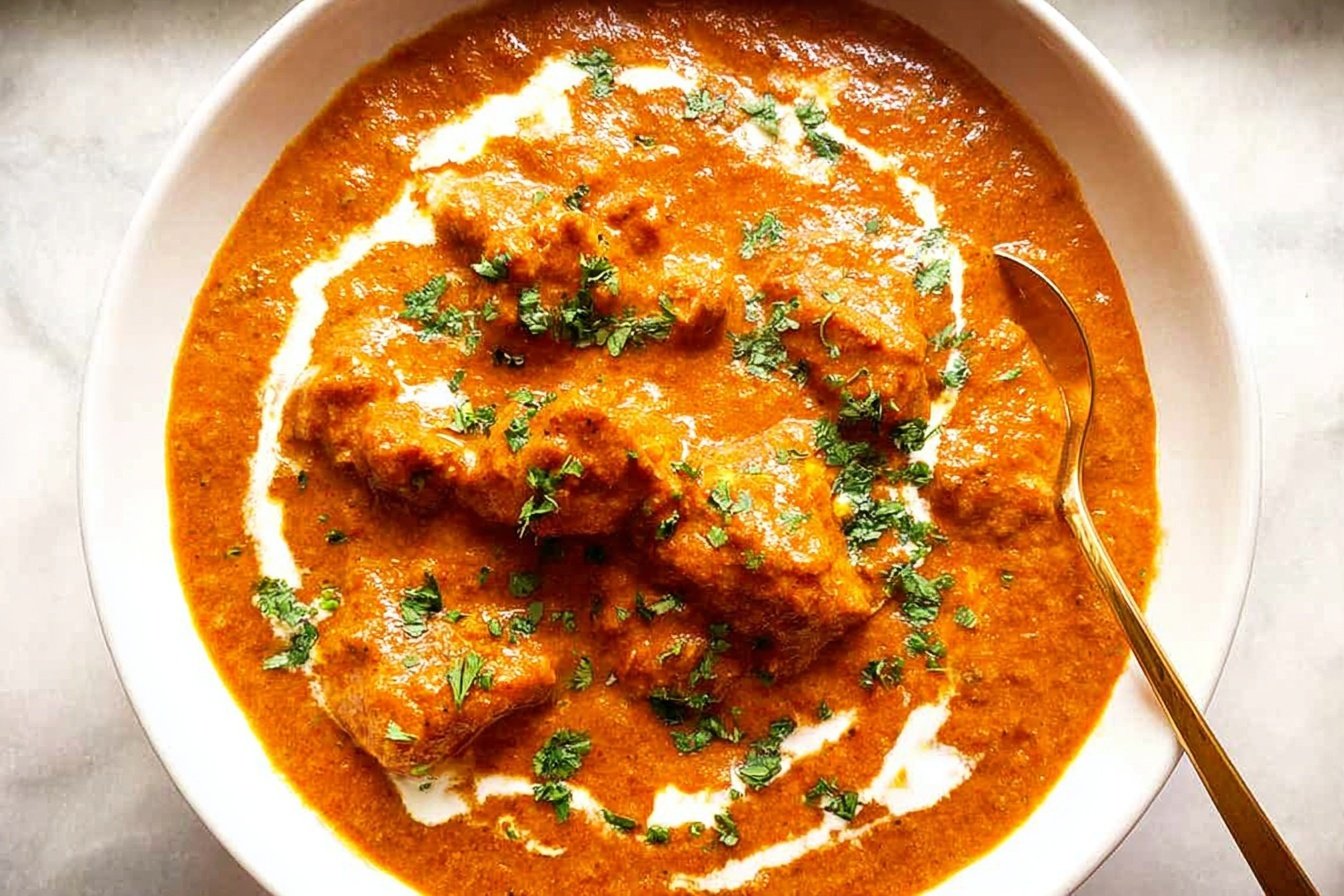
Why You’ll Love This Butter Chicken
This authentic butter chicken recipe brings the beloved flavors of North Indian cuisine right into your home kitchen. Whether you’re a seasoned cook or just starting your culinary journey, this chicken makhani dish delivers restaurant-quality results with straightforward techniques anyone can master.
Ease of Preparation
Despite its rich, complex flavors, homemade butter chicken is surprisingly simple to prepare. The recipe uses common cooking methods like marinating, blending, and simmering, making it accessible even for beginner cooks. Most ingredients are pantry staples or easily found at your local grocery store. With just 45 minutes of active cooking time (excluding marination), you can create a dish that tastes like it came from your favorite Indian restaurant.
Health Benefits
This Indian butter chicken offers impressive nutritional value in every serving. Each portion packs 32 grams of protein, supporting muscle health and satiety. The dish provides essential vitamins and minerals, including 39% of your daily Vitamin A needs and 30% of Vitamin C. The cashews in the sauce contribute healthy fats, while the tomatoes deliver antioxidants like lycopene. When made with quality ingredients, murgh makhani can be part of a balanced diet.
Versatility
One of the greatest strengths of this easy butter chicken recipe is its adaptability. You can adjust the spice level to suit your family’s preferences, make it nut-free for those with allergies, or even prepare the sauce ahead for busy weeknights. The dish accommodates various dietary needs without sacrificing authentic flavor, making it perfect for family dinners or entertaining guests with different preferences.
Distinctive Flavor
What sets this authentic butter chicken recipe apart is its perfectly balanced flavor profile. The creamy tomato-based gravy combines buttery richness with aromatic spices like garam masala and kasuri methi. The marinade tenderizes the chicken while infusing it with layers of flavor. Each bite delivers a harmonious blend of tangy tomatoes, sweet cream, and subtle warmth from Kashmiri chili powder, creating a memorable dining experience.
Jump To
- 1. Why You’ll Love This Butter Chicken
- 2. Essential Ingredients for Butter Chicken
- 3. How to Prepare the Perfect Butter Chicken: Step-by-Step Guide
- 4. Nutritional Information
- 5. Dietary Substitutions to Customize Your Butter Chicken
- 6. Mastering Butter Chicken: Advanced Tips and Variations
- 7. How to Store Butter Chicken: Best Practices
- 8. FAQs: Frequently Asked Questions About Butter Chicken
- 9. Butter Chicken
Essential Ingredients for Butter Chicken
Creating the perfect butter chicken requires quality ingredients that work together to build layers of flavor. Below is a comprehensive list of everything you’ll need, organized by the marinade and sauce components.
For the Chicken Marinade
- 1.1 lbs boneless chicken (cut into 1-inch pieces) – Thighs work best for juiciness, but breasts also work well
- ½ to ¾ teaspoon Kashmiri red chili powder or paprika – Provides vibrant color and mild heat
- ¼ to ⅓ teaspoon salt – Seasons the chicken from within
- ¾ to 1 tablespoon lemon juice – Adds acidity that helps tenderize the meat
- ⅓ cup Greek yogurt or hung curd – Thick, strained yogurt that clings to chicken without making it watery
- ¾ tablespoon ginger garlic paste – Essential aromatics that form the flavor base
- ⅛ teaspoon turmeric (optional) – Adds subtle earthiness and golden color
- ¾ to 1 teaspoon garam masala – The signature warming spice blend
- ½ teaspoon cumin powder (optional) – Adds earthy, nutty notes
- 1 teaspoon coriander powder (optional) – Provides citrusy undertones
- 1 teaspoon kasuri methi (dried fenugreek leaves, optional) – Imparts authentic earthy aroma
- ¾ to 1 tablespoon oil – Helps the marinade coat the chicken evenly
For the Creamy Tomato Sauce
- 2 to 3 tablespoons butter or ghee (divided) – Creates the signature richness
- 2-inch cinnamon piece (optional) – Adds warm, sweet aroma
- 2 to 4 green cardamoms (optional) – Provides floral, aromatic notes
- 2 to 4 cloves (optional) – Contributes warm, intense flavor
- 1½ cups sliced onions (optional) – Helps reduce acidity from tomatoes
- 600 grams fresh tomatoes or 1 cup passata/canned tomato puree – The base of the gravy
- ¾ tablespoon ginger garlic paste – Builds aromatic foundation
- 1 to 2 green chilies (optional, deseeded) – Adds fresh heat if desired
- 28 whole raw cashews (soaked in hot water) – Creates silky texture and subtle sweetness
- ½ cup water for blending – Helps achieve smooth consistency
- 1 to 2 teaspoons Kashmiri chili powder or paprika – For color and mild warmth
- 1 to 1½ teaspoon garam masala (divided) – The essential spice blend
- 1 to 1½ teaspoon coriander powder (optional) – Enhances flavor complexity
- ½ teaspoon cumin powder (optional) – Adds earthiness
- ½ to ¾ teaspoon salt – Seasons the sauce properly
- 1 teaspoon sugar – Balances the tomato acidity
- ½ tablespoon kasuri methi (crushed) – Key for authentic restaurant flavor
- 1½ cups hot water – Adjusts gravy consistency
- ⅓ cup heavy cream or whipping cream – Added at the end for luxurious finish
- 2 tablespoons chopped coriander leaves – For fresh garnish
Special Dietary Options
Vegan: Replace chicken with firm tofu or chickpeas, use coconut cream instead of dairy cream, and substitute vegan butter for regular butter.
Gluten-free: This recipe is naturally gluten-free when using pure spices. Verify your garam masala blend contains no wheat fillers.
Nut-free: Replace cashews with ¼ to ⅓ cup heavy cream and reduce the water in the sauce to 1 cup for proper consistency.
How to Prepare the Perfect Butter Chicken: Step-by-Step Guide
Follow these detailed instructions to create restaurant-style butter chicken at home. The process involves marinating the chicken, preparing the sauce, cooking the chicken, and combining everything for the final dish.
Step 1: Initial Chicken Marinade
Begin by preparing your chicken. Cut 1.1 lbs of boneless chicken into 1-inch pieces for even cooking. Place the chicken in a large bowl and add ¾ to 1 tablespoon of lemon juice, ½ to ¾ teaspoon of Kashmiri red chili powder (or paprika), and ¼ to ⅓ teaspoon of salt. Mix everything well to coat the chicken evenly. Cover the bowl and let it rest for 20 minutes at room temperature. This initial marination with acidic lemon juice begins the tenderizing process and allows the salt to penetrate the meat.
Step 2: Complete the Yogurt Marinade
After the initial rest, add the remaining marinade ingredients to the chicken: ⅓ cup of thick Greek yogurt or hung curd, 1 teaspoon of kasuri methi, ¾ to 1 tablespoon of oil, ⅛ teaspoon of turmeric, ¾ tablespoon of ginger garlic paste, 1 teaspoon of coriander powder, ½ teaspoon of cumin powder, and ¾ to 1 teaspoon of garam masala. Mix thoroughly, ensuring each piece of chicken is well-coated with the yogurt-spice mixture. Cover the bowl and refrigerate for at least 12 hours, or preferably overnight. Longer marination (up to 48 hours) yields more tender, flavorful chicken.
Step 3: Prepare the Tomato-Cashew Puree
While the chicken marinates, you can prepare the sauce base. If using onions to reduce acidity, sauté 1½ cups of sliced onions in a little oil until they turn lightly golden, then let them cool completely. In a blender, combine 600 grams of fresh tomatoes (or your chosen tomato substitute like passata or canned puree), the cooled sautéed onions (if using), 28 soaked raw cashews, and ½ cup of water. Blend until completely smooth. For the smoothest results, blend the cashews separately first, then combine with the tomato mixture. If you prefer an ultra-smooth sauce, strain the puree through a fine-mesh sieve.
Step 4: Bring Chicken to Room Temperature
Before cooking, remove the marinated chicken from the refrigerator and let it come to room temperature. This takes about 20-30 minutes and ensures even cooking. Cold chicken placed directly on heat cooks unevenly, with the outside overcooking before the inside is done.
Step 5: Begin the Sauce Base
Heat 2 to 3 tablespoons of butter or ghee in a large, heavy-bottomed pan or Dutch oven over medium heat. If using whole spices for extra aroma, add the 2-inch cinnamon piece, 2 to 4 green cardamoms, and 2 to 4 cloves to the hot butter. Fry these whole spices for about 30 seconds until they become fragrant. Be careful not to burn them, as this creates a bitter taste.
Step 6: Add Aromatics to the Sauce
Add ¾ tablespoon of ginger garlic paste and 1 to 2 deseeded, chopped green chilies (if using) to the pan. Sauté these aromatics for 1-2 minutes until the raw smell disappears and they become fragrant. This step is crucial for removing the harsh, raw flavor of ginger and garlic. Remove the pan from the heat momentarily to prevent burning the spices in the next step.
Step 7: Add Ground Spices
With the pan off the heat, stir in 1 to 2 teaspoons of Kashmiri chili powder or paprika, 1 to 1½ teaspoons of garam masala (save the rest for later), ½ teaspoon of cumin powder, and 1 to 1½ teaspoons of coriander powder. Adding these ground spices to the hot butter while the pan is off the heat prevents burning and allows their flavors to bloom. Stir quickly to combine.
Step 8: Add the Tomato-Cashew Puree
Return the pan to medium heat and pour in the prepared tomato-cashew puree. If you haven’t strained it yet and want a smoother sauce, you can strain it as you pour. The puree will splatter initially, so be careful. Stir well to combine the puree with the spiced butter mixture.
Step 9: Cook the Sauce Base
Cover the pan and cook the sauce on medium heat for 12-15 minutes. During this time, the sauce will thicken considerably and the butter or oil will begin to separate from the tomato mixture. This separation (known as the oil rising to the top) indicates that the tomatoes are properly cooked and the sauce has developed its full flavor. Stir occasionally to prevent sticking.
Step 10: Add Water and Simmer
Once the sauce has thickened and oil has separated, add 1½ cups of hot water (reduce to 1 cup if you omitted cashews). Stir well to combine. Simmer the sauce uncovered for about 10 minutes until it reaches your desired consistency. If you used whole spices, remove and discard them at this point. The cinnamon, cardamom, and cloves have infused their flavors into the sauce.
Step 11: Cook the Marinated Chicken
While the sauce simmers, cook your marinated chicken. You have several options:
Griddle or Grill Pan: Heat a griddle over high heat and cook the chicken pieces for 3-4 minutes per side until charred and just cooked through.
Oven Method: Preheat your oven to 460°F (240°C). Arrange the chicken pieces on a baking sheet and bake for 20-22 minutes, turning halfway through.
Stovetop Pan-Fry: Heat oil in a skillet and cook the chicken pieces over medium-high heat until browned and cooked through.
The goal is to achieve some charring on the chicken for that authentic tandoor flavor without overcooking. The chicken should be just done when added to the sauce, as it will continue cooking briefly in the gravy.
Step 12: Combine Chicken and Sauce
Add the grilled or cooked chicken pieces to the simmering sauce. Let everything simmer together for 5-7 minutes. The chicken will absorb some of the sauce flavors, and the sauce will take on a slightly meatier quality. If the sauce seems too thick, add a little more hot water to reach your preferred consistency.
Step 13: Final Seasoning
Stir in ½ to ¾ teaspoon of salt (adjust to your taste), 1 teaspoon of sugar (to balance the flavors), and ½ tablespoon of crushed kasuri methi. Taste the sauce and adjust the garam masala if needed. You can also add a little more butter at this stage for extra richness.
Step 14: Add the Finishing Touch of Cream
Remove the pan from the heat. Gently stir in ⅓ cup of heavy cream or whipping cream. To prevent the cream from splitting, you can temper it by mixing a small amount of hot sauce into the cream before adding it to the main dish. The cream gives the butter chicken indian recipe its signature silky, luxurious texture.
Step 15: Garnish and Serve
Transfer the chicken makhani to a serving dish. Garnish with 2 tablespoons of chopped fresh coriander leaves and drizzle a little extra cream on top if desired. Serve hot with fragrant basmati rice or warm naan bread for a complete meal. For more delicious chicken dishes, check out this balsamic chicken breast recipe for another flavorful dinner option.
Nutritional Information
Understanding the nutritional profile of your homemade butter chicken helps you make informed dietary choices. Below is the breakdown per serving:
| Nutrient | Amount | % Daily Value |
|---|---|---|
| Calories | 385 | – |
| Fat | 23g | 35% |
| Saturated Fat | 10g | 63% |
| Cholesterol | 119mg | 40% |
| Sodium | 701mg | 30% |
| Potassium | 934mg | 27% |
| Carbohydrates | 12g | 4% |
| Fiber | 3g | 13% |
| Sugar | 7g | 8% |
| Protein | 32g | 64% |
| Vitamin A | 1940 IU | 39% |
| Vitamin C | 25mg | 30% |
| Calcium | 62mg | 6% |
| Iron | 2mg | 11% |

Dietary Substitutions to Customize Your Butter Chicken
This easy butter chicken recipe adapts well to various dietary needs and ingredient availability. Below are substitution options to customize your dish.
Protein and Main Component Alternatives
While traditional butter chicken uses boneless chicken pieces, several alternatives work beautifully:
Chicken Thighs vs. Breasts: Chicken thighs remain my top recommendation for this dish. They stay juicy during the marination and grilling process, and their slightly higher fat content adds richness to the sauce. If you prefer white meat, chicken breasts work fine but watch the cooking time carefully to avoid dryness.
Vegetarian Options: For a plant-based version, firm tofu pressed and cubed makes an excellent substitute. Marinate it just as you would the chicken. Paneer (Indian cottage cheese) is another traditional option that holds up well in the creamy sauce. You might also try this chicken breast guide for tips on preparing poultry for various recipes.
Seafood Variation: Large shrimp can replace chicken, though reduce the marination time to 30-60 minutes as seafood doesn’t need as long to absorb flavors.
Vegetable, Sauce, and Seasoning Modifications
The sauce and seasonings in makhani chicken can be adjusted based on preferences and restrictions:
Nut-Free Option: If you have nut allergies, replace the cashews with ¼ to ⅓ cup of heavy cream. Remember to reduce the water in the recipe to 1 cup for proper consistency. This maintains the creamy texture without nuts.
Dairy-Free Modifications: Use coconut cream in place of heavy cream and substitute oil or coconut oil for butter. The flavor profile will shift slightly toward a more tropical note, but the dish remains delicious.
Spice Adjustments: For milder authentic butter chicken, reduce or omit the Kashmiri chili powder and skip the green chilies entirely. For more heat, add extra green chilies or include a pinch of cayenne pepper alongside the Kashmiri chili powder.
Kashmiri Chili Powder Substitutes: This ingredient provides color and mild heat. If unavailable, use equal parts smoked paprika (for color) and a small pinch of cayenne (for heat). Byadgi chilies also work as a direct substitute.
Tomato Options: Fresh, ripe tomatoes yield the best flavor, especially when in season. Canned tomato puree or passata works year-round with consistent results. If using tomato paste, use only ⅓ cup of double concentrate paste and adjust water accordingly.
Mastering Butter Chicken: Advanced Tips and Variations
Elevate your butter chicken recipe with these professional techniques and creative variations.
Pro Cooking Techniques
The key to restaurant-quality chicken makhani lies in a few professional techniques:
Marination Matters: Don’t rush the marination process. While 12 hours is the minimum, 24-48 hours yields significantly more tender and flavorful chicken. The yogurt’s lactic acid breaks down proteins while the spices penetrate deeply.
Char the Chicken: That slightly smoky, charred flavor distinguishes great murgh makhani from ordinary versions. Whether using a griddle, oven, or grill, aim for some browning on the chicken pieces. This mimics the tandoor cooking of traditional restaurants.
Bloom Your Spices: Adding ground spices to hot butter (off the heat) allows their essential oils to release fully. This technique, called blooming, intensifies the flavors without burning the spices.
Flavor Variations
Once you’ve mastered the classic homemade butter chicken, try these variations:
Smoky Version: Add a drop of liquid smoke to the finished dish, or use the traditional dhungar method: place a small piece of hot charcoal in a metal bowl, add a teaspoon of ghee, and place this in your pot of butter chicken. Cover immediately and let the smoke infuse for 2-3 minutes.
Spicier Version: Increase the green chilies and add a teaspoon of deggi mirch or cayenne for those who prefer more heat.
Sweeter Version: Add an extra teaspoon of sugar or a touch of honey for a milder, family-friendly dish that pairs well with plain rice.
Presentation Tips
Make your butter chicken indian recipe look as good as it tastes:
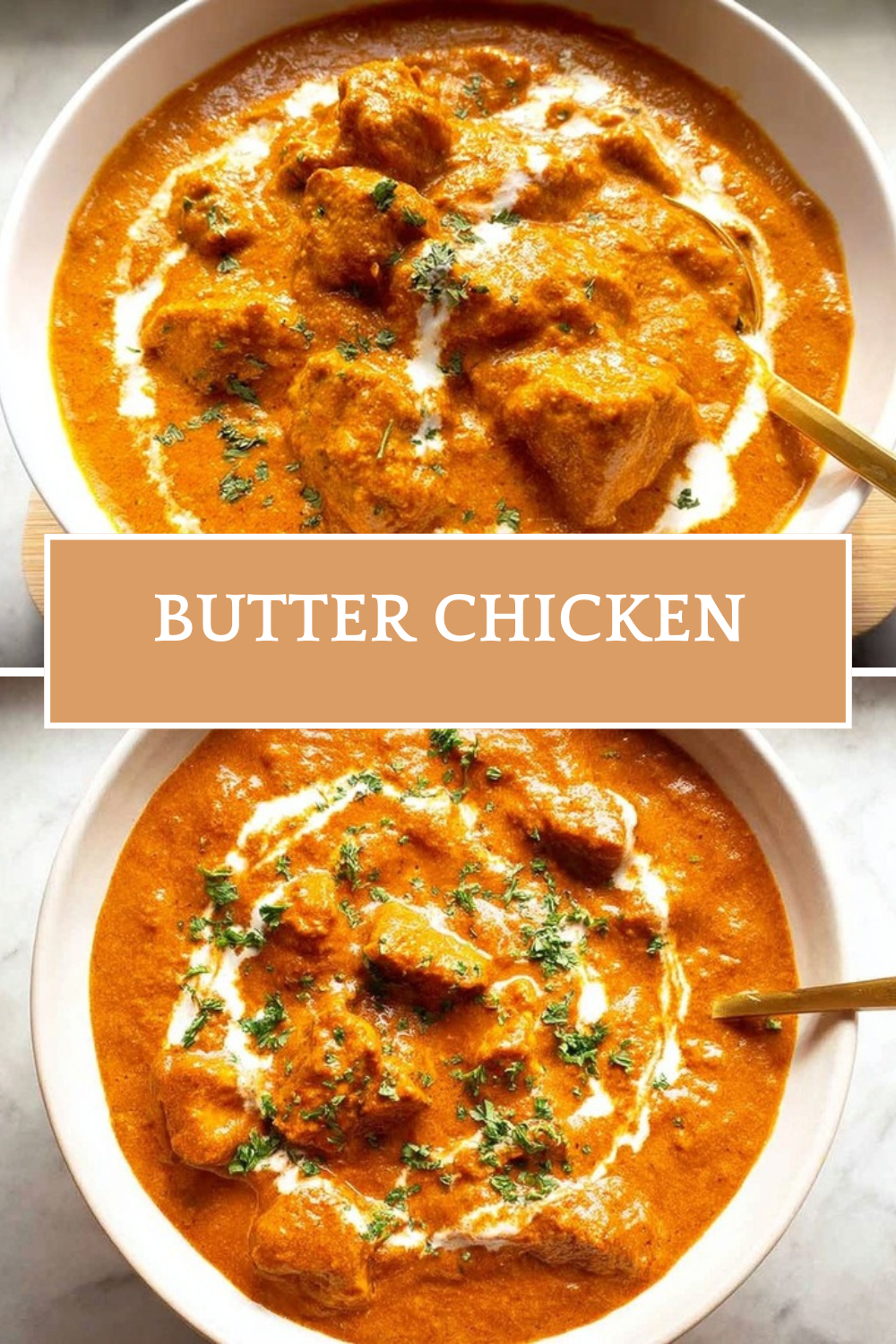
- Serve in a warm, shallow bowl to showcase the rich, orange-red sauce
- Drizzle cream in a swirl pattern on top for visual appeal
- Sprinkle bright green coriander leaves generously
- Accompany with warm naan arranged on the side or a mound of fluffy basmati rice
- Consider small bowls of extra sauce on the side for guests to add more
Make-Ahead Options
For busy schedules, easy butter chicken accommodates advance preparation:
Sauce Ahead: Prepare the sauce completely (without cream), cool, and refrigerate for up to 3 days or freeze for up to 2 months. When ready to serve, reheat the sauce, grill fresh chicken, and add the cream.
Marinated Chicken: The chicken can marinate in the refrigerator for up to 48 hours. This makes it perfect for planning ahead.
Complete Dish: Fully prepared butter chicken keeps well refrigerated for 2 days. Reheat gently with a splash of cream to refresh.
How to Store Butter Chicken: Best Practices
Proper storage maintains the quality and safety of your butter chicken leftovers.
Refrigeration
Store leftover chicken makhani in an airtight container in the refrigerator for up to 2 days. The flavors often improve overnight as they meld together. To reheat, warm gently in a saucepan over low heat. Add a splash of cream or water if the sauce has thickened too much. Avoid boiling, as this can cause the cream to separate.
Freezing
For longer storage, freeze your homemade butter chicken for up to 2 months. For best results, freeze before adding the final cream. When ready to serve, thaw overnight in the refrigerator, reheat gently, and stir in fresh cream. If you’ve already added cream, the dish can still be frozen, though the texture may change slightly. Use freezer-safe containers or bags, removing as much air as possible to prevent freezer burn.
Reheating Guidelines
Proper reheating preserves the texture and flavor of your authentic butter chicken recipe:
- Stovetop: Warm over low heat, stirring occasionally. Add a splash of cream or water if needed.
- Microwave: Use medium power in 1-minute intervals, stirring between each, until heated through.
- Oven: Place in a covered dish at 300°F (150°C) for about 20 minutes, stirring halfway through.
Never refreeze previously frozen and thawed butter chicken. Only reheat the portion you plan to consume.
Meal Prep Considerations
For efficient meal prep, consider these strategies:
- Marinate chicken on Sunday for a quick Tuesday dinner
- Prepare and freeze sauce bases for even faster weeknight meals
- Portion leftovers into individual containers for quick lunches
- Keep extra naan or rice on hand for complete, ready-to-assemble meals
FAQs: Frequently Asked Questions About Butter Chicken
What is butter chicken?
Butter chicken, also known as murgh makhani, is a popular North Indian dish featuring tender chicken pieces marinated in yogurt and spices, then grilled or baked, and simmered in a creamy tomato-based gravy. The sauce gets its signature richness from butter, cream, and ground cashews or almonds, blended into a smooth, mildly spiced tomato puree. Key ingredients include ginger-garlic paste, garam masala, Kashmiri chili powder for color and mild heat, and kasuri methi for earthy flavor. It’s typically served with naan or basmati rice. Originating in Delhi in the 1950s at Moti Mahal restaurant, it balances tangy tomatoes, sweet cream, and subtle spices without overpowering heat, making it family-friendly. Prep time is about 30 minutes plus marinating, and it serves 4-6 people. (92 words)
What’s the difference between butter chicken and chicken tikka masala?
Butter chicken and chicken tikka masala look similar but differ in preparation and flavor. Butter chicken uses butter, cream, and tomatoes for a mild, silky gravy without onions, focusing on marinated tandoori-style chicken simmered gently. It’s less spicy with a restaurant-style smoothness from cashew paste. Chicken tikka masala is spicier, cooked in oil with onions, bell peppers, and a thicker, tomato-onion gravy, often with more heat from green chilies. Butter chicken is sweeter and creamier; tikka masala is bolder and tangier. Both start with marinated chicken, but butter chicken skips raw onions in the sauce. If you prefer mild flavors, go for butter chicken; for kick, choose tikka masala. (112 words)
What yogurt is best for butter chicken marinade?
For the best butter chicken marinade, use thick, strained yogurt like Greek yogurt or hung curd (thickened Indian yogurt). These have low moisture, clinging well to chicken for tender, flavorful results without making it watery or bland. Regular yogurt releases whey during marinating, diluting spices. To make hung curd, hang plain yogurt in cheesecloth for 4-6 hours to drain whey. Mix 1 cup yogurt with 1 tbsp ginger-garlic paste, 1 tsp each salt, turmeric, garam masala, and Kashmiri chili powder, plus lemon juice. Marinate 1.5 lbs chicken overnight (12-48 hours) in fridge. This yields juicy, spiced chicken that pairs perfectly with the gravy. Avoid low-fat versions for creaminess. (108 words)
What are good substitutes for ingredients in butter chicken?
Common substitutes keep butter chicken authentic. For Kashmiri chili powder, use Byadgi chilies or equal parts smoked paprika and cayenne for color and mild heat. No perfect kasuri methi (dried fenugreek) replacement—omit it or add a pinch of fenugreek seeds, but it adds unique nutty aroma. Swap cashews (½ cup) with blanched almonds ground into paste, or for nut-free, use ¼-⅓ cup heavy cream and less water in gravy. Onions in sauce are optional to cut tomato sourness; skip for traditional style. Chicken thighs work best over breasts for moisture. These tweaks maintain creaminess and flavor—test small batches. Full recipe yields 4 servings with 450-500 calories per portion. (114 words)
How do you cook butter chicken chicken without a tandoor and store leftovers?
Without a tandoor, grill marinated chicken on stovetop (high heat 3-4 mins per side in cast iron), bake at 450°F for 15-20 mins, or pan-roast with oil until charred. Simmer in gravy 8-10 mins to finish. For air fryer, 400°F for 12-15 mins, flipping halfway. Marinate at least 12 hours for best tenderness. Store leftovers in airtight container: fridge up to 2 days (reheat gently with splash of cream) or freeze up to 2 months (thaw overnight). Avoid multiple freezes. Serves well with rice or naan; pairs with cucumber raita to cool spice. Pro tip: Add final kasuri methi crush for aroma. Total cook time: 40 mins post-marinade. (118 words)
Butter Chicken
- Total Time: 45 minutes (plus marination)
- Yield: 4 servings
- Diet: Gluten Free
Description
🧈 Indulge in authentic, creamy Butter Chicken (Murgh Makhani) with tender, yogurt-marinated chicken in a rich, buttery tomato gravy – milder spices for broad appeal.
🍛 Perfect for home cooks, this Indian classic is restaurant-quality, naturally gluten-free, and pairs beautifully with rice or naan for effortless dinners.
Ingredients
– 1.1 lbs boneless chicken (cut into 1-inch pieces)
– ½ to ¾ teaspoon Kashmiri red chili powder or paprika
– ¼ to ⅓ teaspoon salt
– ¾ to 1 tablespoon lemon juice
– ⅓ cup Greek yogurt or hung curd
– ¾ tablespoon ginger garlic paste
– ⅛ teaspoon turmeric (optional)
– ¾ to 1 teaspoon garam masala
– ½ teaspoon cumin powder (optional)
– 1 teaspoon coriander powder (optional)
– 1 teaspoon kasuri methi (dried fenugreek leaves, optional)
– ¾ to 1 tablespoon oil
– 2 to 3 tablespoons butter or ghee (divided)
– 2-inch cinnamon piece (optional)
– 2 to 4 green cardamoms (optional)
– 2 to 4 cloves (optional)
– 1½ cups sliced onions (optional)
– 600 grams fresh tomatoes or 1 cup passata/canned tomato puree
– ¾ tablespoon ginger garlic paste
– 1 to 2 green chilies (optional, deseeded)
– 28 whole raw cashews (soaked in hot water)
– ½ cup water for blending
– 1 to 2 teaspoons Kashmiri chili powder or paprika
– 1 to 1½ teaspoon garam masala (divided)
– 1 to 1½ teaspoon coriander powder (optional)
– ½ teaspoon cumin powder (optional)
– ½ to ¾ teaspoon salt
– 1 teaspoon sugar
– ½ tablespoon kasuri methi (crushed)
– 1½ cups hot water
– ⅓ cup heavy cream or whipping cream
– 2 tablespoons chopped coriander leaves
Instructions
1-Step 1: Initial Chicken Marinade Begin by preparing your chicken. Cut 1.1 lbs of boneless chicken into 1-inch pieces for even cooking. Place the chicken in a large bowl and add ¾ to 1 tablespoon of lemon juice, ½ to ¾ teaspoon of Kashmiri red chili powder (or paprika), and ¼ to ⅓ teaspoon of salt. Mix everything well to coat the chicken evenly. Cover the bowl and let it rest for 20 minutes at room temperature. This initial marination with acidic lemon juice begins the tenderizing process and allows the salt to penetrate the meat.
2-Step 2: Complete the Yogurt Marinade After the initial rest, add the remaining marinade ingredients to the chicken: ⅓ cup of thick Greek yogurt or hung curd, 1 teaspoon of kasuri methi, ¾ to 1 tablespoon of oil, ⅛ teaspoon of turmeric, ¾ tablespoon of ginger garlic paste, 1 teaspoon of coriander powder, ½ teaspoon of cumin powder, and ¾ to 1 teaspoon of garam masala. Mix thoroughly, ensuring each piece of chicken is well-coated with the yogurt-spice mixture. Cover the bowl and refrigerate for at least 12 hours, or preferably overnight. Longer marination (up to 48 hours) yields more tender, flavorful chicken.
3-Step 3: Prepare the Tomato-Cashew Puree While the chicken marinates, you can prepare the sauce base. If using onions to reduce acidity, sauté 1½ cups of sliced onions in a little oil until they turn lightly golden, then let them cool completely. In a blender, combine 600 grams of fresh tomatoes (or your chosen tomato substitute like passata or canned puree), the cooled sautéed onions (if using), 28 soaked raw cashews, and ½ cup of water. Blend until completely smooth. For the smoothest results, blend the cashews separately first, then combine with the tomato mixture. If you prefer an ultra-smooth sauce, strain the puree through a fine-mesh sieve.
4-Step 4: Bring Chicken to Room Temperature Before cooking, remove the marinated chicken from the refrigerator and let it come to room temperature. This takes about 20-30 minutes and ensures even cooking. Cold chicken placed directly on heat cooks unevenly, with the outside overcooking before the inside is done.
5-Step 5: Begin the Sauce Base Heat 2 to 3 tablespoons of butter or ghee in a large, heavy-bottomed pan or Dutch oven over medium heat. If using whole spices for extra aroma, add the 2-inch cinnamon piece, 2 to 4 green cardamoms, and 2 to 4 cloves to the hot butter. Fry these whole spices for about 30 seconds until they become fragrant. Be careful not to burn them, as this creates a bitter taste.
6-Step 6: Add Aromatics to the Sauce Add ¾ tablespoon of ginger garlic paste and 1 to 2 deseeded, chopped green chilies (if using) to the pan. Sauté these aromatics for 1-2 minutes until the raw smell disappears and they become fragrant. This step is crucial for removing the harsh, raw flavor of ginger and garlic. Remove the pan from the heat momentarily to prevent burning the spices in the next step.
7-Step 7: Add Ground Spices With the pan off the heat, stir in 1 to 2 teaspoons of Kashmiri chili powder or paprika, 1 to 1½ teaspoons of garam masala (save the rest for later), ½ teaspoon of cumin powder, and 1 to 1½ teaspoons of coriander powder. Adding these ground spices to the hot butter while the pan is off the heat prevents burning and allows their flavors to bloom. Stir quickly to combine.
8-Step 8: Add the Tomato-Cashew Puree Return the pan to medium heat and pour in the prepared tomato-cashew puree. If you haven’t strained it yet and want a smoother sauce, you can strain it as you pour. The puree will splatter initially, so be careful. Stir well to combine the puree with the spiced butter mixture.
9-Step 9: Cook the Sauce Base Cover the pan and cook the sauce on medium heat for 12-15 minutes. During this time, the sauce will thicken considerably and the butter or oil will begin to separate from the tomato mixture. This separation (known as the oil rising to the top) indicates that the tomatoes are properly cooked and the sauce has developed its full flavor. Stir occasionally to prevent sticking.
10-Step 10: Add Water and Simmer Once the sauce has thickened and oil has separated, add 1½ cups of hot water (reduce to 1 cup if you omitted cashews). Stir well to combine. Simmer the sauce uncovered for about 10 minutes until it reaches your desired consistency. If you used whole spices, remove and discard them at this point. The cinnamon, cardamom, and cloves have infused their flavors into the sauce.
11-Step 11: Cook the Marinated Chicken While the sauce simmers, cook your marinated chicken. You have several options: Griddle or Grill Pan: Heat a griddle over high heat and cook the chicken pieces for 3-4 minutes per side until charred and just cooked through. Oven Method: Preheat your oven to 460°F (240°C). Arrange the chicken pieces on a baking sheet and bake for 20-22 minutes, turning halfway through. Stovetop Pan-Fry: Heat oil in a skillet and cook the chicken pieces over medium-high heat until browned and cooked through. The goal is to achieve some charring on the chicken for that authentic tandoor flavor without overcooking. The chicken should be just done when added to the sauce, as it will continue cooking briefly in the gravy.
12-Step 12: Combine Chicken and Sauce Add the grilled or cooked chicken pieces to the simmering sauce. Let everything simmer together for 5-7 minutes. The chicken will absorb some of the sauce flavors, and the sauce will take on a slightly meatier quality. If the sauce seems too thick, add a little more hot water to reach your preferred consistency.
13-Step 13: Final Seasoning Stir in ½ to ¾ teaspoon of salt (adjust to your taste), 1 teaspoon of sugar (to balance the flavors), and ½ tablespoon of crushed kasuri methi. Taste the sauce and adjust the garam masala if needed. You can also add a little more butter at this stage for extra richness.
14-Step 14: Add the Finishing Touch of Cream Remove the pan from the heat. Gently stir in ⅓ cup of heavy cream or whipping cream. To prevent the cream from splitting, you can temper it by mixing a small amount of hot sauce into the cream before adding it to the main dish. The cream gives the butter chicken indian recipe its signature silky, luxurious texture.
15-Step 15: Garnish and Serve Transfer the chicken makhani to a serving dish. Garnish with 2 tablespoons of chopped fresh coriander leaves and drizzle a little extra cream on top if desired. Serve hot with fragrant basmati rice or warm naan bread for a complete meal. For more delicious chicken dishes, check out this balsamic chicken breast recipe for another flavorful dinner option.
Notes
🥛 Marinate chicken 12-48 hours in yogurt for maximum tenderness and flavor infusion.
🌿 Kasuri methi (dried fenugreek leaves) is essential for authentic taste; crush before adding.
🥜 For nut-free, substitute cashews with ¼-⅓ cup extra heavy cream and reduce water.
- Prep Time: 15 minutes
- Marination Time: 12 hours
- Cook Time: 30 minutes
- Category: Chicken
- Method: Stovetop
- Cuisine: Indian
Nutrition
- Serving Size: 1 serving
- Calories: 385 kcal
- Sugar: 7g
- Sodium: 701mg
- Fat: 23g
- Saturated Fat: 10g
- Unsaturated Fat: 12g
- Trans Fat: 0g
- Carbohydrates: 12g
- Fiber: 3g
- Protein: 32g
- Cholesterol: 119mg
Keywords: butter chicken, indian chicken makhani, creamy murgh makhani, authentic butter chicken