
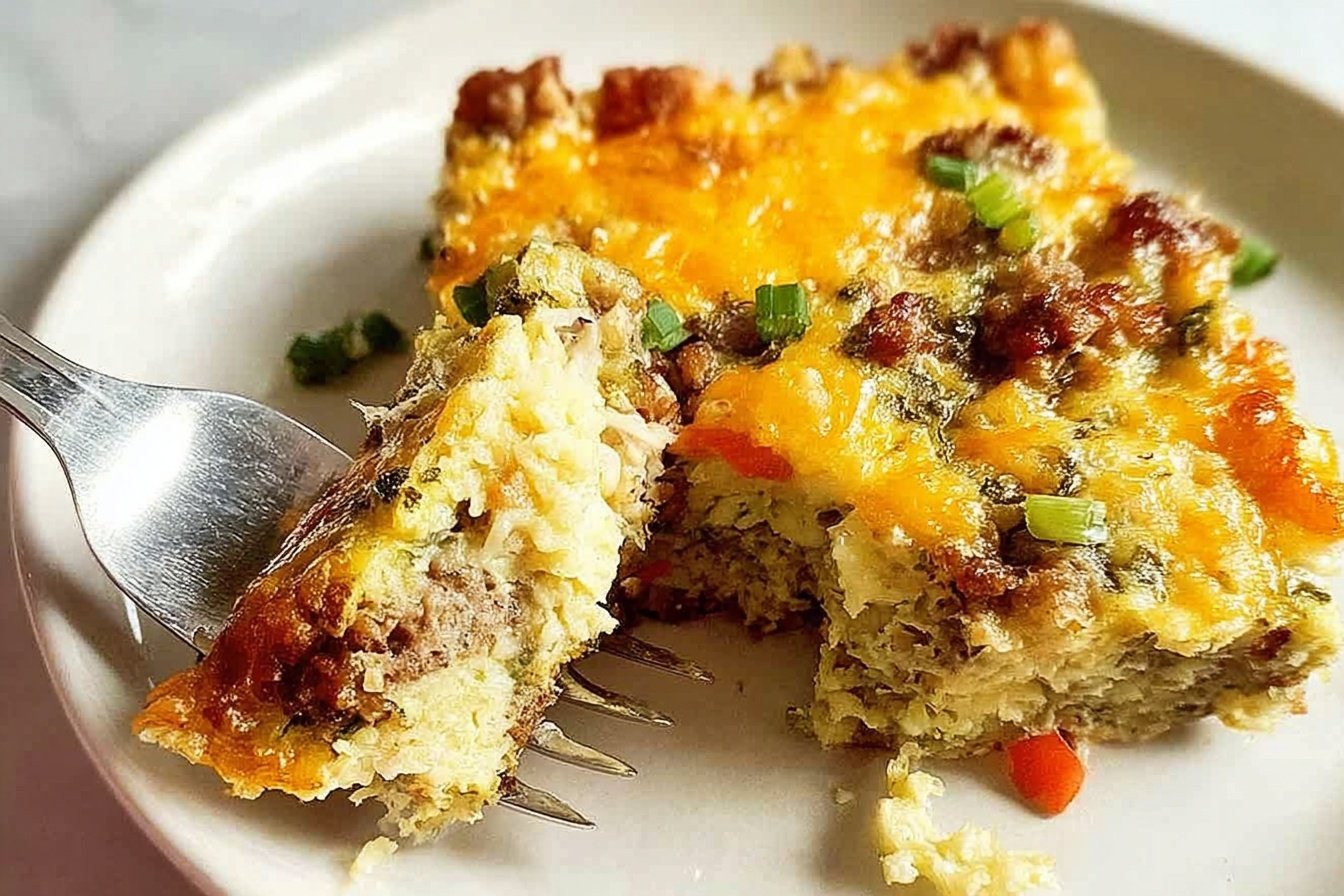
Why You’ll Love This Breakfast Casserole
Mornings can be hectic, especially when you’re trying to feed a hungry family or prepare for a busy day ahead. That’s where this breakfast casserole truly shines. It’s the kind of recipe that makes your life easier while still delivering a hearty, satisfying meal that everyone will enjoy. Whether you’re a busy parent, a working professional, or someone who simply loves a good make-ahead meal, this dish is about to become your new go-to.
Here’s why this easy breakfast casserole deserves a permanent spot in your recipe rotation:
- Simplicity and Convenience: With just 10 minutes of prep time, you can have this casserole ready for the oven in no time. The steps are straightforward, and you don’t need any fancy equipment just a large bowl and a skillet. Plus, the overnight option means you can do all the work the night before and simply pop it in the oven in the morning.
- Nutritional Benefits: Packed with 23 grams of protein per serving, this casserole keeps you full and energized throughout the morning. The eggs provide essential vitamins and minerals, while the vegetables add fiber and antioxidants. At only 2 grams of carbohydrates per serving, it’s also a great option for those watching their carb intake.
- Adaptability: This recipe is incredibly flexible. You can swap out ingredients based on what you have on hand or dietary preferences. Vegetarian? Use plant-based sausage. Watching calories? Use light sour cream and reduce the cheese. The possibilities are endless, making it easy to customize for any table.
- Make-Ahead Magic: One of the biggest advantages of this overnight breakfast casserole is how well it stores. Prepare it the night before, freeze it for later, or enjoy leftovers throughout the week. It’s perfect for holiday mornings, brunch gatherings, or meal prep for busy weeks.
Jump To
- 1. Why You’ll Love This Breakfast Casserole
- 2. Essential Ingredients for Breakfast Casserole
- 3. How to Prepare the Perfect Breakfast Casserole: Step-by-Step Guide
- 4. Dietary Substitutions to Customize Your Breakfast Casserole
- 5. Mastering Breakfast Casserole: Advanced Tips and Variations
- 6. How to Store Breakfast Casserole: Best Practices
- 7. FAQs: Frequently Asked Questions About Breakfast Casserole
- 8. Breakfast Casserole
Essential Ingredients for Breakfast Casserole
Creating the perfect breakfast casserole starts with gathering quality ingredients. Each component plays a vital role in building layers of flavor and achieving that fluffy, satisfying texture. Here’s everything you’ll need:
Main Ingredients
- 2 pounds sausage – The hearty base that adds savory flavor and protein; breakfast sausage works best but Italian sausage adds a nice kick
- 12 eggs – The binding agent that gives the casserole its structure and fluffy texture
- 1 cup sour cream (light or regular) – Adds creaminess and richness without making the dish too heavy
- 1/4 cup milk – Helps create a tender, custard-like consistency
- 1 teaspoon salt – Enhances all the flavors throughout the dish
- 1/2 teaspoon ground black pepper – Adds warmth and a subtle kick
- 4 green onions – Provide fresh, mild onion flavor and a pop of color
- 1/2 green bell pepper, diced – Adds sweetness, crunch, and vibrant color
- 1/2 red bell pepper, diced – Brings additional sweetness and visual appeal
- 2 cups shredded cheddar cheese – Creates that golden, bubbly top and rich flavor
Special Dietary Options
For those with specific dietary needs, here are some simple swaps that work beautifully in this make ahead breakfast casserole:
- Vegetarian Option: Replace sausage with plant-based sausage crumbles or sautéed mushrooms and spinach
- Gluten-Free: This recipe is naturally gluten-free as written
- Lower-Calorie: Use light sour cream, reduced-fat cheese, and turkey sausage
- Dairy-Free: Substitute sour cream with dairy-free yogurt and use vegan cheese shreds
If you’re looking for another hearty breakfast option, try this ham and cheese hash brown casserole that’s equally satisfying and family-friendly.
How to Prepare the Perfect Breakfast Casserole: Step-by-Step Guide
Making this easy breakfast casserole is straightforward, but following each step carefully ensures the best results. Let’s walk through the process together so you can achieve a perfectly fluffy, flavorful casserole every single time.
Step 1: Prepare Your Baking Dish and Oven
Start by preheating your oven to 350 degrees Fahrenheit. This temperature is ideal for cooking the eggs evenly without overbrowning the top. While the oven heats up, spray a 9×13-inch baking pan generously with cooking spray. This prevents sticking and makes serving much easier. A glass or ceramic dish works best for even heat distribution, but metal pans work too.
Step 2: Mix the Egg Base
In a large bowl, crack all 12 eggs. Add the sour cream, milk, salt, and pepper. You can mix this by hand with a whisk or use an electric mixer on low speed either method works perfectly. The goal is to combine everything until smooth and slightly frothy, which usually takes about 1-2 minutes of mixing. Don’t worry if you see small bits of sour cream; they will blend during baking. Eggs offer numerous health benefits, making this dish as nutritious as it is delicious.
Step 3: Cook the Sausage
Place a large skillet over medium heat and add the sausage. Break it into small pieces with a wooden spoon or spatula as it cooks. Continue cooking until the sausage is browned throughout, which typically takes about 8-10 minutes. Once fully cooked, drain most of the grease, leaving just a small amount for flavor. Transfer the cooked sausage to your egg mixture bowl.
Step 4: Sauté the Vegetables
Using the same skillet (no need to wash it), add the diced bell peppers and green onions. Sauté them for 2-3 minutes over medium heat. You want them softened but still with a bit of crunch they’ll continue cooking in the oven. The residual flavors from the sausage will infuse into the vegetables, adding extra depth to your casserole. Once sautéed, add these vegetables to the bowl with the eggs and sausage.
Step 5: Combine Everything Together
Now add the shredded cheddar cheese to your bowl. Gently stir everything together until all ingredients are evenly distributed. Take care not to overmix you want everything combined, but you don’t want to deflate the eggs. The mixture should look colorful and chunky, with visible pieces of sausage, peppers, and cheese throughout.
Step 6: Bake the Casserole
Pour the entire mixture into your prepared 9×13-inch pan, spreading it evenly with a spatula. Place the pan in your preheated oven and bake for 35-50 minutes. The baking time can vary based on your oven and the exact depth of your pan. You’ll know it’s done when the edges are set, the top is golden brown, and the center is just slightly jiggly. Don’t worry about that slight jiggle the casserole continues to set as it cools.
Step 7: Cool and Serve
Remove the casserole from the oven and let it rest for about 5-10 minutes before slicing. This resting period allows the casserole to set completely, making it easier to cut clean squares. Serve warm, and enjoy the fluffy texture and savory flavors of your homemade breakfast creation.
| Dish Type | Temperature | Baking Time | Doneness Indicator |
|---|---|---|---|
| 9×13 Casserole | 350°F | 35-50 minutes | Edges set, center slightly jiggly |
| Muffin Tins | 350°F | 18-25 minutes | Set throughout, golden edges |
| From Refrigerator | 350°F | 40-55 minutes | Fully set, golden top |

Dietary Substitutions to Customize Your Breakfast Casserole
One of the best things about this easy overnight breakfast casserole is how easily it adapts to different tastes and dietary needs. Whether you’re cooking for picky eaters, health-conscious family members, or guests with specific restrictions, there’s a variation that works.
Protein and Main Component Alternatives
The sausage in this recipe provides both flavor and substance, but you have plenty of options if you want to switch things up. Ground turkey sausage is a leaner alternative that still delivers great taste. Bacon crumbles add a smoky flavor that many people love. For a Mexican-inspired twist, try using chorizo or seasoned ground beef. If you prefer poultry, diced cooked chicken or turkey works wonderfully, especially when seasoned with herbs.
For vegetarians, plant-based sausage crumbles are an excellent substitute that maintains the hearty texture. You can also use a combination of sautéed vegetables like mushrooms, zucchini, and spinach to create a veggie-packed version. Just be sure to drain excess moisture from watery vegetables before adding them to the egg mixture.
Vegetable, Sauce, and Seasoning Modifications
The vegetable combinations are where you can really get creative with your breakfast casserole recipe. While green and red bell peppers with green onions create a classic flavor profile, don’t hesitate to try other options. Diced jalapeños add heat for those who like spice. Fresh spinach wilts beautifully into the eggs and adds nutrition. Mushrooms provide an earthy flavor and meaty texture.
For the cheese, cheddar is classic, but pepper jack adds a nice kick, Swiss brings a nutty flavor, and Monterey Jack melts beautifully. You can even mix cheeses for more complex flavor. As for seasonings, try adding garlic powder, onion powder, or even a pinch of cayenne for extra warmth.
If you’re looking for a sweeter breakfast option to pair with this savory dish, this sweet Alabama pecan bread makes a wonderful addition to your morning spread.
Mastering Breakfast Casserole: Advanced Tips and Variations
Once you’ve mastered the basic recipe, you can take your breakfast casserole to the next level with these expert techniques and creative variations. These tips come from years of testing and will help you achieve consistent, delicious results.
Pro Cooking Techniques
The key to a fluffy casserole lies in proper egg preparation. Whisking eggs thoroughly incorporates air, which helps create that light, airy texture. Room temperature eggs mix more easily than cold ones, so take them out of the refrigerator about 20 minutes before cooking. When baking, resist the urge to open the oven door frequently this lets heat escape and can affect cooking time. For more expert tips on breakfast casseroles, check out this comprehensive guide on making breakfast casseroles from scratch.
Make-Ahead Options for Busy Schedules
This make ahead breakfast casserole recipe is a lifesaver for busy mornings. You can prepare the entire casserole the night before, cover it tightly with plastic wrap and foil, and store it in the refrigerator overnight. In the morning, simply remove the cover and bake as directed. You may need to add 5-10 minutes to the baking time since the dish starts cold.
For longer storage, freeze the unbaked casserole for up to 2-3 months. Wrap it well with plastic wrap and foil to prevent freezer burn. Thaw overnight in the refrigerator before baking. You can also bake the casserole, let it cool completely, then portion it into individual servings for quick weekday breakfasts.
Creative Variations to Try
Keep breakfast exciting by trying these delicious variations on the classic recipe:
“The best breakfast casseroles are the ones that fit your family’s tastes perfectly. Don’t be afraid to experiment with different meats, cheeses, and vegetables until you find your signature combination.”
- Southwestern Style: Add a small can of diced green chilies, swap cheddar for pepper jack, and top with fresh cilantro
- Italian Inspired: Use Italian sausage, add sun-dried tomatoes, and mix in mozzarella and Parmesan
- Denver Style: Add diced ham along with the sausage for a heartier version
- Veggie Loaded: Double the vegetables and add spinach, mushrooms, and zucchini for extra nutrition
How to Store Breakfast Casserole: Best Practices
Proper storage ensures your breakfast casserole stays fresh and safe to eat for days or even months. Follow these guidelines to make the most of your leftovers or meal prep efforts.
Refrigeration Guidelines
After baking, let the casserole cool completely before storing. This prevents condensation, which can make the casserole soggy. Cut any leftovers into individual portions for easy reheating. Place portions in airtight containers and refrigerate for up to 3-4 days. Always reheat thoroughly until the internal temperature reaches 165°F for food safety.
Freezing for Long-Term Storage
Your overnight breakfast casserole freezes beautifully for future meals. For uncooked casseroles, assemble everything in a freezer-safe pan, wrap tightly with plastic wrap and aluminum foil, label with the date, and freeze for up to 2-3 months. When ready to bake, thaw overnight in the refrigerator, let it sit at room temperature for 30 minutes, then bake as directed.
For baked leftovers, cool completely, cut into portions, wrap individually, and place in freezer bags. These individual portions thaw and reheat quickly, making them perfect for busy mornings.
Reheating Instructions
The microwave works well for individual portions. Heat on high for 1-2 minutes, checking halfway through. For larger portions, cover with foil and reheat in a 350°F oven for 15-20 minutes until hot throughout. Remove the foil for the last few minutes if you want to crisp up the top.

FAQs: Frequently Asked Questions About Breakfast Casserole
Can I make breakfast casserole ahead of time?
Yes, breakfast casserole is perfect for advance prep. Assemble the full recipe up to the baking step, cover tightly with plastic wrap and foil, and refrigerate overnight or up to 24 hours. In the morning, uncover and bake as directed, adding 5-10 extra minutes since it starts cold. For freezing, wrap uncooked casserole well and freeze up to 2-3 months. Thaw overnight in the fridge, let it sit at room temperature for 30 minutes, then bake. This method saves time for holidays or busy days while keeping it fresh and safe—always ensure it reaches 165°F internally.
Do I need a mixer to make breakfast casserole?
No, you don’t need a mixer at all. Whisk eggs, milk, salt, pepper, and any seasonings by hand in a large bowl using a fork or whisk for 1-2 minutes until smooth and frothy. Fold in cheese, cooked sausage, veggies, and hash browns gently until combined. This hand method works every time, creates the same fluffy texture, and avoids extra dishes. If your arms tire easily, a sturdy fork does the trick—just ensure everything is evenly mixed before pouring into the dish.
Can I make breakfast casserole in muffin tins?
Yes, muffin tins create portable individual servings. Grease a 12-cup muffin tin with cooking spray or butter. Divide the prepared casserole mixture evenly, filling each cup about 3/4 full to allow for rising. Bake at 350°F for 18-25 minutes, until centers are set and edges are golden (a toothpick should come out clean). Cool in the tin for 5 minutes, then pop out onto a rack. Refrigerate in an airtight container up to 4 days or freeze for 1 month. Reheat in microwave 20-30 seconds each—great for meal prep.
Can I leave out onions and peppers in breakfast casserole for kids?
Absolutely, skipping onions and peppers makes it kid-friendly without sacrificing taste. Simply omit them from the recipe—the eggs, cheese, sausage, and hash browns deliver plenty of hearty flavor on their own. Prepare and bake as usual; no adjustments to time or temp needed. For extra appeal, add mild shredded carrots or nothing at all. It still bakes up fluffy and golden, perfect for picky eaters. Test with a small batch if unsure, but families love this simpler version for school mornings.
How do I store leftover breakfast casserole?
Store leftovers in an airtight container in the fridge for up to 4 days. Cool completely first to prevent sogginess. For reheating, microwave single servings 1-2 minutes until hot, or bake the whole dish covered at 350°F for 15-20 minutes. Freeze portions in freezer bags up to 2 months: thaw overnight in fridge, then reheat as above. Always verify internal temperature hits 165°F for safety. Label bags with dates to track freshness—this keeps it tasty for quick breakfasts all week.

Breakfast Casserole
- Total Time: 1 hour 5 minutes
- Yield: 12 servings
- Diet: Gluten-Free
Description
🥘 Hearty breakfast casserole brimming with savory sausage, fluffy eggs, and melty cheese for a protein-packed meal that fuels your day.
🍳 Easy overnight make-ahead option saves morning time, perfect for holidays, brunch, or busy weekdays!
Ingredients
– 2 pounds sausage for savory flavor and protein
– 12 eggs for structure and fluffy texture
– 1 cup sour cream (light or regular) for creaminess and richness
– 1/4 cup milk for tender custard-like consistency
– 1 teaspoon salt to enhance flavors
– 1/2 teaspoon ground black pepper for warmth and subtle kick
– 4 green onions for fresh mild onion flavor and color
– 1/2 green bell pepper, diced for sweetness crunch and color
– 1/2 red bell pepper, diced for sweetness and visual appeal
– 2 cups shredded cheddar cheese for golden bubbly top and rich flavor
Instructions
1-Step 1: Prepare Your Baking Dish and Oven Start by preheating your oven to 350 degrees Fahrenheit. This temperature is ideal for cooking the eggs evenly without overbrowning the top. While the oven heats up, spray a 9×13-inch baking pan generously with cooking spray. This prevents sticking and makes serving much easier. A glass or ceramic dish works best for even heat distribution, but metal pans work too.
2-Step 2: Mix the Egg Base In a large bowl, crack all 12 eggs. Add the sour cream, milk, salt, and pepper. You can mix this by hand with a whisk or use an electric mixer on low speed either method works perfectly. The goal is to combine everything until smooth and slightly frothy, which usually takes about 1-2 minutes of mixing. Don’t worry if you see small bits of sour cream; they will blend during baking. Eggs offer numerous health benefits, making this dish as nutritious as it is delicious.
3-Step 3: Cook the Sausage Place a large skillet over medium heat and add the sausage. Break it into small pieces with a wooden spoon or spatula as it cooks. Continue cooking until the sausage is browned throughout, which typically takes about 8-10 minutes. Once fully cooked, drain most of the grease, leaving just a small amount for flavor. Transfer the cooked sausage to your egg mixture bowl.
4-Step 4: Sauté the Vegetables Using the same skillet (no need to wash it), add the diced bell peppers and green onions. Sauté them for 2-3 minutes over medium heat. You want them softened but still with a bit of crunch they’ll continue cooking in the oven. The residual flavors from the sausage will infuse into the vegetables, adding extra depth to your casserole. Once sautéed, add these vegetables to the bowl with the eggs and sausage.
5-Step 5: Combine Everything Together Now add the shredded cheddar cheese to your bowl. Gently stir everything together until all ingredients are evenly distributed. Take care not to overmix you want everything combined, but you don’t want to deflate the eggs. The mixture should look colorful and chunky, with visible pieces of sausage, peppers, and cheese throughout.
6-Step 6: Bake the Casserole Pour the entire mixture into your prepared 9×13-inch pan, spreading it evenly with a spatula. Place the pan in your preheated oven and bake for 35-50 minutes. The baking time can vary based on your oven and the exact depth of your pan. You’ll know it’s done when the edges are set, the top is golden brown, and the center is just slightly jiggly. Don’t worry about that slight jiggle the casserole continues to set as it cools.
7-Step 7: Cool and Serve Remove the casserole from the oven and let it rest for about 5-10 minutes before slicing. This resting period allows the casserole to set completely, making it easier to cut clean squares. Serve warm, and enjoy the fluffy texture and savory flavors of your homemade breakfast creation.
Notes
⏰ Assemble ahead, cover, and refrigerate overnight; bake fresh in the morning.
🧊 Freezes well for 2-3 months; thaw overnight then bake as directed.
🧀 Swap cheddar for pepper jack or add spinach/zucchini for variety.
- Prep Time: 10 minutes
- Optional overnight chill: Overnight
- Cook Time: 55 minutes
- Category: Breakfast
- Method: Bake
- Cuisine: American
Nutrition
- Serving Size: 1 serving
- Calories: 385
- Sugar: 1g
- Sodium: 669mg
- Fat: 30g
- Saturated Fat: 12g
- Unsaturated Fat: 18g
- Trans Fat: 0g
- Carbohydrates: 2g
- Fiber: 0g
- Protein: 23g
- Cholesterol: 239mg
Keywords: breakfast casserole, overnight breakfast casserole, make ahead breakfast, easy breakfast casserole