
Why You’ll Love This Blueberry Muffin Bread
Blueberry Muffin Bread is a moist and soft quick bread made without yeast, featuring fresh blueberries. This delightful treat combines the comfort of muffins with the convenience of a loaf, making it perfect for breakfast, brunch, or snacking throughout the day. Whether you’re enjoying it warm from the oven, refrigerated for later, or frozen for future use, this versatile bread maintains its delicious flavor and texture.
This blueberry muffin bread recipe is designed for simplicity and quick cooking time, making it perfect for busy kitchens. With straightforward steps and minimal ingredients, anyone can whip up this delightful treat in no time. The ease of preparation makes it an excellent choice for both experienced bakers and those just starting their baking journey. Unlike more complicated yeast breads that require hours of rising time, this quick bread comes together in just minutes and delivers consistent results every time.
Packed with antioxidants from fresh blueberries and made with wholesome ingredients, this muffin bread offers nutritional advantages that support wellness and provide a balanced snack or breakfast option. According to research, blueberries are one of the most nutrient-dense berries, offering numerous health benefits. They’re rich in vitamins, minerals, and fiber while being low in calories, making them an excellent addition to any diet. Including blueberries in your baking allows you to enjoy these benefits in a delicious form.
Adaptable to various dietary needs, this recipe can be easily modified to accommodate vegan, gluten-free, and low-calorie preferences without sacrificing flavor or texture. The perfect balance of sweet blueberries and muffin bread spices creates a distinctive taste that stands out from typical baked goods, offering a unique and satisfying flavor experience. The versatility of this recipe means you can make it your own, adjusting ingredients to suit your preferences or what you have available in your pantry.
The Joy of Homemade Bread
There’s something special about the aroma of freshly baked bread filling your home. This blueberry muffin bread delivers that experience without requiring the time and effort associated with traditional bread making. The smell of vanilla and blueberries wafting through the kitchen creates an inviting atmosphere that brings family members to the table. Making bread from scratch also allows you to control the quality of ingredients, avoiding preservatives and additives often found in store-bought alternatives.
This bread works beautifully for various occasions. Serve it at weekend brunch, pack it in lunchboxes, or enjoy it as an afternoon snack with a cup of tea. It’s also a thoughtful homemade gift for friends and neighbors, especially during the holiday season. The recipe’s forgiving nature means you can experiment with confidence, knowing that even variations will likely produce delicious results.
Baking bread at home creates wonderful memories, especially when shared with children. Kids love helping measure ingredients, mix the batter, and watch the bread rise in the oven. The process teaches valuable skills and introduces them to the satisfaction of creating something delicious with their own hands. These kitchen moments become treasured family traditions that can be passed down through generations.
Jump To
- 1. Why You’ll Love This Blueberry Muffin Bread
- 2. Essential Ingredients for Blueberry Muffin Bread
- 3. Nutritional Information
- 4. How to Prepare the Perfect Blueberry Muffin Bread: Step-by-Step Guide
- 5. Dietary Substitutions to Customize Your Blueberry Muffin Bread
- 6. Troubleshooting Common Issues
- 7. Mastering Blueberry Muffin Bread: Advanced Tips and Variations
- 8. How to Store Blueberry Muffin Bread: Best Practices
- 9. FAQs: Frequently Asked Questions About Blueberry Muffin Bread
- 10. Blueberry Muffin Bread
Essential Ingredients for Blueberry Muffin Bread
Creating the perfect Blueberry Muffin Bread starts with gathering the right ingredients. Each component plays a crucial role in achieving that moist, fluffy texture and delicious flavor that makes this bread so irresistible.
Main Ingredients
For the batter, you’ll need these fundamental ingredients:
- 2 cups all-purpose flour provides the base structure for the bread
- 1 teaspoon baking soda leavens the bread for a fluffy rise
- 1 teaspoon baking powder helps create a light, airy texture
- 1/2 teaspoon salt enhances overall flavor
- 1/2 cup unsalted butter adds moisture and richness
- 2/3 cup granulated sugar sweetens the bread
- 1/4 cup packed light or dark brown sugar adds moisture and depth of flavor
- 2 large eggs (room temperature) bind ingredients and contribute to texture
- 1/2 cup sour cream (room temperature, can substitute plain yogurt) creates tenderness and moisture
- 1 1/2 teaspoons pure vanilla extract adds aroma and depth
- 1/3 cup milk (room temperature) keeps the batter smooth and tender
- 1 1/2 cups fresh blueberries adds natural sweetness and antioxidants
The Science Behind the Ingredients
Understanding the role each ingredient plays can help you achieve the best results. The combination of baking powder and baking soda provides lift, creating those air pockets that make the bread fluffy. The fats from butter and sour cream coat the flour proteins, limiting gluten development and resulting in a tender crumb. Sugar not only sweetens but also helps retain moisture, keeping the bread soft for days.
Blueberries add natural sweetness, moisture, and bursts of tart flavor throughout the bread. Their juiciness contributes to the overall moisture content, while their skin provides texture and visual appeal. Using vanilla extract enhances the overall flavor profile, adding a warm, comforting note that complements the blueberries perfectly.
Optional Additions
For extra flavor and texture, consider these optional ingredients:
- 2 tablespoons blueberry jam for a marbled swirl effect
- Crumble topping made from all-purpose flour, brown sugar, cinnamon, and melted butter
The optional crumble topping adds a delightful contrast to the soft, tender bread, providing a slightly crunchy texture and additional sweetness. To make it, simply mix equal parts flour, brown sugar, and softened butter with a pinch of cinnamon until crumbly, then sprinkle over the batter before baking. This simple addition transforms the bread into something that tastes like it came from a specialty bakery.
Special Dietary Options
Blueberry Muffin Bread can be adapted to various dietary preferences:
- Vegan: Substitute butter with plant-based margarine and use flax eggs (1 tbsp flaxseed meal + 3 tbsp water = 1 egg)
- Gluten-free: Replace all-purpose flour with a gluten-free blend suitable for baking
- Low-calorie: Use sugar substitutes like stevia and low-fat milk alternatives to reduce calories
When making substitutions, it’s important to understand that each change may slightly affect the final texture and flavor. Gluten-free blends, for example, often result in a slightly denser crumb but can still produce delicious results. Vegan alternatives may change the richness level, but the fundamental character of the bread remains enjoyable.
Nutritional Information
Understanding the nutritional content of your blueberry muffin bread can help you make informed decisions about portion sizes and frequency of consumption. While this bread is certainly a treat, it also offers nutritional benefits from its wholesome ingredients.
Key Nutritional Components
Blueberries are the star nutritional ingredient in this bread. They’re packed with antioxidants, particularly anthocyanins, which give blueberries their distinctive color and powerful health properties. To learn more about the nutritional profile of blueberries, research shows these compounds have been linked to numerous health benefits, including improved heart health, better brain function, and reduced inflammation. The berries also provide dietary fiber, vitamin C, and vitamin K.
The flour provides carbohydrates for energy, while the eggs contribute high-quality protein. Butter adds fat for satiety and flavor, and milk offers additional protein plus calcium. While sugar provides sweetness, it’s balanced by the fiber from the berries and flour, which helps moderate blood sugar impact compared to pure sweets.
Calorie Considerations
A typical slice of blueberry muffin bread contains approximately 250-300 calories, depending on the specific ingredients and slice size. This makes it a substantial snack or light breakfast option. The exact calorie count will vary based on any substitutions or additions you make, such as the crumble topping or different sweeteners.
For those monitoring calorie intake, this bread can be modified by reducing sugar, using lower-fat dairy options, or incorporating whole grain flour to increase fiber content, which helps promote satiety. Despite these modifications, the bread remains delicious and satisfying.
Portion Guidance
For most people, a standard slice of blueberry muffin bread makes a satisfying snack. For breakfast, consider pairing a slice with protein such as Greek yogurt or a hard-boiled egg to create a more balanced meal that will keep you fuller longer. Remember that even homemade treats should be enjoyed in moderation as part of a varied diet.
How to Prepare the Perfect Blueberry Muffin Bread: Step-by-Step Guide
Follow these detailed instructions to create your delicious Blueberry Muffin Bread. With just 15 minutes of prep time and about an hour of baking, you’ll have a wonderful treat that the whole family will enjoy.
Preparation Steps
First Step: Preheat your oven to 350°F (175°C). Grease a 9×5 inch loaf pan with cooking spray or butter. For easier removal, line the pan with parchment paper, leaving an overhang on the sides. This preparation ensures the bread does not stick and bakes evenly. Proper preparation of your pan prevents a messy cleanup and ensures your bread releases cleanly in one piece.
Second Step: In a large bowl, whisk together the flour, baking soda, baking powder, and salt. For gluten-free options, use the appropriate flour blend here. Sifting the dry ingredients helps to aerate the flour and ensure even mixing. This simple step can make a significant difference in the final texture of your bread, preventing lumps and incorporating air for a lighter crumb.
Third Step: In a separate large bowl, beat the softened butter with granulated and brown sugars until creamy and light. This process, called creaming, incorporates air into the butter, contributing to the bread’s fluffy texture. Add the eggs one at a time, mixing well after each addition. Then add the sour cream and vanilla extract, mixing until combined. Using room temperature ingredients helps them blend together smoothly for a uniform batter.
Fourth Step: Gradually add the dry ingredients to the wet mixture, alternating with the milk. Stir gently until just combined, being careful not to overmix as this can make the bread dense. Overmixing develops gluten, which creates a tougher texture. The key is to mix only until no dry streaks remain, even if the batter appears slightly lumpy. Those small lumps will resolve during baking.
Fifth Step: Gently fold in the fresh blueberries. For best results, toss the blueberries in a small amount of flour before adding them to the batter to help prevent them from sinking to the bottom. This technique works because the flour coating helps the berries grip the batter rather than falling through it. Fold just until the berries are distributed evenly throughout the batter.
Sixth Step: Pour the batter into your prepared loaf pan, smoothing the top evenly. If using, swirl in the blueberry jam by dropping spoonfuls over the batter and running a knife through it gently. Then sprinkle the crumble topping on top. These additions create visual interest and additional flavor layers that make each slice special.
Seventh Step: Bake for 60-65 minutes. After 30 minutes of baking, cover the loaf with aluminum foil to prevent over-browning. The foil reflects heat, allowing the bread to continue cooking without developing a dark crust. Adjust baking time slightly for gluten-free or denser flour alternatives. Every oven is different, so start checking for doneness about 5 minutes before the recommended time.
Final Step: Test for doneness by inserting a toothpick into the center of the bread. If it comes out clean or with just a few moist crumbs, your bread is ready. Let the bread cool in the pan for 10 minutes before transferring it to a wire rack to cool completely before slicing. Cooling allows the structure to set, preventing the bread from crumbling when cut. This patience is rewarded with clean, beautiful slices.
Visual Guide to Perfect Results
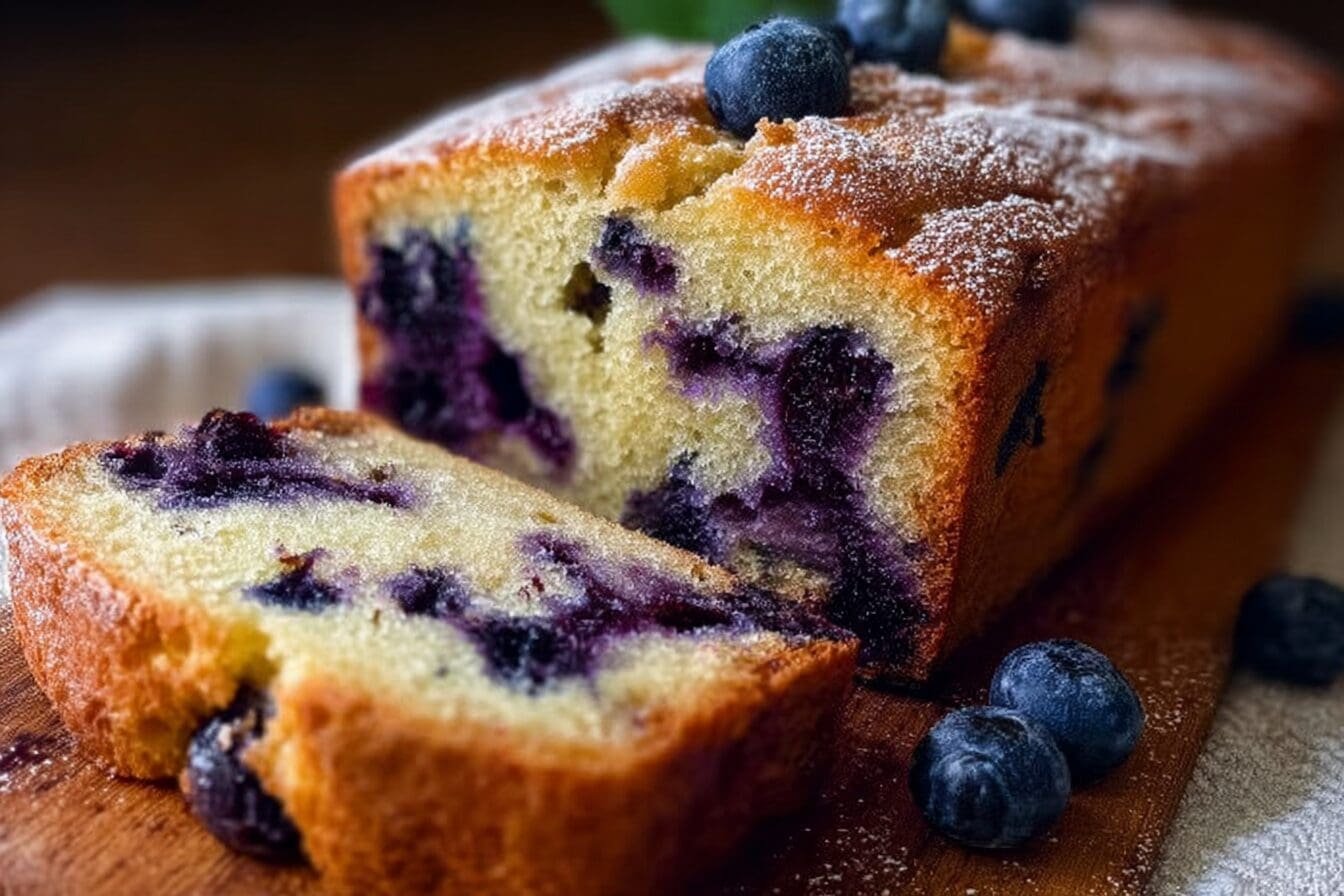
A perfectly baked Blueberry Muffin Bread will have a golden brown top with a slight dome. The crust should be firm but not hard, while the interior remains moist and tender. Blueberries should be evenly distributed throughout the crumb, without sinking to the bottom. The bread should spring back slightly when pressed gently in the center, indicating proper structure.
If your bread develops cracks on top, don’t worry this is completely normal and often considered a sign of a good quick bread. These cracks occur as the bread expands during baking and typically add rustic charm to the finished loaf. As you gain experience with this recipe, you’ll learn to recognize the visual cues that indicate your bread is perfectly baked.

Dietary Substitutions to Customize Your Blueberry Muffin Bread
One of the wonderful aspects of Blueberry Muffin Bread is its versatility. Whether you’re accommodating dietary restrictions or simply want to experiment with different flavors, there are numerous substitutions you can try.
Protein and Main Component Alternatives
For those with specific dietary needs or preferences, consider these substitutions:
- Replace eggs with flaxseed or chia seed eggs for a vegan option. Mix 1 tablespoon of ground flaxseed or chia seeds with 3 tablespoons of water, let it sit for 5 minutes, and use as you would a regular egg.
- Use applesauce or mashed banana as egg substitutes that add natural sweetness and moisture while reducing fat content.
- Swap regular butter with coconut oil, vegan margarine, or olive oil depending on dietary needs and flavor preferences.
- Substitute sour cream with plain Greek yogurt for a similar tang and texture with a protein boost.
When experimenting with substitutions, remember that each change affects the final product. For example, coconut oil can make the bread slightly denser but adds a subtle coconut flavor that pairs beautifully with blueberries.
Vegetable, Sauce, and Seasoning Modifications
Enhance the nutrition and flavor profile of your bread with these additions:
- Incorporate grated zucchini or carrot for added moisture and nutrients without significantly altering the flavor. These vegetables also help keep the bread moist for days.
- Add spices like cinnamon, nutmeg, or cardamom to create a more complex flavor profile. These warm spices complement the blueberries beautifully, especially during cooler months.
- Include lemon zest to complement the blueberries and add a bright, fresh note. Lemon and blueberry is a classic combination that never disappoints.
- Substitute vanilla extract with almond or maple extract for unique taste twists. Almond pairs exceptionally well with blueberries, adding a nutty depth.
- Use sugar alternatives like honey, maple syrup, or agave for different sweetener profiles and more natural options. These liquid sweeteners add moisture, so you may need to slightly reduce other liquids.
Whole Grain Options
For added nutrition, consider incorporating whole grains into your bread. You can replace up to half of the all-purpose flour with whole wheat flour for a heartier, more nutritious loaf. White whole wheat flour works particularly well as it’s lighter in flavor and color than traditional whole wheat flour. Oat flour is another excellent option that adds a subtle nuttiness and pairs wonderfully with blueberries.
When using whole grain flours, you may notice the bread becomes slightly denser and has a more pronounced crumb. To maintain lightness, avoid overmixing and consider increasing the leavening agents slightly. Whole grains absorb more moisture, so you might need to add a tablespoon or two of additional liquid to achieve the right consistency.
Troubleshooting Common Issues
Even experienced bakers occasionally encounter challenges. Understanding common problems and their solutions can help you achieve perfect results every time you make blueberry muffin bread.
Blueberries Sinking to the Bottom
One of the most frequent issues with blueberry bread is the berries sinking to the bottom during baking. This happens when the berries are heavier than the batter. To prevent this, toss the blueberries in a tablespoon of flour before folding them into the batter. The flour coating creates slight friction that helps suspend the berries throughout the loaf. Another effective technique is to reserve some of the blueberries and sprinkle them on top of the batter just before baking, which ensures some remain visible on the surface of the finished bread.
Bread is Too Dense or Heavy
Heavy, dense bread often results from overmixing the batter. Once you add the flour, mix only until combined no more than 10-15 strokes with a spatula. Overmixing develops gluten, creating a tough structure that prevents proper rising. Another possible cause is using outdated leavening agents. Check the expiration dates on your baking powder and soda, and perform a freshness test if they’ve been in your pantry for a while. For baking powder, add a teaspoon to hot water; it should bubble vigorously. For baking soda, add a teaspoon to vinegar; it should fizz immediately.
Bread is Too Dry
Dry bread can result from overbaking, using too much flour, or insufficient fat in the recipe. Always measure flour accurately by lightly spooning it into the measuring cup and leveling it off, rather than scooping directly from the container, which compacts the flour. Start checking for doneness 5-10 minutes before the recommended baking time, as oven temperatures can vary. If your bread is consistently dry, try reducing the oven temperature by 25°F and extending the baking time slightly, which allows for more even cooking without drying out the exterior.
Bread is Undercooked in the Center
If your bread is golden on the outside but raw inside, the heat distribution in your oven may be uneven. Try using an oven thermometer to verify the actual temperature, as many ovens run hotter or cooler than the dial indicates. If temperature isn’t the issue, you might be pouring the batter into too deep a pan, which prevents heat from reaching the center. Consider using a wider pan or reducing the amount of batter. Another solution is to cover the bread with foil after the first 30 minutes of baking, which allows the center to cook through without over-browning the top.
Mastering Blueberry Muffin Bread: Advanced Tips and Variations
Once you’ve mastered the basic recipe, there are numerous ways to take your Blueberry Muffin Bread to the next level. These pro tips and creative variations will help you customize your bread and achieve consistently excellent results.
Pro Cooking Techniques
For optimal texture, always use room temperature ingredients, particularly eggs and dairy products. This ensures that the ingredients emulsify properly and create a smooth batter. If you’ve forgotten to take ingredients out of the refrigerator, you can quickly warm eggs by placing them in warm water for 5-10 minutes. Butter can be softened in the microwave in short bursts, being careful not to melt it completely.
Another crucial technique is to avoid overmixing the batter once the flour is added, as this develops gluten and can make the bread tough instead of tender. Stir just until the ingredients are combined, even if small lumps remain. These lumps will dissolve during baking, and your bread will be lighter for it. The goal is to develop enough structure to hold the bread together while maintaining tenderness.
For a lemon variation, add lemon zest and juice while slightly reducing the milk amount. This creates a refreshing citrus note that pairs beautifully with the blueberries, perfect for spring and summer enjoyment. The acidity from the lemon also helps brighten the overall flavor profile and enhances the natural sweetness of the berries.
Flavor Variations
Experiment with these creative twists to the classic Blueberry Muffin Bread:
- Add orange zest along with the blueberries for a citrusy twist that mimics the classic blueberry-orange combination
- Incorporate chopped walnuts or pecans for added crunch and protein, which also creates a nice texture contrast to the soft berries
- Mix in white chocolate chips for a sweeter, more indulgent version that children particularly love
- Try adding a cinnamon streusel layer in the middle of the loaf by swirling half the batter in the pan, adding the streusel, then topping with remaining batter
- Combine blueberries with other berries like raspberries or blackberries for a mixed berry variation that offers complexity of flavor
Presentation Tips
Serve slices with a light dusting of powdered sugar or a glaze made from lemon juice and powdered sugar for a professional-looking finish. To create an attractive glaze, simply mix powdered sugar with a small amount of lemon juice until it reaches a pourable consistency, then drizzle over the cooled bread. This simple addition transforms a home-style bread into something worthy of a bakery display.
For special occasions, garnish with fresh blueberries and mint leaves. The contrast of colors makes the bread visually appealing and suggests the fresh flavors within. The bread can also be sliced and toasted, then topped with cream cheese or butter for a special breakfast treat. Toasting creates a crispy exterior that contrasts beautifully with the soft interior.
Make-Ahead Options
Prepare batter the night before and refrigerate, then bake fresh the next morning for convenience in busy schedules. This approach allows you to have freshly baked bread with minimal morning effort. The resting time in the refrigerator can actually improve the flavor as the ingredients have time to meld together. Just remember to give the batter a gentle stir before baking, as some settling may occur overnight.
Blueberry muffin bread also freezes exceptionally well when wrapped tightly, maintaining quality for later enjoyment. This makes it perfect for meal prep or preparing treats in advance for guests. Consider baking two loaves at once enjoy one now and freeze the other for later. The frozen bread can be thawed and enjoyed whenever the craving strikes, or even given as a thoughtful gift.
How to Store Blueberry Muffin Bread: Best Practices
Proper storage is essential to maintain the freshness and quality of your Blueberry Muffin Bread. Follow these guidelines to enjoy your bread at its best, whether you’re keeping it for a few days or preserving it for months.
Room Temperature Storage
Blueberry Muffin Bread can be stored at room temperature for up to two days. Keep it in an airtight container or wrap it tightly in plastic wrap to prevent it from drying out. A cool, dry place away from direct sunlight is ideal for storing the bread. The pantry or a kitchen counter away from heat sources works well. At room temperature, the bread maintains its soft texture and is ready to eat whenever you want a snack.
Refrigeration
For longer storage at home, refrigerate your Blueberry Muffin Bread in an airtight container for up to a week. The cooler temperature will maintain freshness without drying out the bread. The refrigerator is particularly useful in warmer months or if your kitchen tends to be warm. Before serving, you may want to warm individual slices slightly to restore the freshly baked texture. A quick 10-15 second trip to the microwave works wonders.
Freezing
Blueberry Muffin Bread freezes exceptionally well, making it perfect for batch cooking and meal prep. To freeze, follow these steps:
- Allow the bread to cool completely
- Wrap it tightly in plastic wrap, followed by a layer of aluminum foil
- Place the wrapped bread in a freezer-safe bag
- Label with the date and contents
- Freeze for up to 3-4 months
Blueberry Muffin Bread freezes exceptionally well, making it perfect for batch cooking and meal prep, similar to other bread recipes like cheesy quick bread. The double wrapping method prevents freezer burn and preserves moisture, ensuring your bread tastes as good when thawed as it did when freshly baked.
Storage Comparison Guide
To help you decide the best storage method for your needs, here’s a quick comparison:
| Storage Method | Duration | Best For | Texture |
|---|---|---|---|
| Room Temperature | 1-2 days | Immediate consumption | Softest |
| Refrigerator | Up to 1 week | Short-term keeping | Firm but soft |
| Freezer | 3-4 months | Long-term storage | Slightly firmer when thawed |
Reheating
When you’re ready to enjoy your frozen bread, thaw it at room temperature for a few hours or overnight in the refrigerator. For best results, remove the bread from all packaging while thawing to prevent condensation from making the exterior soggy. To restore that freshly baked warmth, heat individual slices in the microwave for 10-20 seconds or in a toaster oven at a low temperature. This warms the bread without compromising its moist, fluffy texture.
Meal Prep Considerations
When batch cooking, slice and freeze individual portions to streamline serving and reduce waste. This approach allows you to grab a single slice whenever you want a quick breakfast or snack without having to thaw the entire loaf. Place parchment paper between slices before freezing so they don’t stick together, making it easy to remove just what you need. Pre-sliced portions also thaw more quickly, perfect for busy mornings.
FAQs: Frequently Asked Questions About Blueberry Muffin Bread
What is blueberry muffin bread and how does it differ from regular muffins?
Blueberry muffin bread is a quick bread baked in a loaf form with a texture similar to soft, moist blueberry muffins. Unlike traditional muffins, it is made without yeast and baked in a loaf pan, which results in a thicker, sliceable bread. It contains a generous amount of blueberries, can be eaten warm or cold, and freezes well for easy storage.
Can I use frozen blueberries instead of fresh in blueberry muffin bread?
Yes, you can use frozen blueberries, but keep them frozen when adding to the batter to prevent color bleed. To balance extra moisture, add 2 tablespoons of flour to the dry ingredients. Baking time may need to be extended by 5-10 minutes, so check with a toothpick for doneness.
What are the best substitutes for sour cream in blueberry muffin bread recipes?
Plain Greek yogurt is the closest substitute for sour cream, offering similar tang and moisture. Unsweetened applesauce or mashed bananas can also be used, but they may slightly alter the texture and flavor. Replace sour cream in equal amounts with any of these options.
How should I store and freeze blueberry muffin bread to keep it fresh?
After baking, let the bread cool completely, then wrap it tightly in plastic wrap or aluminum foil. Place it in an airtight freezer bag or container and freeze for up to 3-4 months. Thaw the bread in the refrigerator overnight or at room temperature for a few hours before serving.
Can I bake blueberry muffin bread in different pans, like Bundt or mini loaf pans?
Yes, you can bake blueberry muffin bread in Bundt pans or mini loaf pans. Using smaller pans will reduce baking time, so start checking for doneness 5-10 minutes earlier. A Bundt pan may require a longer bake time and slightly different temperature; use a toothpick inserted in the center to test if the bread is fully baked.

Blueberry Muffin Bread
- Total Time: 1 hour 45 minutes
- Yield: 1 loaf
Description
🫐 This Blueberry Muffin Bread recipe offers a moist, fluffy texture with the fresh flavor of blueberries in every bite.
🍞 Perfect for breakfast, snacks, or dessert, it’s easy to make and can be enjoyed warm, chilled, or frozen.
Ingredients
– 2 cups all-purpose flour provides the base structure for the bread
– 1 teaspoon baking soda leavens the bread for a fluffy rise
– 1 teaspoon baking powder helps create a light, airy texture
– 1/2 teaspoon salt enhances overall flavor
– 1/2 cup unsalted butter adds moisture and richness
– 2/3 cup granulated sugar sweetens the bread
– 1/4 cup packed light or dark brown sugar adds moisture and depth of flavor
– 2 large eggs (room temperature) bind ingredients and contribute to texture
– 1/2 cup sour cream (room temperature, can substitute plain yogurt) creates tenderness and moisture
– 1 1/2 teaspoons pure vanilla extract adds aroma and depth
– 1/3 cup milk (room temperature) keeps the batter smooth and tender
– 1 1/2 cups fresh blueberries adds natural sweetness and antioxidants
– 2 tablespoons blueberry jam for a marbled swirl effect
– all-purpose flour for crumble topping
– brown sugar for crumble topping
– cinnamon for crumble topping
– melted butter for crumble topping
Instructions
First Step: Preheat your oven to 350°F (175°C). Grease a 9×5 inch loaf pan with cooking spray or butter. For easier removal, line the pan with parchment paper, leaving an overhang on the sides. This preparation ensures the bread does not stick and bakes evenly. Proper preparation of your pan prevents a messy cleanup and ensures your bread releases cleanly in one piece.
Second Step: In a large bowl, whisk together the flour, baking soda, baking powder, and salt. For gluten-free options, use the appropriate flour blend here. Sifting the dry ingredients helps to aerate the flour and ensure even mixing. This simple step can make a significant difference in the final texture of your bread, preventing lumps and incorporating air for a lighter crumb.
Third Step: In a separate large bowl, beat the softened butter with granulated and brown sugars until creamy and light. This process, called creaming, incorporates air into the butter, contributing to the bread’s fluffy texture. Add the eggs one at a time, mixing well after each addition. Then add the sour cream and vanilla extract, mixing until combined. Using room temperature ingredients helps them blend together smoothly for a uniform batter.
Fourth Step: Gradually add the dry ingredients to the wet mixture, alternating with the milk. Stir gently until just combined, being careful not to overmix as this can make the bread dense. Overmixing develops gluten, which creates a tougher texture. The key is to mix only until no dry streaks remain, even if the batter appears slightly lumpy. Those small lumps will resolve during baking.
Fifth Step: Gently fold in the fresh blueberries. For best results, toss the blueberries in a small amount of flour before adding them to the batter to help prevent them from sinking to the bottom. This technique works because the flour coating helps the berries grip the batter rather than falling through it. Fold just until the berries are distributed evenly throughout the batter.
Sixth Step: Pour the batter into your prepared loaf pan, smoothing the top evenly. If using, swirl in the blueberry jam by dropping spoonfuls over the batter and running a knife through it gently. Then sprinkle the crumble topping on top. These additions create visual interest and additional flavor layers that make each slice special.
Seventh Step: Bake for 60-65 minutes. After 30 minutes of baking, cover the loaf with aluminum foil to prevent over-browning. The foil reflects heat, allowing the bread to continue cooking without developing a dark crust. Adjust baking time slightly for gluten-free or denser flour alternatives. Every oven is different, so start checking for doneness about 5 minutes before the recommended time.
Final Step: Test for doneness by inserting a toothpick into the center of the bread. If it comes out clean or with just a few moist crumbs, your bread is ready. Let the bread cool in the pan for 10 minutes before transferring it to a wire rack to cool completely before slicing. Cooling allows the structure to set, preventing the bread from crumbling when cut. This patience is rewarded with clean, beautiful slices.
Notes
🫐 Use fresh blueberries for best texture and flavor; if using frozen, add 2 tablespoons more flour and do not thaw.
🧈 Ensure refrigerated ingredients are at room temperature to improve mixing.
❄️ Toss blueberries in flour before folding to prevent sinking in the batter.
- Prep Time: 15 minutes
- Cooling time: 30 minutes
- Cook Time: 60 minutes
- Category: Baked Goods
- Method: Baking
- Cuisine: American
Nutrition
- Serving Size: 1 slice
- Calories: 250
- Sugar: 20 grams
- Sodium: 180 mg
- Fat: 10 grams
- Saturated Fat: 6 grams
- Trans Fat: 0 grams
- Carbohydrates: 35 grams
- Fiber: 2 grams
- Protein: 4 grams
- Cholesterol: 50 mg
Keywords: Blueberry Muffin Bread, Moist Bread, Fluffy Bread, Fresh Blueberries