
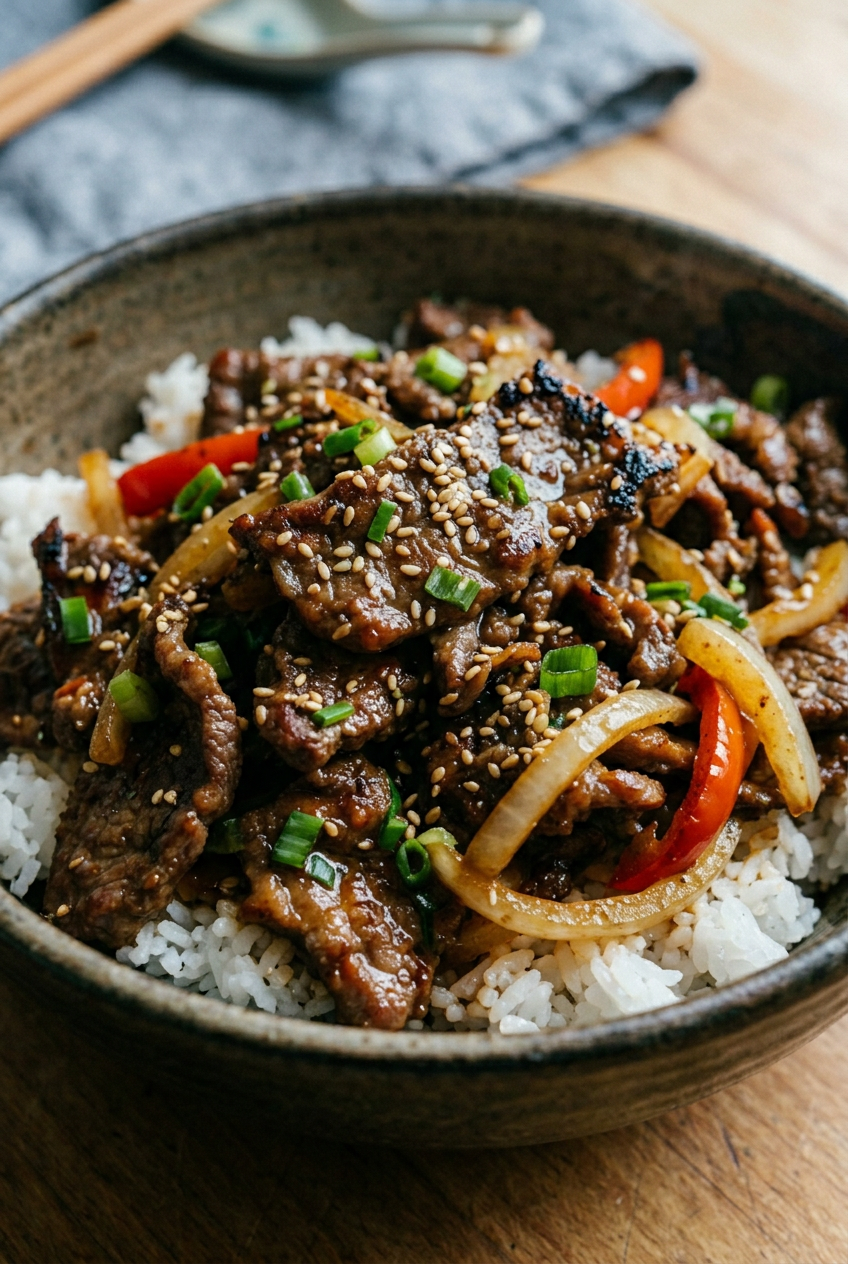
Why You’ll Love This Beef Bulgogi
Beef Bulgogi has become one of my family’s absolute favorite weeknight dinners, and once you try this recipe, you’ll understand exactly why. This Korean classic brings together the perfect balance of sweet, savory, and slightly spicy flavors that make every bite absolutely irresistible. Whether you’re new to Korean cuisine or a longtime fan, this authentic home-style version delivers restaurant-quality results right from your own kitchen.
The beauty of this Beef Bulgogi recipe lies in its simplicity and the incredible depth of flavor it achieves with minimal effort. I’ve spent years perfecting this marinade, and I’m excited to share all my secrets with you. From busy parents needing quick dinner solutions to food enthusiasts looking to try something new, this dish hits all the right notes.
Key Benefits of This Recipe
- Ease of Preparation: This Beef Bulgogi comes together in just 30 minutes of active cooking time. The marinade takes about 10 minutes to whisk together, and once your beef is sliced and soaking up all those wonderful flavors, the actual cooking happens in under 10 minutes. It’s perfect for those hectic weeknights when you want something homemade but don’t have hours to spend in the kitchen.
- Health Benefits: Using ribeye steak provides high-quality protein (about 25g per serving) along with essential nutrients like iron, zinc, and B vitamins. The pear in the marinade contains natural enzymes that tenderize the meat without added chemicals, while ginger and garlic offer anti-inflammatory properties. You can easily adjust the sugar content to suit your dietary preferences.
- Versatility: This Korean beef bulgogi adapts beautifully to various dietary needs and serving styles. Serve it over steamed rice, wrap it in lettuce leaves, or stuff it into tacos for a Korean-Mexican fusion. The recipe also works wonderfully with different proteins like chicken, pork, or even tofu for plant-based alternatives.
- Distinctive Flavor: The combination of gochujang, sesame oil, and fresh aromatics creates that signature umami-rich taste that makes Korean cuisine so special. The grated pear not only tenderizes but adds a subtle sweetness that balances the salty soy sauce and spicy gochujang perfectly.
“When I first made this Beef Bulgogi for my family, they couldn’t believe I hadn’t ordered takeout. The caramelized edges and tender texture make this dish taste like it came from a Korean barbecue restaurant.”
Jump To
- 1. Why You’ll Love This Beef Bulgogi
- 2. Essential Ingredients for Beef Bulgogi
- 3. How to Prepare the Perfect Beef Bulgogi: Step-by-Step Guide
- 4. Dietary Substitutions to Customize Your Beef Bulgogi
- 5. Mastering Beef Bulgogi: Advanced Tips and Variations
- 6. How to Store Beef Bulgogi: Best Practices
- 7. FAQs: Frequently Asked Questions About Beef Bulgogi
- 8. Beef Bulgogi
Essential Ingredients for Beef Bulgogi
Creating authentic Beef Bulgogi at home starts with gathering the right ingredients. Each component plays a crucial role in building that signature Korean flavor profile we all love. Below you’ll find everything you need, along with explanations of why each ingredient matters.
Main Ingredients List
- 1 ½ pounds boneless rib eye steak – The star of the show! Ribeye offers excellent marbling that keeps the meat tender and juicy during quick cooking. The fat content ensures each piece stays moist even after high-heat cooking.
- ½ small pear, peeled and coarsely grated – Asian pear is traditional, but any sweet pear works beautifully. The natural enzymes in pear (called calpain) break down proteins in the meat, making it incredibly tender without commercial tenderizers.
- ¼ cup soy sauce (reduced sodium recommended) – Provides the essential salty, umami base for your Beef Bulgogi marinade. Reduced sodium versions let you control the saltiness while still getting that classic soy flavor.
- 2 tablespoons brown sugar – Adds sweetness that helps create that gorgeous caramelized exterior when the meat hits the hot pan. It also balances the salty soy sauce and spicy gochujang.
- 2 tablespoons toasted sesame oil – This aromatic oil brings authentic Korean flavor to your marinade. Toasted sesame oil is more flavorful than regular, so a little goes a long way.
- 3 cloves garlic, minced – Fresh garlic is non-negotiable for authentic flavor. It adds pungent depth that permeates the meat during marinating.
- 1 tablespoon freshly grated ginger – Fresh ginger brings a warm, slightly spicy note that’s essential to Korean cooking. Pre-grated versions lack the same potency.
- 1 tablespoon gochujang (Korean red pepper paste) – This fermented chili paste adds complexity with spicy, sweet, and savory elements all in one ingredient. It’s what gives Beef Bulgogi its distinctive Korean character.
- 2 tablespoons vegetable oil, divided – Used for cooking the marinated beef. A neutral oil with a high smoke point ensures the meat sears properly without burning.
- 2 green onions, thinly sliced – Added at the end for fresh, mild onion flavor and a pop of color. They also help cut through the richness of the beef.
- 1 teaspoon sesame seeds – Sprinkled on top for garnish and a subtle nutty crunch. They make your finished dish look as good as it tastes.
Special Dietary Options
For those with specific dietary needs, Beef Bulgogi can easily be adapted without sacrificing flavor:
| Dietary Need | Substitution | Notes |
|---|---|---|
| Gluten-Free | Use tamari or coconut aminos instead of soy sauce | Check that your gochujang is gluten-free certified |
| Low-Calorie | Reduce brown sugar to 1 tablespoon | Use leaner cuts like sirloin, adjusting cooking time |
| Vegan | Substitute beef with firm tofu or portobello mushrooms | Press tofu well and marinate longer for best flavor absorption |
| Low-Sodium | Use reduced-sodium soy sauce and omit added salt | The natural flavors still shine through beautifully |
How to Prepare the Perfect Beef Bulgogi: Step-by-Step Guide
Making Beef Bulgogi at home is easier than you might think. Follow these detailed steps, and you’ll have perfectly caramelized, tender Korean beef that rivals any restaurant version. I’ve broken down every part of the process so even beginner cooks can achieve amazing results.
Step One: Prepare the Beef
Start by preparing your ribeye steak properly. Place the beef in the freezer for about 20-30 minutes before slicing. This partial freezing firms up the meat and makes it much easier to cut thin, even slices. You’re aiming for pieces about 1/8 to 1/4 inch thick.
Using a sharp knife, slice the beef against the grain. Cutting against the grain shortens the muscle fibers, resulting in more tender meat that’s easier to chew. Take your time with this step because evenly sliced beef cooks uniformly and looks more professional on the plate.
After slicing, pat the beef dry with paper towels. Removing excess moisture helps the meat sear properly rather than steam in the pan. Set the sliced beef aside while you prepare the marinade.
Step Two: Make the Marinade
In a large mixing bowl, combine all your marinade ingredients. Start with the grated pear, which should be about 1/4 cup when grated. The pear adds natural sweetness and contains enzymes that will tenderize your Beef Bulgogi as it marinates.
Add the ¼ cup soy sauce, 2 tablespoons brown sugar, 2 tablespoons toasted sesame oil, 3 minced garlic cloves, and 1 tablespoon freshly grated ginger. Whisk everything together until the sugar dissolves completely. The mixture should have a rich brown color and fragrant aroma.
Finally, stir in 1 tablespoon of gochujang. Mix well until no lumps remain. Taste your marinade before adding the beef. It should be salty-sweet with a gentle heat from the gochujang. Adjust any seasonings if needed, keeping in mind that flavors will concentrate as the beef cooks.
Step Three: Marinate the Beef
Add your sliced ribeye to the marinade, using your hands or tongs to ensure every piece is thoroughly coated. The beef should swim in the marinade for maximum flavor penetration. Cover the bowl with plastic wrap or transfer everything to a sealed container.
For the best results, let your Beef Bulgogi marinate in the refrigerator for at least 30 minutes. However, if you have the time, marinating for 2-4 hours allows the flavors to develop more fully. You can even marinate overnight for incredibly flavorful beef, though the pear enzymes may start breaking down the meat too much if left longer than 24 hours.
“The secret to amazing Korean beef bulgogi is patience during the marinating process. Those 30 minutes to 4 hours make all the difference between good and extraordinary.”
Step Four: Cook the Beef
When you’re ready to cook, remove the marinated beef from the refrigerator and let it sit at room temperature for about 10 minutes. This helps the meat cook more evenly. While waiting, prepare your cooking station.
Heat a large skillet or wok over medium-high heat. Add 1 tablespoon of vegetable oil and let it shimmer. You want the pan nice and hot so the beef sears quickly rather than stewing in its juices. Working in batches if necessary, add the marinated beef in a single layer. Don’t overcrowd the pan because this lowers the temperature and prevents proper browning.
Cook the Beef Bulgogi for 2-3 minutes per side. You’re looking for caramelized brown edges and a slight char. The high heat and quick cooking keep the interior tender while developing that delicious exterior crust. Transfer cooked beef to a clean plate and repeat with remaining meat, adding more oil if needed.
Step Five: Finish and Serve
Once all your beef is cooked, return everything to the pan for a final toss. Add the sliced green onions and sprinkle with sesame seeds. Give everything a quick stir to combine and heat through for about 30 seconds. The green onions should remain bright and slightly crisp.
Transfer your finished Beef Bulgogi to a serving platter. Pour any remaining pan juices over the top for extra flavor. Serve immediately while hot. For a complete Korean meal, pair with steamed short-grain rice, kimchi, and other banchan (Korean side dishes) like seasoned spinach or pickled vegetables.
If you’re looking for another delicious beef dish to add to your recipe collection, check out this slow cooker pepper steak recipe that’s perfect for busy days when you want dinner waiting for you.

Dietary Substitutions to Customize Your Beef Bulgogi
One of the wonderful things about Beef Bulgogi is how adaptable it is to different dietary preferences and ingredient availability. Whether you’re cooking for someone with allergies, trying to reduce meat consumption, or simply working with what’s in your pantry, there are plenty of ways to customize this recipe.
Protein and Main Component Alternatives
While ribeye is traditional and delicious, you have several options for the main protein in your bulgogi:
Beef Alternatives: Top sirloin offers a leaner option while still providing good flavor. Flank steak and skirt steak are budget-friendly choices that slice beautifully thin. For either of these leaner cuts, reduce marinating time slightly to prevent the meat from becoming too soft. Always slice against the grain regardless of which cut you choose.
Pork Option: Pork shoulder or pork belly make excellent bulgogi. Thinly sliced pork shoulder absorbs the marinade beautifully and stays tender during cooking. The cooking time remains the same as for beef.
Chicken Variation: Boneless chicken thighs work better than breast meat because they stay juicy. Slice the thighs into thin strips and follow the same marinating process. For more chicken recipe inspiration, try this balsamic chicken breast recipe that’s perfect for weeknight dinners.
Plant-Based Substitutes: For a vegan version, use extra-firm tofu that’s been pressed and cubed, or slice portobello mushrooms into strips. Both options absorb marinade well. You may need to adjust cooking time because tofu and mushrooms cook faster than beef.
Vegetable, Sauce, and Seasoning Modifications
The marinade and seasonings in Beef Bulgogi can be adjusted based on your preferences and dietary needs:
Pear Substitutes: If you don’t have pear available, Fuji apple makes an excellent substitute. Grate it the same way you would the pear. Kiwi can also work but use only half a kiwi and reduce marinating time because kiwi is more potent in tenderizing.
Soy Sauce Alternatives: For gluten-free versions, use tamari or coconut aminos. Both provide similar umami flavor without the gluten. Coconut aminos are slightly sweeter, so you might reduce the brown sugar slightly.
Gochujang Variations: If gochujang isn’t available, you can create a substitute by mixing 1 tablespoon miso paste, 1 teaspoon sriracha, and 1/2 teaspoon honey. For those sensitive to spice, reduce the gochujang to 1/2 tablespoon or omit it entirely.
Sweetener Options: Brown sugar can be replaced with honey, maple syrup, or coconut sugar. Each brings a slightly different flavor profile, so choose based on your preference. For a lower-sugar version, reduce the amount by half or use a sugar substitute that measures 1:1.
Mastering Beef Bulgogi: Advanced Tips and Variations
Once you’ve mastered the basic Beef Bulgogi recipe, you might want to experiment with different techniques and variations. These advanced tips will help you take your Korean cooking to the next level and keep this dish exciting even after you’ve made it dozens of times.
Pro Cooking Techniques
For the most authentic results, try cooking your bulgogi on a tabletop grill or electric griddle. The even heat distribution creates perfect caramelization across the entire surface of the meat. If you have a gas or charcoal grill, bulgogi cooks beautifully over high heat. Use a grill basket or perforated grill pan so the thin slices don’t fall through the grates.
When pan-frying, resist the urge to stir constantly. Let the beef develop a nice sear on one side before flipping. This creates those sought-after caramelized edges that make bulgogi so appealing. Also, make sure your pan is hot enough before adding the meat. Test by flicking a drop of water onto the surface; it should sizzle and evaporate immediately.
For restaurant-style results, cook the beef in batches and don’t wipe the pan between rounds. The accumulated fond (browned bits) adds incredible depth of flavor to subsequent batches.
Flavor Variations
While traditional Beef Bulgogi is perfect as-is, consider these delicious variations:
- Spicy Bulgogi: Increase gochujang to 2 tablespoons and add 1 teaspoon of gochugaru (Korean red pepper flakes) for extra heat.
- Garlic Lover’s Version: Double the garlic to 6 cloves for an intensely aromatic dish.
- Sweet and Smoky: Add 1 tablespoon of smoked paprika and an extra tablespoon of brown sugar for a unique twist.
- Citrus-Infused: Add 1 tablespoon of rice vinegar and 1 teaspoon of orange zest for brightness.
Presentation Tips
Visual appeal matters almost as much as taste. Serve your Beef Bulgogi family-style on a large platter with the meat mounded slightly in the center. Sprinkle extra sesame seeds and green onion slices on top for a pop of color. Add a few perilla leaves or lettuce leaves on the side for wrapping.
For individual portions, serve in hot stone bowls (dolsot) if available. The residual heat keeps the meat warm throughout the meal and creates crispy bits at the bottom that many consider the best part.
Make-Ahead Options
Beef Bulgogi is perfect for meal prep. Marinate the beef up to 24 hours ahead and store in the refrigerator. You can also freeze the marinated raw beef for up to 3 months. Thaw completely in the refrigerator before cooking.
Another time-saving strategy is to slice and portion the beef, then freeze it unmarinated. When ready to cook, thaw and add to the marinade. The beef absorbs flavor quickly when it’s freshly thawed.
How to Store Beef Bulgogi: Best Practices
Proper storage ensures your Beef Bulgogi stays fresh and delicious whether you’re saving leftovers or prepping ahead. Follow these guidelines to maintain quality and food safety.
Refrigeration Guidelines
Cooked Beef Bulgogi stores well in the refrigerator for up to 4 days. Place leftovers in an airtight container within two hours of cooking to prevent bacterial growth. For best results, store the beef and rice separately because rice can become gummy when refrigerated with sauce.
If you’ve prepped the marinade but haven’t cooked the beef yet, the raw marinated meat can stay in the refrigerator for up to 24 hours. Beyond that, the pear enzymes may make the texture too soft.
Freezing Instructions
For longer storage, Beef Bulgogi freezes beautifully. You have two options:
Freeze Before Cooking: Place the raw beef in the marinade in a freezer-safe bag or container. Remove as much air as possible to prevent freezer burn. Label with the date and freeze for up to 3 months. Thaw overnight in the refrigerator before cooking.
Freeze After Cooking: Cool the cooked beef completely before freezing. Portion into meal-sized containers for easy reheating. Frozen cooked bulgogi maintains quality for 2-3 months. Thaw in the refrigerator overnight.
Reheating Recommendations
To maintain the texture and flavor of your Beef Bulgogi, reheat gently. The microwave works in a pinch, but stovetop reheating gives better results. Heat a skillet over medium heat, add a splash of water or broth, and stir the beef until warmed through. The added liquid creates steam that heats the meat without drying it out.
For microwave reheating, cover the container with a damp paper towel. Heat in 30-second intervals, stirring between each, until hot throughout. This method prevents the beef from becoming rubbery.
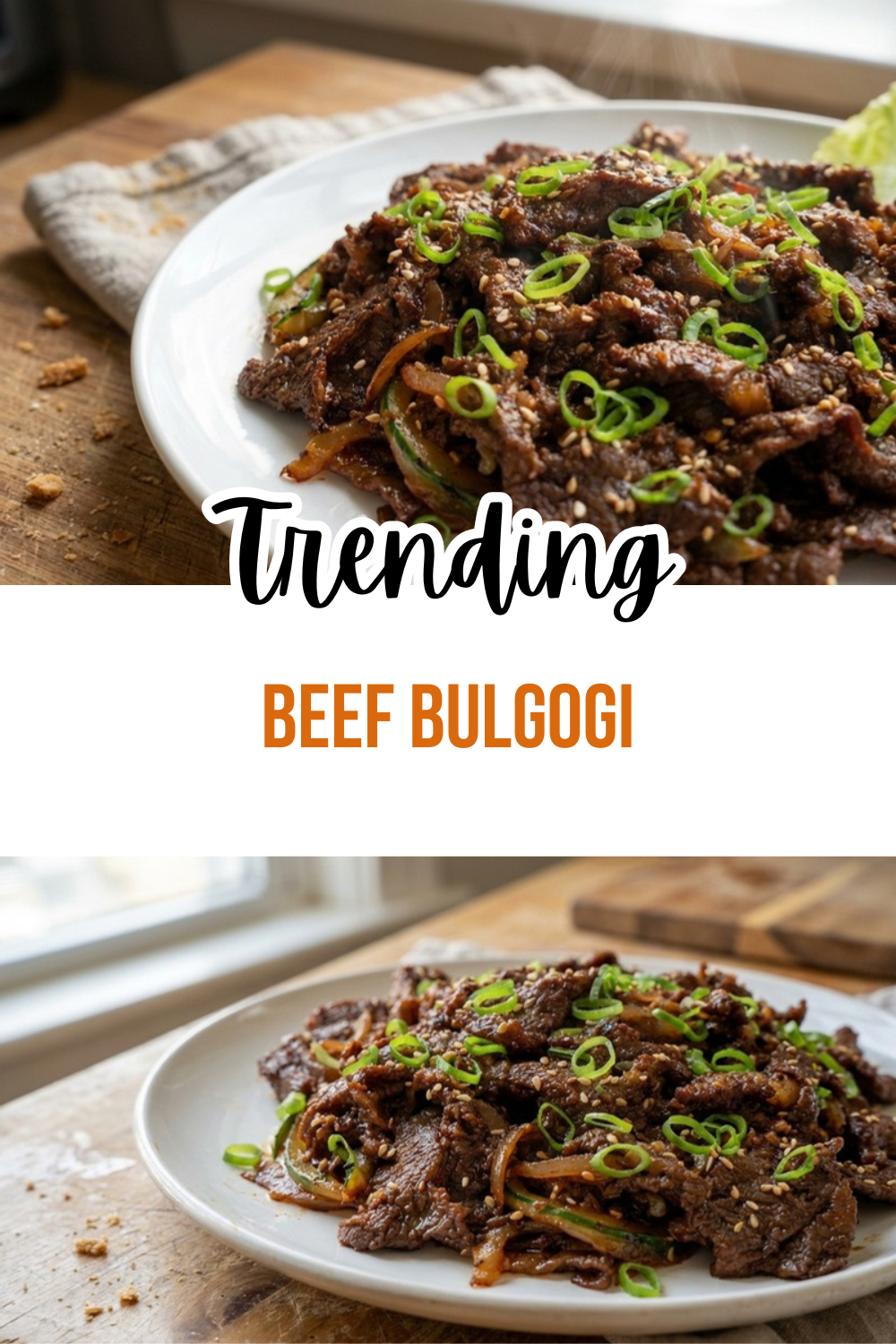
FAQs: Frequently Asked Questions About Beef Bulgogi
What is beef bulgogi?
Beef bulgogi is a classic Korean dish featuring thinly sliced beef marinated in a sweet-savory sauce made with soy sauce, sesame oil, garlic, ginger, sugar, and often pear or apple for tenderness. The meat is grilled or pan-fried until caramelized and juicy, offering bold flavors from gochujang chili paste and green onions. It’s quick to prepare—marinate for 30 minutes to overnight—and cooks in under 10 minutes. Slice beef against the grain for best results. Popular at Korean barbecues, it serves 4 as a main with rice. For authenticity, use ribeye; freeze slightly for easy slicing. Nutrition per serving: about 350 calories, 25g protein, rich in iron. Pair with banchan like kimchi for a full meal. (92 words)
What cuts of beef work best for bulgogi?
Ribeye and top sirloin are top choices for beef bulgogi due to their marbling, which keeps the meat tender and flavorful after quick cooking. For budget options, use flank steak or skirt steak—both slice thinly and absorb marinade well. Aim for 1-1.5 lbs, partially freeze for 20-30 minutes to slice 1/8-inch thick against the grain. Avoid lean cuts like round, as they dry out. Prep tip: pat dry before cooking to get a nice sear. These swaps maintain the dish’s juicy texture without altering taste. Test with a small batch if substituting. Links to slicing tutorial in our Korean beef recipes section. (98 words)
What can I substitute for pear in beef bulgogi marinade?
In beef bulgogi marinade, replace pear with Fuji apple, which provides similar natural sugars and enzymes to tenderize the meat—grate 1/2 cup for one pear. Kiwi works too (1/2 kiwi pureed) but use sparingly to avoid mushiness; limit to 1 hour marinate time. Pineapple juice (2 tbsp) is another option for its bromelain, but dilute to prevent over-tenderizing. Omit fruit entirely and add 1 tbsp honey or brown sugar for sweetness. Always taste marinade before using. These keep the glossy, caramelized finish intact. Common in home kitchens, apple is easiest to find year-round. See our full marinade recipe for ratios. (102 words)
What is gochujang and where do I find it for bulgogi?
Gochujang is a thick, fermented red chili paste essential in beef bulgogi for its spicy, sweet, umami kick—start with 1-2 tbsp per pound of meat. It’s a Korean pantry staple, sold in red plastic tubs (like Bibigo brand) in the Asian aisle of most grocery stores, Walmart, or online via Amazon. Mild versions suit beginners; check labels for heat level. No sub? Mix 1 tbsp miso, 1 tsp sriracha, and 1/2 tsp honey. Store opened tubs in fridge up to a year. Adds authentic depth—without it, bulgogi tastes flat. Pro tip: thin with marinade liquid for even coating. Explore more Korean ingredients in our glossary. (108 words)
How do I cook beef bulgogi and what to serve it with?
Cook beef bulgogi in a hot skillet or grill pan over medium-high heat, 2-3 minutes per side until charred edges form—don’t overcrowd for best sear. No cast iron? A nonstick or stainless pan works; add oil if needed. Serve hot with steamed rice, kimchi, sliced cucumbers, perilla leaves, and ssamjang dipping sauce for wrapping. Add lettuce wraps for fun. Feeds 4; leftovers store 3 days in fridge or freeze 1 month—reheat gently. Common sides: spinach namul or pickled radish. This setup mimics Korean BBQ tables. For variations, try pork bulgogi. See our side dish recipes for easy pairings. (96 words)
Beef Bulgogi
- Total Time: 55 minutes
- Yield: 4 servings
Description
🥩 Experience tender, thinly sliced ribeye marinated in sweet pear and savory soy for an authentic Korean flavor explosion that’s juicy and irresistible.
🍲 Easy home-style bulgogi ready in under an hour—perfect for weeknight dinners with rice or lettuce wraps, packed with protein and umami.
Ingredients
– 1 ½ pounds boneless rib eye steak
– ½ small pear, peeled and coarsely grated
– ¼ cup soy sauce (reduced sodium recommended)
– 2 tablespoons brown sugar
– 2 tablespoons toasted sesame oil
– 3 cloves garlic, minced
– 1 tablespoon freshly grated ginger
– 1 tablespoon gochujang (Korean red pepper paste)
– 2 tablespoons vegetable oil, divided
– 2 green onions, thinly sliced
– 1 teaspoon sesame seeds
Instructions
1-Step One: Prepare the Beef Start by preparing your ribeye steak properly. Place the beef in the freezer for about 20-30 minutes before slicing. This partial freezing firms up the meat and makes it much easier to cut thin, even slices. You’re aiming for pieces about 1/8 to 1/4 inch thick. Using a sharp knife, slice the beef against the grain. Cutting against the grain shortens the muscle fibers, resulting in more tender meat that’s easier to chew. Take your time with this step because evenly sliced beef cooks uniformly and looks more professional on the plate. After slicing, pat the beef dry with paper towels. Removing excess moisture helps the meat sear properly rather than steam in the pan. Set the sliced beef aside while you prepare the marinade.
2-Step Two: Make the Marinade In a large mixing bowl, combine all your marinade ingredients. Start with the grated pear, which should be about 1/4 cup when grated. The pear adds natural sweetness and contains enzymes that will tenderize your Beef Bulgogi as it marinates. Add the ¼ cup soy sauce, 2 tablespoons brown sugar, 2 tablespoons toasted sesame oil, 3 minced garlic cloves, and 1 tablespoon freshly grated ginger. Whisk everything together until the sugar dissolves completely. The mixture should have a rich brown color and fragrant aroma. Finally, stir in 1 tablespoon of gochujang. Mix well until no lumps remain. Taste your marinade before adding the beef. It should be salty-sweet with a gentle heat from the gochujang. Adjust any seasonings if needed, keeping in mind that flavors will concentrate as the beef cooks.
3-Step Three: Marinate the Beef Add your sliced ribeye to the marinade, using your hands or tongs to ensure every piece is thoroughly coated. The beef should swim in the marinade for maximum flavor penetration. Cover the bowl with plastic wrap or transfer everything to a sealed container. For the best results, let your Beef Bulgogi marinate in the refrigerator for at least 30 minutes. However, if you have the time, marinating for 2-4 hours allows the flavors to develop more fully. You can even marinate overnight for incredibly flavorful beef, though the pear enzymes may start breaking down the meat too much if left longer than 24 hours.
4-Step Four: Cook the Beef When you’re ready to cook, remove the marinated beef from the refrigerator and let it sit at room temperature for about 10 minutes. This helps the meat cook more evenly. While waiting, prepare your cooking station. Heat a large skillet or wok over medium-high heat. Add 1 tablespoon of vegetable oil and let it shimmer. You want the pan nice and hot so the beef sears quickly rather than stewing in its juices. Working in batches if necessary, add the marinated beef in a single layer. Don’t overcrowd the pan because this lowers the temperature and prevents proper browning. Cook the Beef Bulgogi for 2-3 minutes per side. You’re looking for caramelized brown edges and a slight char. The high heat and quick cooking keep the interior tender while developing that delicious exterior crust. Transfer cooked beef to a clean plate and repeat with remaining meat, adding more oil if needed.
5-Step Five: Finish and Serve Once all your beef is cooked, return everything to the pan for a final toss. Add the sliced green onions and sprinkle with sesame seeds. Give everything a quick stir to combine and heat through for about 30 seconds. The green onions should remain bright and slightly crisp. Transfer your finished Beef Bulgogi to a serving platter. Pour any remaining pan juices over the top for extra flavor. Serve immediately while hot. For a complete Korean meal, pair with steamed short-grain rice, kimchi, and other banchan (Korean side dishes) like seasoned spinach or pickled vegetables.
Notes
🧊 Freeze beef briefly before slicing for paper-thin cuts that stay tender.
⏱️ Marinate longer (up to overnight) for deeper flavor infusion.
🔥 Cook in batches over high heat to avoid steaming and ensure caramelization.
- Prep Time: 15 minutes
- Marinate: 30 minutes
- Cook Time: 10 minutes
- Category: Dinner
- Method: Stir-Frying
- Cuisine: Korean
Nutrition
- Serving Size: about 6 oz beef
- Calories: 450 kcal
- Sugar: 11 g
- Sodium: 900 mg
- Fat: 28 g
- Saturated Fat: 8 g
- Unsaturated Fat: 20 g
- Trans Fat: 0 g
- Carbohydrates: 15 g
- Fiber: 1 g
- Protein: 35 g
- Cholesterol: 90 mg
Keywords: korean beef bulgogi, easy bulgogi, authentic korean bbq, home style beef