
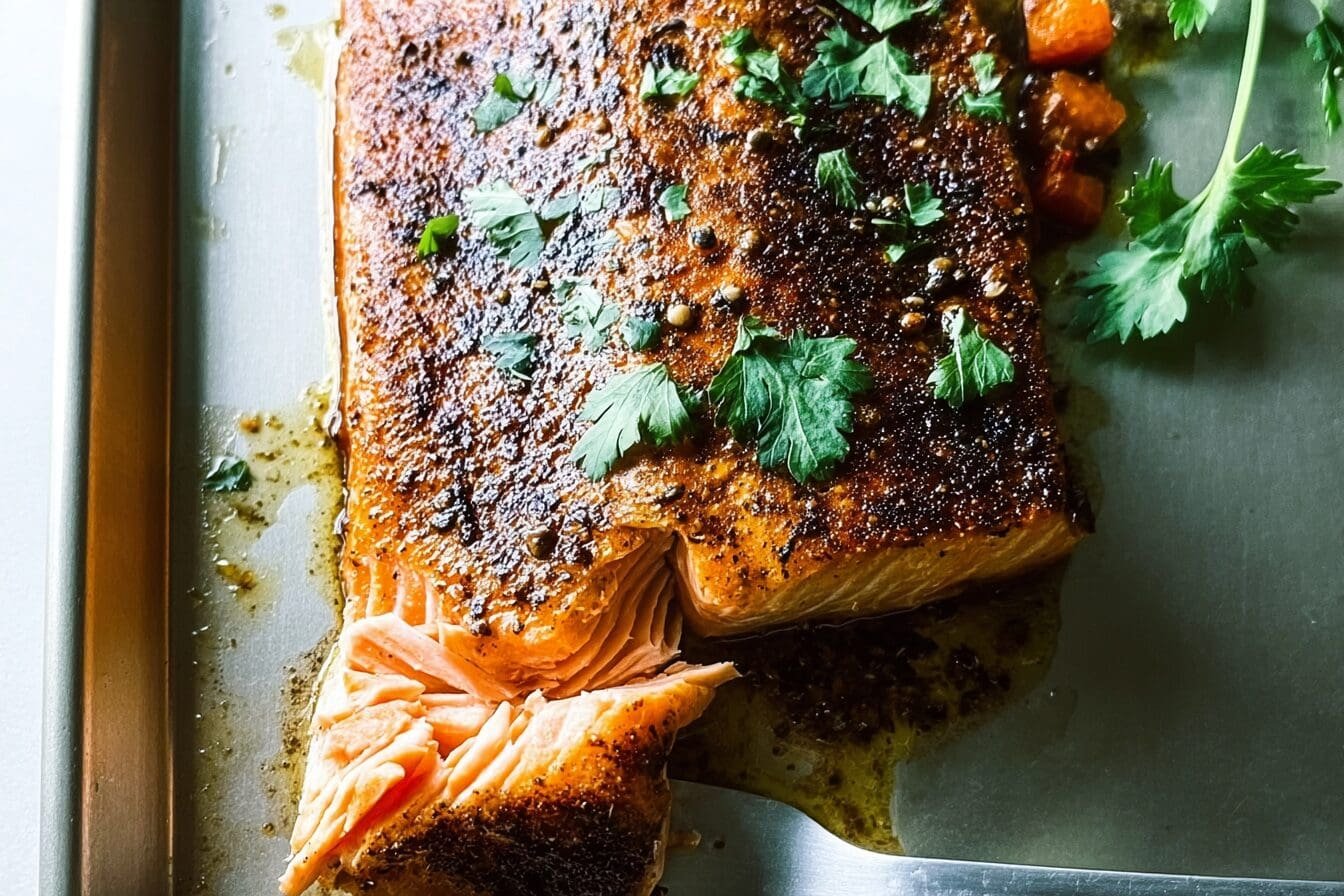
Why You’ll Love This Baked Salmon
Baked salmon is a simple dish that fits right into a busy day, and this recipe keeps things easy while packing in lots of flavor. Imagine coming home tired and whipping up a meal in just about 25 minutes that leaves everyone at the table happy. What makes this recipe special is how it brings together fresh ingredients like garlic and lemon for a taste that’s both zesty and satisfying.
On top of that, baked salmon is a smart choice for your health. It’s loaded with omega-3 fatty acids that help your heart and brain stay strong, plus it’s full of protein and vitamins. You can tweak it for different needs, like making it gluten-free or low-calorie, so it works for anyone from busy parents to students watching their diet.
This baked salmon stands out because it’s not just tasty, it’s also versatile for any meal. Add it to salads, pair it with veggies, or serve it solo for a quick dinner. Whether you’re a food enthusiast trying new flavors or a senior looking for light options, this recipe will become a go-to favorite. Overall, it’s a fun way to eat well without much fuss.
As Isabella Hayes shares on her blog, cooking should bring joy and create memories, and this baked salmon does just that. It’s perfect for newlyweds starting their kitchen adventures or working professionals needing fast meals. With its fresh taste and health perks, you’ll find yourself making it again and again. For more on how salmon boosts your health, check out salmon health tips from experts.
Jump To
- 1. Why You’ll Love This Baked Salmon
- 2. Essential Ingredients for Baked Salmon
- 3. How to Prepare the Perfect Baked Salmon: Step-by-Step Guide
- 4. Dietary Substitutions to Customize Your Baked Salmon
- 5. Mastering Baked Salmon: Advanced Tips and Variations
- 6. How to Store Baked Salmon: Best Practices
- 7. FAQs: Frequently Asked Questions About Baked Salmon
- 8. Baked Salmon
Essential Ingredients for Baked Salmon
Gathering the right ingredients is key to making this baked salmon recipe shine. This recipe uses fresh, simple items that you likely have on hand or can easily find. Let’s break down what you need to create a dish that’s both healthy and full of flavor. By focusing on quality picks, you’ll end up with a meal that’s moist and tasty every time.
Main Ingredients List
- 4 salmon fillets, each approximately 6 ounces (170 grams) – The star of the show for protein and omega-3s
- 2 tablespoons olive oil – Keeps the salmon juicy and adds healthy fats
- ½ teaspoon salt – Brings out the natural flavors
- ¼ teaspoon cracked black pepper – Adds a bit of spice
- 2 teaspoons minced garlic – Gives a nice aromatic boost
- 1 teaspoon Italian herb seasoning blend or a combination of dried thyme, parsley, oregano, and basil – Infuses earthy notes
- 1 medium lemon – Provides bright citrus flavor, with half used for juice and half sliced for topping
These ingredients make about four servings and come together quickly. Remember, using fresh garlic and herbs can make a big difference in taste, so pick the best you can. This list covers everything needed, so you won’t miss a step in preparing your baked salmon.
Beyond the basics, this recipe is easy to adjust. For special diets, consider options like swapping salmon for plant-based choices. That way, it’s simple for diet-conscious folks or vegans to enjoy a version that fits their needs. Overall, this setup ensures a straightforward path to a delicious dinner.
How to Prepare the Perfect Baked Salmon: Step-by-Step Guide
Getting baked salmon just right starts with a few easy steps that anyone can follow. First, preheat your oven to 400°F (204°C) and grease a large baking pan to avoid sticking. This sets the stage for a meal that’s tender and full of flavor in no time. By keeping things simple, you’ll have a healthy dinner ready in about 25 minutes total.
Prepping Your Salmon
Place the 4 salmon fillets, each about 6 ounces, on the baking sheet. Season them well with ½ teaspoon salt and ¼ teaspoon cracked black pepper for a solid base of flavor. In a small bowl, mix together 2 tablespoons olive oil, 2 teaspoons minced garlic, 1 teaspoon Italian herb seasoning, and the juice from half the lemon. This mixture will make your salmon taste amazing and keep it moist during baking.
Spread the oil and herb mix evenly over the tops and sides of the salmon fillets. It helps lock in the juices and adds that fresh garlic kick. Then, thinly slice the other half of the lemon and put one slice on each fillet for a bright, citrusy finish. This step not only flavors the fish but also makes it look great on the plate.
Baking and Finishing Touches
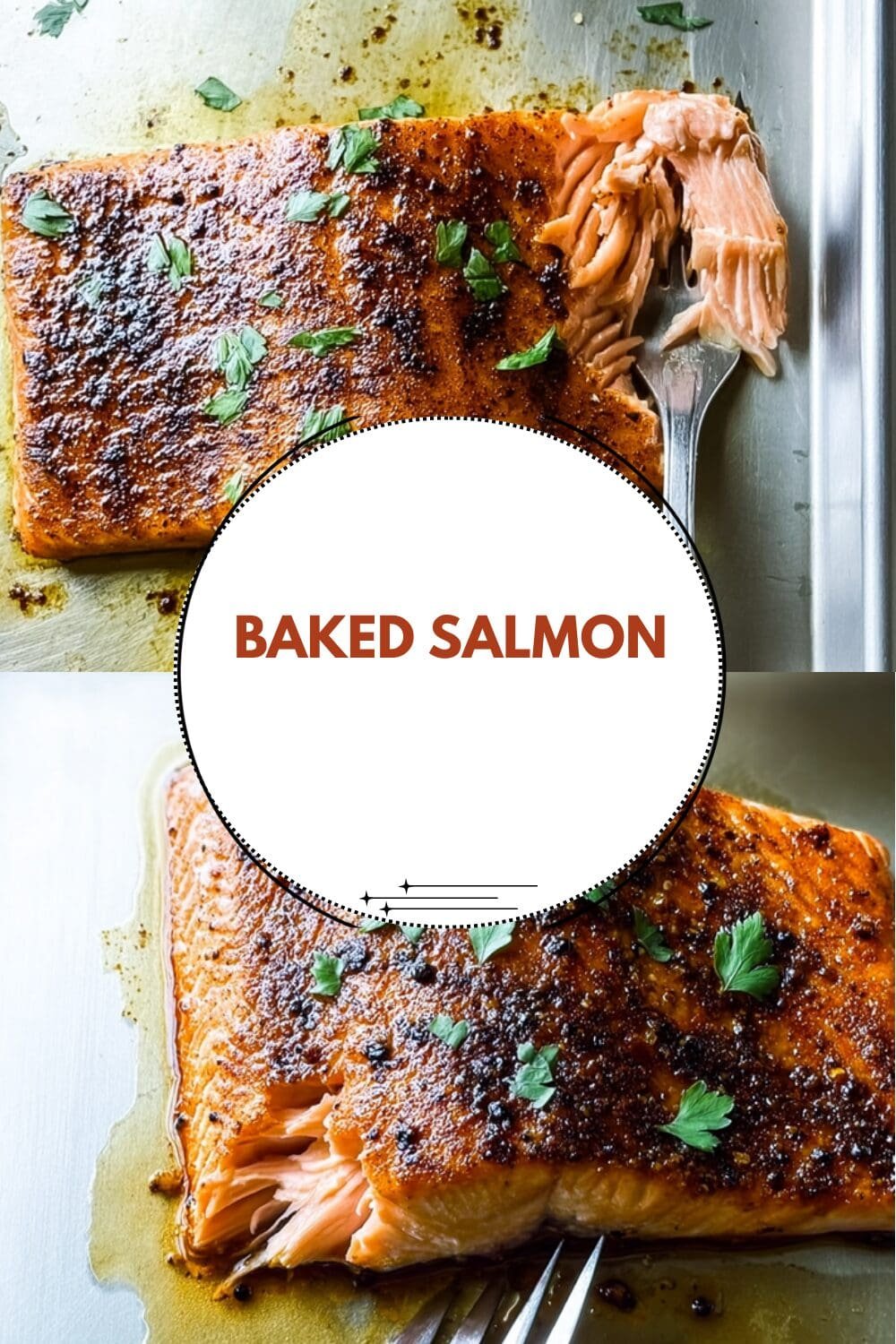
Slide the pan into the preheated oven and bake for 12 to 15 minutes. You’ll know it’s done when the salmon turns opaque and flakes easily with a fork, which means it’s juicy inside. If you want a bit more crunch, broil it for 1 to 2 extra minutes at the end. Once out of the oven, garnish with fresh thyme or parsley to add a pop of color and extra taste.
This method keeps the salmon tender, especially if you leave the skin on to hold in moisture, as suggested in the tips for best results. For a deeper dive into other fish recipes, try this hoisin salmon noodles guide for a fun twist. Remember, checking that the salmon is slightly translucent in the center ensures it stays moist without overcooking.
Nutritional info per serving includes about 306 calories, 34 grams of protein, and 18 grams of fat, making it a great pick for busy parents or anyone watching their diet. It’s packed with 839 milligrams of potassium and other vitamins, so it’s not just tasty but also good for you. When you serve it up, pair it with veggies for a full meal that feels light and satisfying.
One more thing, cooking at moderate heat like 400°F helps keep everything juicy, and you can always add a flavor twist by swapping lemon for lime and tossing in cilantro. This recipe is versatile, so feel free to make it your own while keeping the steps straightforward.

Dietary Substitutions to Customize Your Baked Salmon
Making baked salmon fit your diet is easier than you think, and with a few swaps, it can work for everyone. Start by changing the main protein if needed, like using trout or cod instead of salmon for a milder taste. This keeps the dish light and healthy while opening it up to more options for food enthusiasts or those with specific needs.
Simple Adjustments for Different Diets
For vegan folks, swap in marinated tempeh or tofu to keep that protein punch without the fish. If you’re aiming for gluten-free, just check that your herbs and any extras don’t have hidden gluten, and you’re set. Low-calorie eaters can use a light spray instead of olive oil to cut down on fats while still enjoying the garlic and lemon flavors.
You can also play with the veggies or sauces to mix things up. Try swapping lemon for orange slices to bring in new citrus notes, or add gluten-free tamari for a savory touch. These changes make the recipe flexible for travelers or seniors who might want something simple yet exciting.
Overall, these tweaks let you tailor baked salmon to fit busy lifestyles, like for working professionals or baking enthusiasts experimenting at home. By keeping the core recipe intact, you ensure it stays quick and nutritious, no matter the variation.
Mastering Baked Salmon: Advanced Tips and Variations
Taking your baked salmon to the next level means trying a few smart tricks that make it even better. One fun idea is to sear the fillets in a hot pan first to lock in juices and add some texture before baking. This step, though simple, can make your meal feel more special and is great for food lovers wanting to experiment.
Flavor and Presentation Ideas
Shake things up with different spice rubs, like Cajun seasoning or a mix of smoked paprika and cumin, to give your salmon a unique twist. For a pretty plate, serve it on quinoa with microgreens on top it looks fancy but takes little effort. If you’re prepping ahead, mix your seasonings the night before to let flavors soak in deeper.
These tips work well for newlyweds building their recipe collection or students on a budget. For more seafood inspiration, check out this creamy seafood bisque recipe that pairs nicely with salmon dishes. Remember, the key is to keep it fun and adaptable, like adding garlic’s health benefits for an extra boost something you can read about at garlic benefits guide.
How to Store Baked Salmon: Best Practices
Keeping your baked salmon fresh means handling leftovers the right way, so they taste just as good the next day. Pop it in an airtight container and stick it in the fridge for up to 3 to 4 days to keep things safe and tasty. This tip is handy for busy parents or working pros who meal prep ahead.
If you want to save it longer, wrap it tightly and freeze for up to 2 months to avoid any freezer burn. When it’s time to eat, reheat gently in a low oven or on the stove to keep it moist and flavorful. Portioning it out makes for easy grab-and-go meals that fit into anyone’s schedule.
FAQs: Frequently Asked Questions About Baked Salmon
What is the best way to bake salmon for a moist and flavorful result?
To bake salmon that is moist and flavorful, preheat your oven to 400°F (200°C). Place the salmon fillets on a baking sheet lined with parchment paper or foil. Season with salt, pepper, and your choice of herbs or lemon slices. Bake for 12-15 minutes, depending on thickness, until the internal temperature reaches 125°F to 135°F for medium doneness. Avoid overcooking to prevent dryness. Let the salmon rest for a few minutes before serving to allow juices to redistribute.
How can I tell if baked salmon is fully cooked without a thermometer?
You can check if salmon is done by observing its color and texture. When cooked, the salmon color changes from translucent reddish to opaque pink. Gently press the thickest part with a fork—the fish should flake easily along the muscle lines but still be moist inside. If the center looks slightly translucent but flakes easily, it is perfectly cooked and will be tender and juicy.
Can I bake a whole salmon fillet, and how does cooking time vary from fillets?
Yes, you can bake a whole salmon fillet. For a 2-pound fillet, bake at 400°F (200°C) for 18-22 minutes, or bake at a lower temperature such as 375°F for 30-40 minutes for a more tender texture. Cooking times depend on thickness: larger fillets need additional time to cook through evenly. Using an oven-safe thermometer helps achieve the desired doneness.
What are the health benefits of including baked salmon in my diet?
Baked salmon is rich in omega-3 fatty acids, which support heart and brain health. It is also an excellent source of high-quality protein, vitamin B12, vitamin D, and minerals like selenium and potassium. Compared to red meat, salmon is lower in saturated fat and calories. Regular consumption may help reduce inflammation and improve cholesterol levels, making it a nutritious choice for balanced meals.
How should I store leftover baked salmon to keep it fresh, and what is the best way to reheat it?
Store leftover baked salmon in an airtight container or wrap it tightly with aluminum foil or plastic wrap and refrigerate within two hours of cooking. Consume within 3-4 days for best quality. When reheating, do so gently in a low oven (around 275°F) or on the stovetop with a covered pan and a splash of water to retain moisture. Avoid microwaving as it can dry out the fish and alter texture.
Baked Salmon
- Total Time: 25 minutes
- Yield: 4 servings 1x
- Diet: Healthy, High Protein
Description
🐟 This Best Easy Healthy Baked Salmon recipe offers a quick, nutritious meal featuring tender, flavorful fillets.
🍋 Brightened with fresh herbs and lemon, it’s a wholesome dish perfect for busy weeknights.
Ingredients
4 salmon fillets, each approximately 6 ounces (170 grams) for protein and omega-3s
2 tablespoons olive oil for keeping the salmon juicy and adding healthy fats
½ teaspoon salt for bringing out the natural flavors
¼ teaspoon cracked black pepper for adding a bit of spice
2 teaspoons minced garlic for aromatic boost
1 teaspoon Italian herb seasoning blend or a combination of dried thyme, parsley, oregano, and basil for infusing earthy notes
1 medium lemon for bright citrus flavor, with half used for juice and half sliced for topping
Instructions
1-Getting baked salmon just right: starts with a few easy steps that anyone can follow. First, preheat your oven to 400°F (204°C) and grease a large baking pan to avoid sticking. This sets the stage for a meal that’s tender and full of flavor in no time. By keeping things simple, you’ll have a healthy dinner ready in about 25 minutes total.
2-Prepping Your Salmon: Place the 4 salmon fillets, each about 6 ounces, on the baking sheet. Season them well with ½ teaspoon salt and ¼ teaspoon cracked black pepper for a solid base of flavor. In a small bowl, mix together 2 tablespoons olive oil, 2 teaspoons minced garlic, 1 teaspoon Italian herb seasoning, and the juice from half the lemon. This mixture will make your salmon taste amazing and keep it moist during baking.
3-Prepping Your Salmon: Spread the oil and herb mix evenly over the tops and sides of the salmon fillets. It helps lock in the juices and adds that fresh garlic kick. Then, thinly slice the other half of the lemon and put one slice on each fillet for a bright, citrusy finish. This step not only flavors the fish but also makes it look great on the plate.
4-Baking and Finishing Touches: Slide the pan into the preheated oven and bake for 12 to 15 minutes. You’ll know it’s done when the salmon turns opaque and flakes easily with a fork, which means it’s juicy inside. If you want a bit more crunch, broil it for 1 to 2 extra minutes at the end. Once out of the oven, garnish with fresh thyme or parsley to add a pop of color and extra taste.
Notes
🔥 Cook salmon at moderate heat to keep it tender and moist.
🐟 Keep the skin on to help retain moisture.
🔍 Check doneness by ensuring salmon flakes easily but remains slightly translucent in the center.
- Prep Time: 5 minutes
- Cook Time: 20 minutes
- Category: Main Dish, Seafood
- Method: Baking
- Cuisine: American
Nutrition
- Serving Size: 1 fillet
- Calories: 306
- Sugar: 1 g
- Sodium: 366 mg
- Fat: 18 g
- Saturated Fat: 3 g
- Trans Fat: 0 g
- Carbohydrates: 1 g
- Fiber: 1 g
- Protein: 34 g
- Cholesterol: 94 mg
Keywords: baked salmon, healthy salmon recipe, easy salmon, quick salmon meal