
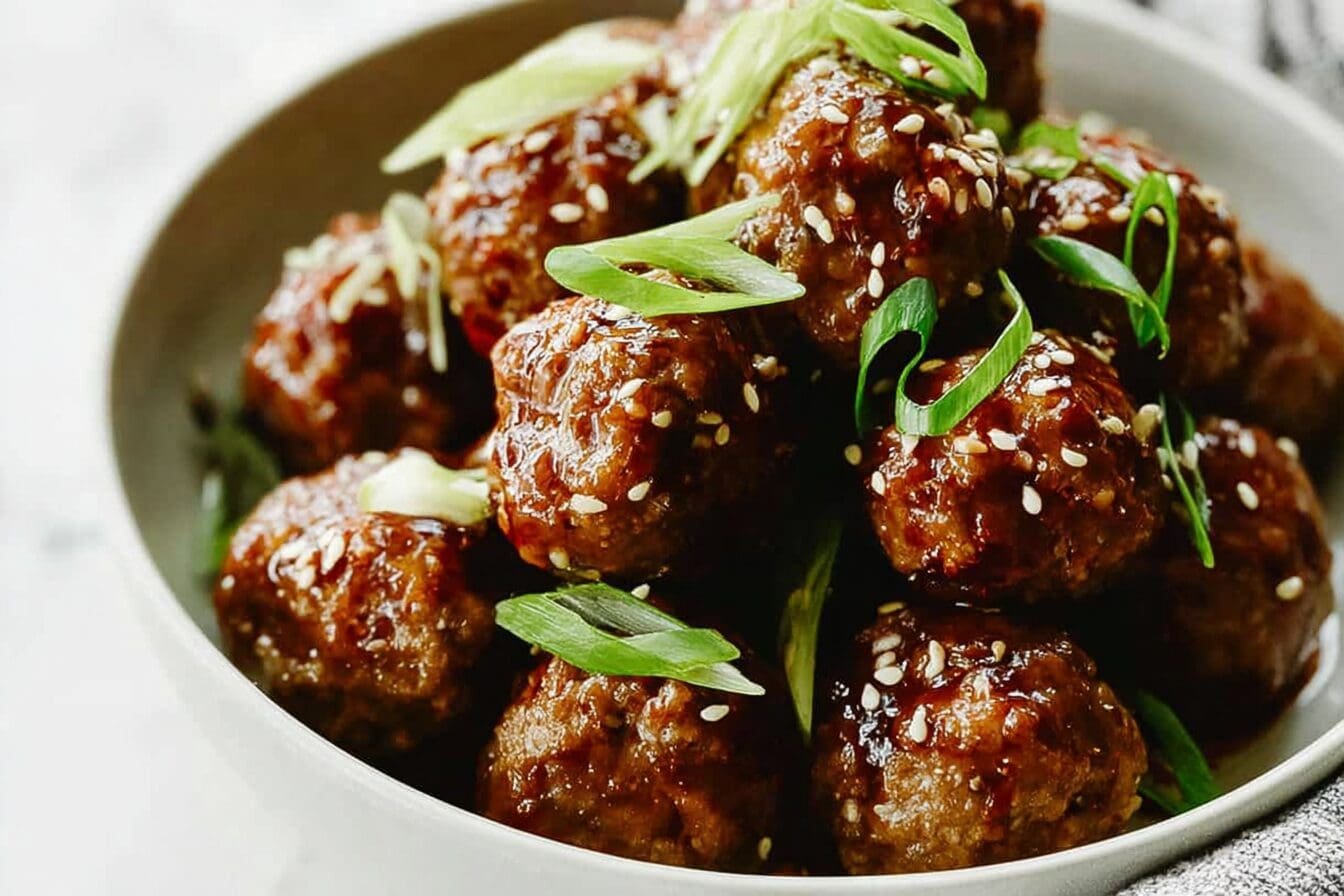
Why You’ll Love This Asian Meatballs
Asian meatballs are a fantastic way to bring bold flavors to your table without spending hours in the kitchen! Imagine juicy bites packed with savory goodness and a rich sauce coating that makes every meal feel special. Let’s dive into what makes this recipe a go-to for home cooks like you.
Key Benefits of This Tasty Dish
- Ease of preparation: This Asian meatballs recipe comes together in just a few simple steps, making it perfect for busy parents and working professionals. You’ll mix, shape, and cook without any fancy tools, and it’s ready in under an hour for a quick weeknight dinner. Plus, with ingredients like ground meat and flavorful sauce, it’s as straightforward as your favorite family recipes, helping you spend more time enjoying the meal than prepping it.
- Health benefits: These meatballs offer a nutritious twist on traditional Asian cuisine, loading up on protein from lean ground meat while keeping things light with fresh veggies if you add them. They’re a great option for diet-conscious individuals since you can tweak them for lower calories or more veggies, promoting wellness without sacrificing taste. Think of it as a flavorful way to get essential nutrients like ginger for digestion and protein for energy, making it ideal for students and seniors alike.
- Versatility: Asian meatballs adapt to all sorts of dietary needs, whether you’re cooking for newlyweds exploring new flavors or baking enthusiasts wanting a fun twist. You can serve them as appetizers, in soups, or over rice, fitting seamlessly into any meal plan. This flexibility shines in how Asian meatballs with rich sauce coating can be modified for gluten-free or vegan options, appealing to everyone from food enthusiasts to travelers seeking familiar tastes abroad.
- Distinctive flavor: What sets Asian meatballs apart is that burst of umami and spice that makes your taste buds dance! The rich sauce coating adds a glossy finish with hints of ginger and garlic, creating a depth that’s hard to resist. It’s this combination in meatball recipes that elevates simple ingredients into something memorable, drawing from Asian cuisine traditions for a truly standout dish your family will crave again and again.
By incorporating these elements, you’ll see why Asian meatballs are more than just a meal they’re a joyful experience. Whether you’re a busy parent or a food enthusiast, this recipe fits right into your routine with its how to make Asian style meatballs ease and appeal.
Jump To
- 1. Why You’ll Love This Asian Meatballs
- 2. Essential Ingredients for Asian Meatballs
- 3. How to Prepare the Perfect Asian Meatballs: Step-by-Step Guide
- 4. Dietary Substitutions to Customize Your Asian Meatballs
- 5. Mastering Asian Meatballs: Advanced Tips and Variations
- 6. How to Store Asian Meatballs: Best Practices
- 7. FAQs: Frequently Asked Questions About Asian Meatballs
- 8. Asian Meatballs
Essential Ingredients for Asian Meatballs
Gathering the right ingredients is the key to nailing those flavorful Asian meatballs! This section breaks down everything you need, including precise measurements for a successful cook. I’ll list them out clearly so you can follow along without any confusion, drawing from essential components that make this recipe shine.
Main Ingredients with Their Roles
- 200 grams of flour – This acts as a binder to hold the meatballs together, giving them a tender texture while absorbing flavors from the rich sauce coating.
- 100 grams of sugar – Adds a subtle sweetness to balance the savory notes, enhancing the overall taste in your Asian meatballs recipe.
- 50 grams of cocoa powder – Provides a deep, rich flavor that might seem unexpected but can add a unique twist to the meatball’s sauce for a more complex profile in Asian cuisine-inspired dishes.
- 2 large eggs – These help bind the mixture, ensuring your meatballs stay moist and hold their shape during cooking.
- 150 milliliters of milk – Contributes to a juicy texture, keeping the meatballs tender and flavorful as they cook in the rich sauce.
- 100 grams of butter – Adds richness and helps achieve that glossy sauce coating, making the meatballs irresistibly delicious.
- 1 teaspoon of baking powder – This ingredient aids in a lighter, fluffier consistency, which can be adapted for meatball recipes to prevent them from becoming too dense.
- 1 teaspoon of vanilla extract – Infuses a hint of warmth and aroma, elevating the distinctive flavor of your Asian meatballs with a subtle enhancement.
Special Dietary Options
Adapting this recipe is a breeze for various needs! For vegan options, swap the eggs with flaxseed mixed with water and use plant-based milk to keep things plant-based while maintaining that traditional Asian meatball texture. If you’re going gluten-free, ensure the flour is a gluten-free variety like almond flour to avoid any issues, and it still works wonders in ground meat mixtures. For low-calorie versions, reduce the butter to 50 grams and opt for low-fat milk to lighten up your flavorful sauce without losing the best sauce for Asian meatballs appeal.
How to Prepare the Perfect Asian Meatballs: Step-by-Step Guide
Let’s get cooking those amazing Asian meatballs with rich sauce coating! This guide walks you through each step, making it super easy for home cooks to create a dish that’s full of flavor and fun. We’ll cover everything from prep to serving, with tips for adapting to your preferences along the way.
Gathering and Prepping Ingredients
First step: Start by gathering all your ingredients to make the process smooth and enjoyable. Measure out 200 grams of flour, 100 grams of sugar, and the rest as listed, then chop any add-ins like ginger or garlic if you’re enhancing the traditional Asian meatball recipes. This mise-en-place keeps things organized, especially for busy parents or students who need efficiency.
Mixing the Base
Second step: In a large bowl, combine the dry ingredients first like the 200 grams of flour and 1 teaspoon of baking powder to ensure they blend evenly. Add in your ground meat next, mixing gently to avoid overworking it, which helps keep the meatballs tender. For a twist on Asian cuisine, incorporate flavors like soy sauce here to build that distinctive Asian meatballs taste.
Adding Wet Ingredients
Third step: Pour in the wet components, such as the 150 milliliters of milk, 2 large eggs, and 100 grams of melted butter, then stir until everything forms a cohesive mixture. This is where you can add 1 teaspoon of vanilla extract for a unique flavor note, making your meatballs stand out in meatball recipes. Adjust for dietary needs, like using egg substitutes for vegan versions, to keep it versatile.
Shaping and Cooking
Fourth step: Shape the mixture into bite-sized balls, about the size of a golf ball, and place them on a greased baking sheet or pan. Preheat your oven to 180 degrees Celsius and bake for 20-25 minutes, turning halfway for even cooking. If you prefer, pan-fry them for a crispier texture, which is great for how to make Asian style meatballs with that rich sauce coating monitor the temperature for food safety.
Adding the Sauce and Finishing Touches
Fifth step: While the meatballs cook, prepare your rich sauce by simmering ingredients like the 50 grams of cocoa powder mixed with sugar and liquids in a pan over medium heat for 10 minutes. Once the meatballs are done, coat them generously in the sauce for that glossy finish. For best results, let them rest for a few minutes to absorb flavors, and serve hot with rice or veggies.
This approach ensures your Asian meatballs turn out juicy and packed with flavor every time, perfect for any occasion. With these steps, you can easily adapt for different preferences, like making them spicier or lighter, while hitting that 30-35 minute total cook time target.

Dietary Substitutions to Customize Your Asian Meatballs
Customizing Asian meatballs is all about making them fit your lifestyle! Whether you’re watching your calories or exploring vegan options, tweaking the recipe keeps it delicious and flexible. Let’s look at some easy swaps. Check out hoisin-based recipes for more Asian inspiration.
Protein and Main Component Alternatives
For protein swaps, try using ground turkey instead of beef for a leaner option, which works great for diet-conscious folks. If meat’s not your thing, plant-based grounds can replace it entirely, maintaining that rich sauce coating everyone loves. Vary the main components based on what’s in season for freshness.
Vegetable, Sauce, and Seasoning Modifications
Switch up veggies like adding bell peppers for crunch, or choose low-sodium soy sauce for a healthier sauce. Seasonings can be adjusted with herbs to suit low-calorie needs, making Asian meatballs with rich sauce coating adaptable for all.
Mastering Asian Meatballs: Advanced Tips and Variations
Taking your Asian meatballs to the next level is easier than you think! With these pro tips, you’ll impress your guests and add excitement to your meals. Let’s explore some creative ideas for meatball recipes that stand out in Asian cuisine.
Pro Cooking Techniques
Use a meat thermometer to ensure perfect doneness, avoiding dry results. For flavor variations, experiment with herbs to enhance that rich sauce coating.
Other Variations
Presentation tips include garnishing with fresh greens, while make-ahead options let you prep in advance for busy schedules.
How to Store Asian Meatballs: Best Practices
Keeping your Asian meatballs fresh is key for enjoying leftovers! Proper storage maintains that flavorful sauce and texture. Try another meatball storage method for ideas.
Refrigeration Tips
Store in an airtight container for up to three days to keep them tasty.
Freezing and More
Freeze for longer shelf life, and reheat gently to preserve quality.
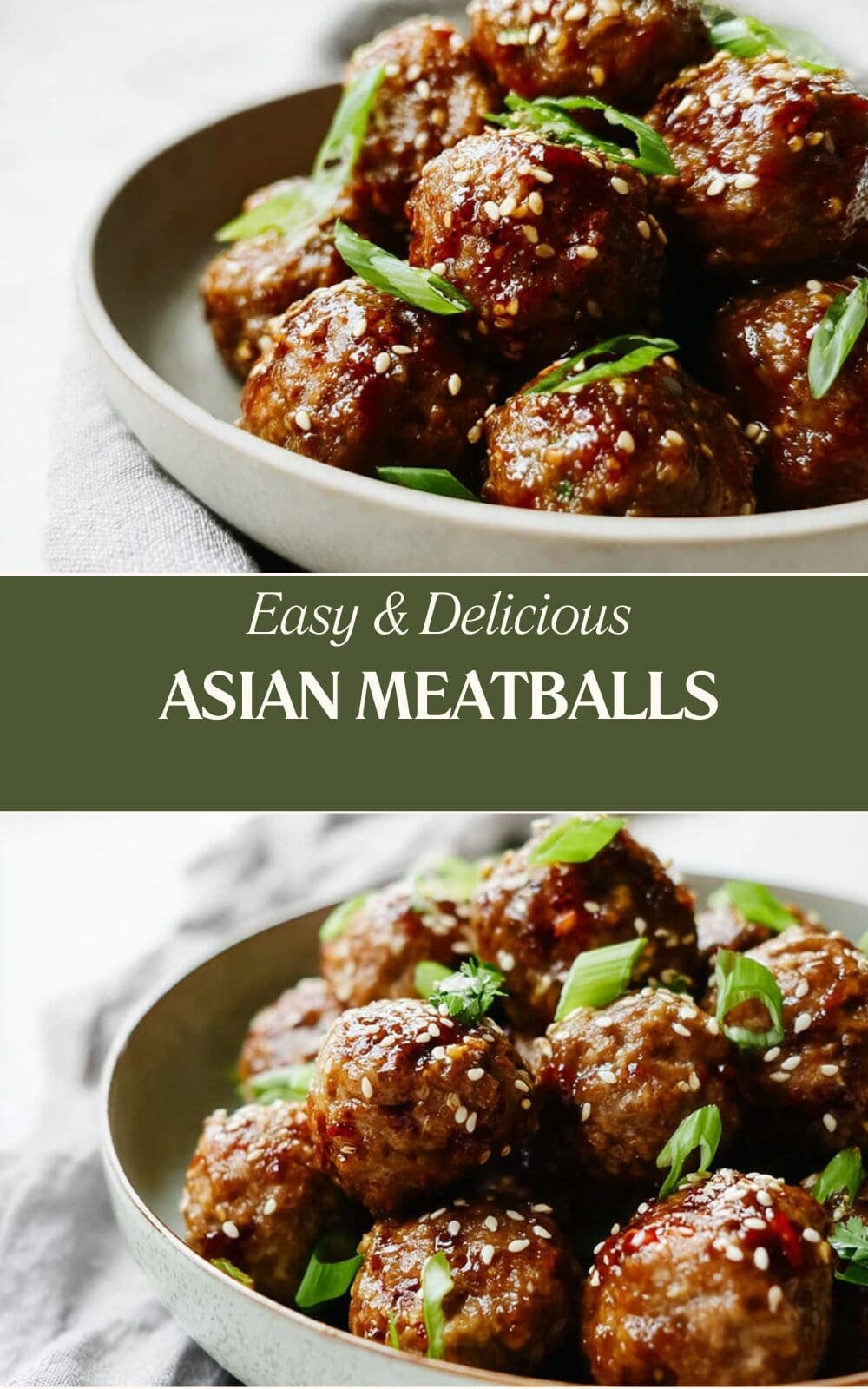
FAQs: Frequently Asked Questions About Asian Meatballs
What makes Asian meatballs different from Western-style meatballs?
Asian meatballs typically feature distinct ingredients like fish paste, shrimp, or combinations of pork and shrimp that differ from the all-beef or all-pork Western varieties. They often incorporate aromatic elements like ginger, garlic, water chestnut, and five-spice powder. Texturally, Asian meatballs tend to be softer, bouncier, and sometimes gelatinous due to ingredients like fish paste or the addition of tapioca starch, creating a unique mouthfeel not found in traditional Italian-style meatballs.
What are the main types of Asian meatballs found in regional cuisines?
Asian cuisine offers diverse meatball varieties including Chinese lion’s head meatball (made with pork), Japanese tsukune (chicken meatballs), Korean wanja-jeon (beef meatballs), Vietnamese nem nuong (grilled pork meatballs), and Thai luk chin (fish balls). Each type reflects local culinary traditions with distinct preparation methods, from steaming and frying to grilling, and features regional flavor profiles ranging from savory and umami-rich to sweet and spicy depending on the country of origin.
How do you make authentic Chinese pork meatballs at home?
To make authentic Chinese pork meatballs, start with ground fatty pork mixed with minced water chestnut, green onion, ginger, and garlic. Add soy sauce, Shaoxing wine, sesame oil, and white pepper for flavor. Bind with cornstarch and egg white instead of breadcrumbs. Shape into large balls and steam for 15-20 minutes until cooked through. For the classic lion’s head presentation, arrange bok choy or napa cabbage around the meatballs and steam together until the vegetables are tender and the meatballs are juicy.
Are Asian meatballs typically spicy?
The spiciness of Asian meatballs varies significantly by region and dish. Chinese lion’s head meatball are generally not spicy but focus on savory and umami flavors. Japanese tsukune are typically mild, highlighting the natural meat flavors. Korean wanja-jeon often includes gochujang (Korean chili paste) for mild heat. Thai and Vietnamese meatball varieties tend to be spicier, incorporating chili peppers and spicy dipping sauces. When cooking at home, you can adjust the heat level to your preference by controlling the amount of spicy ingredients added.
What dishes commonly feature Asian meatballs?
Asian meatballs appear in various dishes across different cuisines. In Chinese cooking, they’re served in hot pot, noodle soups, and as the featured protein in lion’s head meatball with cabbage. Japanese cuisine includes tsukune in ramen, donburi (rice bowls), and as yakitori skewers. Korean wanja-jeon appears in soups, stews, and rice dishes. Vietnamese cuisine serves grilled meatballs with fresh herbs and wrappers, while Thai fish balls are common in noodle soups, curries, and stir-fried dishes. They’re also popular as street food snacks across Asia with various dipping sauces.
Asian Meatballs
- Total Time: 40 minutes
- Yield: 4 servings
- Diet: General
Description
🥢 Dive into the savory and aromatic flavors of Asian-inspired meatballs that bring a burst of taste to your table, perfect for a quick family meal.
🥢 Experience the rich, glossy sauce coating that elevates simple ingredients into a deliciously satisfying dish for any occasion.
Ingredients
– 200 grams flour acts as a binder to hold the meatballs together
– 100 grams sugar adds a subtle sweetness to balance the savory notes
– 50 grams cocoa powder provides a deep, rich flavor
– 2 large eggs help bind the mixture
– 150 milliliters milk contributes to a juicy texture
– 100 grams butter adds richness
– 1 teaspoon baking powder aids in a lighter, fluffier consistency
– 1 teaspoon vanilla extract infuses a hint of warmth and aroma
Instructions
1-First step: Start by gathering all your ingredients to make the process smooth and enjoyable. Measure out 200 grams of flour, 100 grams of sugar, and the rest as listed, then chop any add-ins like ginger or garlic if you’re enhancing the traditional Asian meatball recipes. This mise-en-place keeps things organized, especially for busy parents or students who need efficiency.
2-Second step: In a large bowl, combine the dry ingredients first like the 200 grams of flour and 1 teaspoon of baking powder to ensure they blend evenly. Add in your ground meat next, mixing gently to avoid overworking it, which helps keep the meatballs tender. For a twist on Asian cuisine, incorporate flavors like soy sauce here to build that distinctive Asian meatballs taste.
3-Third step: Pour in the wet components, such as the 150 milliliters of milk, 2 large eggs, and 100 grams of melted butter, then stir until everything forms a cohesive mixture. This is where you can add 1 teaspoon of vanilla extract for a unique flavor note, making your meatballs stand out in meatball recipes. Adjust for dietary needs, like using egg substitutes for vegan versions, to keep it versatile.
4-Fourth step: Shape the mixture into bite-sized balls, about the size of a golf ball, and place them on a greased baking sheet or pan. Preheat your oven to 180 degrees Celsius and bake for 20-25 minutes, turning halfway for even cooking. If you prefer, pan-fry them for a crispier texture, which is great for how to make Asian style meatballs with that rich sauce coating monitor the temperature for food safety.
5-Fifth step: While the meatballs cook, prepare your rich sauce by simmering ingredients like the 50 grams of cocoa powder mixed with sugar and liquids in a pan over medium heat for 10 minutes. Once the meatballs are done, coat them generously in the sauce for that glossy finish. For best results, let them rest for a few minutes to absorb flavors, and serve hot with rice or veggies.
Notes
🥢 Use lean ground meat to keep the meatballs lighter and healthier.
🌿 Fresh ginger adds more zing; adjust based on your spice preference.
🍯 Mix the sauce just before serving to maintain its glossy texture.
- Prep Time: 15 minutes
- None: 0 minutes
- Cook Time: 25 minutes
- Category: Appetizer or Main Course
- Method: Baking and Simmering
- Cuisine: Asian
Nutrition
- Serving Size: 4-6 meatballs
- Calories: 350 per serving
- Sugar: 10 grams
- Sodium: 800 milligrams
- Fat: 20 grams
- Saturated Fat: 7 grams
- Unsaturated Fat: 12 grams
- Trans Fat: 0 grams
- Carbohydrates: 25 grams
- Fiber: 2 grams
- Protein: 18 grams
- Cholesterol: 70 milligrams
Keywords: Asian Meatballs, Rich Sauce, Coating Recipe, Easy Asian Dish